
In the US, every February is taken to honor those who have contributed to Black American history. Some schools have begun to intersperse Black History lessons into their class curriculum while others schools choose February to specifically talk about contributions made by Black people. Sometimes, schools do not cover Black History month at all. Below are lessons I have put up on social media over the past few years to highlight topics that could be discussed in the classroom or around the dinner table.
It is important to note that I have not changed the posts from when they were first created. For me, it is important to mark the sentiments at the time of posting rather than update based on new research. I hope when you read the posts from years past, think of what has changed as well as remained the same.
For mobile users, I recommend viewing in “desktop mode” for readability
Jump to:
2018 – Famous and Unsung Heroes of Black History
2019 – Famous Events throughout Black History
2020 – Famous Places throughout Black History
2021 – The New Civil Rights Movement
2022 – Racial Backdraft following 2020
2023 – Lift Every Voice and Sing – Connecting the Anthem to BHM
2024 – Afrofuturism
2018
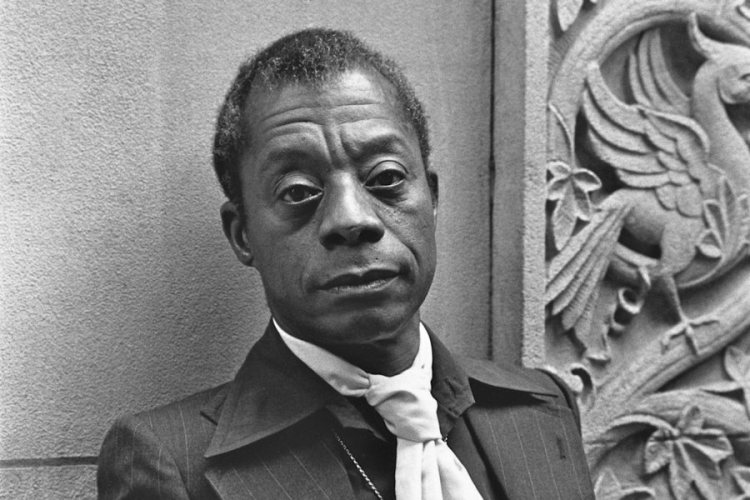
2/1/18 – James Baldwin (1924-1987) was an American author who wrote a number of books on about the black and gay experiences in 1950s America. Baldwin spent a majority of his adult life outside of the US, giving him a unique perspective on both his own challenges with race, as well as America’s as a whole. A great deal of his work examines power with respect to race and his command of the English language is something many black authors still admire today. #BlackHistoryEveryDay #Baldwin

2/2/18 – One person #JamesBaldwin would later mentor during his time in America was #NinaSimone. Simone’s entire story is an interesting one, but I will zero in on her social activism. Her song “Mississippi Goddam” was released in 1963, the same year as the bombing of the 16th Street Baptist Church. This was considered her first Civil Rights song. It was so controversial most states in the South banned the song and the music industry ostracized her for “inviting racial tension”. She took a true risk singing about what she felt compelled to sing and lost her job because of it. Today musicians, playwrights, authors, and politicians alike cite her activism as a reason for their involvement. #BlackCuture #BlackHistory #Music
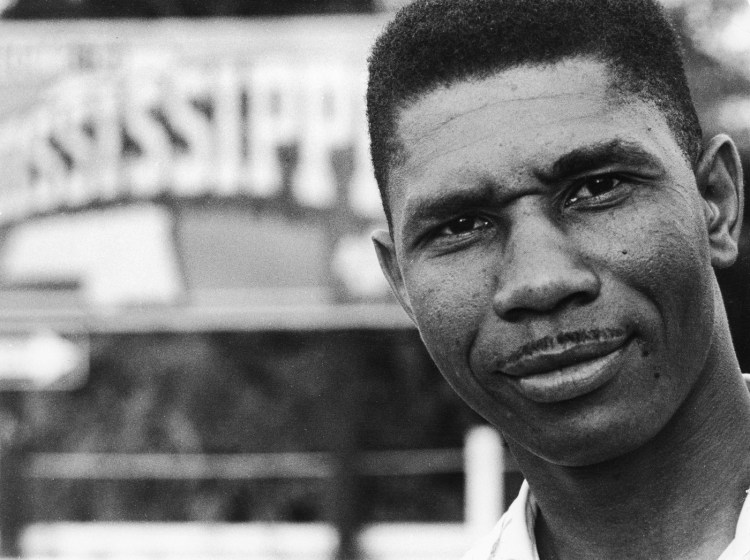
2/3/18 – #NinaSimone‘s song “Mississippi Goddam” was written after this hero was assassinated in the driveway of his own house in 1963. #MedgarEvers was a #CivilRights activist in Mississippi, one of the most hostile states during the 1950s and 60s. After returning from World War II, Evers became focused on integrating Mississippi’s public schools. He became the NAACP Field Secretary for Mississippi in 1954, where he would organize boycotts and continue to fight for school integration. Notably, Evers set up a “wade-in” to protest the segregation of Mississippi’s beaches. On June 12, 1963, he was shot in front of his home by Bryon De La Beckwith (who would not be charged until 1994). His wife #MyrlieEvers continued on his path of activism and his brother #CharlesEvers became the first black mayor elected in Mississippi after the #Reconstruction in 1969. #BlackHeroes #BlackHistoryMonth #Day3
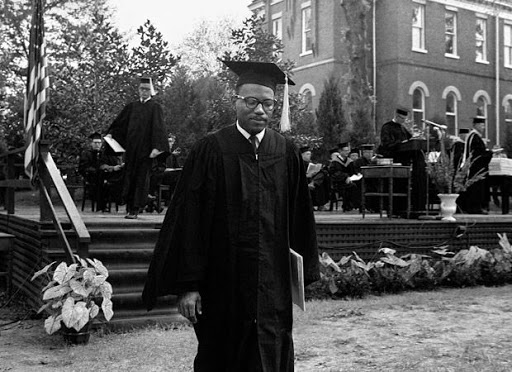
2/4/18 – #MedgarEvers paved the way in Mississippi to assist with James Meredith’s eventual integration into Ole Miss (the University of Mississippi), becoming the first African American to do so. A few years after Evers’s assassination in 1966, Meredith planned a 220 mile #MarchAgainstFear from Memphis, TN to Jackson. During the march, he was shot and wounded by a white gunman, but he recovered and rejoined the March prior to its completion. He eventually became a Republican in an effort to integrate the Republican Party. He was met with derision from both Democrats and Republicans for his actions. His stint with the Republican Party proved America was still a ways off from truly integrating the national public. #BlackHistory #CivilRights #History

2/5/18 – When one hears “A celebration of Black History Month,” you are often given success stories of black perseverance and overcoming the racial tribulations of the 1940s, 50s, and 60s. What you don’t often hear are all the stories of people prior to that success. #JamesMeredith and #MedgarEvers work toward integration do not truly begin until we mention #ClydeKennard. Kennard, a Korean War vet, returned to Mississippi, after beginning college at the University of Chicago to help his mother run her farm. Segregation in schools was already deemed unconstitutional by the Supreme Court but Mississippi Southern College still refused to accept him. Continuing to pursue the case, Kennard found himself up against the state’s government as well as the police force. In 1960 Kennard was framed, arrested and sentenced to 7 years in prison for stealing chicken feed. Kennard would later be diagnosed with cancer in 1961 died in 1963. His only true focus was the integration of schools and he died never seeing his own dream realized. In 2006, Kennard’s name was cleared and his conviction overturned. #BlackHistoryMonth #BlackHeroes #Integration
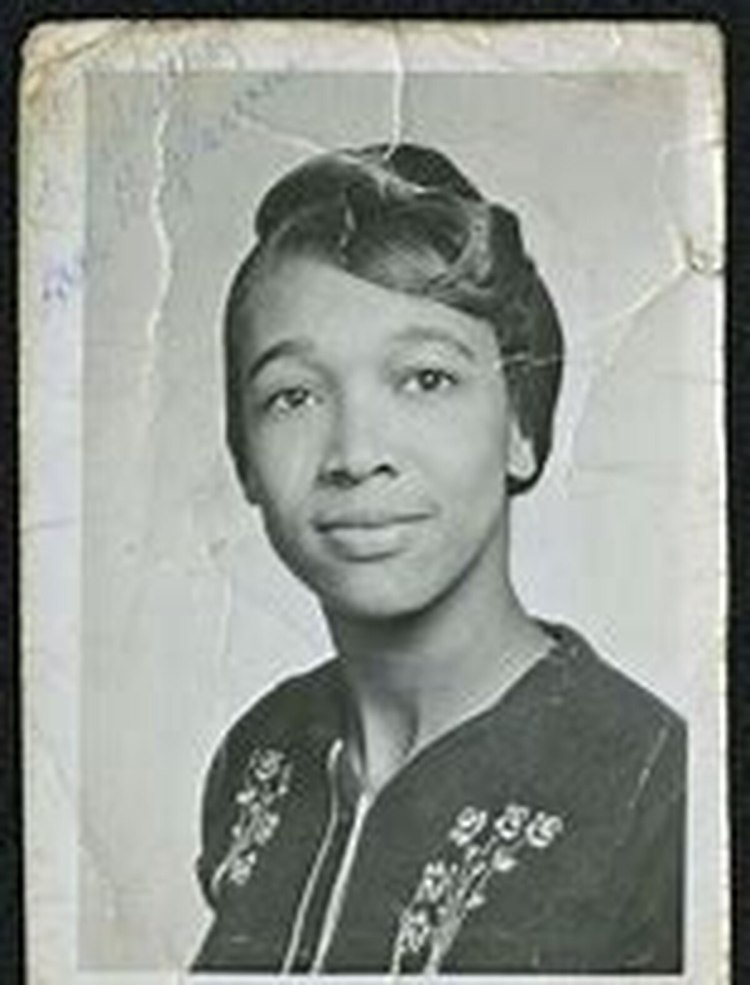
2/6/18 – I thought of many people to put here that were directly affected by #ClydeKennard‘s work in integrating schools and I felt the story of #RaylawniBranch should be told. She was officially the first person to attend the University of Southern Mississippi – completing Kennard’s initial goal. The #NAACP recruited her to integrate the school primarily from her previous activist work. She was a member of both #SNCC and the #SCLC. She integrated both Greyhound and her local telephone company in Hattiesburg. She accomplished all of this before the age of 24. She was able to successfully integrate University of Southern Mississippi in 1965, two years after Kennard’s passing. She eventually joined the Air Force reserves, rising to lieutenant Colonel and continuing as a professional nursing educator. #BlackHistory #BlackHeroes #Activism
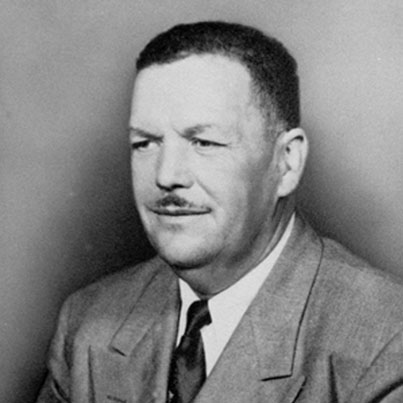
2/7/18 – While #RaylawniBranch was making her way through school, this gentleman was supplying her with food for her and her family for free. In turn, she would help him with his efforts in getting other local black Mississippians registered to vote. #VernonDahmer was a business owner and the president of the Forrest County chapter of the #NAACP. He dropped out of school in 10th grade and rather than use his white appearance and privileges associated with passing in Mississippi, he chose to speak up about his blackness. He would call upon #SNCC to help him register other black people to vote. He kept the voter registry in the grocery store rather than his house because of the threats made to him and his family. His slogan was “If you don’t vote, you don’t count”. He also agreed to pay the poll tax if they could not afford it. This gathered attention from the wrong crowd. In January of 1966, his home was fire-bombed by the KKK, he helped his wife and children our of the house but later died due to smoke inhalation. On his deathbed, he repeated his famed slogan. The court indicted 14 men and convicted 4 (3 of which were pardoned after 4 years). Today, his wife, Ellie was elected the election commissioner in the same district her husband was killed. January 10th is Vernon Dahmer Day in Hattiesburg and his family is still active in their father’s community today. #BlackHistory #BlackHeroes #UndiscoveredBlackHistory
(SNCC)
2/8/18 – #VernonDahmer‘s efforts in activism were constantly being championed by the Student Nonviolent Coordinating Committee or #SNCC for short. The Greensboro Sit-Ins, the Freedom Riders and the Voter Registration efforts were largely organized by SNCC. They were a group focused on pushing the Civil Rights agenda along as they felt the #SCLC was taking too long figuring out a compromise. This led to “radical” ideas passing through SNCC more than SCLC. Focusing on school-age children was a great way to teach students about the movement and ways to get involved and because of its nonviolent message, parents were encouraged to help spread awareness. With the assassinations of #MalcolmX #MedgarEvers and #MLK, their ethos began to shift to more radical ideology. SNCC at it’s base could not call itself SNCC if nonviolence was not something they valued. This allowed a rift to form within the group and allowed J. Edgar Hoover to create a wedge between the organization. SNCC disbanded in 1976. #UndiscoveredBlackHistory #BlackHistoryMonth #Nonviolence
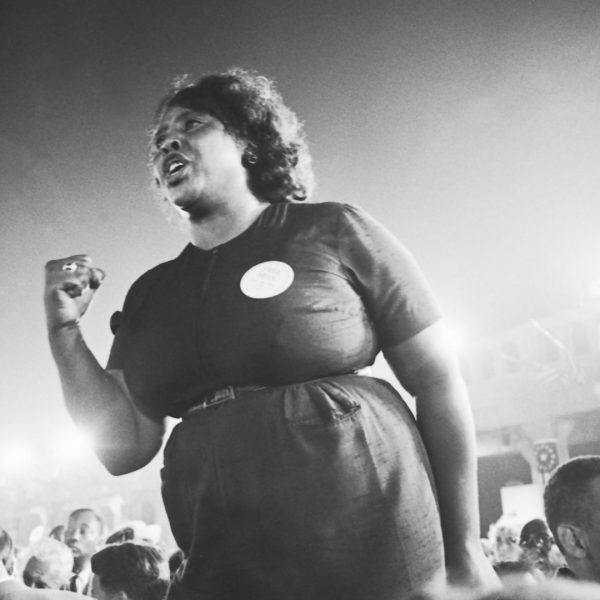
2/9/18 – #SNCC combined with #MFDP (Mississippi Freedom Democratic Party) to win seats at the 1964 Democratic National Convention. #FannieLouHamer was the leader of the MFDP and fighting for the right to vote in Mississippi. She began her #CivilRights work in 1962 when she went to take the famed #LiteracyTest in order to vote. She actually ended up passing but the state required 2 poll tax receipts in order to vote. Seeing this inequality, she began to educate other Mississippians about what they would need to vote. The police would arrest her force 2 inmates to beat her so bad, she would not recover from some of her injuries. She would undergo surgery to remove a tumor and was given a hysterectomy without her consent by a white doctor. This was a part of Mississippi’s plan to sterilize poor blacks in the state. She named it the #MississippiAppendectomy. Her daughter was also refused admission to their local hospital due to her mother’s activism and subsequently died of her injuries. Hamer would die in 1977 from complications with hypertension and breast cancer. Her tombstone read “I’m sick and tired of being sick and tired”. #UndiscoveredBlackHistory #BlackExcellence #BlackHistoryMonth

2/10/18 – A double dose here as #FannieLouHamer continued to fight for equality, she called upon the #NCNW to help her funding of a farming initiative that could provide a number of employment opportunities to blacks that needed them in the South. The National Council of Negro Women was founded in 1935 by Mary MacLeod Bethune (Who also founded Bethune-Cookman University) who wanted “an organization of organizations”. This would try to combine the efforts of #SCLC, #SNCC, and other numerous civil rights groups (roughly 28 at the time) but continue to fight for the rights of women, more specifically black women as they progressed through history. #BlackGirlMagic is all that can be described here as Bethune would find herself as President Roosevelt’s national advisor as apart of his “Black Cabinet”. Eleanor Roosevelt would request a seat next to her (despite the state’s segregation laws) at the Southern Conference on Human Welfare. Her access to the White House was unprecedented at that time and with that access she formed #TheBlackCabinet. Her council house is currently a museum in Washington DC. She would serve as an advisor to a total of 5 presidents. She was the only black woman present when the United Nations was founded in 1945. Her efforts were truly trailblazing. #UndiscoveredBlackHistory #BlackExcellence #BlackHistoryMonth
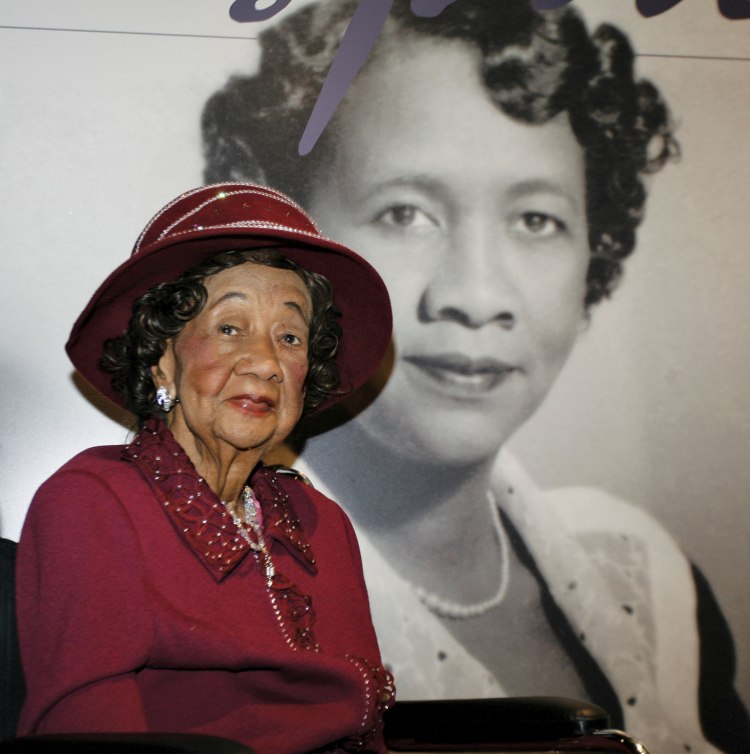
2/11/18 – I’m certain many sisters of the #DeltaSigmaTheta sorority would immediately recognize this president of the #NCNW. #DorothyHeight‘s story begins at #BarnardCollege – but actually #NYU given Barnard was only allowed to accept 2 black students per school year. She continued her post graduate work at #Columbia and the School of Social Work. Height was involved in community activism at the age of 25. She became the president of the NCNW from 1957-1997. She was a founding member of the Council for United Civil Rights Leadership and organized “Wednesdays in Mississippi” – bringing together black and white women from the north and south to talk about a number of social issues. Alongside #MaryMcLeodBethune she helped advise the Roosevelts on desegregating schools, voting rights, and worker’s rights. When she passed in 2010, her funeral was attended by the Obamas. #BlackHistoryMonth #BlackExcellence
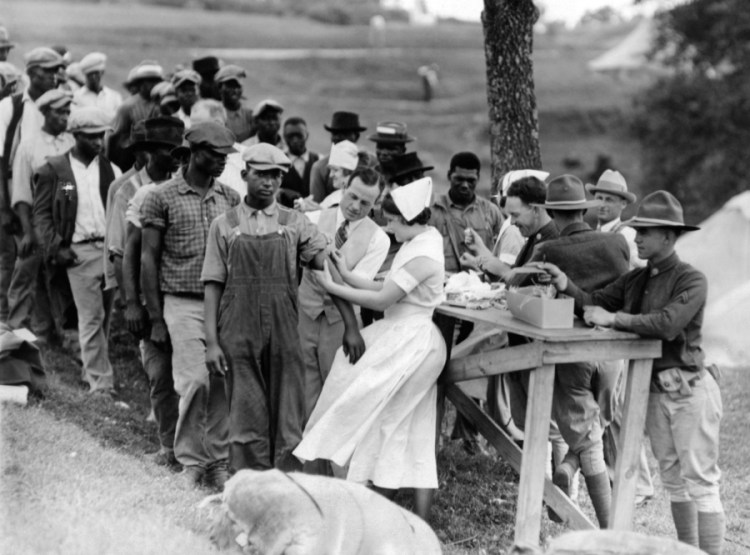
2/13/18 – I didn’t forget! Yesterday was packed and couldn’t sit and have time to make the proper post. #NowIGotTime. When #DorothyHeight was named to the National Commission for the Protection of Human Subjects of Biomedical and Behavioral Research, she oversaw a report that covered a number of experiments that violated ethical laws. One covered the #TuskegeeExperiment. This research, conducted by the US Public Health Service, focused on the natural progression of syphilis in untreated black men over the course of 40 years (1932-72). They lured in subjects by promising free health care. Most of the subjects were sharecroppers in Alabama and a few students from Tuskegee University. When funding was lost, the study continued on without notifying any of the subjects that they would not be treated and were also informed they were not allowed to be treated elsewhere. 28 men died due to syphilis while another 100 died due to complications involving the disease. 40 wives contracted the disease and 19 children were born with congenital syphilis.
This study led to the establishment of many ethics laws as well as a review board over all research experiments involving human subjects. Bill Clinton apologized in 1993. #BlackHistoryMonth

2/13/18 – I ain’t finished! A #DoubleDose to make sure I’m still on track. The #TuskegeeExperiment became a hot topic in the 1990s when the children of the subjects began to grow up and become active in righting the wrong the US government had done. One duo active in getting the word out was #PeteRockAndCLSmooth with their song #AngerInTheNation. The song focused on a number of issues affecting black people as well as America. From the experiment to apartheid, they wanted the public to mobilize and begin to research some of the things being done to its people. The duo focused their activism through their music but evaded the “controversial political group” tag applied to many of their own friends. Raised in Mount Vernon, NY they are most known for their song T.R.O.Y. that was a tribute to their fallen friends including T-Roy from #HeavyDAndTheBoyz. Anger in the Nation would help mobilize the hip hop youth the American public felt were “out of touch” over issues that targeted them. When Bill Clinton’s apology for the Tuskegee Experiment came in 1993, this song’s message was widely referenced. #BlackExcellence #BlackHistoryMonth
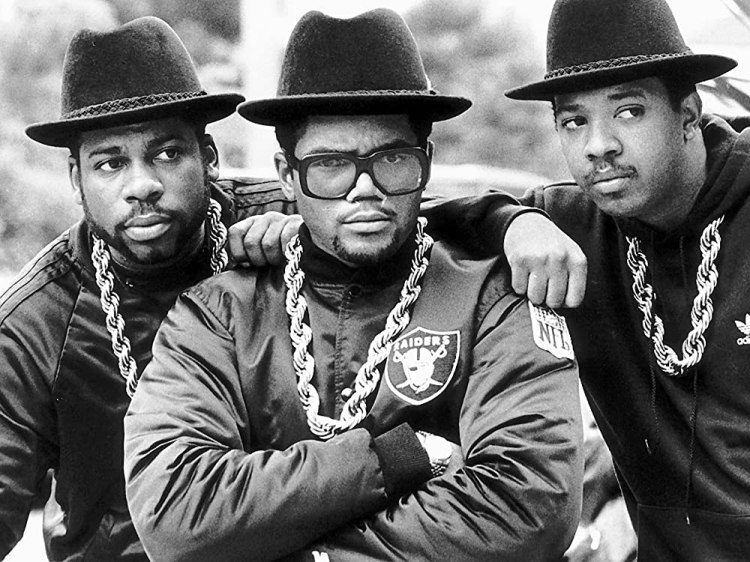
2/14/18 – The same year Bill Clinton apologized for the #TuskegeeExperiment , #PeteRockAndCLSmooth would be featured with this group on “Down with the King”. #RunDMC got into the early discussion surrounding hip hop’s intersection with politics. Being a black rap group back in the 80s meant versatility – being able to become multiple genres of music to appease a wider group. Run DMC had the rock element to their rap music so their appeal was widely felt. This also meant their political message would reach a wider audience. Prior to Run DMC no black artist had their videos shown on #mTV. Their ability to take hip hop culture and present it to the American public was what landed them in the #RockAndRollHallofFame. A few of their songs talked about the violence in their hometown of Hollis, Queens an the event poverty was having over the black youth’s education. They encouraged their listeners to get college degrees and give back to their communities. #JamMasterJay, their DJ was later shot and killed at his own studio just outside of Hollis in 2002. Since then both Run and DMC have dedicated their time to activism and spreading the word they did so well back in the 80s and 90s. #BlackHistoryMonth #BlackExcellence #Adidas
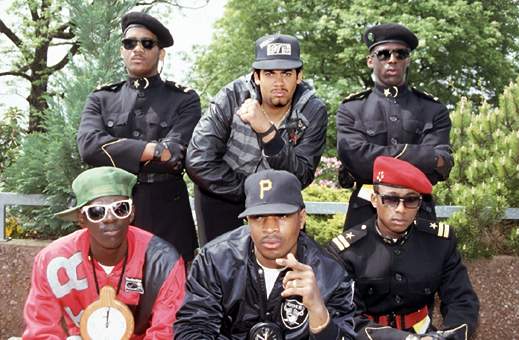
2/21/18 – First, apologies for the break in the action. Posting everyday is actually difficult! But, let’s continue with the result of #RunDMC‘s groundbreaking social activist work leading to a group to be formed solely focused on activism. #PublicEnemy is more than #ChuckD and #FlavorFlav, Professor Griff, Terminator X, and the S1Ws were all apart of a group determined to make the world know of the frustrations of the Black community. They enforced social and political consciousness among their listeners and stayed on the government’s radar because of it. Controversy surrounded them often as multiple politicians considered their music anti-American and anti-semetic (Professor Griff sides with Palestine in the Israeli-Palestine conflict) and as a result, Mtv banned most of Public Enemy’s music videos. Part of Public Enemy’s appeal was that they would not censor themselves to make others feel comfortable. That sense of pride would immediately be felt in the black community and #NWA cites Public Enemy as an influence. Their socio-political activism would inspire many and land them in the #RockAndRollHallofFame next to Run DMC #BlackExcellence #BlackHistoryMonth #Rap #Activism
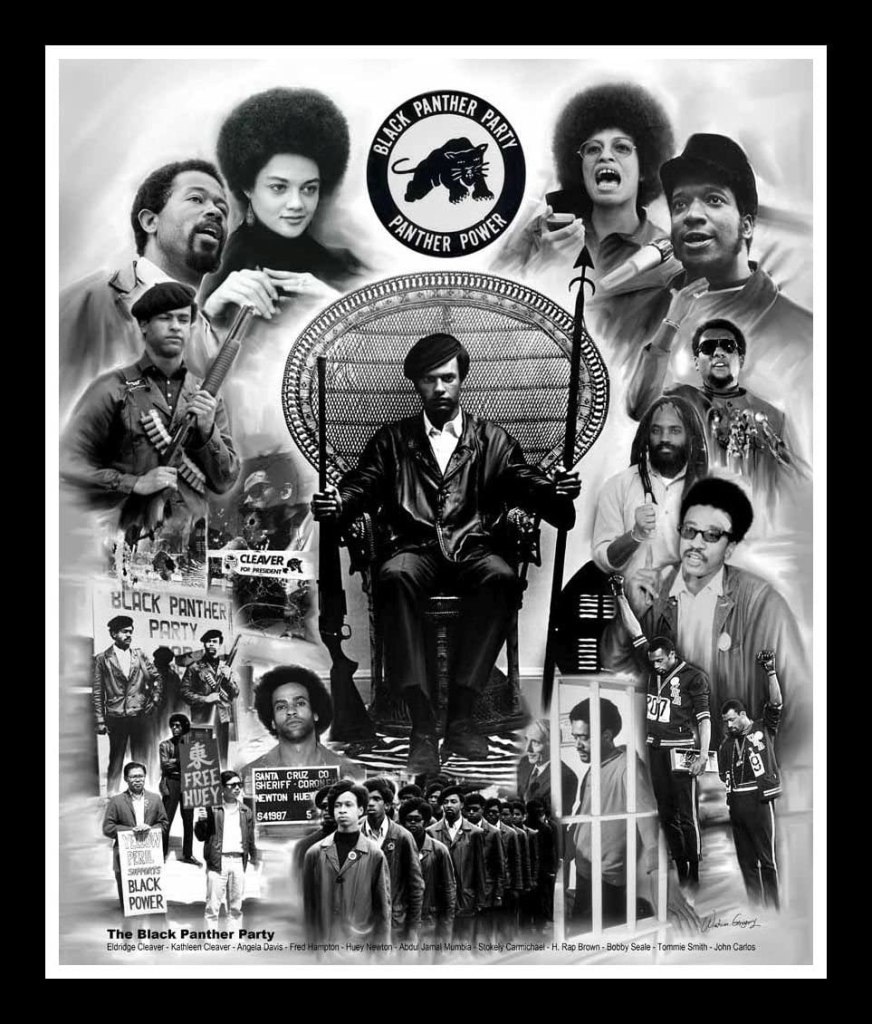
3/23/18 – I must finish what I started in February. #BlackHistoryMonth will just become #BlackHistory since posting everyday can get difficult when you have to work. #ButIGotTimeToday. * Picking up with #PublicEnemy‘s greatest influence on their music, the #BlackPantherParty was founded by #HueyNewton and #BobbySeale in 1966 as a direct response to Oakland PD’s policing tactics in the black communities. It’s core belief was arming the citizens to “police the police”. Self-defense was the primary goal but community outreach was the platform the built off of. A number of programs focused on educating the black communities about housing, jobs, and even health (BPP created the first Free Breakfast for Children programs). However, when “defense” is your objective, it will land you in the crosshairs. The Ten-Point Program (you should research this) was the basis of the Panther Party but their open-carry/disposition is often what they are remembered for. J. Edgar Hoover made it a priority to dismantle the “The greatest threat to the internal security of the country”. He succeeded largely through arrests, murders, and framings of some of BPP’s prominent members. By the late 1970s the damage had been done and the infighting was enough to break apart the BPP.
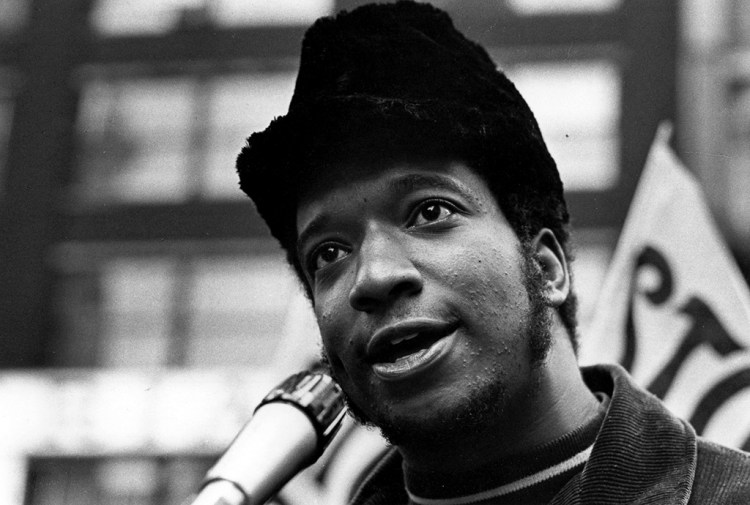
3/23/18 – To truly understand Hoover and the FBI’s reach on the #BPP, #FredHampton‘s story is worth discussing. Hampton was 18 when he joined the #BPP with the sole purpose of bringing his Chicago community together. Primarily known for his public speaking abilities, Hampton was a fresh face looking to unite the black community. Because of his notoriety, Hoover would have no problem keeping him on the radar. The Chicago office used a man named William O’Neal – whom they had arrested for car theft and impersonating an officer. He would infiltrate the BPP in exchange for having his charges dropped. O’Neal would eventually become Hampton’s bodyguard. Hampton would continue to work towards joining the gangs of Chicago together with the BPP. Using O’Neal, the FBI learned everything about Hampton. They paired with Cook County to produce a warrant to raid the Hampton residence. In December 1969, Hampton was drugged by O’Neal and later shot dead, next to his pregnant wife, police during the raid. Hampton was 21. In total, the police fired 90-99 shots during the raid. Any Panthers who lived were charged with aggravated assault, attempted murder, and weapons charges (all charges later dropped). Police tried to describe the raid as a “shootout” but later retracted the claim when newspapers began to question the methods and the crime scene left behind. Though there was plenty of speculation, the jury ruled Hampton’s murder as a justifiable homicide. William O’Neal, the FBI’s infiltrator would later commit suicide. Hampton’s entire legacy cannot fit in this IG post but I think it’s important to learn about who he was, largely because it examines the FBI’s reach and the US’s struggle with race relations. #BlackExcellence #BlackHistory
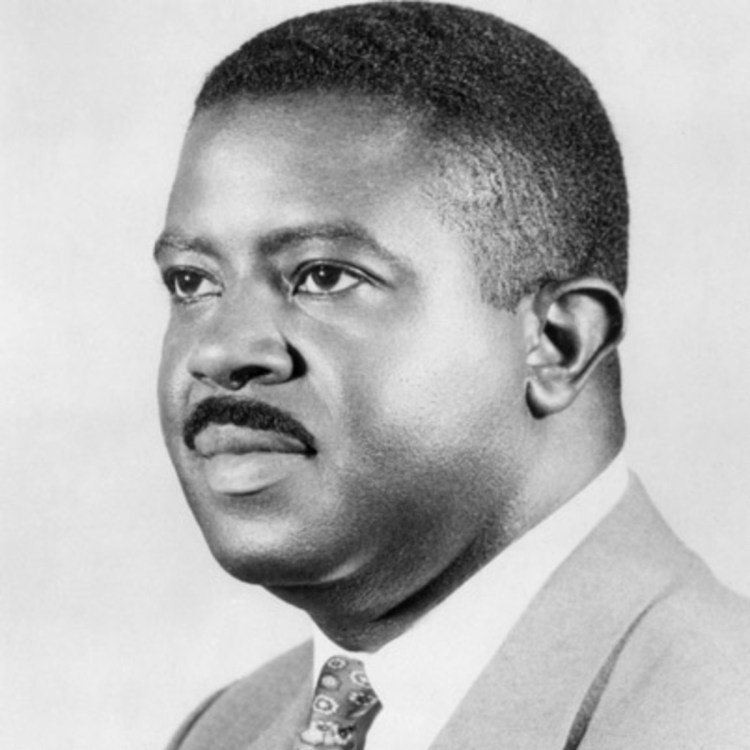
3/23/18 – Delivering #FredHampton‘s eulogy, #RalphAbernathy was the president of the #SCLC after #MLK was assassinated. His name is not mentioned as much as King’s despite co-founding the SCLC as well as organizing the Montgomery Bus Boycott with MLK. His life, independent of MLK, was also steeped in civil service. Abernathy was born in Alabama in 1926 and was the 10th of 12 children. His father was the first African-American to vote and serve on a grand jury in Marengo County, AL. Abernathy believed in taking risks and transparency. He enlisted in the military briefly for WWII and went to school using the GI Bill. He eventually became a pastor in Montgomery and joined the city’s #NAACP chapter. He would meet MLK in 1954 and helped organize the bus boycotts a year later. Over the following years, Abernathy and King would remain close and organize many demonstrations and protests together. In April 1968, when MLK was shot, Abernathy was just inside the hotel room and ran out to hold King in his arms. Abernathy became the SCLC’s leader shortly after. He laid his friend to rest and continued the strike that brought them down to Tennessee in the first place. He would lead the Poor People’s Campaign, negotiate a peace settlement between the government and the Leaders of the American Indian Movement (worth a read!). In 1989, in his autobiography, Abernathy tried to remain transparent and talk about how he and King were not perfect. Abernathy spoke about King’s infidelity and was subsequently ostracized for his comments. He would die in 1990 from heart complications. To sum up his tireless work in civil rights, on his tombstone, the words “I Tried” are written. #BlackExcellence #BlackHistory
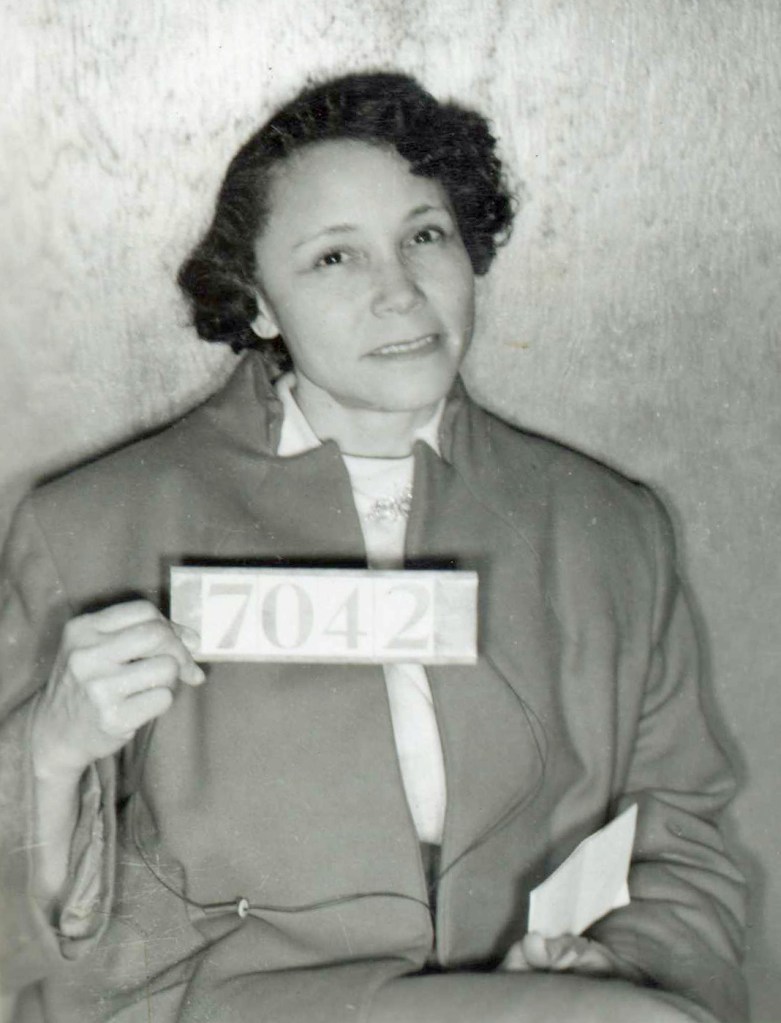
3/23/18 – #TheMontgomeryBusBoycott often brings up images of #RosaParks, #MLK, and even #ClaudetteColvin for the people that have done their homework. But when #RalphAbernathy and King collaborated to create the bus boycott, their idea was born out of a woman who had experienced the same fate before Rosa and Claudette. #JoAnnGibson was the literal boots on the ground with Abernathy passing out flyers to boycott around Montgomery. Born in Georgia, she attended college and completed a master’s to become a public school teacher. She eventually took a position at Alabama State College where she would join the Women’s Political Council. In 1949, she was berated for sitting in the Whites Only section of the bus. Trying to create a movement to boycott, she was told by the council that her experience was “the norm in Montgomery”. She eventually took over as president of the council in 1950 and turned their focus on the many abuses the bus companies were committing. Using the momentum of the Brown v Board ruling as well as Rosa Park’s arrest, Gibson had enough steam to get the boycotts running. She created the pamphlets (~52K!) and passed them out with the help of other ministers, reverends, even her own students. The boycott was successful but her safety was now at risk. She had to leave her job in Montgomery due to intimidation and taught at Grambling in Louisiana. She would later move to Los Angeles and taught until 1976. She would continue her activism in LA until her death in 1992. As a teacher she’s an inspiration to me, personally. She’s an excellent example of #NeverthelessShePersisted movement. #BlackHistory #BlackExcellence
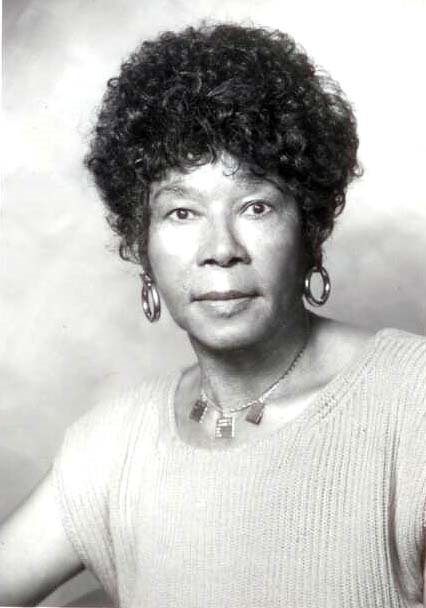
3/23/18 – #JoAnnGibson‘s work with the Women’s Political Council would pave the way for Montgomery’s #BusBoycotts. It’s worth mentioning the #WomensPoliticalCouncil on their own post simply because it shows how important representation is. To be black in the segregation era was one thing, to be those things in the South was an added factor. But to be all those things AND a woman during this time was unduly stressful. Despite the risks, black women still needed their voice to be heard and #MaryFairBurks took it upon herself to use her influence to create the WPC. Inspired by the many other groups for black women looking to get involved in activism (#NACW was covered in an earlier post), Burks wanted to create a platform that allowed women to access the resources needed to promote change. Public spaces as well as the people needed to fill them were hard to come by for black women especially. They were breaking so many molds society had built for them by wanting to speak. The WPC’s primary focus was the a Montgomery Bus Company’s abuses in the 1950s when Gibson became president. Their success was also the downfall. Many their members were fired for their involvement in the Civil Rights Movement and they were also intimated to leave Montgomery altogether. Many of the members continued their work in their respective cities but it showed that the risk is real for those that want to speak out but it never stopped them from being heard. #BlackHistory #BlackExcellence
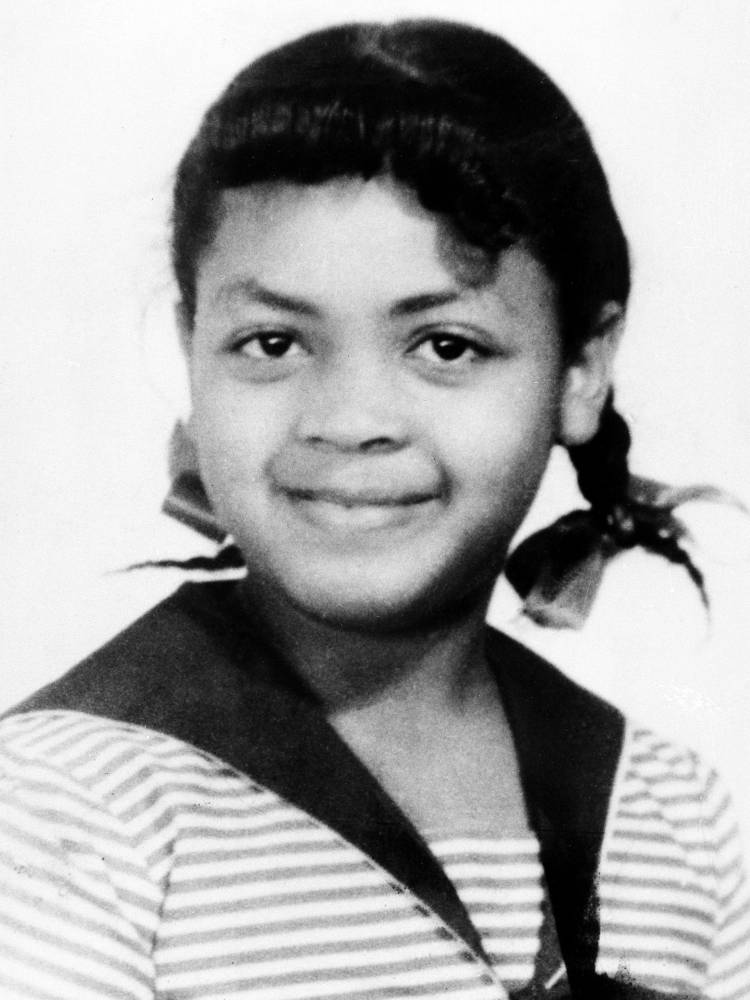
3/27/18 – The big reason #MaryFairBurks and #JoAnnGibson‘s activism gained momentum in Mississippi was due to this little activist here. #LindaBrown (Rest in Peace) grew up in Topeka, Kansas in the #JimCrow era. There was an elementary school 4 blocks away from her house but that was an all-white school so she was forced to walk about a mile to a bus stop that would take her to a black school. The #NAACP reached out to the Brown family about trying to enroll in a white school with the knowledge that they would be turned away. The efforts by #ClydeKennard #MedgarEvers and #JamesMeredith were beginning to gain steam and the NAACP realized it could file a civil suit with the knowledge that Linda Brown was walking to a school with less resources than the school around the corner from her simply due to her color. Because her last name was the first alphabetically of the 13 families the NAACP contacted, her name would be the title of case vs the Board of Education. By the time the court ruled in favor of Brown, Linda was in junior high. She would become an activist in the 70s when she noticed the Kansas City schools weren’t actually desegregated. She reopened the case with the #ACLU and won in 1993 (justice cannot happen overnight I suppose). This led to 3 new schools being built in the city. Brown was a humble woman, never wanting the “Civil Rights Leader” moniker. She believed that everyone should want to fight for equality and equity. She was a true leader and a part of an enormous chapter in #AmericanHistory #RIP #BlackHistory #BrownvBoardOfEducation

3/30/18 – #LindaBrown‘s case was led by this man who would become the first African-American to serve on the Supreme Court in 1967. #ThurgoodMarshall was born in 1908 in Baltimore and graduated from the Howard University School of Law in 1933. He would practice privately before founding the #NAACP Legal Defense and Educational Fund. From there, get would go on to argue (and win) cases involving #VotingRights (Smith v Allwright), housing discrimination (Shelley v Kraemer) and most notably school desegregation (Brown v Board) and the Montgomery Bus Boycott (Browder v Gayle). He would win 29 Supreme Court cases, all relating to civil rights before he was appointed to the Supreme Court by Lyndon B Johnson. It’s important to note some of the cases he worked on. While desegregation was a primary goal, his work with uncovering numerous voting discrimination tactics and even police interrogation techniques (Chambers v Florida) showed that he was looking to create an equal and equitable country. He truly was trying to make America great. He would pass away in 1993. #BlackExcellence #BlackHistory
2019
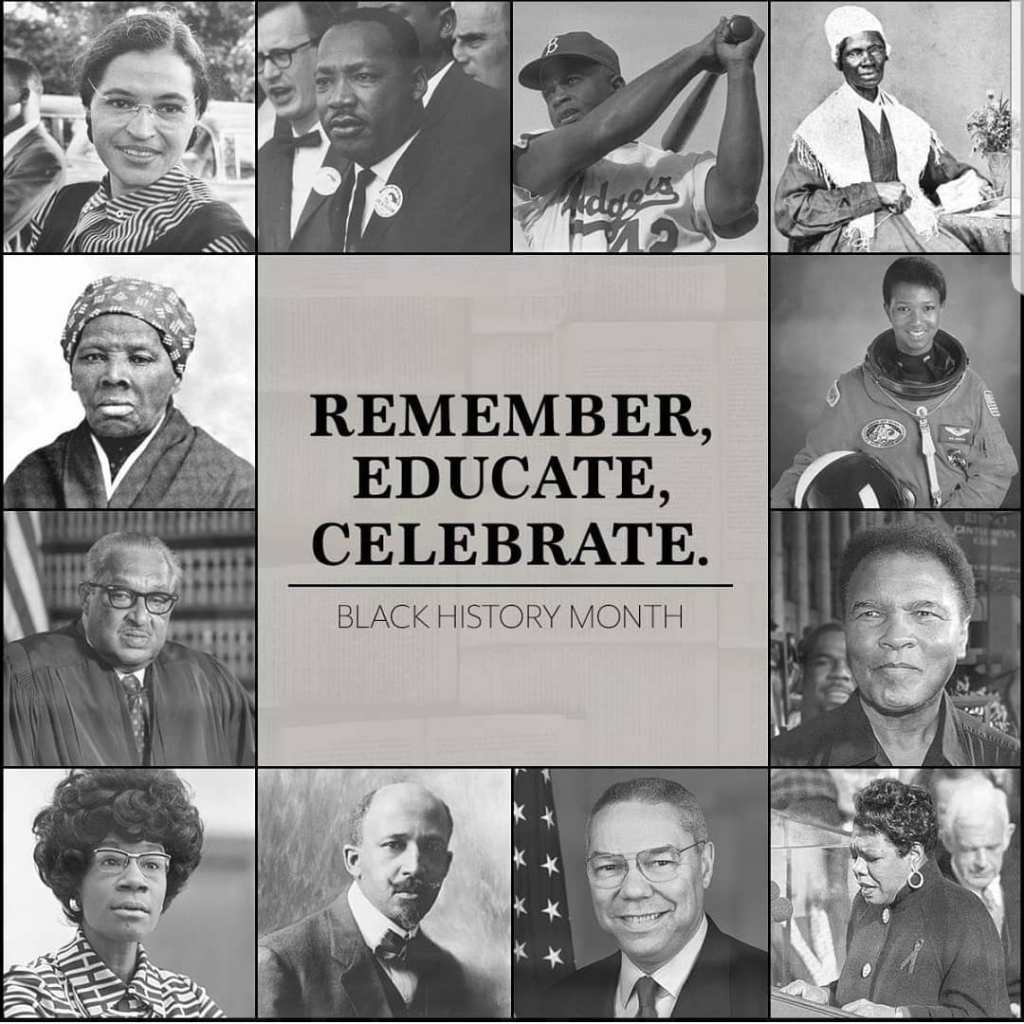
2/1/19 – It’s that time again! Black History Month is a great time to celebrate and retrace the history of Black people -primarily those from the United States. ❤️🖤💚 . Last year I focused a lot of lesser known people of the contemporary Civil Rights movement. This year I plan to focus on larger events that may have gone unnoticed by your standard textbook. In doing so, I hope to not only teach myself and others but link our future to our past. ❤️🖤💚 . So sit back and relax as we kick off a month-long history lesson! See you tomorrow! #BlackHistoryMonth #AmericanHistory #EducateAndCelebrate #Education #BlackExcellence #RootsRugby . ❤️🖤💚

2/2/19 – Often times, 1619 is brought up as the first recorded year slavery showed up in America. I’m here to tell you the history extends further than that. Sir Francis Drake brought slave labor to Roanoke Island back in 1586 as a last ditch effort to save the settlers from famine but also to help fight against the neighboring Indian tribe. . . . 1619 is generally chosen because we get an English retelling of the story but it should be understood that slaves existed prior and like everything commercial, the business needed to be fought over. The Spanish, Portuguese, Dutch, French, and English played a large part in the Transatlantic Trade. Somewhere close to 500k African bodies had touched the American shores prior to 1619. . . . It should be noted that some of these posts may make you uncomfortable and that is completely fine! We’re all going to lean into the discomfort a bit this month to see if we can #UnlearnHistory to shine the lights in the corners and reveal more about America as well as its Black people. It will be an enjoyable connection to make! #RootsRugbyFamily #BlackHistoryMonth #BlackCulture #SirFrancisDrake #SlaveTrade #1619
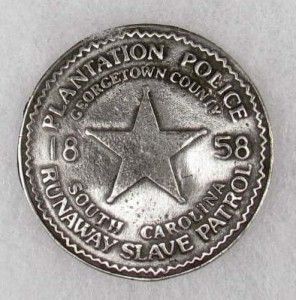
2/3/19 – You ever wonder how the police came into existence? Since slavery was a business, it was important to manage the labor associated. Volunteers would sign up to become Night Watchmen and work under the premise that any black persons seen were trying to escape. It was a cut and dry method of ensuring all slaves stayed where they were. . The most interesting aspect, I felt, was that the patrols needed to be on horseback – not because it was easier but because of the hierarchy that it symbolized. No Black man could look down upon a White man on horseback. Furthermore, the objective of the patrols were to protect the property. Because of slaves being seen at property, this was all for their own good. . Overall, when we examine the roots of the police juxtaposed to the relationship with the various African American communities today, we should be mindful of how far the relationship has come; or hasn’t for that matter. #RootsRugbyFamily #BlackHistoryMonth #Police #Slavery
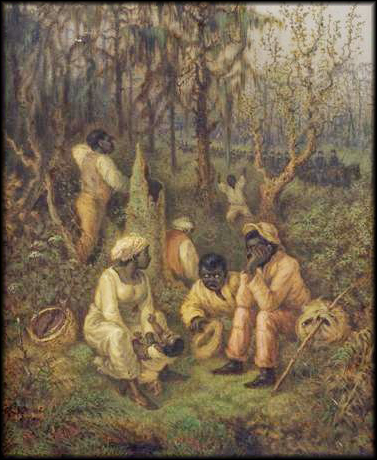
2/4/19 – If you managed to escape the plantation in colonial times, heading north was not always the easiest, or best option. Some escaped slaves would band together and hide in seclusion. These reclusive communities were often called Maroon societies. The Caribbean and parts of Central and South America had already seen these communities where Blacks created entire communities complete with shops, houses and defenses to combat the plantation owners. . . Many times, the fugitive slaves would bring their communities together with the indigenous people in the area as a way to learn more about the land and protect one another from slave catchers and soldiers. This also created a new and distinct Creole population. . . Probably the most famous was Negro Fort. This would house many escaped slaves. Because of its location in Spanish Florida, this provided the necessary protection for any slaves looking for freedom. The British would have the Blacks fight alongside them in the War of 1812. Eventually, General Andrew Jackson would fire a cannonball into the fort, killing all within during his conquest to expand the US. Definitely worth reading more on. #RootsRugbyFamily #WarOf1812 #MaroonSocieties #RunawaySlaves #ColonialAmerica #Creole #South #BlackHistoryMonth
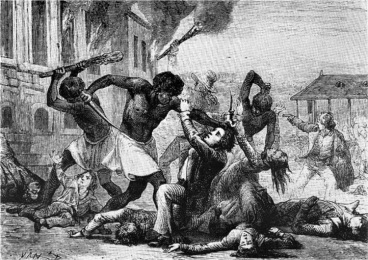
2/5/19 – While we’re milling about in Colonial America, let’s take a look at arguably one of these most pivotal events in America’s history involving slavery. #TheStonoRebellion was a slave rebellion that happened in September 1739. It would be the largest slave rebellion in the British colonies with close to 75 people being killed in the uprising. . . Jemmy was a literate Kongolese native that was captured by the Portuguese and brought over to the Americas. Leading roughly 20 other enslaved Africans, Jemmy marched down a road near Stono River and shouted “Liberty!”. They would begin to make their way to Spanish Florida – a refuge for escaped slaves. They would build their numbers to about 80 before heading into battle with neighboring slaveholders and plantation owners. . . The result was bloody, 28 white men had died (unheard of when it came to battles) and about 47 slaves were killed. The aftermath saw the passing of the #NegroActof1740 – prohibiting all black slaves from congregating, selling and earning money, as well as learning to read. It also created the idea that importing slaves was too risky and was better to have them be born in the US. It also prevented slaves from being voluntarily set free (manumissions). It required legislative approval. This act would spread throughout the South. #SlaveRebellion #BlackHistoryMonth #RootsRugbyFamily
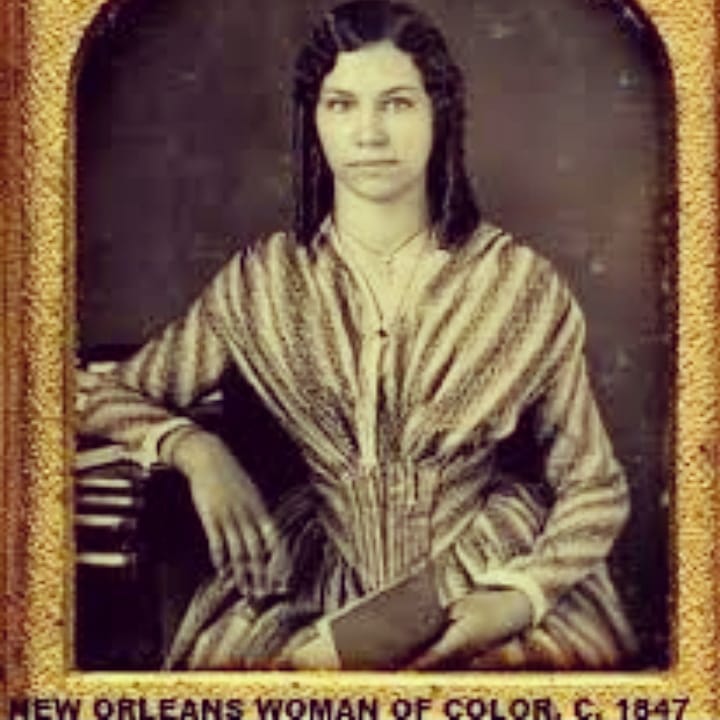
2/6/19 – I would be interested to know what catches your eye first? Her skin? Hair? Age? We are fully aware slavery’s human trafficking element however one should dive deeper into the #FancyGirls area of #slavery. The aspect of sexual slavery was prevalent in most of the South and served as an economic booster to many of the southern cities that were often too populous for field slavery to have an effect. Many of these women were African but the twist is what happens when the biracial child is born and grows up. . . There were men that would buy slaves for the specific reason of sex or making the slave one of his wives. But the offspring from these interracial marriages posed both an opportunity and a problem for #Antebellum South. Because of the complexion of the child could be anywhere from fair to dark, their life rested with the color of their skin from birth. A fair-skinned child may have the life of a standard White person in the South but because human trafficking was such a profit, they may be sold into prostitution as early as 7. Their skin tone was a rarity and therefore expensive. This would lead to darker-skinned White women being kidnapped and sold into prostitution slavery as well. . . This was prevalent in New Orleans and the men (and even some women) who engaged in this area of trafficking were seen as “elite, free from public scorn”. They could field multiple wives and escape judgement. The Fancy Girls was the name given to the “Elite” slaves of prostitution, though there was nothing elite about it. #MeToo #Women #BlackHistoryMonth #Awareness #RootsRugbyFamily
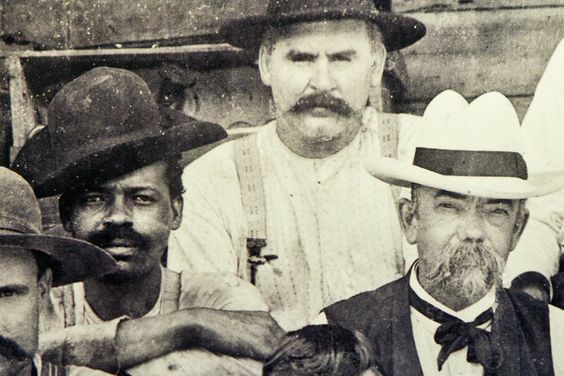
2/7/19 – The Black man on the left of the photo is a man named #GeorgeGreen. George was the son of a man named #NearestGreen. Nearest was a slave on a farm in Tennessee since birth. He worked as a distiller there. He was so good at his work that when the #EmancipationProclamation was enacted and he was free to leave, the man sitting to George’s left immediately employed Nearest to teach him his craft. Nearest’s technique would revolutionize the company’s product and pave the way for many other American distilleries. Nearest Green was so good at his job that they named him the company’s first master distiller. The man sitting next to George is named #JackDaniels and it’s no secret what his company’s name was. Until 1967, the company did not recognize Green publicly. Seven generations of Nearest Green’s lineage worked for Jack Daniel’s. Nearest’s story is a great example of what can happen when one doesn’t want to tell their full story. Thanks to the investigative work of an author named #FawnWeaver, his story can be told and his legacy can live on. #TennesseeWhiskey #Slavery #RugbyRootsFamily #FromSlaveToMaster #BlackHistoryMonth
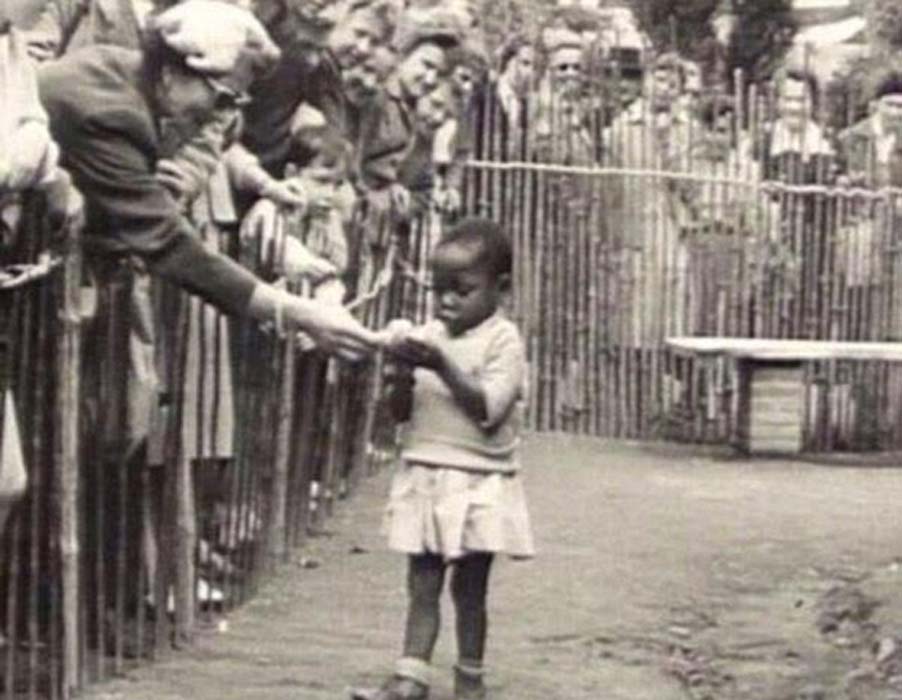
2/8/19 – If you grew up in a city, there was a chance you wouldn’t have seen a slave or any person of color for that matter. The stories you would generally hear would be ones of savagery – beasts prone to violent outbursts and should contained. If you wanted to see these people without threatening your safety, you could visit a #HumanZoo. . . Human Zoos were a popular attraction throughout the US and Western Europe. Often times, they would take Native Americans, tribesmen from African countries, and indigenous peoples from Central and South America and put them on display alongside animals. #OtaBenga was an attraction at the #BronxZoo in 1905. To put that in perspective, #WEBDuBois started campaigning to create the #NAACP about 4 years later. Another famous Human Zoo attraction was #SarahBaartman and is worth reading about if you have time. . . Overall, Human Zoos existed until the 1950s believing it showed “Culture in its rawest form”. The irony here that true culture existed inside the exhibit and the name “Human Zoo” was oxymoronic at best. Benga’s story is worth examining as well, but it’ll be a rabbit hole. #BlackHistoryMonth #RootsRugbyFamily #HottentotVenus #AmericanHistory
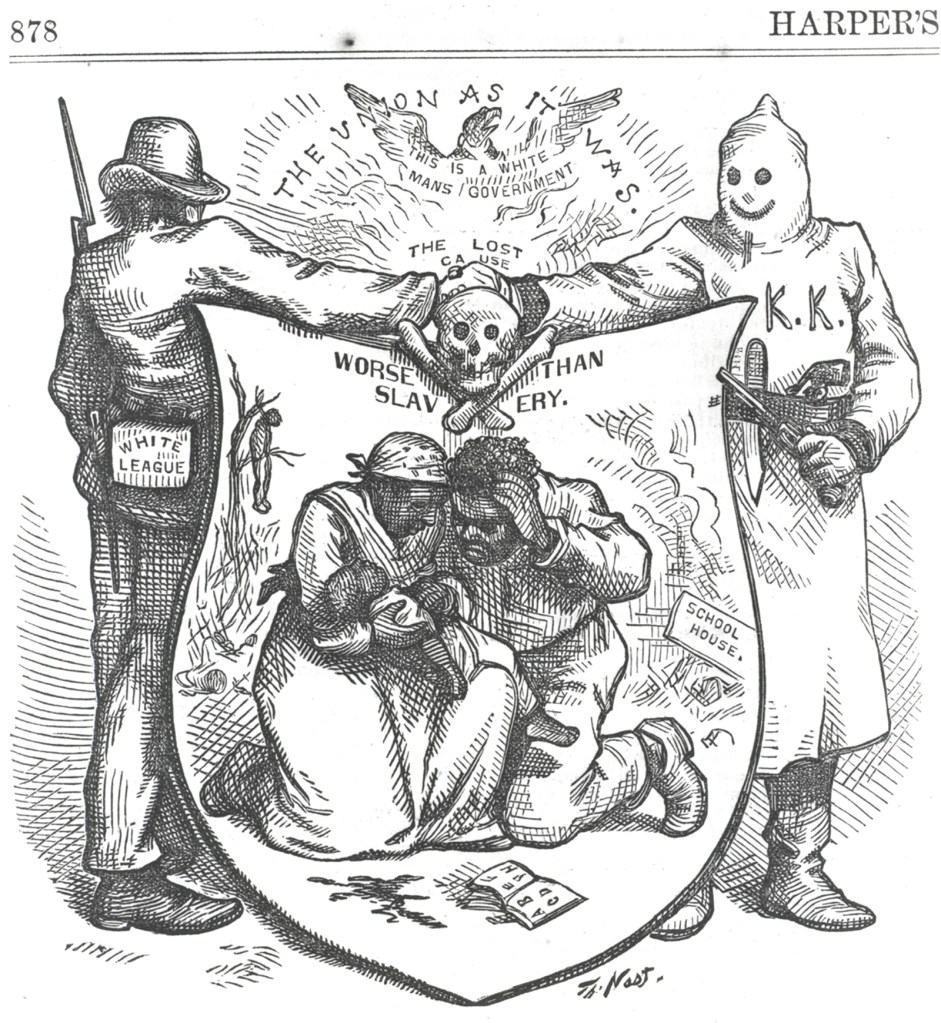
2/9/19 – It was 1874 when Thomas Nast (artist of this cartoon) noticed that the effects of the #CivilWar were still affecting one particular group of people. So let’s roleplay. You’re the South, you just lost the war and now some 4 million black slaves are set to be free. You are now required to pay your workforce and there’s the real possibility you could be competing against those same farmhands that worked for you. Do you just say, “Screw it, I’ll pull myself up by my bootstraps” and make it work? Of course not. . . #BlackCodes . . The Black Codes will keep you in business. With the Black Codes, Blacks had to have papers that proved they were working for someone. If they didn’t, they were sent to prison and had to work off their sentence. If they were caught “Mishandling money, not speaking correctly, or neglecting their family” they were subject to beatings, arrest, and subsequent slave labor as a punishment. The Black Codes were purposely vague so that all black persons were subject to “investigative searches” (this should sound familiar to our #StopAndFrisk crew). Even some bordering northern states (#Ohio, #Indiana, #Illinois) participated in the Black Codes. When we’re these codes considered unconstitutional? 1964. Although, some states merely changed their wording to avoid falling under the umbrella (Florida, Alabama, Mississippi). We all have a friend that says “Black people have been free since 1865”. Point them in the direction of post Civil war and see what does #Freedom really look like. #BlackHistoryMonth #RootsRugbyFamily #CivilWar #Reconstruction
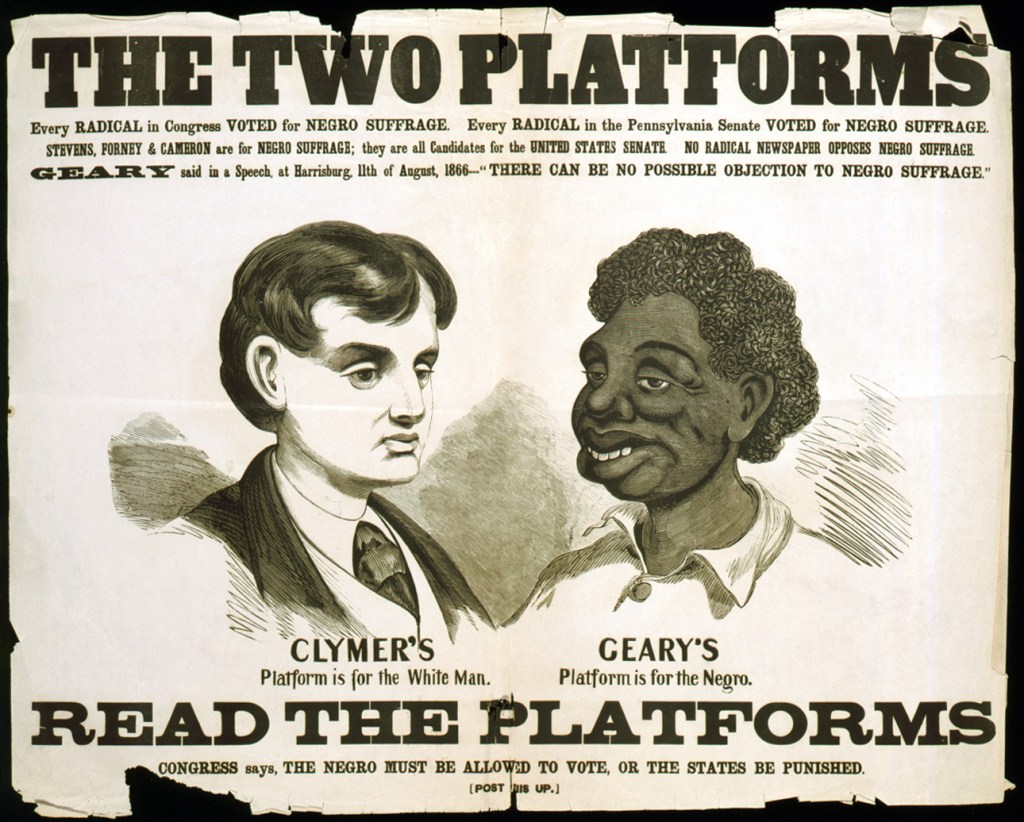
2/10/19 – #BlackCodes pt 2. In order to truly understand what #InstitutionalRacism looks like, an eye toward what the life of a #FreeNegro looked like from the time period of 1865-1965. #Freedom meant seeing posters like these but not being able to #vote because of #PollTaxes and #LiteracyTests. It also meant that higher-ups could write how to handle your fate into law. In all southern states (the North could not be excluded here however) the free negro was a threat. It was against the law to congregate, be in a jury (unless another black person was on trial), marry a white person, or not have a job… and this was the life of a free man. . . “How come, there weren’t prominent black politicians looking to reverse these codes?” Most of them ran on the platform to abolish #lynching. Their immediate safety was such a concern that they could not focus on the environment surrounding them. #FrederickDouglass had his eyes on the politics but knew safety was paramount. . . The #14thAmendment brought in #BirthrightCitizenship but the Black Codes served as a buffer between the classes of citizens. In many ways a Black citizen was oxymoronic and could not be a respected term by the people of the US. There are some similarities to what we are seeing today with our #Immigration standards but I will leave that for another month. #BlackHistoryMonth #Propaganda #Reconstruction #PostCivilWar #History #USHistory
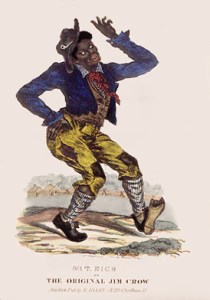
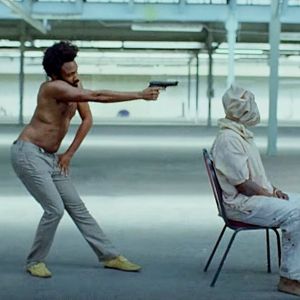
2/11/19 – Given our recent events surrounding #Gucci and #Moncler surrounding #Blackface, I thought this would be the perfect opportunity to unpack its history. Since we are zeroing in on #AfricanAmerican history, we will focus on America’s dealings but it should be noted that this did not originate in America nor is it as frowned upon in other places around the world. . . Back in as early as 1810, actors in blackface came from Britain to perform their shows for American audiences as a way to portray black people given they could not work alongside black people by law. Soon after, American actors would use burnt cork or shoe polish to paint their skin, leaving a large ring around their mouth to accentuate their lips. In just 20 years, it became the most popular way to show black people in America. The hair, the style, and most importantly, the culture was embellished to push stereotypes to the White audiences. A man named #ThomasDRice solidified blackface for what it was in his song #JumpJimCrow (which we will learn more about later). #AfricanAmericanVernacular was a mainstay for blackface and Jim Crow would help solidify #segregation and #discrimination shortly after #Reconstruction. . . #JudyGarland, #ShirleyTemple, #BingCrosby and many other favorite #1930s actors participated in blackface. Given no Blacks generally performed for White audiences, it was seen as an acting challenge to portray as another race. #ChildishGambino posed as #JimCrow in his music video #ThisIsAmerica. Blackface has never been formally addressed by the US government so there’s no law preventing someone to pose as black. However, it shows ignorance and a lack of empathy to the Black culture. #USHistory
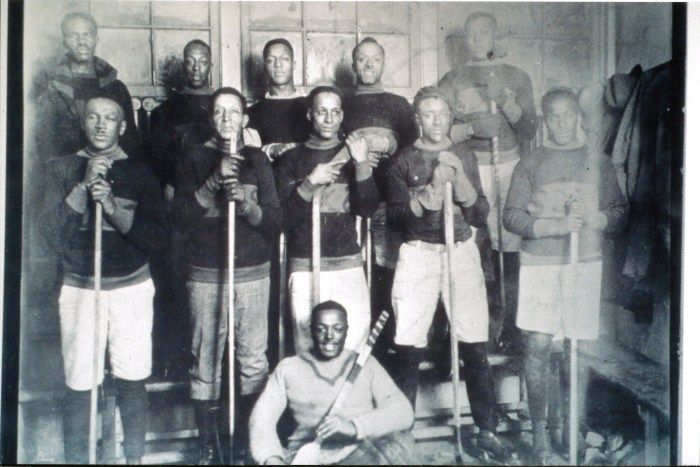
2/12/19 – When history is written by the victors, it can often leave out important and crucial facts. For example, before the “official” first game of #hockey was played, it was actually already happening for African Nova Scotians for decades. They would play one another in their communities and would even play the Native Canadians! An entire Colored Hockey League existed some 22 years before the #NHL did. But where did these players come from? . . In the #WarOf1812 many slaves escaped from their owners. For those that ventured north, the northern states were still too hostile to accept fugitive slaves so they continued even further, eventually settling in Nova Scotia. From there the Africans were able to grow their community without fear of being kidnapped and sent back to the US and most likely, their death. . . By 1895, all-Black hockey teams would compete with one another with a place called #Africville at the top. Their team was competitive enough to be included in the NHL and that proved to get them noticed by all of the wrong people. Africville, whose team funded their city, watched as their city lose all of its services within a decade, eventually being leveled with an explosion. #Hailfax would apologize in 2010 but the damage had been done. The CHL saw a decline in viewership and the NHL would take none of the CHL players despite adapting similar playing styles and strategies. #Africville is a great connection to America’s #BlackHistory but is definitely worth reading about on its own. #BlackHistoryMonth #Canada
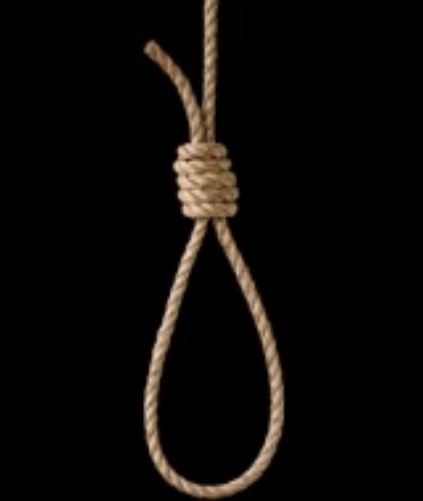
2/13/19 – There probably isn’t a symbol more synonymous with #AmericanTerrorism than the #noose. It is as much a part of #BlackHistory as it is with #AmericanHistory. Distrust for due process and the government led to lynch mobs and extrajudicial killings. Lynching was so popular, in the early 1900s, you could buy a postcard of a lynching at your corner drug store. . . Lynching in America started towards the end of the #RevolutionaryWar as a punishment for Loyalists. Some of these Loyalists were blacks fighting for their freedom. It then became a tool for plantation owners and other Whites to establish social order in America. No race was free from lynchings, any threat to the established order could cost your life. Every new period in American history saw an uptick in lynchings – #Antebellum, #PostCivilWar, #Reconstruction #Disenfranchisement #JimCrow #CivilRights and well into the 1970s and 80s saw lynchings occur as a means to establish and maintain dominance. Of those lynchings 73% were African American. Today it is used as a symbol of intimidation. . . I spared showing the lynchings or the postcards as while it is important to remember the destruction of the Black body in historical context, I think I can trust the reader to research the topic if willing. The noose has always had a political implication during its time here in America. It managed to decrease voter turnout in Southern states by 2.3% during the Reconstruction Period. In 2018 #KamalaHarris #TimScott and #CoryBooker reintroduced a bill making lynching a federal hate crime. It has passed the Senate and awaits a vote from the House of Representatives and a signature from the president to become law. #BlackHistoryMonth
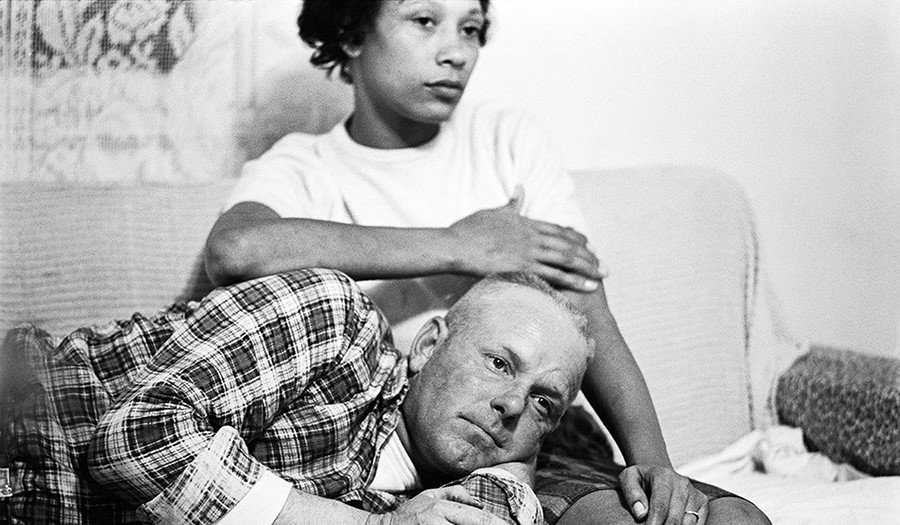
2/14/19 – #History with a #Valentines twist! Before 1967, marriage wasn’t really considered a basic civil right as we see it today. Anti-miscegenation laws meant you couldn’t have an interracial relationship with someone, let alone get married to them. #LovingvStateOfVirginia changed a great deal of that (gay marriage wouldn’t come until 2015). The Loving’s story is known amongst #Interracial couples and family all over the US and I encourage you to read largely how #MildredLoving viewed her racial identity as it deserves its own post but the intricate parts of the ruling are what I’m here to focus on. . . Since #Colonial times, marriage between Whites and Blacks was against the law. Marrying a slave was never legal. This was to avoid graying the area between citizenship, land ownership, and financial concerns. #TheBlackCodes in the South continued to restrict intermarriages after the slaves were freed. This continued well into the 1950s when Mildred and Richard were trying to marry. They traveled to Washington DC in 1958 to avoid Virginia’s #RacialIntegrityAct and married there. Upon returning to the state, police were anonymously tipped about the Loving’s relationship and broke into their house hoping to catch them having sex (interracial sex was also illegal in Virgina). They were both arrested and sentenced to a year in prison as their marriage certificate was not valid in Virginia. The sentence was suspended given if they left Virginia, not to return together for 25 years. The Lovings contacted Robert F Kennedy in 1963 who put them in touch with the #ACLU who would take their case a year later. . . The #SupremeCourt would overturn their convictions on the grounds that anti-miscegenation laws violated the Equal Protection Clause of the 14th Amendment. The court also concluded that the laws were racist and perpetuated white supremacy. Most states converted within the year, #Alabama did not adapt its laws until 2000. It is always interesting to hear #VirginiaIsForLovers despite their past history with the Lovings. #LovingDay is June 12th but why not celebrate it now! Enjoy #VDay and love who you want! It’s legal here! #Love #BlackHistoryMonth
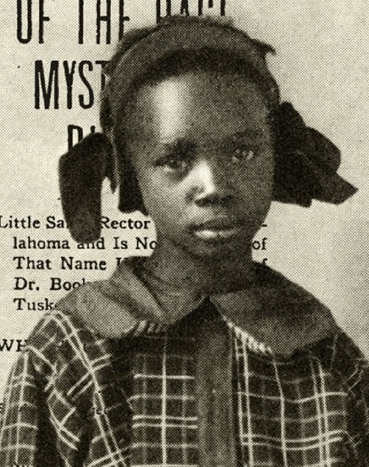
2/15/19 – You are looking at the richest person in America in 1913. #SarahRector was the daughter of freedmen in a predominantly black town of Taft in Oklahoma. Her parents were former slaves of the nearby Creek Indian Tribe and were allotted 160 acres of land once freed. The land actually belonged to Sarah Rector as the Indian territory integrated with the Oklahoma territory. The land given to the #CreekFreedmenMinors was often rocky and infertile, leaving the more desirable farming land for White settlers. Sarah’s land was valued at $567 and her father thought of selling parts of it to help with the $30 property tax but the government wouldn’t allow it. . . An independent oil driller struck figurative gold that brought up to 105k gallons per day. Rector began earning $300 dollars person, the equivalent of almost $8k per day. She became so rich, multiple institutional changes had to happen. First, she was assigned to a “desirable and well-respected White man” to oversee her profits and help her with her new fortune. Second, she was so rich, the government classified her as White so she could use the public services “befitted of her position”. She could ride first class, stay in any hotel, she was a White girl because of the amount of money she had. . . Rector would be sent letters from men everywhere asking for her hand (and her fortune). By 18 she owned a bakery, multiple stocks and bonds, and 2000 acres of land. She would move to Kansas City, MO and become the equivalent of royalty. She would use her chauffeur to drive students to their elementary schools. She would hold dinners and parties with Black leaders from around the nation including musicians like #DukeEllington, #LangstonHughes, and #CivilRights activists like the #NAACP. The Great Depression would see her lose a great deal of her fortune but she was able to live a comfortable life, continuing her chauffeur service for the children until her passing in 1967. The #RectorEstate can still be visited! This story made me think about how when you have enough money, the institution will adapt to you… or make you adapt to it. #BlackHistoryMonth #BlackExcellence
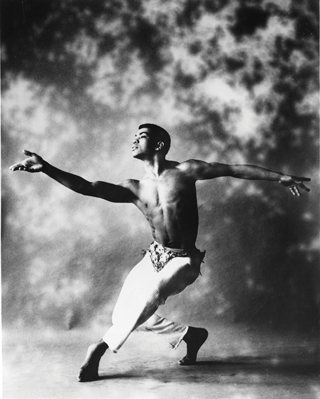
2/16/19 – Given the historical context around #Blackface, #BlackCodes, #JimCrowLaws, Blacks in zoo exhibits, etc., Black people had to figure out a way to constantly reverse their image being presented to the public. This task was difficult given the limited avenues presented to those that wanted to have a legitimate voice for all audiences. #AlvinAiley managed to not only create a space for himself but for so many Black people as well. One of the most influential people of the 20th Century, Ailey looked to shape the perception of the Black body and give agency back to those that had none just decades before. His name has become synonymous with #ModernDance and his influence is still seen today. Ailey didn’t always know dance was his calling. He was actually well-versed in linguistics and languages. A friend of his, #CarmenDeLavallade convinced him to join Horton’s School of Dance. Given the lack of chances for Blacks to be on the same stage as Whites, Ailey needed to comprise a way of reaching all audiences with a Black cast, a rare sight given segregation was still happening in the US. Ailey had to think outside of the box – or in this case, the country. Ailey created the #AlvinAileyAmericanDanceTheatre and began touring around the world, displaying his unique choreography. His company was the first all-Black dance company to have an international tour. Ailey’s #Revelations was first performed in 1960 and was considered a masterpiece. The story surrounded the perseverance and hope for African-Americans’ freedom from slavery. . . Ailey is also a great example of the power of #Intersectionality. As a Black man, his choices seemed extremely limited in what he could do. Black men could act but were rarely seen as professional dancers. His sexuality was never spoken about publicly but his choreography was able to have Ailey explain himself in ways words could not. Aliey battled even with his own people to show that masculinity could be tied to anything you want it to be and not to be limited by the construct of public eye. His paving allowed so many Black men and women to be seen on the international stage and his school is largely successful as a result. #BlackHistory

2/17/19 – With the rise of #JimCrow, segregation saw itself permeate many aspects of America’s different identities. The military has been an identity America has wrestled with. It has seen itself woven into the fabric of the country from day one and is largely its own culture in that respect. America’s military is seen as a symbol of pride, freedom, and toughness, but a hypocrisy as well. #Freedom is subjective – what is freedom to one can be seen as suppression and exclusion to another. Fighting for freedom is a curious concept given not all those fighting have the same liberties. One has put aside their own conflicts in order to think of the greater good. This sacrifice was given in hopes that their initial conflicts be remedied but for those returning from #WWI saw they only upset the social order and would have to continue the fight for their own freedom. . #WorldWarI put the United States in an odd position socially. It was still recovering from its own war and was handling its race issues. Regiments were segregated and most all-Black regiments were relegated to smaller or undesirable jobs. There were no Black pilots in America’s forces. #EugeneBullard was the only Black pilot (@geeranby did a great piece on this!) in the war. With the South heavily restricting jobs for Black Americans, the was a mass exodus to the North in hopes for better opportunities (#TheGreatMigration). The military was an option for Black people to at least fight for the country that was still trying to figure out how to handle their freedom. . When we look at how integrated the military is today in contrast to where it was 100 years ago we see how far it has come, but we are well aware it is not free from criticism. The military is a source of pride and even an identity for some but it requires one to be aware of the dual identities the military posed. #BlackHistoryMonth #USMilitary #Patriot #Patriotism
2/18/19 – For this #PresidentsDay let’s examine the parties as they relate to Black History. It’s been a hot topic but a controversial one because of the potential devisive rhetoric surrounding a predominantly two-party system we work with here in America. The #UsVsThem mentality leaves little room for movement across different political issues but we’re going to lean into the discomfort and hopefully walk away with a better understanding of our political situation. . The #Democrats and #Republicans weren’t always the parties from day one. #Federalists, #Whigs, #FreeSoil and even a #DemocratRepublican party existed. #StatesRights, #Taxation, #Slavery, #Government, and #CivilRights were a few of the topics that split the parties. Slavery and Civil Rights were responsible for at least 2 of the political realignments that happened in American History (Civil War and Civil Rights). With the realignment that happened in the 1960s, Civil Rights were at the center of the #SouthernStrategy with the goal to appeal to the #racism of the South against Blacks – with the reversal of #JimCrow laws saw racial tensions begin to deepen further. Safety, security, and protection became the rhetoric used in the late 60s by the new Republicans to discuss racial topics and states rights. This rhetoric sees itself very present in today’s political culture. . There seems to be evidence of another alignment happening within the past 10 years as #Obama‘s election as proof of a #PostRacial society but seeing the election of #Trump as the reversal of that very statement. It is too early to tell the effects of the election of these two presidents but we are already seeing impact of #SocialMedia‘s impact on perception. The Southern Strategy is an excellent example of how important race has been in American politics and how long its effects can be felt. #BlackHistoryMonth
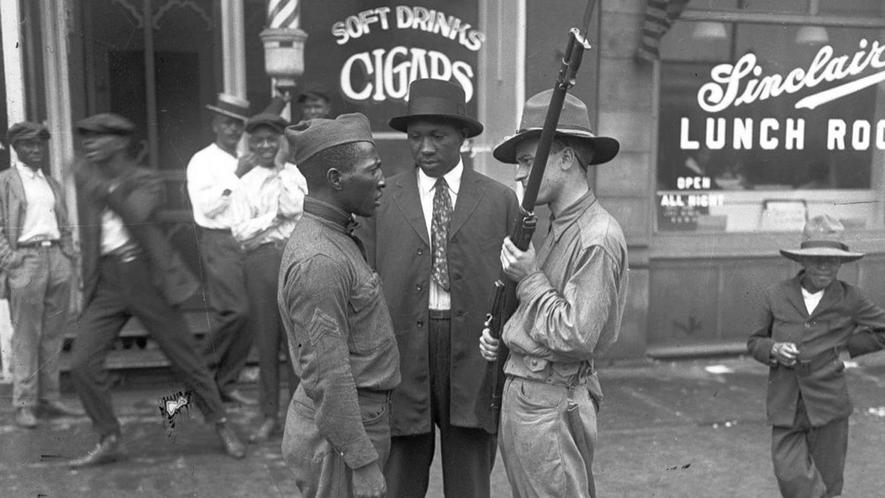
2/19/19 – “I have never advocated for war except as a means of peace. So seek peace but prepare for war.” The combination of #WWI veterans coming back, the loss of jobs mixed with the #GreatMigration of African Americans looking for jobs in the North set the scene for the United States’ own battles in 1919. Black vets, having fought for their country and seeing their own treatment objectively came back to the States with a renewed sense of purpose, confidence, and pride. But the shortage on jobs meant they were competing with White people in a #JimCrowEra country and somebody had to lose out. The result would take nearly 170 lives over the span of 8 months. It would be called #TheRedSummer. . The Black vet posed a new issue to America. He has fought for freedom but is not given the same freedoms on his own soil. Further still, he has not earned the respect to have those freedoms. The Red Summer consisted of racial riots that spanned both the North and South as a means to terrorize and dissuade African Americans from applying to jobs. Some were even hung in their military uniforms as they were “disgracing the country”. What made this slightly different from previous riots was the fact that African Americans were fighting back. Postwar tensions mixed with the ongoing racial tensions meant there was no interaction between Whites and Blacks during the 1919 year – everyone was a suspect to the other. The added factor were the #Bolsheviks. Russia had their own civil war and the fear of a socialist overthrow on the American government raised the tensions even higher. It would be the first #RedScare America would face (We’re currently having one now as well!). . Overall, 38 different riots broke out targeting black businesses, housing neighborhoods, and even churches. Almost all states refused or were unwilling to investigate the mobs – some that even contained military personnel. Probably the worst was in Chicago where #EugeneWilliams swam in the “Whites Only” section of the beach and was stoned and drowned. The Chicago PD did not take action, violence was taken by young Black men. Upwards of 50 people were killed over 4 days. It’s a section of history we would examine closer.
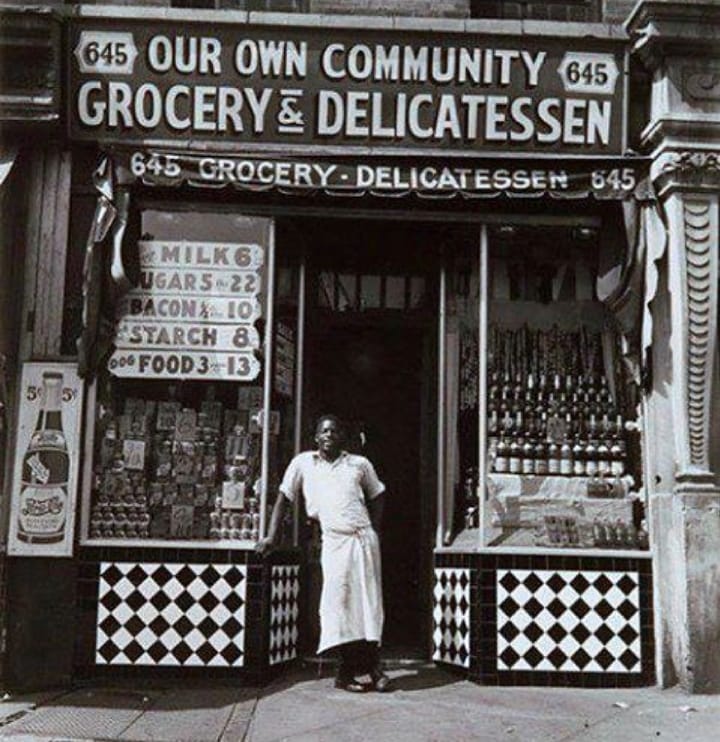
2/20/19 – #BlackBusinesses can be traced back to as early as the 17th century where any freedmen could open small business. In some cases, slaves that worked a trade could create a business of their own or be hired to train others (#NearestGreen). But given the limited scope of what could be accomplished with a business for African Americans, it took a great deal of perseverance and the ability to adapt to, sometimes, unfair rules in order to make the business truly work. . The #JimCrowEra saw a boom in Black entrepreneurship. The segregation laws confined their consumer population and during that time, newspapers, banks, insurance companies, everything was possible with the community becoming so tight. Both Black men and women were finding plenty of success amongst their constituents. Whole communities were producing notable products. Before the 1960s, most national corporations generally ignored the black market, working with black companies or hiring black people for higher positions. #Pepsi broke rank and began to market toward Black people with ads that pictured them as a normal middle class family – a stark contrast to the #UncleBen and #AuntJemima ads that focused on making Black people more palatable to White audiences. Pepsi’s focus helped the perception of many Black businesses as they began to market themselves for White audiences. . Running a business is a difficult venture without the added lens of race. Considering #Integration saw some of the best Black businesses merge or their higher administration hired for White businesses, the goal was to keep the Black dollar in the Black community. Often times one may hear about the the #DoubleDutyDollar that was explained as both helping the business and community. Today, there is an entire database of Black businesses that can be found in the US for practically all of one’s needs in hopes that we can see Black entrepreneurship as a mainstay! #BlackHistoryMonth. Edit: @officialblackwallstreet is a great resource to discover black business in your area! Thanks James for the reminder!)
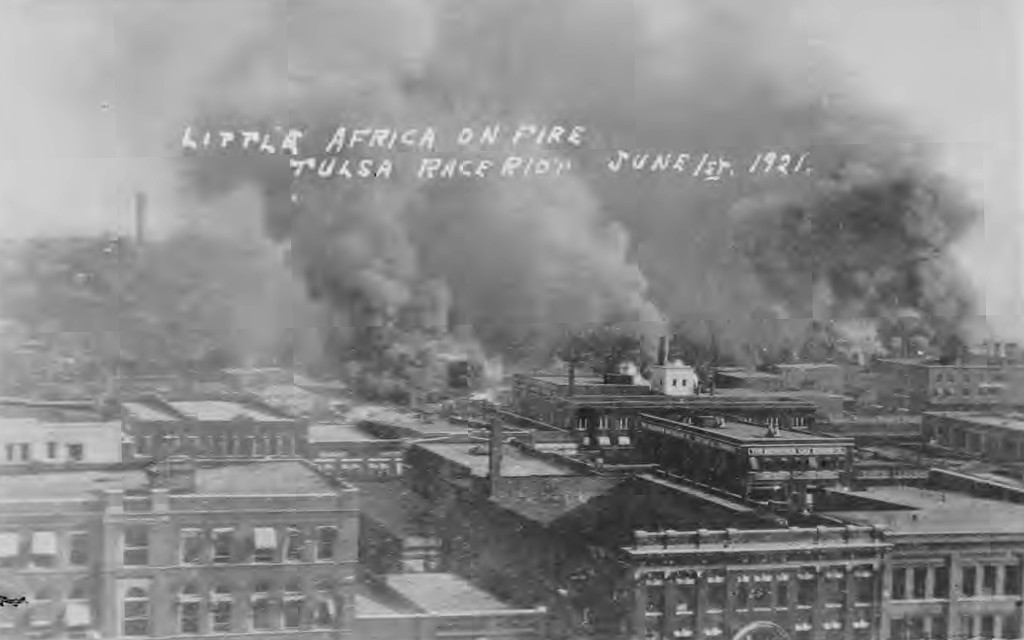
2/21/19 -The underlying problem with #BlackBusinesses were that while it contained its own bustling segregated community, it could also be an easy target for those with other goals. 98 years ago, the first bombs were dropped on American soil, by Americans, against Americans. The #TulsaBombing showed the lengths some would go to do harm to one another. Over 800 people were injured and many died in the attack with 6,000 Black residents were arrested. Following the #RedSummer, it showed America still had not come to grips with its racial problems. . This particular area of Tulsa was perhaps the richest Black community of its time. With the oil business becoming fruitful, many prominent Black families opened businesses and grew exponentially. This 35-block area became known as #LittleAfrica or more popularly, #BlackWallStreet. It was becoming a well-known area and that attention wasn’t always positive. Around #MemorialDay, a Black, 19 year old #DickRowland was accused of sexually assaulting a White, 17 year old Sarah Page. Their interaction broke some of the #BlackCodes already established and led to his arrest. Fearing for his safety, a number of armed Black Americans showed up to the courthouse to defend Rowland from being lynched. What lasted for 2 days would be considered the worst event of racial violence in America. . Bombs were dropped, businesses were destroyed, people were dragged from their homes and beaten. The national guard was brought in but the damage had been done. Black Wall Street had been decimated and Sarah Page didn’t press charges. BUT the most encouraging aspect of this was Black Wall Street’s ability to rebuild. Within a year, most of the businesses and houses were back up. Though it would never be the same again, the energy to move past the attack way admirable. Today, Greenwood, OK is site of the memorial park and by 2001, 80 years later, the city apologized. #BlackHistoryMonth
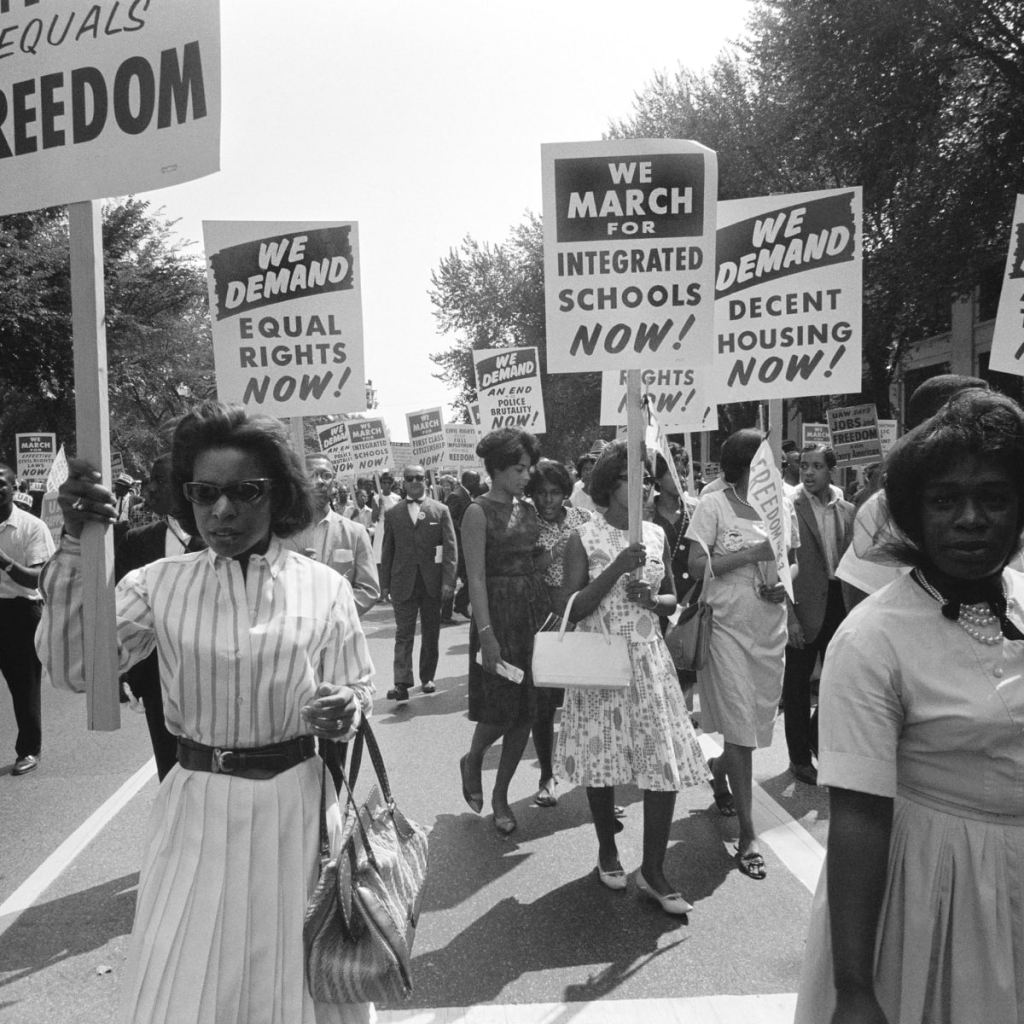
2/22/19 – As I begin to wrap up the historical aspects of #BlackHistoryMonth to focus on our more contemporary history, I thought I could merge the two eras by talking about the effect of media in the #CivilRightsMovement. Before the passing of the Civil Rights Act of 1964, blatant racism had been normalized to the point where segregated societies accepted their divisions. Between the Montgomery Bus Boycott, #FreedomRiders, #Selma, and a great deal of other protests, a large aspect of the movement was perception. Their protests had to happen but also needed to be noted otherwise it would not gain the proper traction. This led to the #SCLC and #SNCC becoming more strategic in their protest planning. The media coverage was displayed in all-white communities as well as internationally. This put America on the international stage in an undesirable light . President Kennedy had inherited decades of racism and a Congress who were adamantly opposed to integration. Even Kennedy himself had reservations of enacting civil rights legislation because it was deemed “too radical” for his first term. They tried a number of ways to prevent the #MarchOnWashington in fear of potential violence and more bad media coverage. Once they realized they could not stop the march, they coopted with the organizers. They needed to control the narrative to a certain degree – particularly #JohnLewis‘ speech. Lewis was with SNCC and his speech had to be vetted as its rhetoric was too critical of the American government and could cause an uprising in the South. Lewis compromised and still said that if the legislation were not passed, the marches would continue through the South. . One piece of this puzzle that isn’t discussed enough is Hoover’s involvement via the #FBI. Hoover’s work with #COINTELPRO started in 1956 as a way to combat communist groups in the US. The Civil Rights Movement qualified as such in Hoover’s eyes and these marches were unamerican by his standards. His wiretapping of prominent Civil Rights leaders was approved by Kennedy because of the blackmail Hoover had as well. Hoover’s intentions of stalling the movements fell short but that didn’t mean COINTELPRO would disappear…

2/23/19 – One of the larger goals of all of these posts is to detect #DirectDiscrimination vs #IndirectDiscrimination. Detecting direct discrimination is a lot easier because it is blatant and is generally more objective. When facing indirect discrimination, it can be tied down in rhetoric (and even laws) and become left up to the perception of the viewer, which can further convolute the situation. . #SenecaVillage of #NYC is a great example of indirect discrimination. In 1825, plots of land had been sold to Black, German and Irish landowners. The population was predominantly Black but the immigrant population were also considered 2nd class citizens at the time. At its peak, Seneca contained nearly 350 people that all owned the land they were living. As it was reaching its heights, plans to create a centralized park in NYC were also happening. #CentralPark‘s location overlapped with the location of Seneca. One had to go. . Petitions were signed, #EminentDomain were declared and the settlers of Seneca were driven out. As NYC saw it, 350 people were a small price to pay for the general population that would enjoy the park. Not to mention, the settlers were given money to settle somewhere else so they should be fine, right? The prominent issue here is being considered 2nd class means places could refuse to sell land to them elsewhere and not be penalized for it. To go further, NYC residents thought they were doing Seneca a favor by “cleaning up that shantytown”. The story of Seneca would not be unveiled until 1998 when a funded project was created to raise awareness. Seneca’s story is great example of how #GreaterGood lawmaking can have adverse effects on marginalized groups. #BlackHistoryMonth
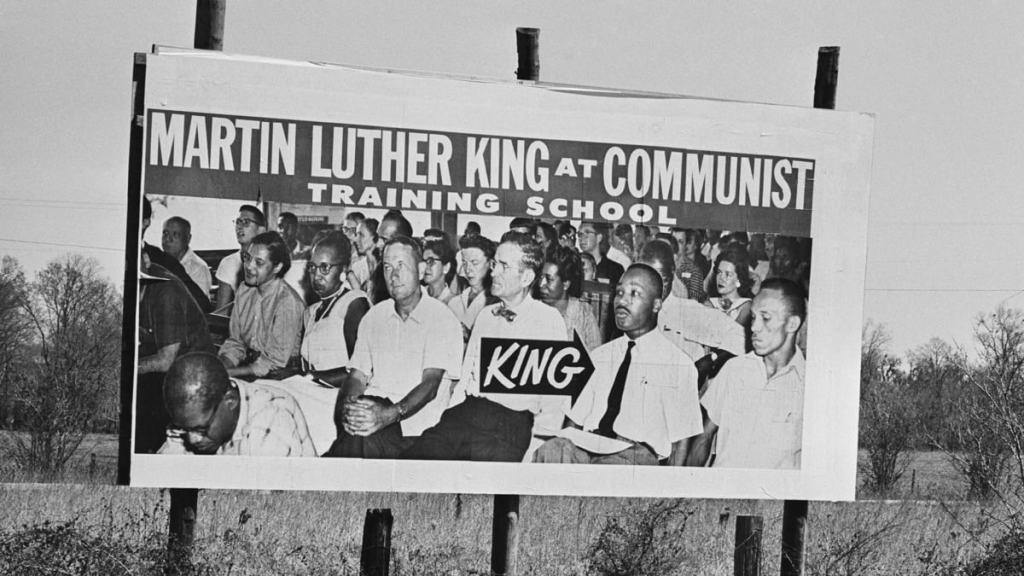
2/24/19 – Though it is #BlackHistoryMonth, we shouldn’t limit our scope to Black leaders that “overcame the odds” to fight for equality, it’s important to examine those “odds” and label the obstacles they posed. #Hoover‘s campaign with the #FBI largely targeted “political” groups with their #COINTELPRO project. Because the word “political” is left up to interpretation, it gave a great deal of freedom to America’s largest surveillance program. The end goal was to stop groups deemed subversive to the US gov’t but its effect resulted in multiple murders, cases of illegal surveillance, and an overall ongoing distrust between the government and the American people. . COINTELPRO was created to gain intel on the Communist Party USA in 1956. If we’re pairing our histories together, #MLK and #RosaParks were well into their #MontgomeryBusBoycott and were beginning to generate a following down south. Within months of King creating the #SCLC, Hoover began to monitor the new group immediately. Tactics included smear campaigns and sowing distrust between members and the community. After the #MarchOnWashington, Hoover deemed MLK the “Most Dangerous Negro”. During this time, the FBI turned their attention to a number of Black groups, eventually going under the name “BLACK HATE”. Black Leaders houses were bugged, they were sent letters telling them to kill themselves, and their groups constantly harassed by police. . #FredHammond‘s fate was a direct result of COINTELPRO’s tactics and one of the contributing factors to the fall of the #BlackPantherParty. Their goals of cutting access to public resources, prevention of organizing protests, and creation of internal conflicts were tactics we still see today. The #CitizensCommission eventually would break into the COINTELPRO’S headquarters and revealed many of their targets (#MuhammedAli even made the cut) and the project’s future plans. Many of the documents uncovered have been entirely redacted but the damage had been done. There has been some speculation that the FBI still monitors prominent Black civil rights groups today, #BlackLivesMatter being one of the prominent ones that has been under scrutiny as well.
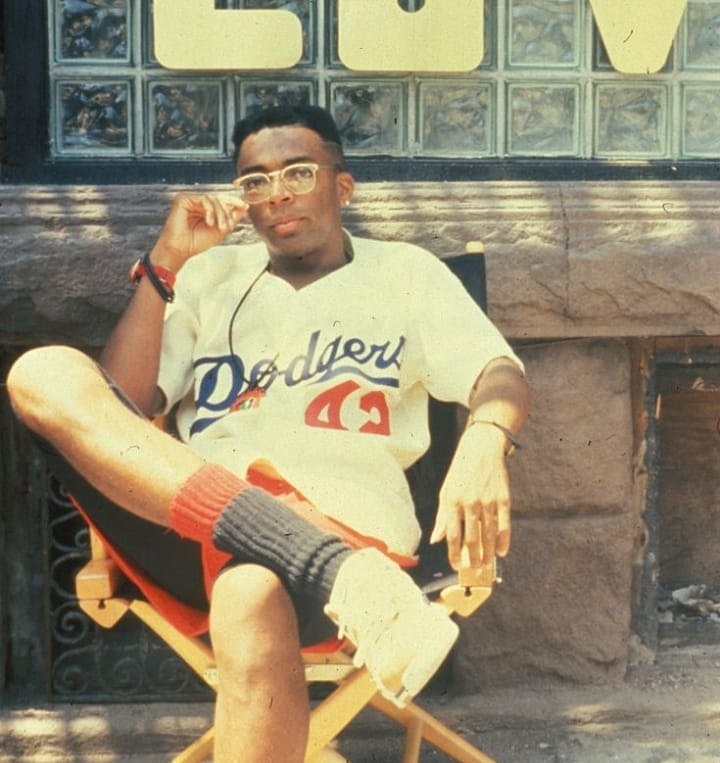
2/25/19 – When #BirthOfANation came out in theaters back in #1915, it’s depictions of African-Americans set the stage for many of the stereotypes we still may see today in films. Because of this, any Black #filmmakers would have to first address the stereotypes from that movie before they could create their own characterizations. Because of segregated theaters, their work could possibly never be seen by White audiences. This largely left the Black community to create their own film industry and reconstruct the narrative that was set against them. #SpikeLee sought not only challenge the numerous age-old stereotypes that have stuck with African-Americans since media existed, but to create an entirely new voice and give that platform to those he felt could tell the best story. . Being considered #controversial can always have its benefits – people will want to know what all the fuss is about. However, when concerning race, there’s a certain amount of hesitation one must proceed by if they wanted to retain the larger audience. Spike Lee, doesn’t care for any of the possibility of negative public perception. When he came out with #SheGottaHaveIt – a movie about a Black woman expressing her sexual freedom, he knew it would provoke a conversation about Black female leads as well as their control over their own sexuality -something still being discussed today. Spike would set the stage (no pun intended) to bring in many uncomfortable social topics and discuss them in public view. . In his #AcademyAward winning movie #TheBlackKklansmen, Spike Lee covered a true story about the infiltration of a Colorado chapter of the #KKK by a Black police officer. Stallworth’s character was complex in that he was sent to spy on his own people’s conferencing with the intention of dismantling them (COINTELPRO’S tactics at play) but ends up learning about a rising KKK chapter in his hometown. Without spoiling the movie, it’s a great discussion about the state of racism in the 70s and 80s and how it manifested post-Civil Rights era. Today we celebrate a person who will be #iconic for generations for all Americans. #BlackHistoryMonth
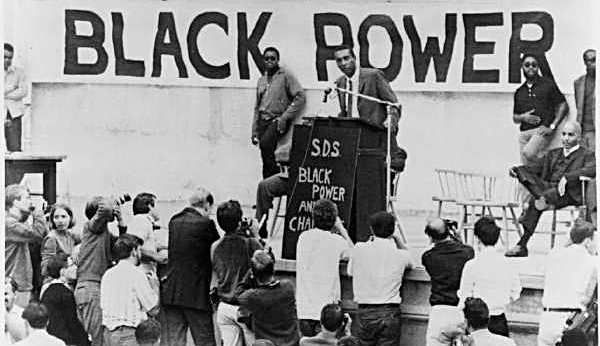
2/26/19 –#StokleyCarmichael or #KwameTure (depending on when you learned about him) was a prominent figure for the #BlackPantherParty. I’ve already began to talk about the #BPP in last year’s post so you wouldn’t have to scroll too far to read up on their impact. The focus today rests with Carmichael and a popular term he coined to explain how the racial landscape would change over the coming decades. #InstitutionalRacism was a term that existed since 1967. Given overt racism was becoming frowned upon and less favored, Carmichael didn’t feel that it would disappear from public view. He realized that there are subtle ways that discriminatory practices can survive through traditions and processes that are generally accepted by the overall population, even by those that are being affected by the practices. This creates an almost unconscious attitude that “this is the way things are and will always be” despite there being proof that it shouldn’t. Carmichael was able to label a term we see affect hundreds of millions of citizens here in America daily. . Institutional racism is a tricky subject because it requires a great deal of research but more importantly, to undo it requires a great deal of manpower and people in the right places to facilitate the said change. IR creates a power dynamic that poses as beneficial to both but ultimately predatory to one. Because it is institutional, it can be laden with laws that prevent its undoing or even provide loopholes to continue its functions. With the rise of BPP and multiple pro-Black groups, measures were taken to prevent a rise in representation in certain jobs, including civil-service jobs. The US’s housing and loan sector is a great place to see the effects of #Redlining and IR at work. There are active redlining investigations happening today that look at the disparity between Blacks and other races when trying to secure a loan for a house. Because financial education is not generally taught in schools, a great deal of weight falls to the parents to educate their children on the ins and outs of credit. . From jury representation to conviction rates to even the food available in your own neighborhood, IR is worth examining
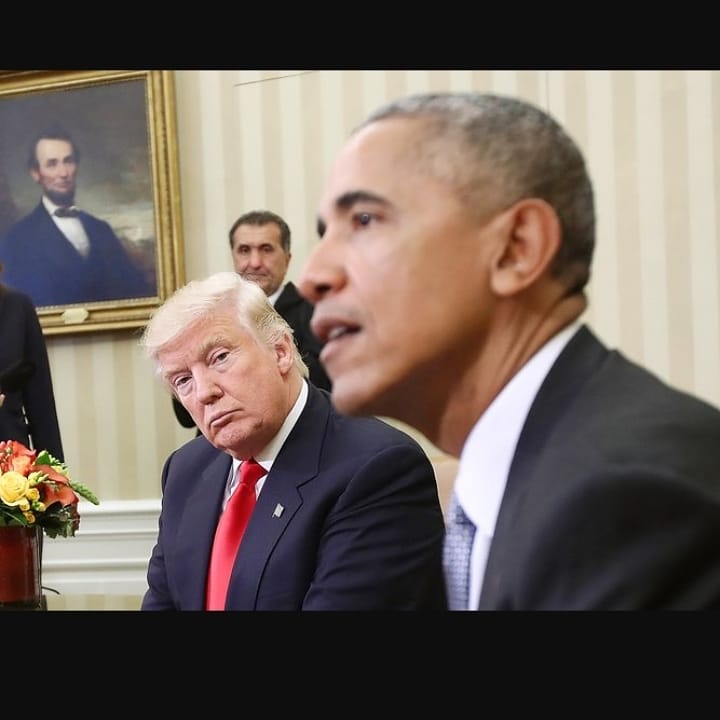
2/27/19 – For my #penultimate post, I wanted to continue the Institutional aspects of racism and how it is seen today. As it was said yesterday, #InstitutionalRacism takes longer to undo because it can be weighed down with laws and social customs that are readily accepted, not only by those in power, but with those without it as well. At this very moment (Feb 27), our governmental institution is being challenged. The decisions that will be made by this challenging will determine our perception on how equal the institution is. That, in itself, is Black history in the making. The sheer idea that a Black man held this position just 3 years ago shows both progress and regression simultaneously. . When #Obama came into the running as a potential presidential candidate, one of the first questions was how he would respond to race. You could clearly see that race was going to be a central topic in discussing how the institution would change. Change can bring hope for some but fear for others. In many ways, we could see how IR could be seen through the dog whistles and general rhetoric surrounding Obama and his family. The weight of race relations rested on Obama’s shoulders and that is partially because there aren’t enough black representatives like him in government. Because of the immaculate perception needed to be Black and run for office, too few make it to a platform that allows for change. . The ease that #Trump has succeeded Obama is also Black History and Institutional Racism in its own way (that’s it’s own separate post). If American history has taught us anything it’s that it can repeat itself when left unchecked. We are in the middle of a new political shift and if we have truly learned from the past historical events about when that shift happens, this should look unlike any we’ve ever seen. #BlackHistoryMonth
2/28/19 – For the last post, I wanted to end the month with the idea of #change. Going from the beginning of the month to the end, we have seen how complex American history is when it comes to race. From #slavery, to wars, to movements there are many aspects to creating an equal and equitable country and progress has indeed been made. It takes persistence as well as consistency to truly be able to see the effects of change. The reality is that some may never see the changes they wish despite the numerous sacrifices. That is what makes visible change so special and important. . It’s important to know that change starts with us and may not always be a fast process. From just reading the paper to picking up a book, education is a great arbiter of change. With my work, my constant path to remain educated has put me in contact with lifelong friends as well kept me focused on the bigger picture. One of those people that has helped me see the bigger picture is @geeranby. @rootsrugbyfamily has been a dream of ours and seeing the photos of that team in Las Vegas shows me that change is always possible. Kyle and @teenana.g have shown the persistence and the consistency to truly do great things for the African American community. . So for my last post for #BlackHistoryMonth I want to celebrate a group that has been a support system for many players, including myself, and say that they are what Black History Month is always hoping to accomplish and inspire others to do the same. Let’s wish them well in #Vegas this weekend!
2020
1/31/20 – 🖤💚❤️IT’S THAT TIME AGAIN! Can’t believe it’s already February but I will continue to carry on the tradition that @geeranby 3 years ago with a post everyday about something, somewhere, or someone significant and their relationship to lives of Black Americans. Consider it a month-long exploration into American history where we analyze a number different events and how the history books may have missed it. Really excited to take this trip and I hope you all walk away learning something! See you all tomorrow! For those that need a past refresher on what has been covered, please scroll through my page and read up! #BlackHistoryMonth #BlackHistory ❤️💚🖤
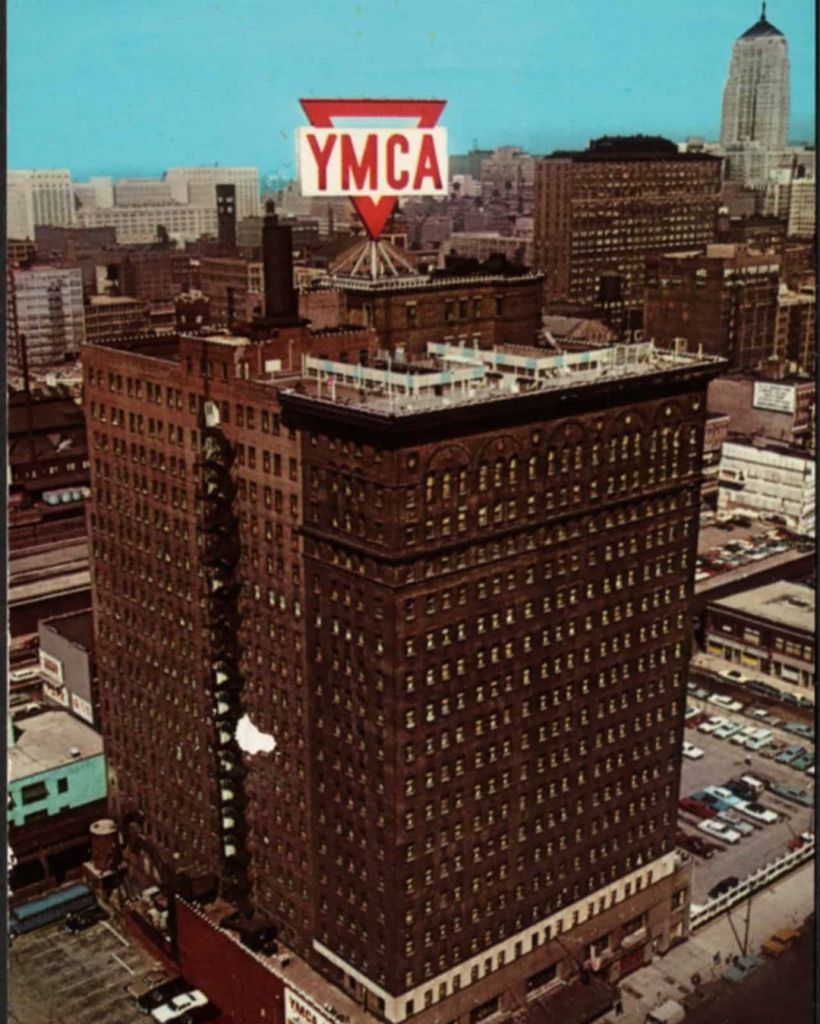
2/1/20 – This month, we’ll be taking a look at different historical locations that played prominent roles in Black History. Why not start where the concept began? In 1915, #CarterGWoodson traveled to Chicago to celebrate the 50th anniversary of Emancipation. During this celebration, people read off the achievements and saw exhibits highlighting of their people’s progress since the abolition of slavery. The celebration lasted 3 weeks and attracted up to 12,000 people. . . Later that year, Woodson was inspired to create a mainstay concept that would be able to highlight the progress of Black Americans. On Sept 9th, Woodson met with 4 other colleagues at the Wabash YMCA in Chicago to create a group called ASNLH (Association for the Study of Negro Life and History). They would work out of the YMCA for years. During this time, Woodson would urge his fraternity, #OmegaPsiPhi to help push the concept of a designated time to focus on the achievements of Black Americans. They created Negro History and Literature Week in 1924 and used the data gathered over the years to build a curriculum schools could use. The 2nd week of February was the starting point given the 12th and 14th were the birthdays of Lincoln and Douglass respectively. These days were already celebrated dates in the black community and Woodson wanted to build a celebration around those dates. . . With the rise of the Civil Rights Movement as well as prominent Black figures taking up the tradition, the week would unofficially become a month-long celebration. Freedom Schools in the South integrated Black history into their entire curriculum to promote social change. In 1976, February was officially recognized as Black History Month. It’s creation spurred other countries to create a BHM for their own populations. The UK (1987), Canada (1995), and even Ireland (2010) created a black history month. Cork, Ireland is recognized as one of the leading centers of abolition and anti-slavery and welcomed the likes of Frederick Douglass and Charles Lenox Remond. #BlackHistoryMonth #Roots #RootsRugbyFamily #RememberYourRoots #ShareOurRoots
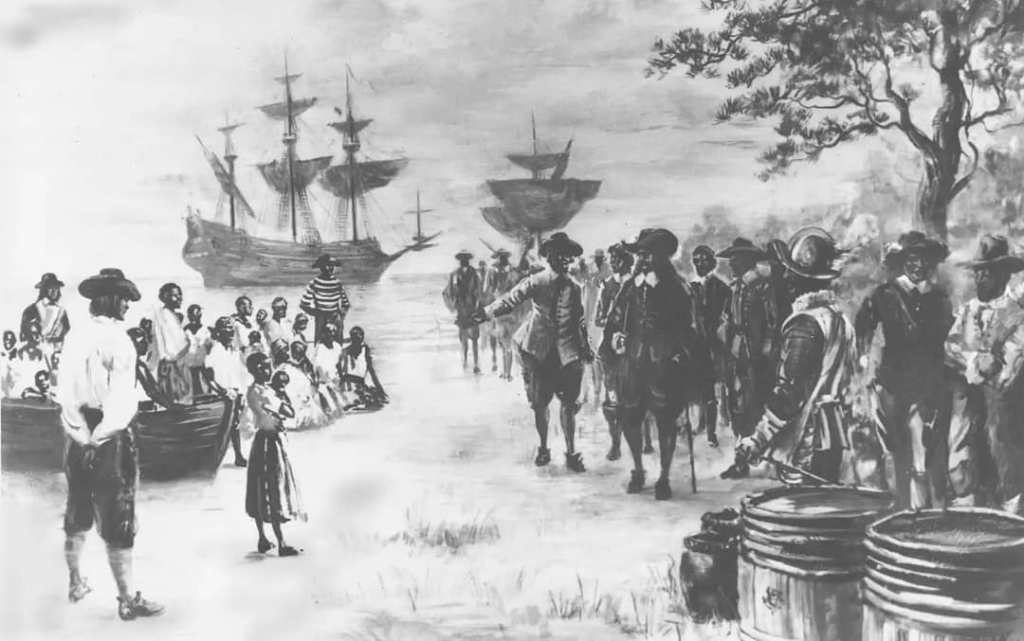
2/2/20 – Though Black History Month started in February, Black History in America started in 1619 at place called Point Comfort, Virginia. The 20 or so enslaved Africans were brought on a Dutch ship, after being taken from their homeland by the Spanish, to be traded for food with the English settlers in Virginia. . . The enslaved Africans were from Ndongo (now part of Angola) and were skilled farmers, blacksmiths, herders and artisans. Over 350 people were taken from Ndongo by the Spanish and were headed for Mexico. Over half died at sea and the Dutch took the rest up to Virginia. The rules around slavery when it first started were not set when the Angolans arrived. It looked like indentured servitude – the enslaved could work off their time and live amongst the settlers depending on what they did and who first owned them. Some owners wanted to keep their slaves for life, owning even their children, while others decided give a time limit. Though Massachusetts was the first state to enact a slave law (1641), Virginia set the standard with its slave law in (1662) letting it be known that if a slave were killed for disobeying their master, no felony would be charged. This solidified slavery over indentured servitude for the foreseeable future. . . 1619 is seen as the beginning of slavery for America (great read from Nikole Hannah-Jones if you have time!) but it’s worth knowing over 500,000 slaves existed in mainland North America, Caribbean islands, and South America almost a century prior. As Black History here in America continues to gather more information about it’s people, it is always important to understand the scope of history and just how narrowed the view is when being taught in school. #BlackHistoryMonth #ShareOurRoots #RootsRugbyFamily

2/3/20 – Slavery had to take on a different approach in northern, more populated cities like New York. Unlike the wide sweeping plantations of the South, places like NYC had Black and Indian people, both enslaved and freed, working alongside White people in close proximity. This environment did not work for anyone but the wealthy. White business owners that opted not to use slave labor were being left behind by those that decided to profit from having an unpaid work force at their disposal. Free Black and Indian peoples were still subjected to some of the same laws that the enslaved faced – not to mention the ability to be kidnapped and being sold into slavery was a real worry for those that walked free. . . Given the close proximity and the ability to communicate, the enslaved, freed peoples, and White business owners were able to plan out a full revolt in what is now Lower Manhattan. In the early 1700s, NYC had one of the largest slave populations of the North (about 20% of their population) and on April 6th, 1712 roughly over 20 people set fire to a number of businesses on Broadway. 9 White people were killed and the result was swift. 70 people were arrested add jailed, 27 going to trial and 21 of them executed, including women and children. They would hang their bodies on display to discourage any other revolts. Fear played a large factor in the coming years of enslavement and lawmaking. No Black or Indian people, freed or enslaved, could carry firearms or travel in groups larger than 3. Conspiracy and destruction of property both carried death sentences. . . During and following the Revolutionary War, abolitionists began questioning the hypocrisy of keeping enslaved people while fighting for freedom. While each state was free to decide their own fates concerning slavery, most of the Northern states realized proximity played into the revolts they were seeing. Pennsylvania would begin to lead the charge into abolishing slavery in the North shortly after. #ShareOurRoots #BlackHistoryMonth
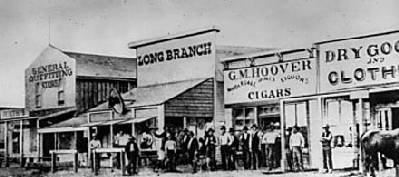
2/4/20 – When we think of the #WildWest we are often given romanticised images of rugged (generally White) men riding horses and maintaining order in an otherwise anarchic environment. However, that imagery can shift when we understand the fact that 1 in 4 cowboys were Black. With the Westward Expansion happening in the 1800s families were packing up their possessions, including their enslaved people, and headed out west for new opportunity. The slaves were taught how to become legitimate farm-hands and would care for the ranches and farms being left to them. Once the #CivilWar hit, slave owners took up arms to help fight but done didn’t come back. This left large portions of land to now-freed slaves. For those that did come back, the slave owners now needed to hire the help they once got for free. . . Becoming a cowboy was a useful trade for many black people in the 1860s and 1870s. Dodge City, Kansas was a great example of a smooth transition once slaves were free. That isn’t to say there weren’t a few hiccups as Blacks established themselves alongside those that have oppressed them but the reality of the West was that there wasn’t enough time to racist, everyone needed everyone. Food was sparse and opportunities required buy-in from everyone involved. Before the implementation of the railway, transportation out of state wasn’t a possiblity so your community was all you had. . . People like #StagecoachMary (read up on her!) and #NatLove built a new life for themselves after spending the earlier parts of their lives being slaves. It will always be a great example of perseverance #ShareOurRoots #BlackHistoryMonth

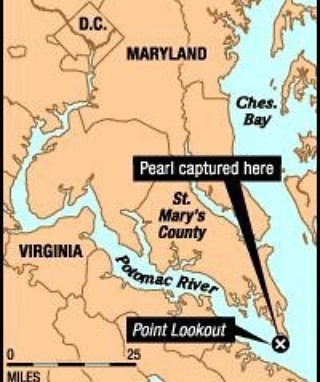
2/5/20 – Washington DC played a pivotal role in establishing the slave trade in the late 1700s and early 1800s. With its ability to connect the Potomac River to Chesapeake Bay, it became a hub for transporting the enslaved. It also made for a possible escape point for those brave enough to take the risk. With New Jersey and Pennsylvania, both free states at the time, being so close it created numerous possibilities of freedom. The abolitionists and free Blacks were inspired by the expulsion of King Louis Philippe and the founding of the French Second Republic and decided to create change of their own. . . On April 15, 1848, 77 slaves attempted to escape on a schooner named the Pearl. The plan was to sail south on the Potomac River and then North on Chesapeake Bay and the Delaware River to the free state of New Jersey. The plan was organized by both free Blacks and abolitionists, one being #PaulJennings, a former enslaved man that served President #JamesMadison. The abolitionists #WilliamChaplin and #GerritSmith found a willing captain, #DanielDrayton and paid for a ship. They departed DC on a Saturday night. . . The ship was captured 2 days later near Point Lookout, MD. It turned out that on Sunday morning, the slaveholders were tipped off by #JudsonDiggs, an enslaved Black man that brought one of the passengers to the docks. The slaveholders hired an armed militia to track down The Pearl and bring them back. Once the ship was brought back a pro-slavery riot broke out over the attempted escape. Most of the slaves were sold into the Deep South but it led to Congress ending the slave trade in DC. The #PearlIncident would also inspire #HarrietBeecherStowe to write #UncleTomsCabin. #ShareOurRoots #BlackHistoryMonth
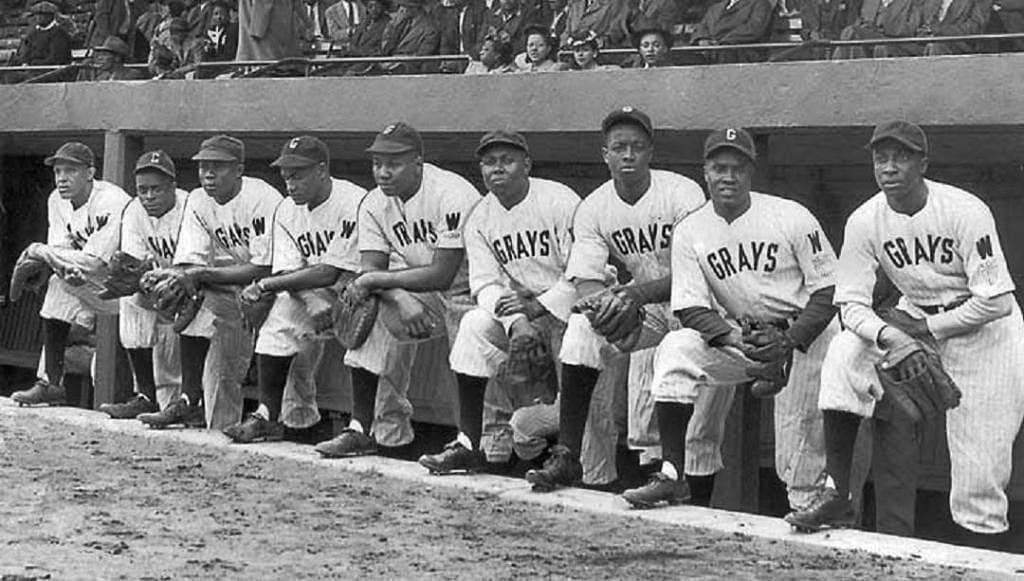

2/6/20 – The #Roaring20s saw some excellent baseball being played at the time. The infamous #MurderersRow from the New York Yankees intimidated any team brave enough to step on the field against them. Simultaneously, #JimCrow was well into its 50th year in what historians call the #ProgressiveEra. But there was a team operating out Pittsburgh with a dominating mindset of its own, winning 9 pennants in a row during a stretch of a decade and 3 Negro League World Series titles. The #HomesteadGrays managed to put together a Murderers Row of their own with #JoshGibson, #CoolPapaBrown, #BuckLeonard, #RayBrown, and #JudWilson, all Hall of Fame inductees, in their lineup. . . Founded by #CumberlandPosey in 1912, the Grays originally operated out of Homestead, Pennsylvania. Though they were established in the North, Jim Crow reached out just enough to inhibit the Grays from playing #MLB teams at the time. In the beginnings, they played their games out of #ForbesField and #GriffithStadium in DC. The crowds they drew allowed them to flex home games between Pittsburgh and DC. Their players were well known, Josh Gibson often being compared to #BabeRuth because of his spectacular home runs. . . The push for #integration would spell the end of the Grays as well as the #NegroLeague as the best players from each of the teams were being called to the major league teams. One aspect of the Negro League teams that isn’t kept in mind is the fact that it allowed black communities to come together and enjoy hometown players. Most Negro League players were from the city they played for and would often look to give back to their communities that raised them. #ShareOurRoots #BlackHistoryMonth #BlackHistory
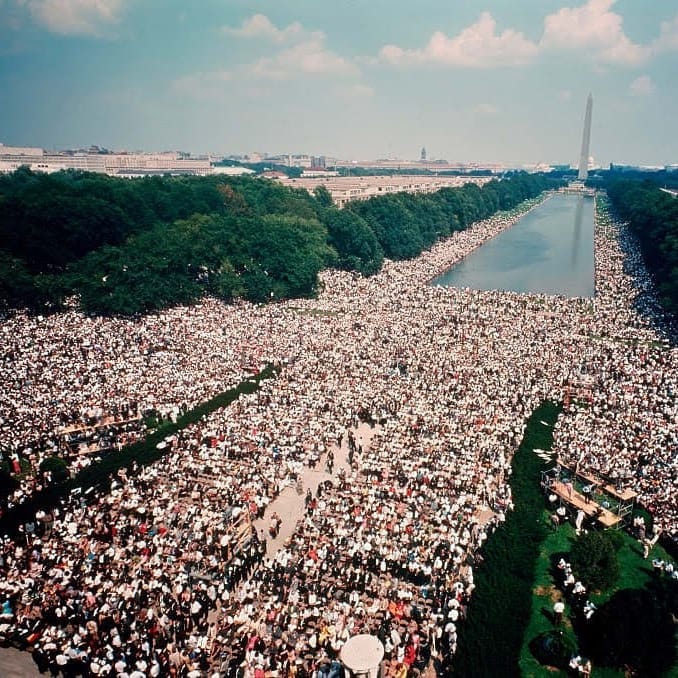
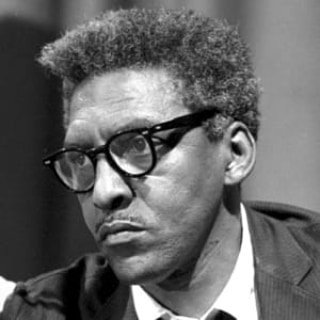
2/7/20 – Around 100 years after slavery was abolished in the nation’s capital, the children and grandchildren of the enslaved found themselves right back in DC marching to put an end to racism and discrimination. Generally when we teach about this event, we focus on the location, unified message, and MLK’s #IHaveADream speech. It is one of the many turning points in US history and we spend a great deal of time talking about togetherness. However, there’s an intersection here we don’t address when discussing this momentous event. . . #BayardRustin was Black Civil Rights leader. He helped form the #SCLC and even partnered with #APhilipRandolph to organize the March on Washington. Rustin even taught and advised MLK on the benefits of nonviolent protest. You’re also looking at the organizer of the #FreedomRiders himself. How is MLK’s own teacher not being mentioned in tandem with other prominent Civil Rights leaders? Rustin was a gay man. An “out” gay man. Rustin had been arrested multiple times for being in a same-sex relationship. Who he chose to be with and love practically erased his entire existence. While being gay wasn’t all who he was, it was how he was seen to his own community. Rustin would have to work behind the scenes to end racism. Strom Thurmond tried to spread the rumor MLK and Rustin were in a relationship and Rustin’s love life prevented the #NAACP chair #RoyWilkins to waver in support of Rustin organizing the March. So Rustin took a deputy role and still organized while Randolph took the lead role. . . Rustin’s relationship with the Civil Rights Movement highlights a complex intersection around race and homosexuality. Because of the religious roots of many of the leaders, it prevented them from bringing *all* Black people to the table and promoting a real sense of equality. Rustin would eventually be recognized for his work, earning the #PresidentialMedalOfFreedom in 2013 from #Obama. #ShareOurRoots #BlackHistoryMonth #GayRights #BlackRights #LGBT
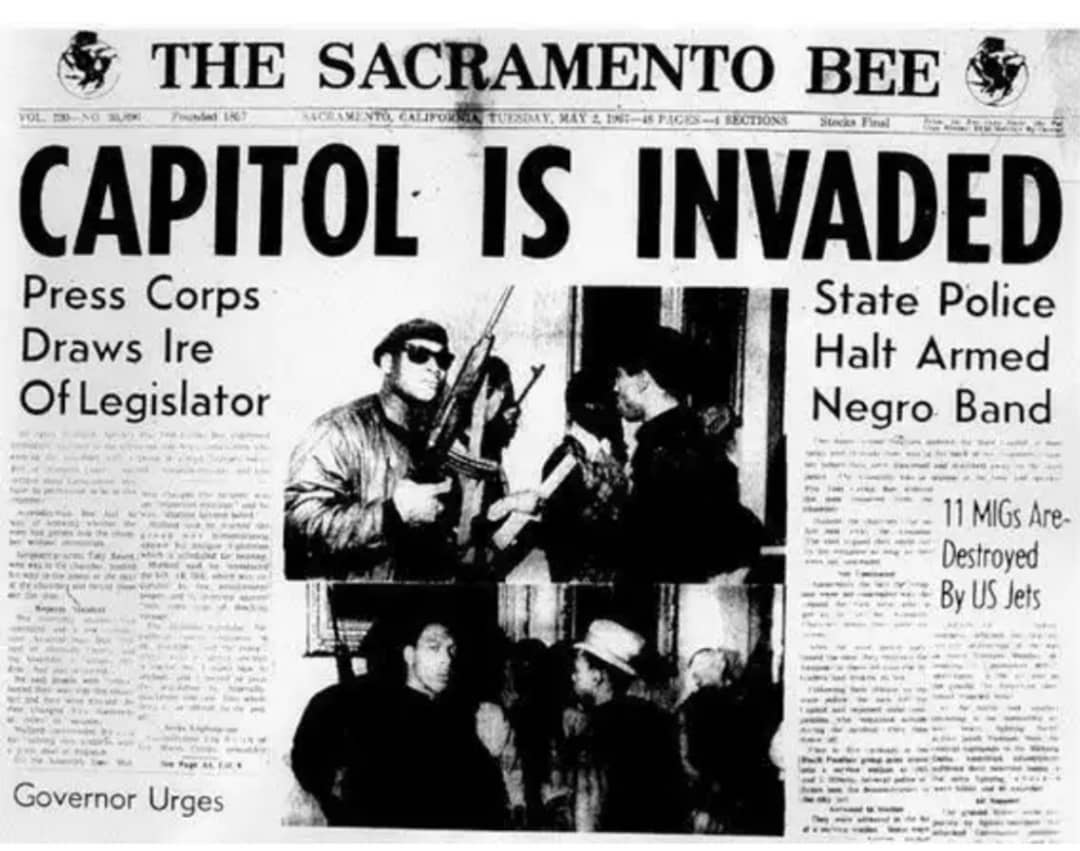
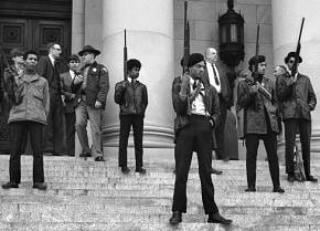

Armed Protests Then and Now
2/8/20 – A #GunRights protest happened in May 1967. #2ARights were being infringed upon with the #MulfordAct being potentially enacted which no longer allowed citizens to open-carry in the state of California. The protest took place in the Capitol Building of Sacramento. The protestors brought their guns to protest on the steps of the facility and in the assembly hall of the the Capitol Building. No one was hurt. The message was clear, “It’s our right to protect ourselves from an oppressive government.” But the judgement was swift. The Mulford Act was passed 2 months later with Governor #RonaldReagan saying “There’s no reason a citizen should be carrying loaded weapons.” The @NRA supported the government’s decision to prevent citizens from open-carrying for all citizens of California. The Mulford Act would be called The Panther Act. . . That would be White America’s first introduction into #TheBlackPantherParty. #BobbySeale and #HueyNewton formed the group to help educate African Americans of their rights and how to help their own communities. In the Sacramento protest, 30 Panthers pulled up to the state capitol in May 1967. After the protest, the government ramped up the surveillance and force needed to take down the Black Panthers. The Panthers were #GunRightsActivists and the government and the #NRA were not in favor of that show of support. . . Flip to 2020. A #GunRights protest takes place on #MLK‘s holiday on the steps of Virginia’s Capitol building. The 2nd amendment was being infringed upon. The protestors brought their guns and exercised their right to open carry. No one was hurt. The message was clear, “It’s our right to protect ourselves from an oppressive government.” The judgement never came. The NRA fully-backed this group of protestors, and even added the slogan, “Come and Take it.” Will Virginia enact an open carry ban for its citizens? The Black Panthers would say they have one month left. For more info on the #BlackPanthers check out the video on @geeranby‘s page! #ShareOurRoots #BlackHistoryMonth
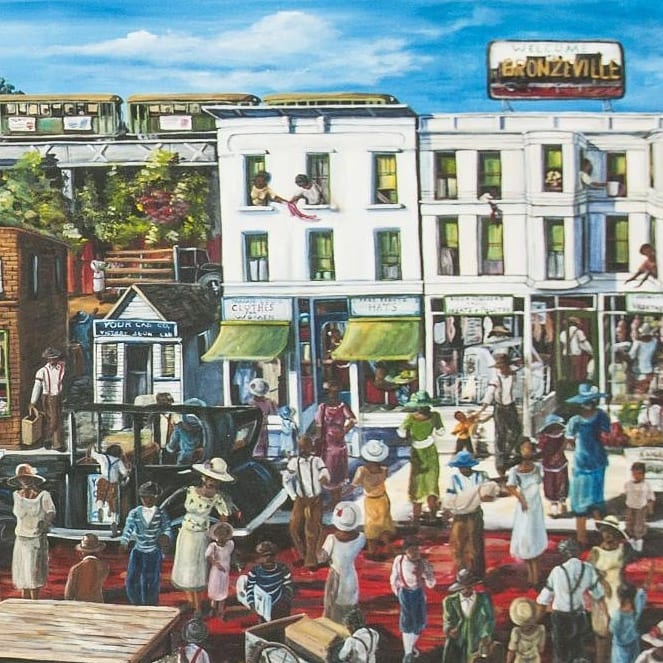
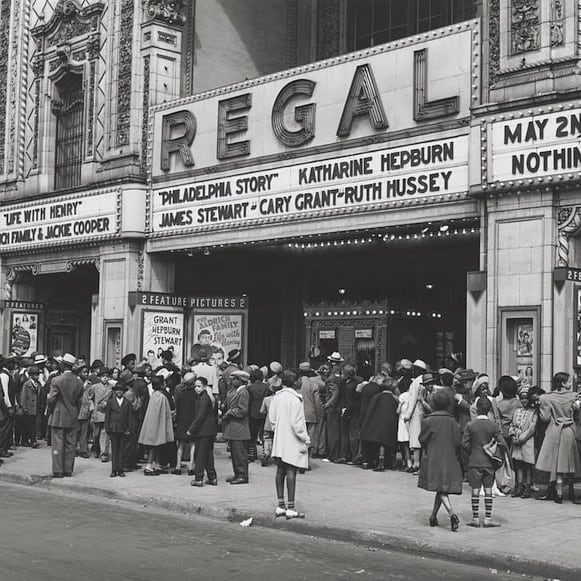
2/9/20 – Before the #GreatMigration in 1916, 90% of African Americans lived in the South. Though those who were enslaved were legally free, the #BlackCodes, #JimCrow, and #Disenfranchisement were successfully oppressing the Black population. As a result, there was a coordinated effort to head north and look for better opportunities and less racism. What Black people were experiencing (and were more used to) down south was #ExplicitRacism. In the North, #ImplicitRacism was more prevalent. #Redlining was one of the tools used to keep #Segregation in play without naming it. Putting a group of motivated people in one place too create on their own does have its benefits. . . #Bronzeville got its name from the redlining taking place in Chicago. For 30 years it was known as #BlackMetropolis because of the success of the #BlackBusinesses and number of blues, jazz, and gospel musicians. It housed the #WabashYMCA (from my Feb 1st post) where the concept of Black History Month originated. #IdaBWells, #LouisArmstrong, #RichardWright, #MinnieRiperton, #RubeFoster, all lived here when they lived in Chicago. The #RegalTheater was the crown jewel of Bronzeville and a shining example of the community coming together in a time of oppression. . . #Integration in the 1960s meant upper and middle class families moving out of Bronzeville as racially restricted housing was outlawed. Overpopulation mixed with poverty saw Bronzeville fall into decline in the 70s to 80s. By the 90s, only 9 historical building remain from the past (you can take a tour!). These days, neighborhood groups and business interests are building Bronzeville back up. If you’re looking to live in Chicago, you may find yourself rubbing shoulders with history. #BlackHistoryMonth #ShareOurRoots
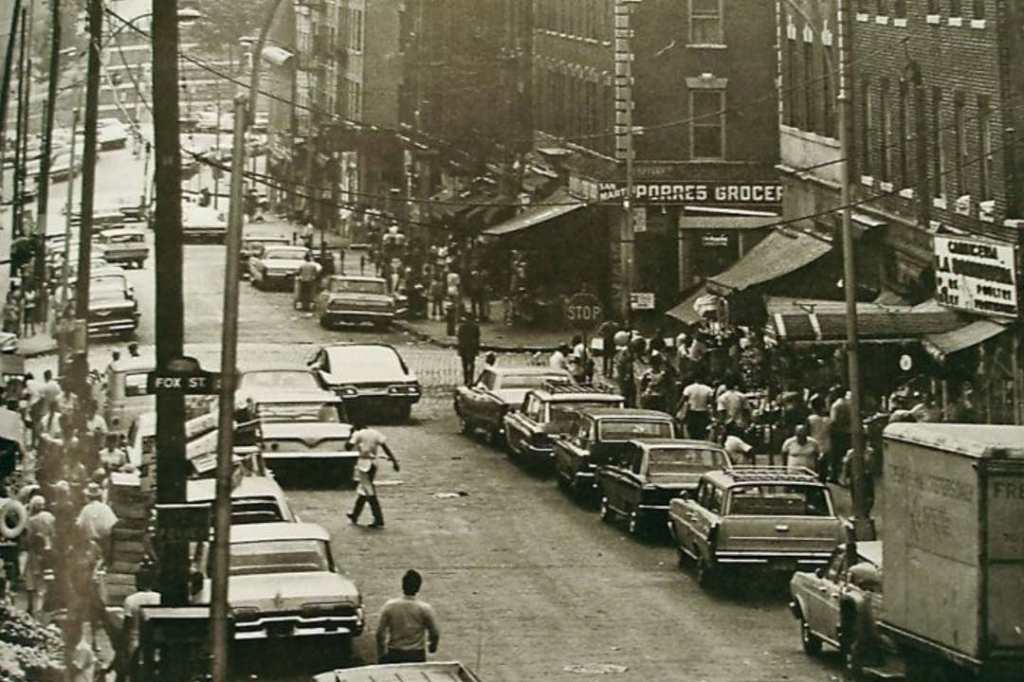
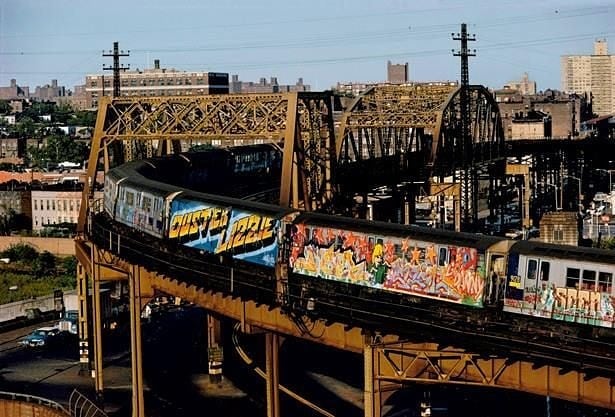

2/10/20 – While the #GreatMigration spurred the creativity of African Americans in numerous cities, the North simultaneously began to create a more sinister plot to ensure segregation would legally remain in place. Seeing an influx of Black Americans moving northward for opportunities was nothing short of an invasion in the eyes of northern state governments. Legislation needed to act swiftly to prevent a takeover. #ExplicitRacism would fair poorly in public eye and so #Redlining began. In short, cities were mapped and ranked by desirability to live (read: where no minorities are). Those that were most “desirable”, were green and given an grade “A”. Those with the highest black populations were red and given grade “D”. The South Bronx (grade D) is the perfect storm of Redlining and opportunity. . . #WhiteFlight took place as African Americans began to move into the #Bronx in the 1950s and 60s. Affordable housing was the goal but the banks picked the South Bronx by design. Homeowners and landlords alike were instructed to desert the area. No money was coming into the Bronx to build up the rundown buildings and there was no oversight when it came to building and fire codes. #RobertMoses would eventually box in the area with the creation of the #CrossBronxExpressway. Knowing the South Bronx would be dilapidated within a couple of years, landlords began burning their properties to collect the insurance. #BronxIsBurning became the slogan. No opportunities came into the Bronx so entrepreneurship took the form of gangs and crime and the Bronx reputation could be attributed to the Black populations that lived there without understanding how it could be created. . . Redlining was the immediate response in undoing the Great Migration. It allowed governments, banks, and lenders to prey upon vulnerable populations and claim ignorance all the while. Today, the South Bronx is still repairing itself from the 70s and 80s and as we understand the #ImplicitRacism of history, it will help reshape the narrative that had plagued the borough for so long. #ShareOurRoots #BlackHistoryMonth
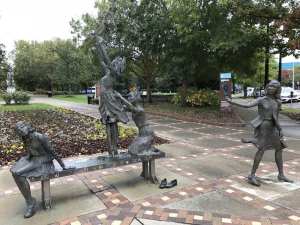
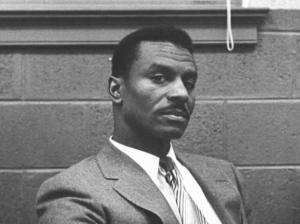
2/11/20 – The Birmingham Battleground. Some of the more publicized pieces of the #CivilRightsMovement would be fought here. Birmingham’s White to Black ratio was 3:2, but it was completely segregated. Blacks could hold no government positions, including police, firefighters, and even a secretary position if their boss was White. Birmingham banned the #NAACP from organizing in their city and managed to successfully oppress Black people with a combination of laws and violence. Speaking out could land you in jail easily and possibly a beating from the police. . . #FredShuttlesworth, a pastor, still wanted to desegregate his community and tried to boycott business to get local businesses to hire black workers. When it didn’t work, he turned to #MLK who was coming off an unsuccessful desegregation campaign of his own in Albany, GA. King, looking to improve his reputation brought the #SCLC and set up shop in the #16thStBaptistChurch to help organize the protests. While they were up against Birmingham’s government, racial segregation took the form of #BullConnor the city’s Commissioner of Public Safety. The Civil Rights Movement was communism in his eyes and it would not take place on his watch. His brutality and violence against protestors, which included children, sparked national interest and is said to have sped up there decision to desegregate. . . Even though Birmingham was lawfully desegregated in 1963, the people could not be mixed. A month and half after the law went into effect, no Black people had been hired by White business, black lawyers were rejected by Alabama’s BAR, and parks were closed rather than integrated. #Bombingham became the name as Civil Rights leaders’ houses and businesses were bombed – one famously being the 16th Street Baptist Church that killed 4 girls. #COINTELPRO would even get involved and assist in the violence against Black leaders. Birmingham is still trying to desegregate. Instead of #MLKDay in January, they celebrate #RobertELeeDay. That sums up their feelings quite nicely. #ShareOurRoots #BlackHistoryMonth
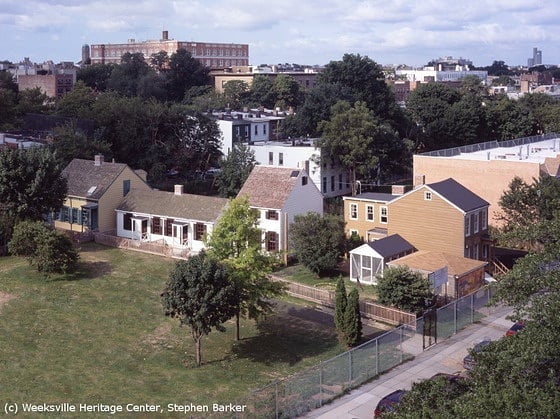
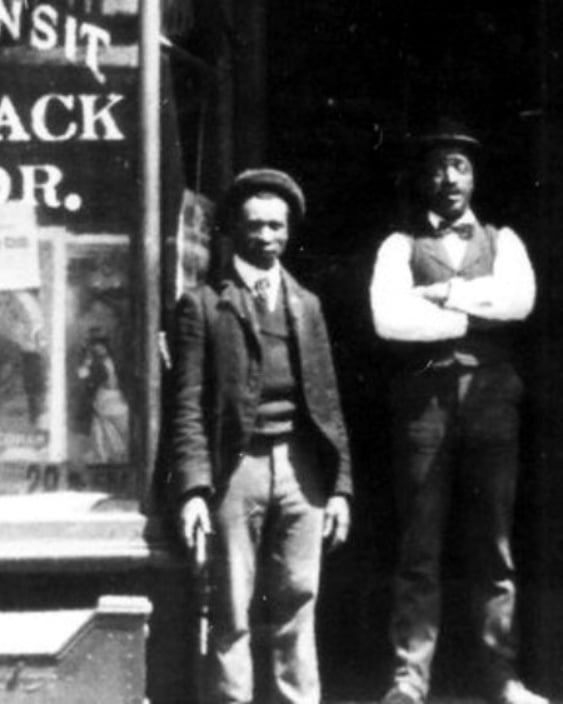
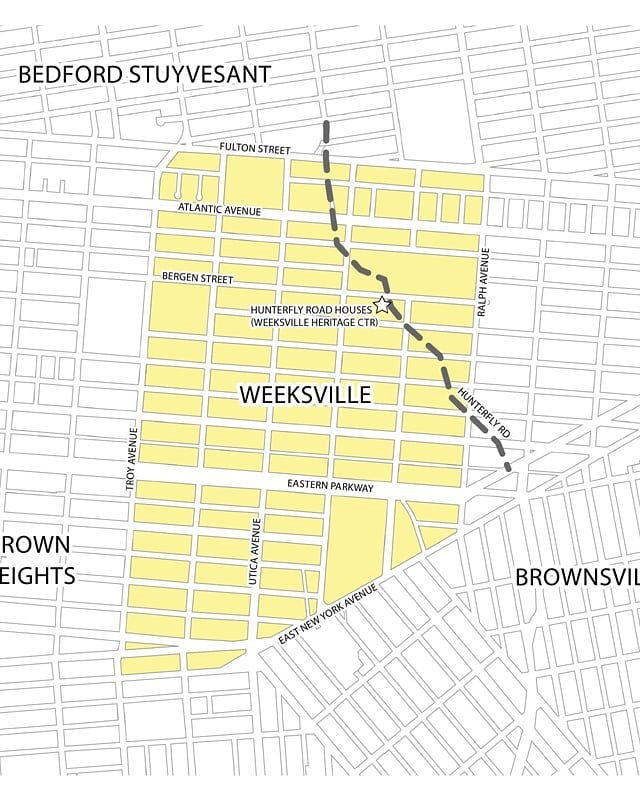
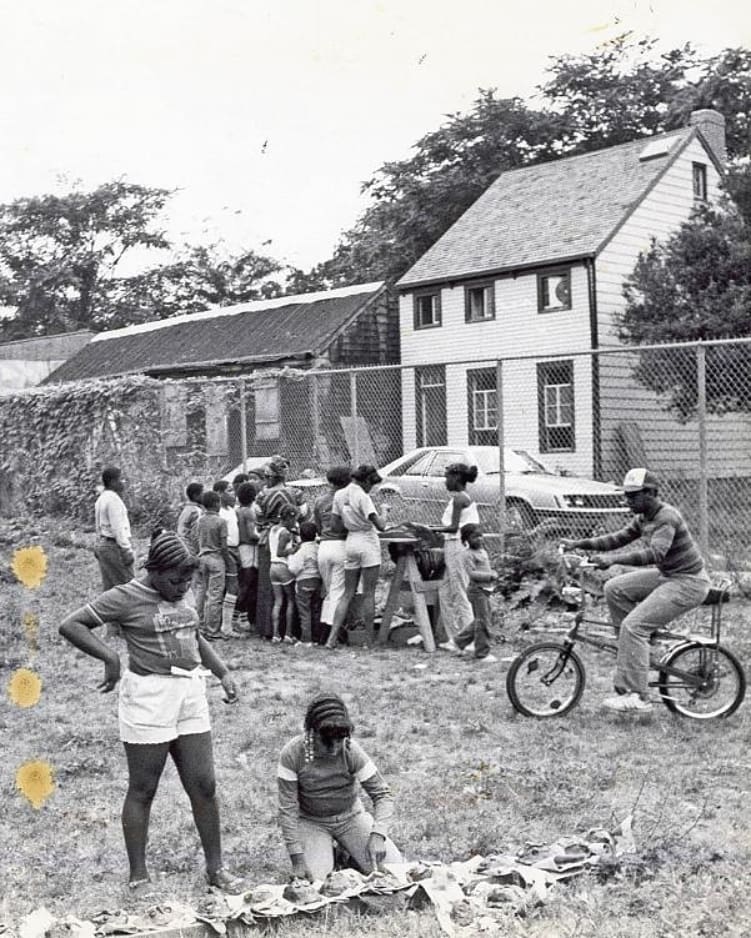
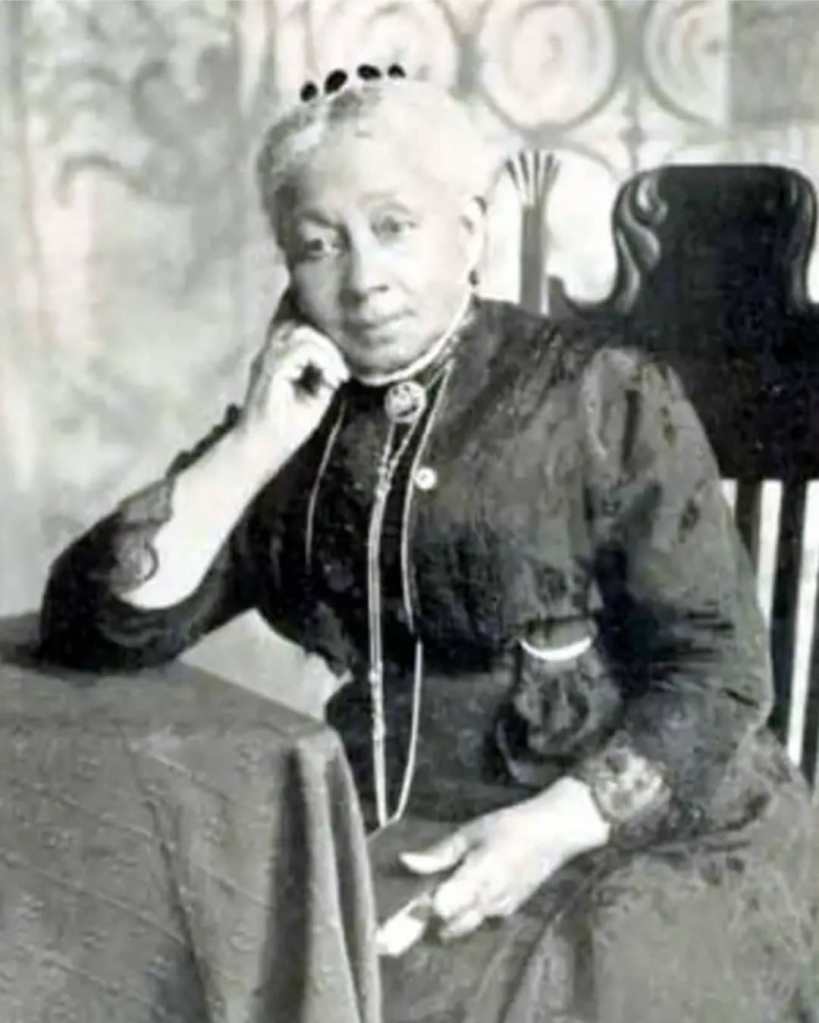
2/12/20 – #BlackHistory in relationship to #NewYorkCity often brings up the #HarlemRenaissance or the rediscovery of #SenecaVillage but before any of that, #Weeksvile existed as one of the first African American communities dating back to pre-Civil War days. Its story starts with the #Lefferts family, one of the largest landowning and slaveholding families in Kings County. Shortly after slavery was abolished in New York (1827), John Lefferts looked to sell off pieces of his land. #HenryCThompson, a black abolitionist who was aware of the political and economical benefits of land ownership, bought a sizable portion from the Lefferts family and sold the land to African Americans, one of whom was #JamesWeeks. He would begin to start a small community that would carry his namesake. . . Weeksville began to flourish in the 1850s. It had its own churches, schools, and even a newspaper, The Freedman’s Torchlight. #SusanSmithMcKenney was New York’s first African American doctor and was born in Weeksville. Black businesses could freely prosper without fear of retribution. Their biggest enemy would become industrialization. By the 1930s, Brooklyn was beginning to build up and around Weeksville, and even sometimes, through it. Weeksville tried to adapt but couldn’t adapt fast enough. In the end, four houses would remain on Hunterfly Road and these would be called the #HunterflyHouses. . . Weeksville is tucked away in Crown Heights and can be seen today. The Hunterfly Houses can be visited and a big part of that is due to it’s rediscovery in the late 60s. It was a crucial discovery as the city of Brooklyn planned to demolish the buildings for new housing but #JamesHurley and #JosephHaynes were able to preserve the spaces as a national landmark. You can now visit the #WeeksvilleHeritageCenter where they have a small farm and celebrations from time to time! #ShareOurRoots #BlackHistoryMonth
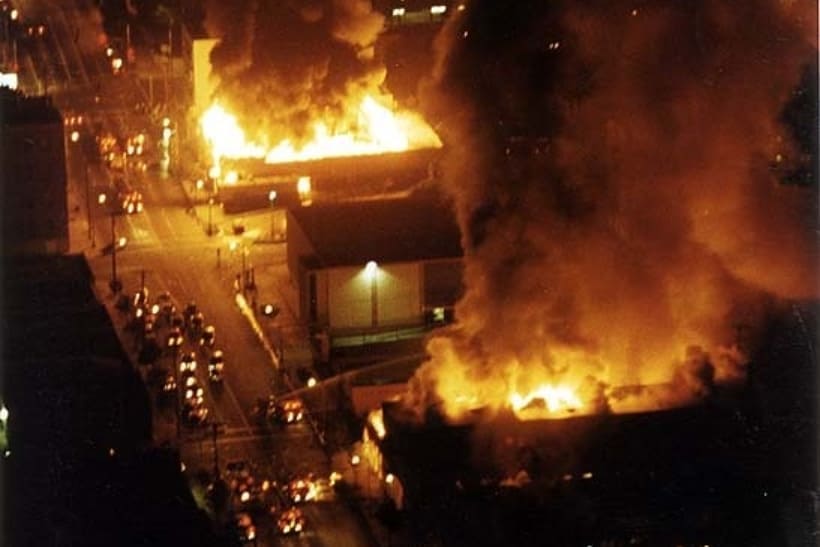
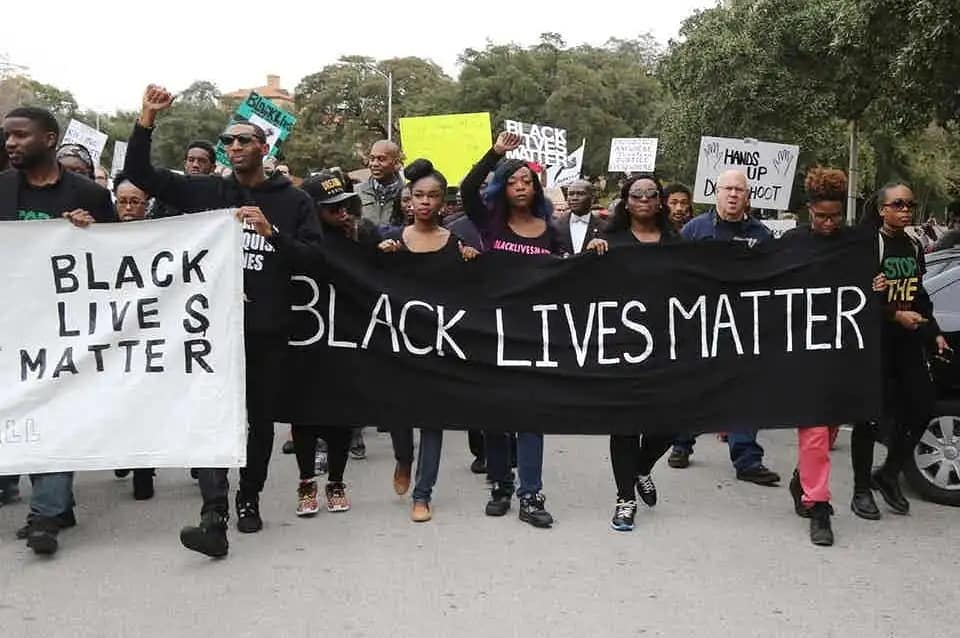
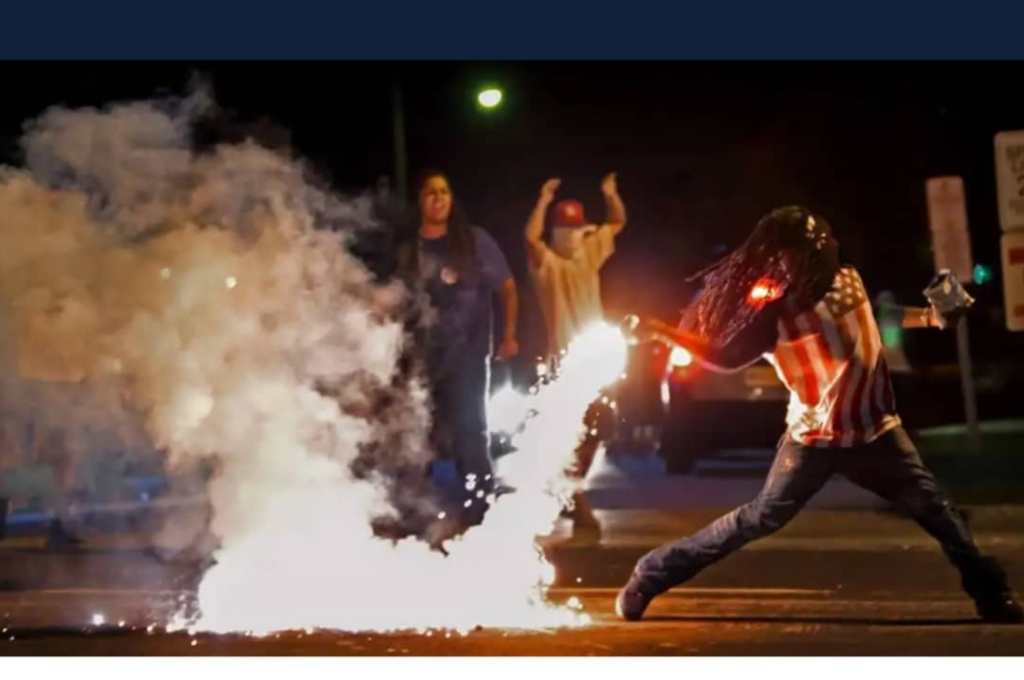
2/13/20 – In #ContemporaryBlackHistory much of the discussion revolves around recognizing #ImplicitRacism and how it can impact a population without drawing attention to it. An ongoing example of this relationship can be seen between law enforcement and African Americans. #PoliceBrutality, #StopAndFrisk, #MassIncarceration all affect Blacks significantly more than Whites. Given the treatment from police officers during slavery, to post-Civil War, to the Civil Rights movement, and even today, there’s plenty of understanding why Black parents give their children “The Talk” at a young age. #EricGarner, #MyaHall, #TrayvonMartin, #SandraBland, #PhilandoCastile, #AlexiaChristian, #MichaelBrown, #MeaganHockaday, #TamirRice, #NatashaMcKenna #WalterScott, #RekiaBoyd, #SamuelDubose, #KaylaMoore, #TerenceCrutcher, #MiriamCarey, #OscarGrant, #JamarClark, #FreddieGray, #AltonSterling, #JeremyMcDole, #EricHarris, and a host of others. . . With the prevalence of social media, there is a more united way at looking at police reformation and discussing the ongoing tension between police and African Americans. This is part of the new Black history, or #BlackFuture if you will. There will be no doubt that the tension will continue until there is change from the top down. When we look at LA Riots in comparison to the Ferguson Riots, the premise remains the same despite being more that 20 years apart. We are seeing the developments of a different type of Civil Rights Movement. #ShareOurRoots #BlackLivesMatter
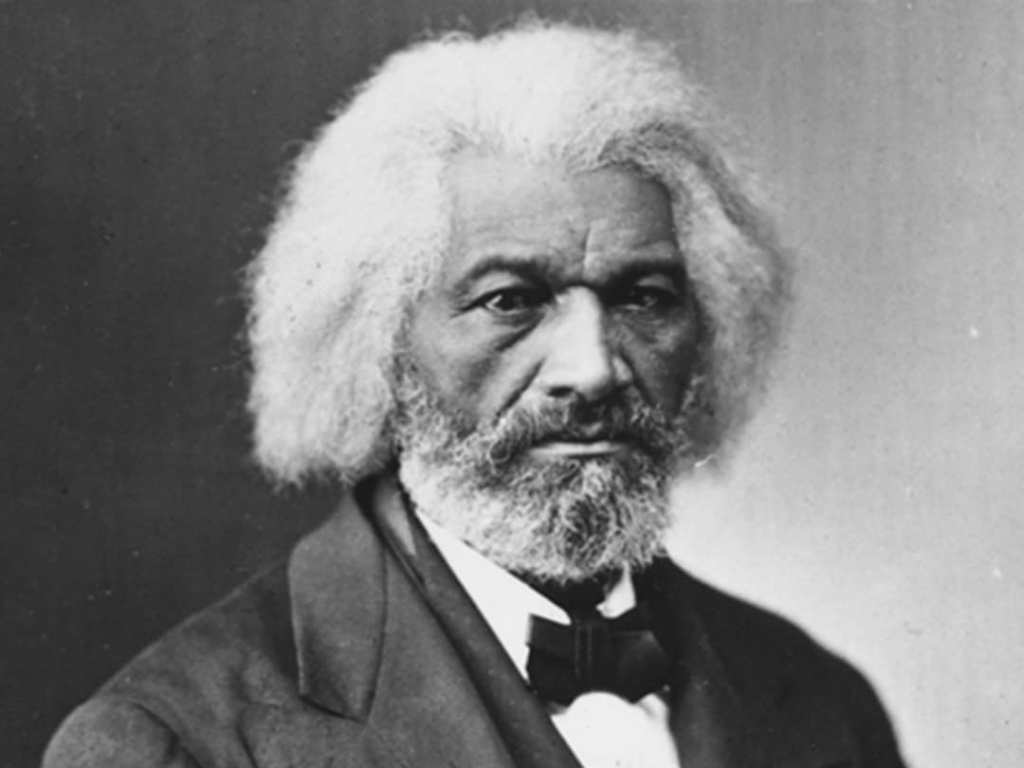


2/14/20 – It’s someone’s birthday!! Allegedly. #FrederickDouglass didn’t actually know his own birthday due to his enslavement. But he was a pioneer in many ways. For me, his biggest influence was his here existence. Here was an example of the power of education in physical form. He was born enslaved in Maryland and eventually escaped and was able to travel overseas to Ireland to continue learning about the concept of freedom as it relates race and gender. In order to fully understand the impact of a free Black man being seen as a brilliant example on education, we would need to understand the climate in the mid to late 1800s. . . The 1840s-1880s could be considered one of the most racially-volatile times in US history. #Activism had to take many forms as a person’s safety was at risk at all times for speaking out against slavery. For Black people, one could be kidnapped and sold back into the slavery, as well as hanged for gaining too much prominence. Despite the threat of violence, Douglass as well as other #abolitionists focused on creating “a more perfect Union”. Douglass’ critics demanded he converse with pro-slavery advocates and he refused stating “I would unite with anybody to do right and with nobody to do wrong,” making sure to not give the time of day to those with ill intentions. . . When Black people hear, “You’re so articulate,” it harkens back to the days where Blacks were not expected to be knowledgeable or it was a surprise they can hold a conversation. Interestingly enough, Black people have internalized this concept as well and it can be an inhibitor to social progress. Douglass was well before his time and gained a lot of support just from the confidence he built in others to not only seek and ask for more but to actually do more and create a space others can thrive in as well. Happy birthday Frederick Douglass. #ShareOurRoots #BlackHistoryMonth

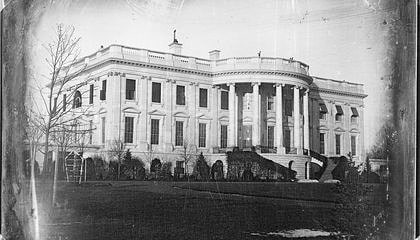
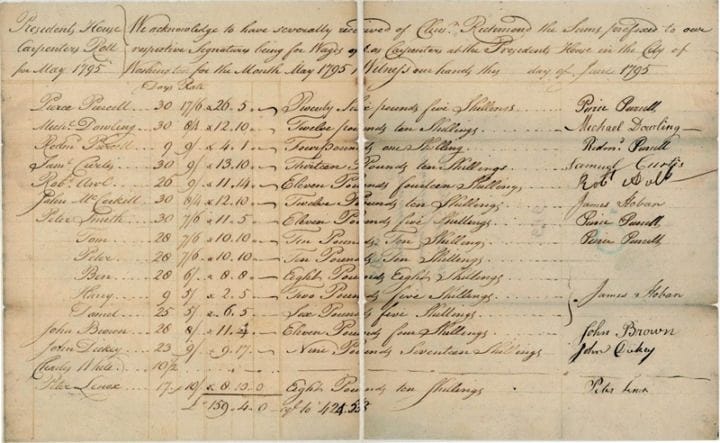
2/15/20 – It’s #PresidentsDay weekend and I felt it appropriate to talk about the origins of the #WhiteHouse that date back to 1792. At the time, organizers wanted European immigrants to build the structure but weren’t finding any interest so they turned to hiring unpaid labor. Slaves were rented from slave owners (picture 3) to quarry the mines of Virginia and erect the walls of the White House. Building it would take about 8 years. Afterwards, 9 different US presidents would bring the enslaved people with them to help maintain the house. . . The first child born in the White House was born into slavery. In 1801, Ursula Granger Hughes, a 14 year old cook for the White House have birth to a baby girl but the baby passed early on. Enslaved people either slept in the attic or ground corridors of White House. Neither were well-kept and would have rodents in them. #MichelleObama created a bit of controversy explaining this reality during a talk in 2016. . . It is an uncomfortable subject to discuss the relationship between the enslaved and our government. O’Reilly once said the “slaves that worked at the White House” were well fed, trying to point out that being enslaved at the White House was a privilege. For this #PresidentsDayWeekend I think it’s worth discussing the juxtaposition between labor and government officials, even today and what it looks like. #ShareOurRoots #BlackHistoryMonth


2/16/20 – #PresidentsDayWeekend means examining the history around the presidency and how it’s perception can dictate who’s story gets told and who’s you will have to look for. I believe a great example of that is the story of #SallyHemings and #ThomasJefferson. Jefferson was a slave owner. He oversaw nearly 600 slaves in his life and freed a total of 7 of them. His plantation is a national historic site and is renowned for its brilliant Italian architecture and is currently on the back of the nickel. Jefferson was also the 3rd president of the US while simultaneously keeping his slave holder status. Just like it was pointed out in yesterday’s post, slavery was needed in the White House to keep up the maintenance of the building but Jefferson maintained his home plantation in Virginia while still president. A walking contradiction of life, liberty, and the pursuit of happiness. . . What’s more is that one of the enslaved Africans he kept in his house, Sally Hemings, was a concubine. She had her own room in the #Monticello estate and they had 6 children together, all of whom were freed by Jefferson himself when they were of age. Their relationship started when Jefferson, 44, had Hemings, 14, accompany him and his daughter to France where they stayed for 2 years. Upon returning back to the US, Heming was pregnant an agreed to come back with Jefferson if he freed their children at the age of 21. Hemings was biracial and had fair skin and her children, as a result, could “pass” for being White with the appropriate clothing. Hemings was never officially freed but after Jefferson passed she lived with her sons nearby in Virgina. . . It is interesting to me that the president is supposed to carry the highest amount of respect for its position despite very flawed individuals taking up the helm. Because Jefferson is seen as a #FoundingFather, it can almost allow all other aspects of his life to be redeemed or ignored all together. This is one of the people who founded this nation. It’s the reality that he was a slave owner with an enslaved mistress that birthed 6 of his children that he never claimed. #ThisIsAmerica. #ShareOurRoots #BlackHistoryMonth
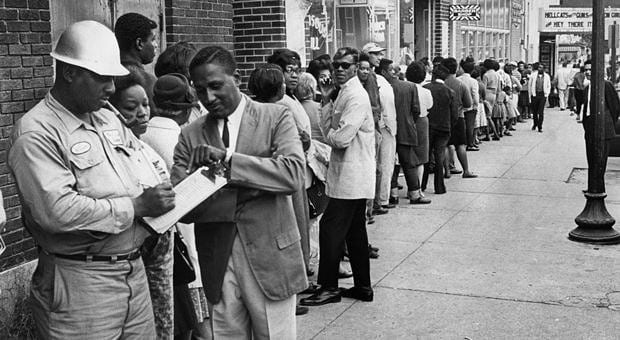
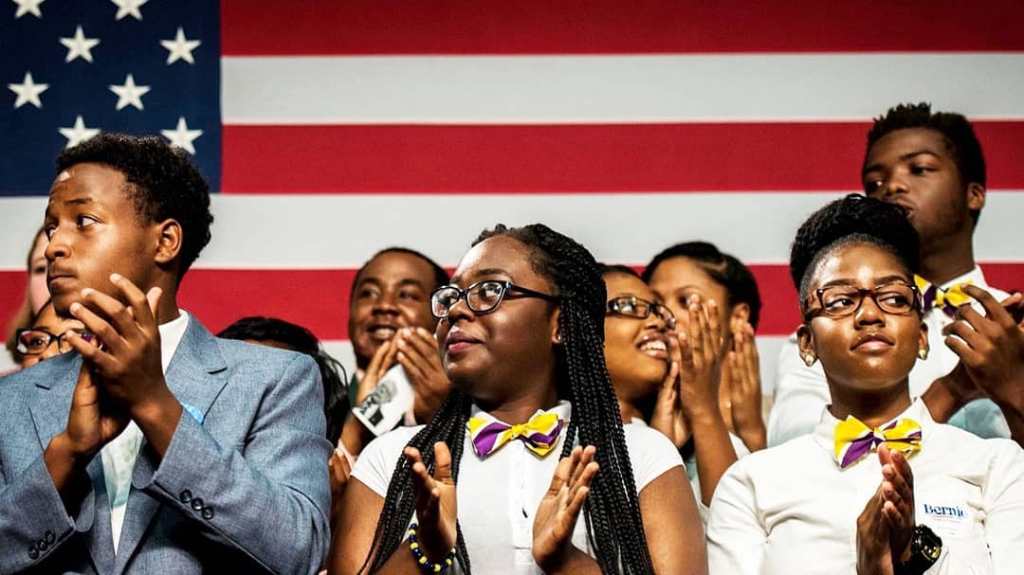

2/17/20 – With respect to #PresidentsDay, #TheBlackVote is one of the most important factors in any election. Media presents it as largely an indicator of racial progress but they do not highlight the deeper factors about why it came to be nearly monolithic. Politicians have tried nearly everything to reach the Black populations. They have appeared on radio talk shows, released countless commercials showing politicians interacting with black people and have even made rap songs (@secretarycarson I cannot allow you to forget your transgressions). All of these efforts try to tap into the culturally relevant side of being Black but none of them tackle the real way secure the vote: #RacialSegregation. . . The #VotingRightsAct of 1965 means that it’s only been about 55 years since Black people have had the ability to vote. That does not mean they have direct access to the voting booth. #VoterSupression is still around it’s directive is clear – discouraging POCs from voting. #VoterIDs and the lack of making Voting Day a national holiday are some of the ways the government tries to prevent everyone from fairly casting a ballot. A more sinister plot is the #Blexit campaign that looks to divide the Black population by promoting Democrats as plantation owners and Republicans as independent thinkers. If history has taught me anything, it’s that we need to stick together to survive. . . Segregation has historically put Black people in the same environments for centuries. There’s power in that voice that comes from that environment. Recognizing that power in unity is why #BlackHistoryMonth has heavy political leanings. It has taken a lot of sacrifice to get to this point and I want to continue to see our people strive to push our government to real integration – one that sees the laws put in place to protect those in power dissolved. Until Trump recognizes those laws as segregationist, the Black community’s voice will remain where it has always been. #ShareOurRoots
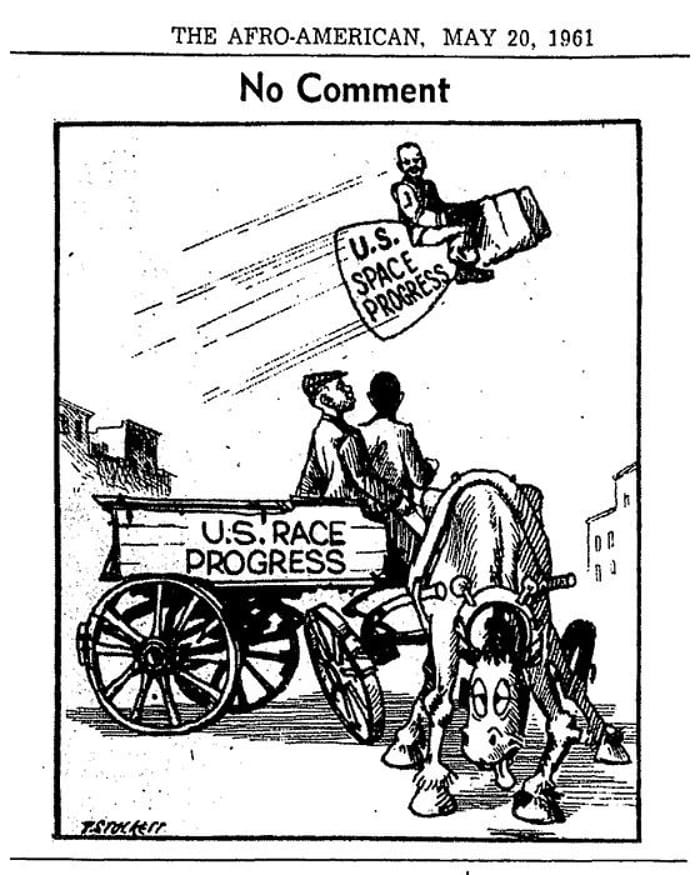
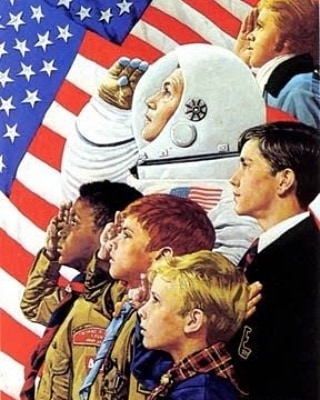

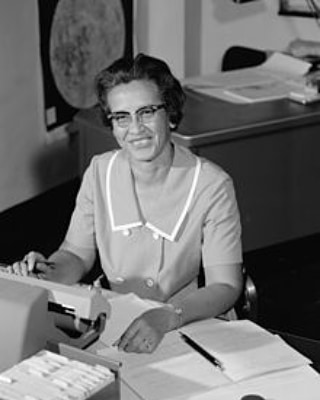
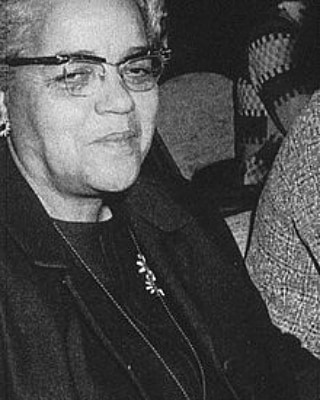
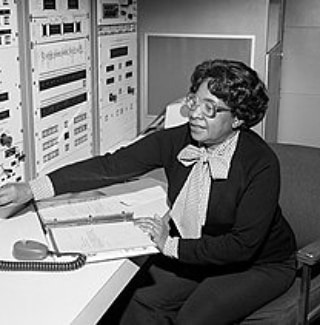
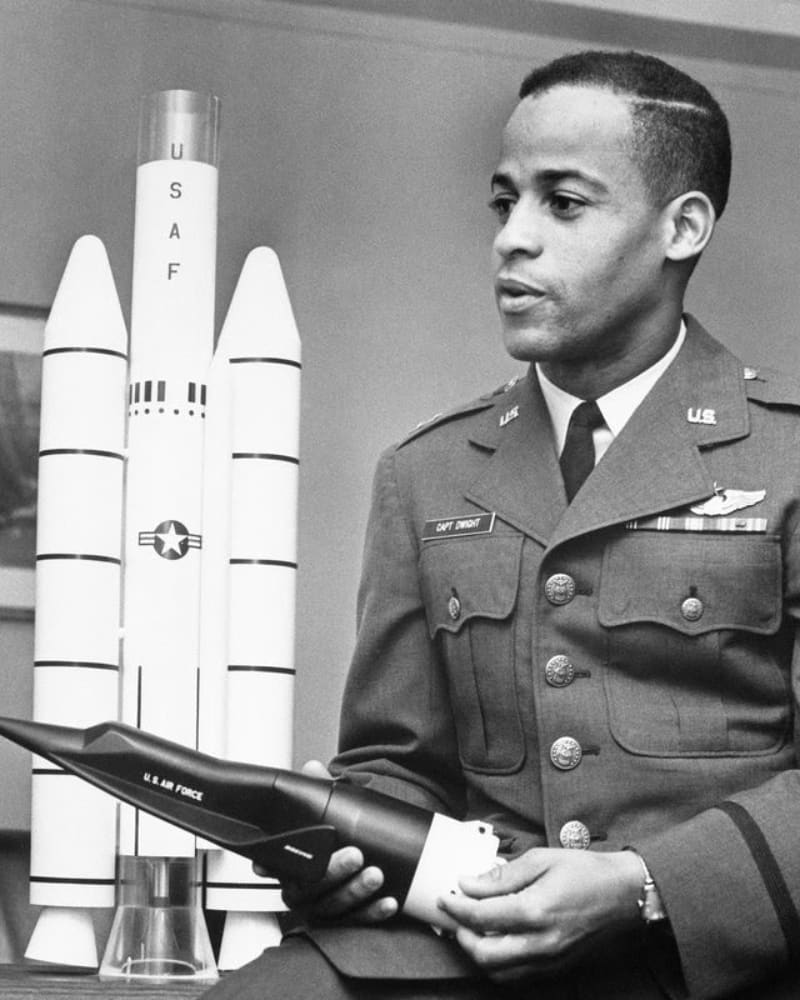
2/18/20 – Imagine the impact if one of the first people on the moon was a Black person? The statement that could’ve been made when just 100 years prior black people were in chains. When we think of the #CivilRightsMovement, we unconsciously place that event in a vacuum and talk about the US’s inability to come to terms with its own past. Simultaneously, the #ColdWar was happening in America and the #SpaceRace was an arm the US could not afford to lose. The #RedScare of #Communism was making the government paranoid and it began to dovetail with the issues of integration and racial equality. For some integration and communism were hand in hand and it’s an intersection we do not discuss often enough.
#HiddenFigures (a great movie and even better book!) sheds a little light on this intersection as it follows the stories of #KatherineJohnson, #DorothyVaughan, and #MaryJackson (pictured respectively) and their crucial, yet hidden contributions to the US’s triumph of making it to the moon. Hidden within this event is the story of #EdDwight. Dwight was an #AirForce pilot who looked like he’d make the short list of individuals NASA would be looking to send to the moon. He could have been a shining example of the US’s own progress with Civil Rights as they made their way to space but it’s own racism shot itself in the foot.
#JimCrow made it so that even if Dwight made it through all the hoops (which he managed to), he couldn’t have succeeded because his institutions couldn’t be trusted because they were segregated. Despite Dwight teaching instrument classes, graduating cum laude in aeronautical engineering, and even having Chuck Yeager graduating him through his astronaut training, it wasn’t enough. John Kennedy championed Dwight through the program but when he was assassinated, not only was Dwight’s chances of reaching space gone with it but so was America’s progress when it came to race. Somehow America was credited with winning the war despite losing some important battles along the way. #ShareOurRoots #BlackHistoryMonth
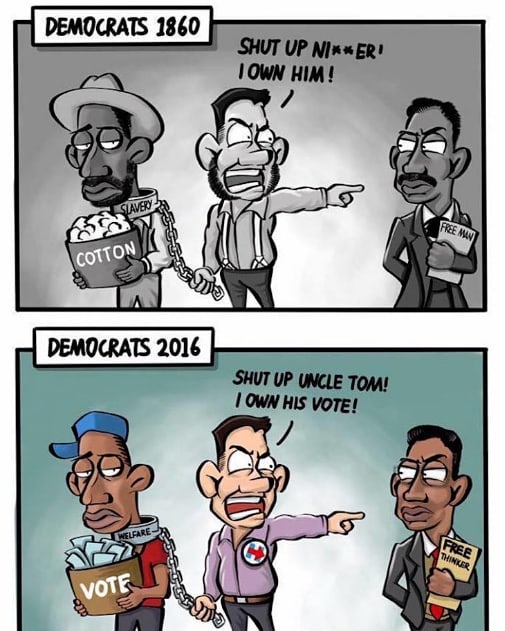
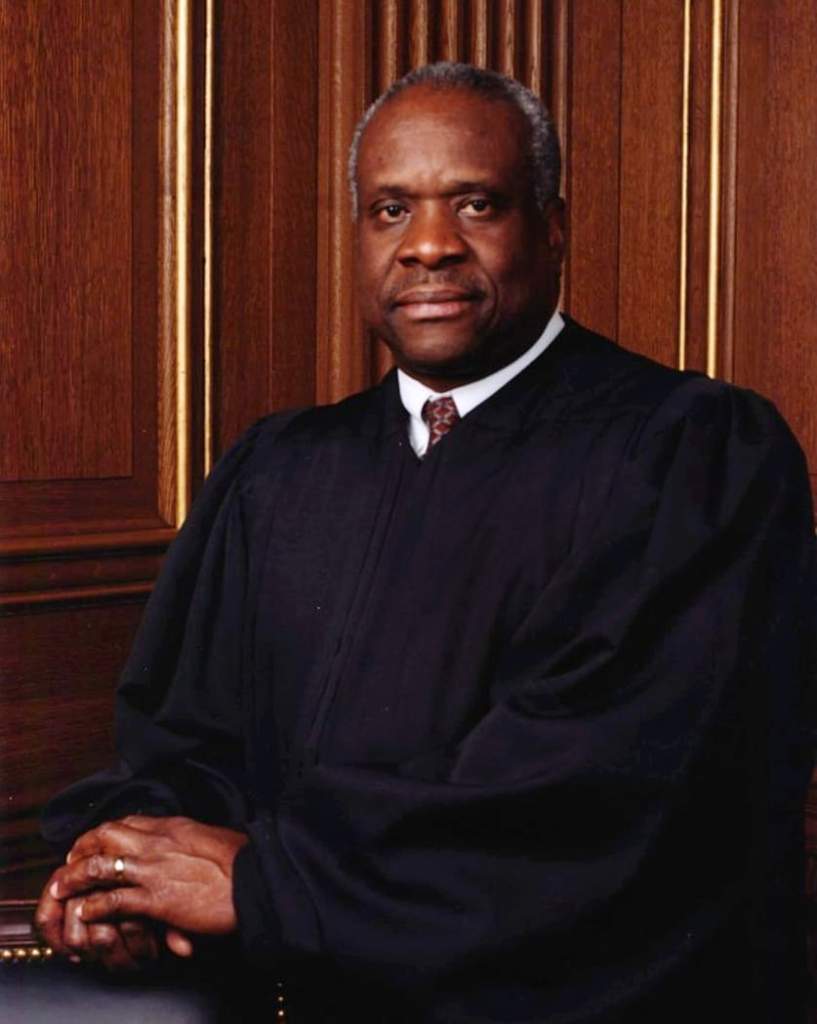
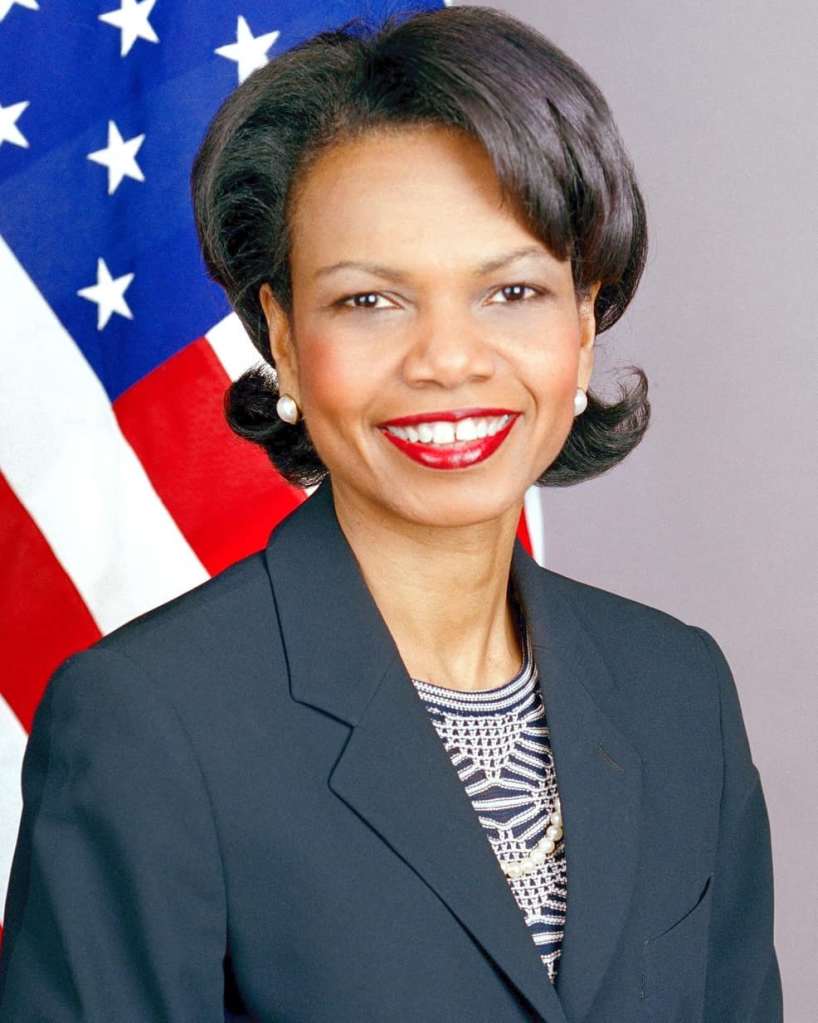

2/19/20 – #BlackHistoryMonth is as much about education as it is about perception. It can be celebratory while still being able to come to terms with the reality of division. A great example of this phenomenon can be found when examining the #BlackRepublican. Nothing stands to invalidate a Black person’s accomplishments more than becoming Republican. #ClarenceThomas is the 2nd African American to serve on the #SupremeCourt and his name doesn’t get mentioned when we think of Black History because of his political alignment. #IdentityPolitics plays an increasingly large part in elections and within a two-party system it leaves little room for a Black person to make a nuanced decision. . We should first discern the difference between the Conservative and Republican mindsets because one is more forward-facing than the other. In short, Black Conservatives can still be Democrats. While they carry socially conservative views, they can still align as a Democrat. Republicans play a different game and it has a lot to do with conflating Conservative and Republican values (or lack thereof) when it comes to Black people. Once the parties switched Republicans were no longer seen as progressive and as a result, stood to lose the #BlackVote. In order to become attractive, Republicans needed to rebrand the perception that they do not care about Black people. So began with the term #FreeThinker. Innocent enough while branding the other side as #GroupThinkers. Once a Black person signs off on White ideas, it is validated in a way that feels impenetrable. Black Republicans began to see themselves as those who “escaped the Democrat plantation” and can think freely. . I would be here all day if I tried to break down the problematic nature of this thinking so I will sum it up as such: Black Republicans are an excellent example of White Supremacy in Blackface. I’m not speaking of the overt explicit nature of White supremacy but rather the endorsement of White racist ideas through Black voices. That is why Thomas, Carson, Rice, and the rest of the gang have been written off as individuals that have not contributed to the progress of Black people. They have repackaged White sentiments and placed their own identity to it.
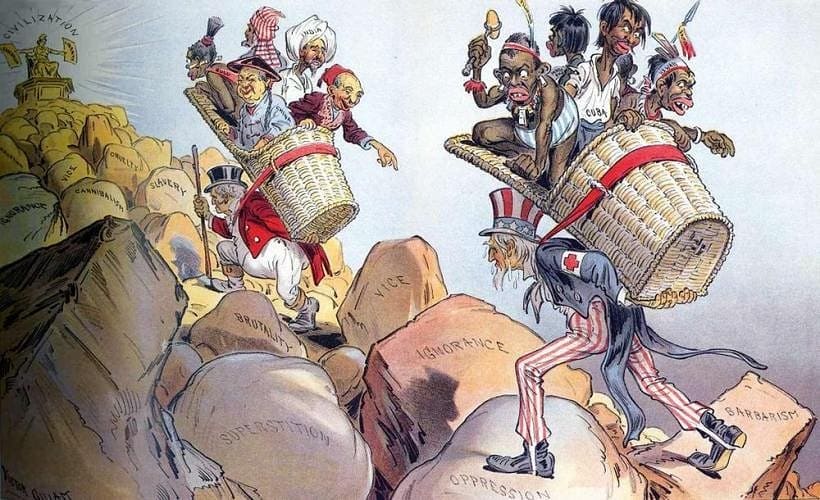
2/20/20 – Understanding the origins of the #BlackConservative requires an honest look at the mindset of those with the power to create change. At its core, the Black Conservative ideology looks to create independence from ones own community. The conflict is that it can be systematically improbable to sustain without the help of White people that have the power to change the system. The added layer to that conflict has two names, #WhiteSaviorComplex and #WhiteMansBurden and both have serious impacts on Black communities. . #RudyardKipling‘s poem The White Mans Burden talks about the moral obligation White people have to “save non-White populations and bring them to civilization”. For those not reading enough in between the lines, this is a great example of White supremacy in poetry. This White Savior Complex is played out in movies where the common trope is a White hero looking to save a population of POCs from something (usually another) White person has created. Black Conservatives could see this and looked to combat against it by looking to create their own communities with less government intervention. . That is why the distinction between Black Conservatives and #BlackRepublicans is so important. Black Republicans not only embrace the ideals above but endorse them with their own identities and voices. Much of #BlackHistory deals with the reckoning of the White/Black power dynamic and how to create a racially sustainable environment whole holding those with power accountable. More tomorrow! #ShareOurRoots #BlackHistoryMonth
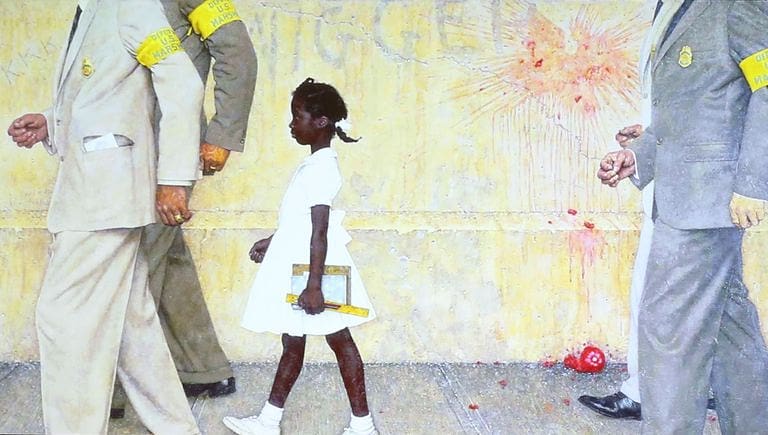
2/21/20 – What does true #CulturalAssimilation look like? Where do we draw the line between appropriation and assimilation? While the goal of #BlackHistoryMonth will always be to educate, how can any institution implement the educational aspect without appropriation in some way? Often times, White America (and even Black America at times) treats slavery and segregation as a mystery of the past as if its presence isn’t currently felt. It’s effect on you depends on how well you have assimilated into American culture as a whole. . #RubyBridges as well as a number of other Black heroes are the face of #integration. When she walked in William Frantz Elementary School in 1960, she sat alone in a White institution to prove Black people could appropriate a “White education”. Legally, she was assimilated into an all-White institution, socially we’re still not there we are still in a state of appropriation. Assimilation requires acceptance to some degree. When we hear White children trying to rap their favorite song or even #Gentrification as a concept, whether or not they’ve assimilated depends on our cultural acceptance of them. . When I think about the future of Black children, a big factor in their experience in America is how are they internalizing their acceptance into American culture. #CodeSwitching is a coping mechanism based in appropriation but also an understanding that you have not assimilated well enough in your current environment to be yourself. In order to change that dynamic, those with power need to recognize that imbalance and look to change accordingly. This is also why I believe #BlackRepublicans appropriate White Supremacy. They are willing to part with their identity in order to assimilate which should never be an option. #ShareOurRoots
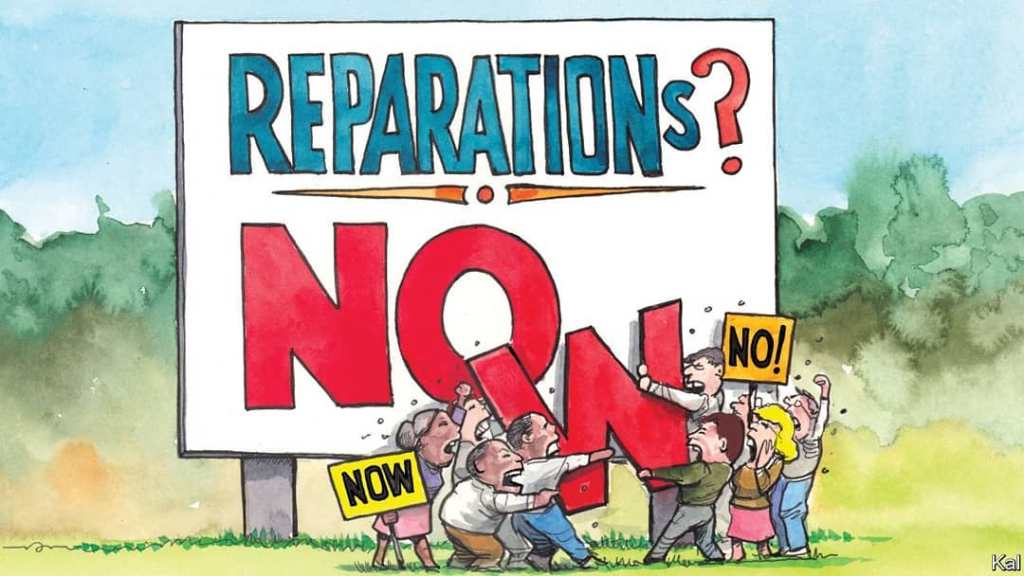
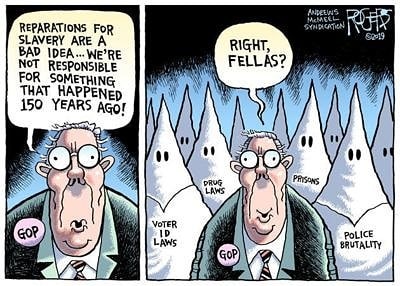
2/22/20 – Last year, on #Juneteenth, #TaNehesiCoates testified at the House on behalf the H.R. 40 bill that would establish a committee to study the need for #Reparations. #MitchMcConnell gave the familiar response: America shouldn’t be held liable for something it did 150 years ago. Reparations has been an interesting subject when it comes to #BlackHistory. As we have been learning about the history of systemic racism, we are becoming aware that though slavery has ended, the damage is still being perpetuated through laws and social practices that prey on marginalized populations. . America benefits on generational wealth. Slavery is a part of that generational wealth. We respect centuries-old treaties with countries signed by dead people, we pass down stories from generation to generation and hold onto those truths. Somehow when it came to this specific form of generational oppression, America chose to try to bury the narrative (this is an example of White supremacy). Mitch McConnell’s statements are contradictory in nature given he has been alive for much of the generational oppression we still see today. #Redlining, #StopAndFrisk, Wells Fargo and their predatory loan scandal, all of it. . Between the stories of #Incarceration, need for #AffirmativeAction, and #InstitutionalRacism we’re at a crucial point in our history where America needs to begin handling it’s past. We still have yet to get there and in order to give an honest look at the future of Black History we need take our whole history into account and atone for it. #BlackHistoryMonth #ShareOurRoots
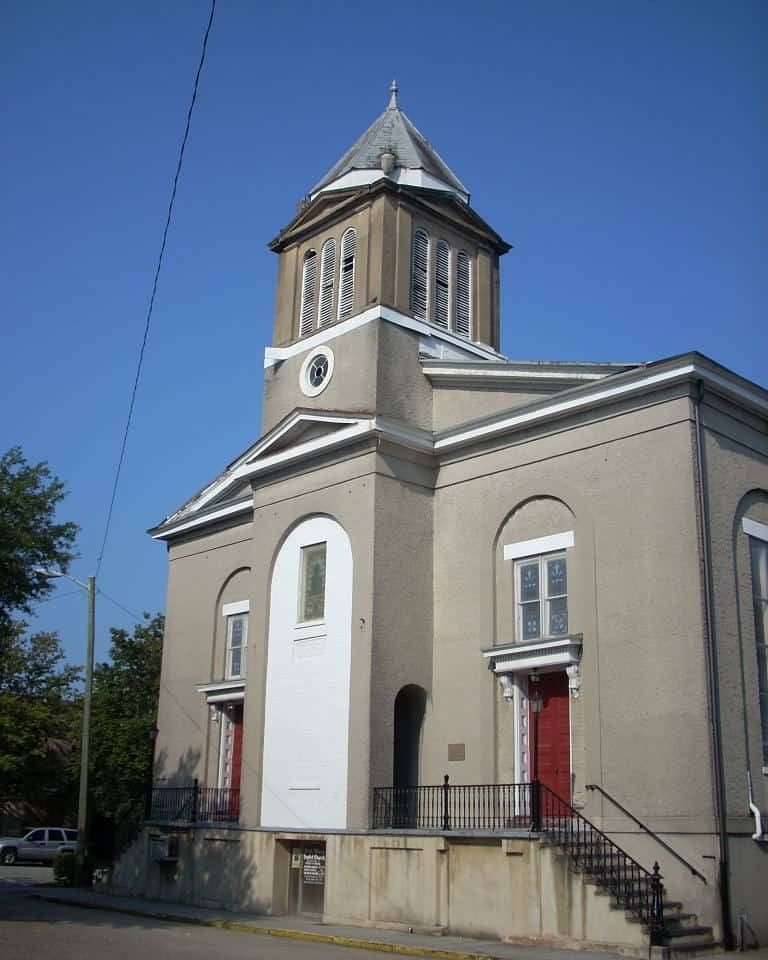
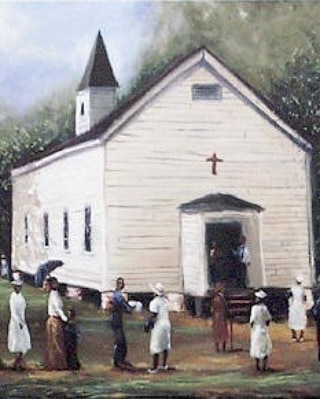
2/23/20 – #TheBlackChurch *is* #BlackHistory. When we consider the movements, rebellions, marches, and many other resistances, there is some relationship with the Black church. The #CivilRights movement largely worked out of churches. As far as gatherings go, it is one of the only places Black people could historically congregate freely. If someone needed to organize a protest, your church was the first place to talk openly. Black churches began to pop up around the time of the #RevolutionaryWar. Segregationists did not believe Whites and Blacks should worship together. This is still practiced today as churches remain largely segregated across the US. Though the messages are generally the same, the delivery and style of worship are different. The charismatic style of the Black preacher would influence many of the orators of the 19th and 20th centuries. . It is interesting to consider how enslaved people and their masters end up worshipping the same god. During the #GreatAwakening, Evangelical Baptist and Methodist preachers traveled around the South and appealed directly to the enslaved people and it led to small black congregations popping up on plantations. Religion played a large part in #NatTurner‘s rebellion and following it, Black people were only allowed to congregate en masse if there was a White preacher or minister. As more Black people became free, eventually they would form their own denominations, the African Methodist Episcopalian Church would be one of them. But today there’s a different obstacle to face. . There has been a steady decline in the church going populations across the US. This has a significant impact on the Black church considering its standing in the Black communities. Part of that decline can be attributed to the church failing to adapt to the younger generations. Historically, churchgoers are socially conservative. There are still Black churches today that do not do same-sex marriage ceremonies, for example. Because Black politics intertwine with the messages being conveyed at church, there is a growing disunity with the growing concerns of Black progressives and the church populations. We should be examining this relationship.
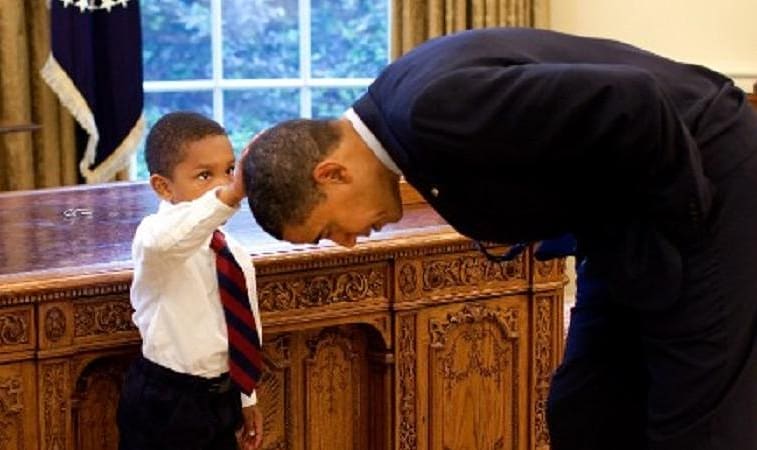
2/24/20 – #BlackHistory is as much about experiences as it is about education. While we have spent the month pouring over facts concerning American history, your experience contributes to what we will eventually do with this information. Let’s take this child, Jacob Philadelphia, for example. Of all the things he could have asked #PresidentObama he asked him if his hair was like his. Rather than telling Jacob, Obama chose to show him, to let him experience the answer. I’m certain Jacob got more out of that interaction as a result. . If we think about how American history is taught in school, who is telling the story and how is it told? How can we engage those whose story is only partially told or left out all together? Integration of schools should also mean integrating the stories of the students you are bringing in. We have all felt the feeling of being somewhere where you didn’t exactly fit but what if that experience is perpetuated in the classroom? #RepresentationMatters and just like Jacob, some things need to be experienced in order for them to make an impact. . With less than a week left in #BlackHistoryMonth I’ll be looking toward the future and where we can all start to do work. The #BystanderEffect is always in play and it is easy to hope someone else will pick up the torch and remain apathetic. Both education and experience require action and I think given this is an #ElectionYear, action needs to be made a primary goal. So let’s make the last week a good one! #ShareOurRoots
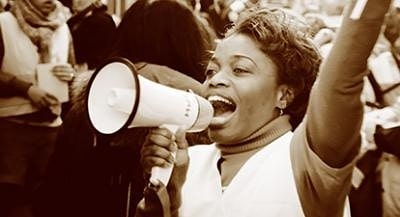
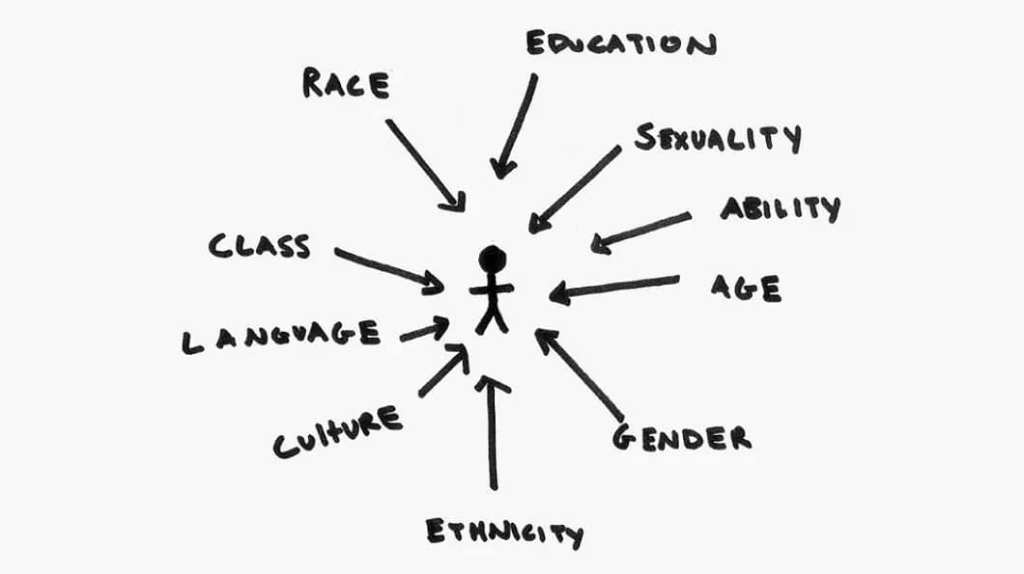
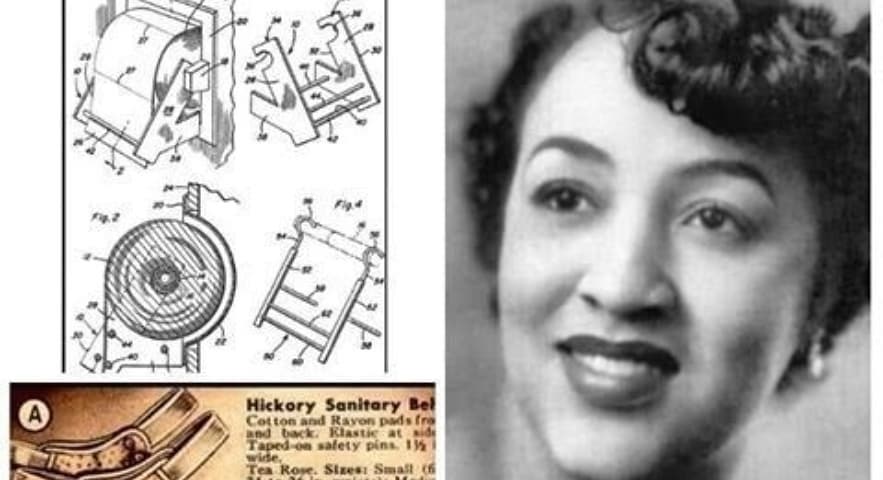
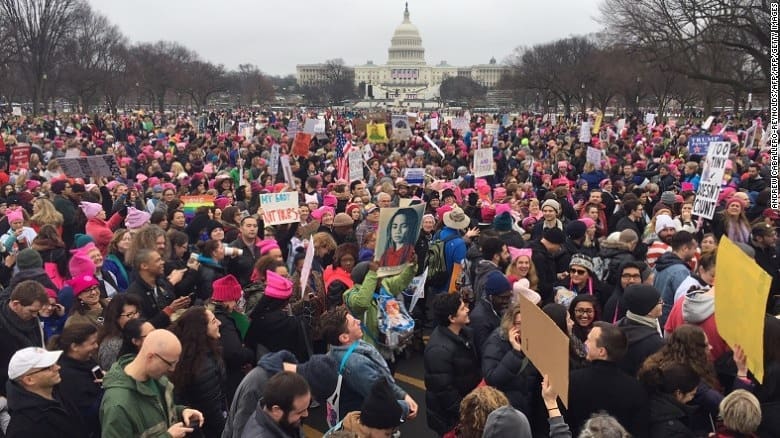
2/25/20 – As we begin to wrap up #BlackHistory month, it’s crucial that we continue to analyze the number of ways #intersectionality can be explicit and implicit when discussing oppression. Often when we discuss racial discrimination, Black men are generally the first to be thought of just like when we discuss gender discrimination, White women are usually the focal point of the conversation. Black women occupy an interesting sphere in which they are affected by both but have found themselves in a distinct gray area that no one else can occupy. Let’s take #GeneralMotors in 1964 for example. Prior to 1964, GM did not hire a single Black woman until the #CivilRightsAct passed. Until then, Black women simply weren’t considered. . #MaryKenner (3rd photo, thanks @paginadulce) was an American Inventor. She created the #SanitaryBelt in the 1920s that could hold menstrual pads in place which could allow for women on their periods to stay mobile. This was at a time when women generally stayed home during their time of the month. It would take 30 years before she could get the idea patented because she was Black. On the other hand #MelittaBentz created a coffee filter in the 1920s and experienced no issues when filing a patent. We’re experiencing the same gender living in two different worlds. . This will continue to be covered tomorrow but the takeaway for today is understanding that #BlackHistory has multiple layers to analyze and when evaluate the #MeToo and the #PussyHat Movements we see and hear the White woman’s voice but we need to be critical of how the Black woman’s voice can be lost in the fold almost purposefully whenever the conversation of oppression begins. #ShareOurRoots
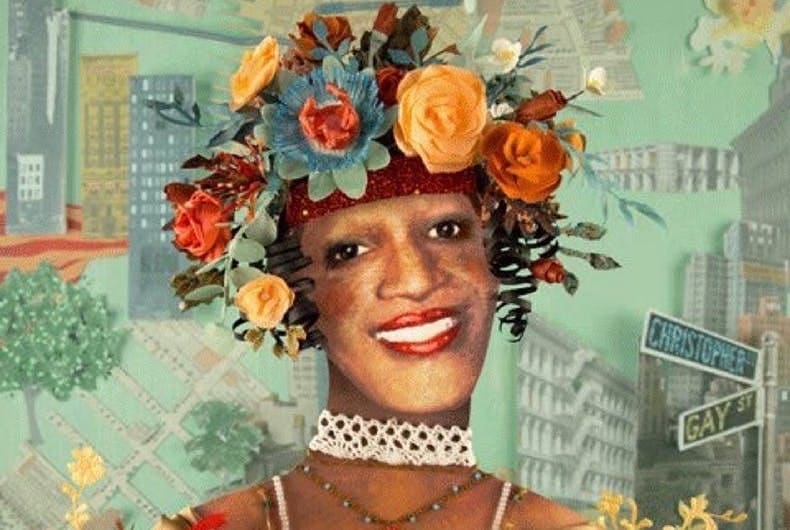
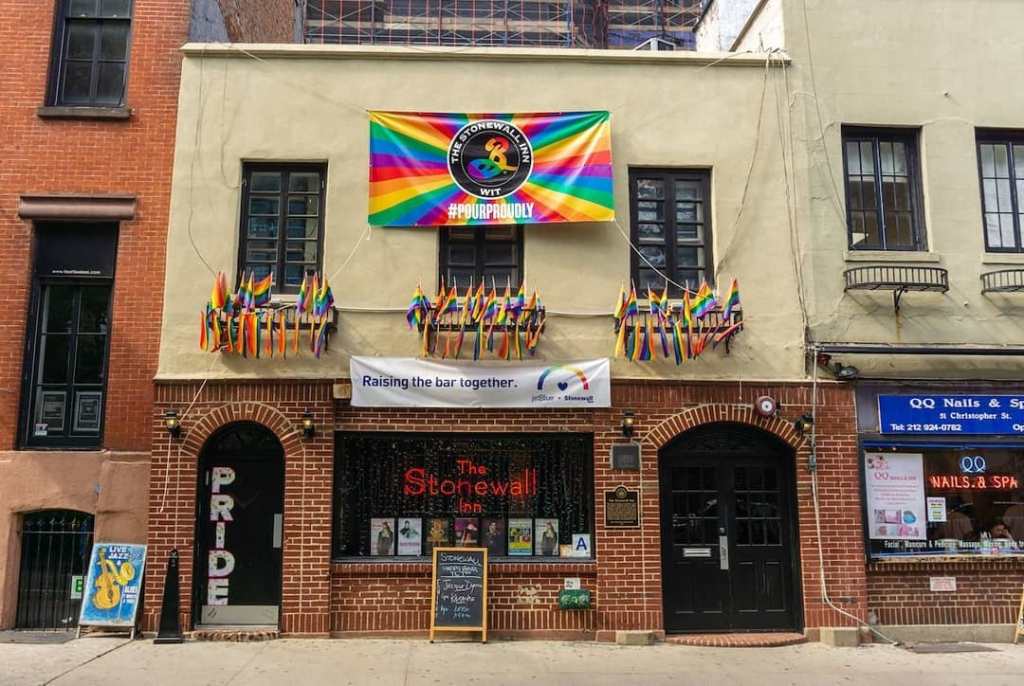
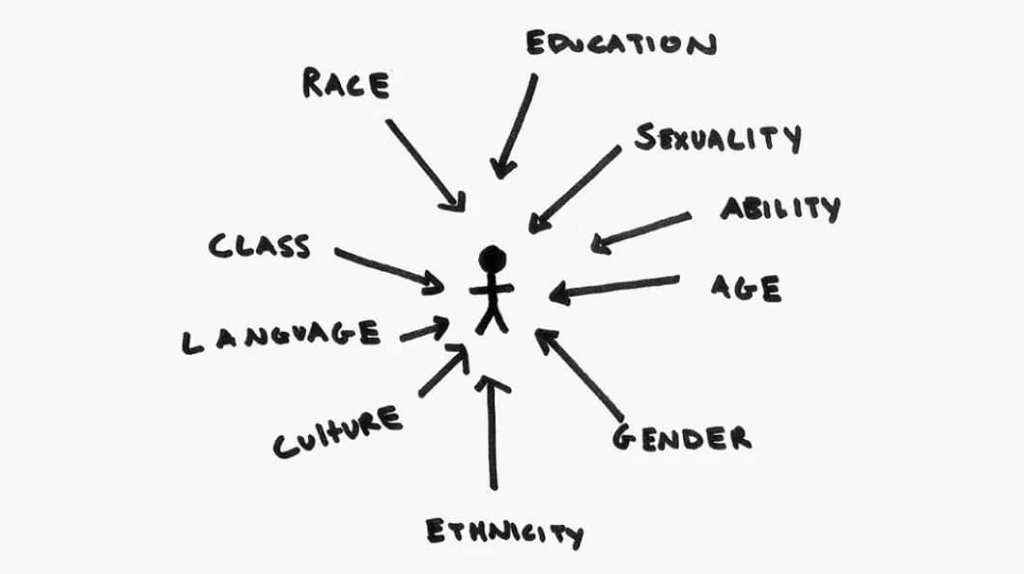
2/26/20 – Continuing yesterday’s post on #intersectionality, we look at the stories #BlackHistoryMonth is always ready to tell vs the ones it is still grappling with to some degree. #MarshaPJohnson‘s story can spur great conversations around #GenderNonconformity, #TransRights, #LGBTQRights, and how all of those subjects are viewed through a racial lens. Intersectionality was coined by #KimberleCrenshaw (who I’m sure we’ll be speaking about for future Black History talks) and discussed the different ways oppression can intersect based on race, gender, sexuality, religion, and a number of other factors. When we are unable to directly confront those issues as a Black collective, we cannot expect those that hold institutional power to do the same. . Marsha P Johnson was born #MalcolmMichaelsJr. Johnson was gay but her family did not generally accept her as such. The environment itself was not accepting of homosexual behavior at the time. It was still against the law in most states in the 1960s. Johnson would eventually move to #GreenwichVillage and meet more people that shared her story and would eventually be comfortable enough to be openly gay in New York City. #StonewallInn was initially a place for gay men and did not allow women and #DragQueens. Johnson was a drag queen so she wouldn’t be accepted into the bar until much later. When the #StonewallRiots occurred in 1969, Johnson’s involvement it’s still difficult to parse out. . Johnson would eventually become a #GayRights activist but because her story and appearance wasn’t (and still isn’t to some degree) generally accepted by the public, her voice gets lost and it isn’t by accident. Johnson’s story has slowly been retold and she even has the #EastRiverPark named after her in her honor as of this month. If the end goal is to restore power and voices to those that have neither, we all have to do a fair amount of listening rather than speaking. Unity is a powerful tool for any movement, especially when driven by education. #ShareOurRoots
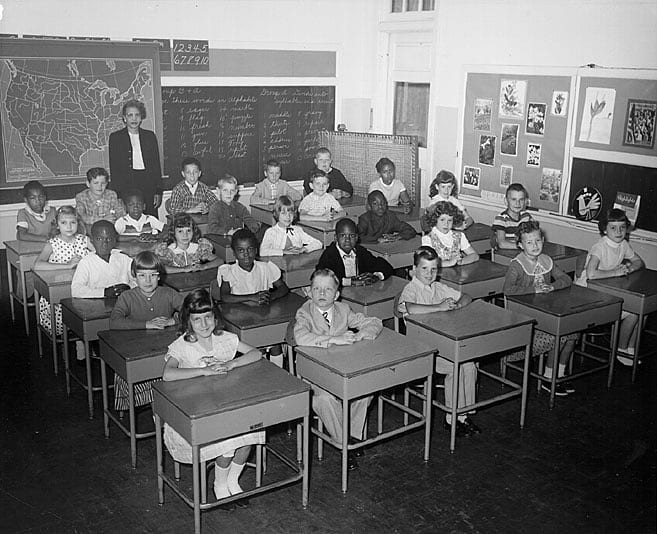
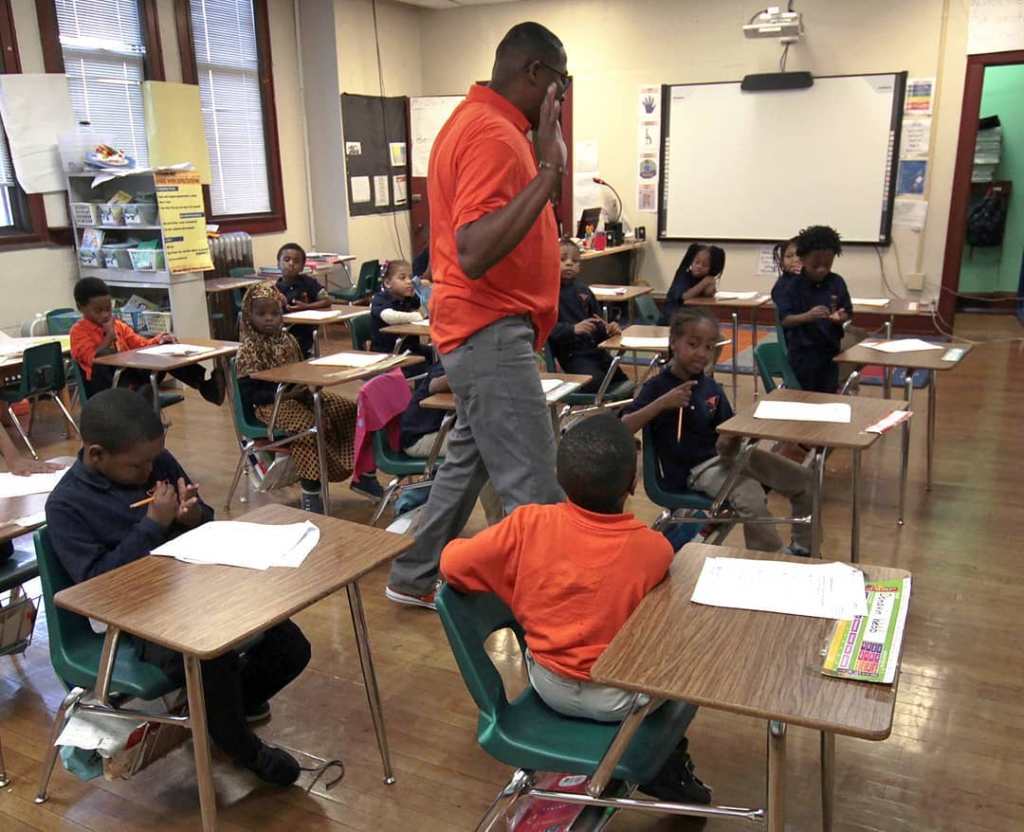
2/27/20 – Before #BlackHistoryMonth comes to a close, I do think it’s important to challenge us to connect the dots. Given everything we have covered over the month it’s worth asking, “Who’s in charge of teaching children about race? Religion? Gender? How old should they be? Are the ages different based on the race of the children?” If we want to remain effective in the conversation surrounding race and #intersectionality, we have to be willing to hold ourselves accountable when it comes to these conversations. Even though schools are integrated to some level, these questions are what ends up dividing a school from doing important work. . As an educator, I often hear Black parents tell me that the school can provide the academic education and they will take take of the “social education”. They feel they cannot trust that the school will do a good enough job to cover race in it’s totality. The home/school partnership has to be exactly that. We should be able to supplement one another. However, it falls apart if White educators and parents do not believe teaching about race is beneficial. Black parents see that and can lose trust in a school to do it’s jurisprudence when it comes to integrating race into its curriculum. . If we’re being honest, school integration cannot work without neighborhood desegregation. All of these factors are connected. Though POC students are in White institutions, are the statistics felt? Are they truly integrated and represented properly? The future of Black History rests in the classroom. If we cannot bring in the past for criticism as it concerns race, we will fall right back into the cycle. So far, America sees race as an “Opt-in” system, that those that want to talk about it only need to take the dive, whereas it should be an “Opt-out” where those that do not want to speak about it are held accountable for their absence. #ShareOurRoots
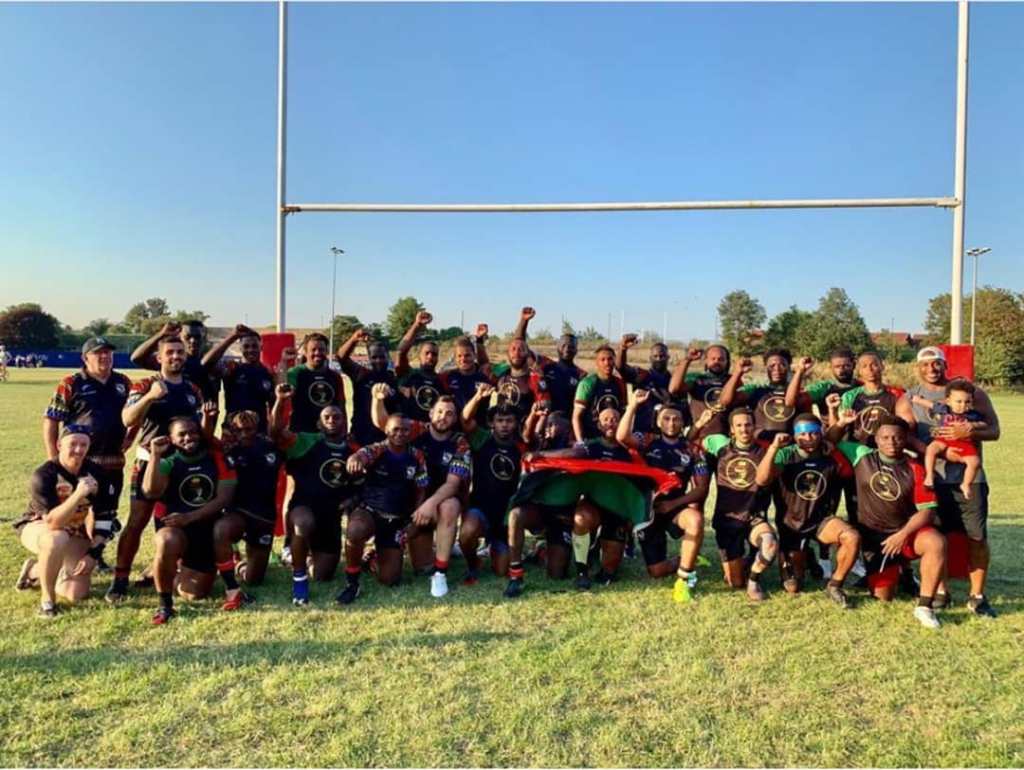
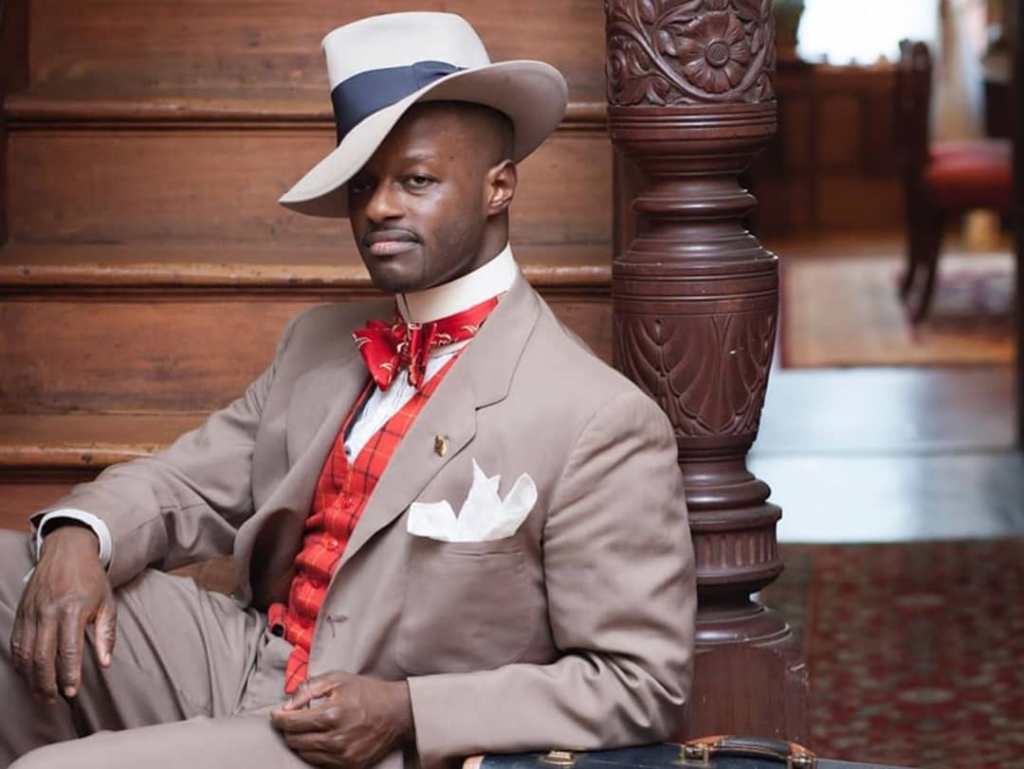
2/28/20 – For the penultimate post, what does representation look like? Just like yesterday’s post, statistics can be brought into the conversation but are they felt? Back in the 1940s, Kenneth and Mamie Clark designed a study to detect #AntiBlackBias. The basis of the study pointed out that children as young as 3 internalize White as good and Black as bad. Part of that perception is due to a lack of positive Black role models. If a child cannot see themselves in a desired role, it will be difficult for them to strive for it. . Doctors, entrepreneurs, entertainers, athletes, teachers, and etc all have slightly different obstacles pertaining to race but one factor that remains clear is the need for positive representation. #BlackHistoryMonth tries to boost the number of positive figures Black children can see and feel represented through positive stories but the prevalent obstacle is #WhiteFragility. Being unable to talk about race in predominantly White spaces prevents Black people from representing themselves in a way that feels true to them. One doesn’t need to be racist to enable racist tendencies. If we cannot communicate about the racial barriers, how can White people understand they are there? . One way to create a network of representation is to start with great friends you look up to. @geeranby and @teenana.g helping Black athletes discover their power, @rockyandthecity, @tiff2108, and @lboogiebaby88 being Black doctors, @msepiphany and @stylesinseams taking a giant leap toward Black entrepreneurship, @wrg2103 working in an Ivy institution to make sure representation is present, @dandywellington reclaiming the 20s and Jazz age for #ContemporaryBlackHistory, and a host of other friends that make sure you find a platform to tell their stories. #BlackHistory lives through you everyday and will allow us to hold each other accountable. #ShareOurRoots
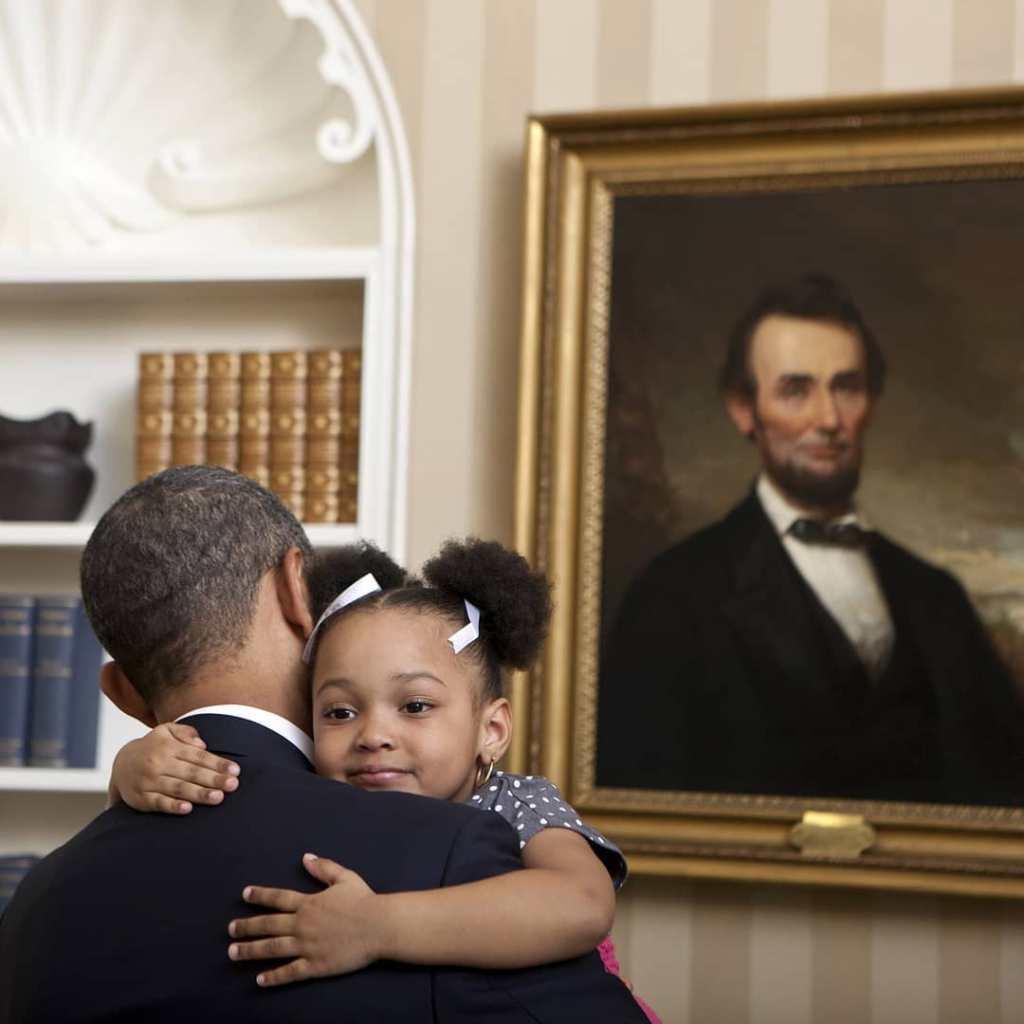
2/29/20 – For the last day, I want to remain optimistic. While there’s still plenty of work to do, there has been many accomplishments as well. Because the nature of race relations is always evolving so should our education. We all need to continue to build our stamina when talking about race. #BlackHistoryMonth, as a concept, doesn’t happen without building the stamina. You owe it to yourself and your spaces to get to be who you are. So I just want to say thanks for reading! All the messages, both supportive and critical, are important to gaining more clarity. You are all awesome. Now back to our regularly scheduled programming. . Happy #BlackHistoryMonth! #ShareOurRoots
2021
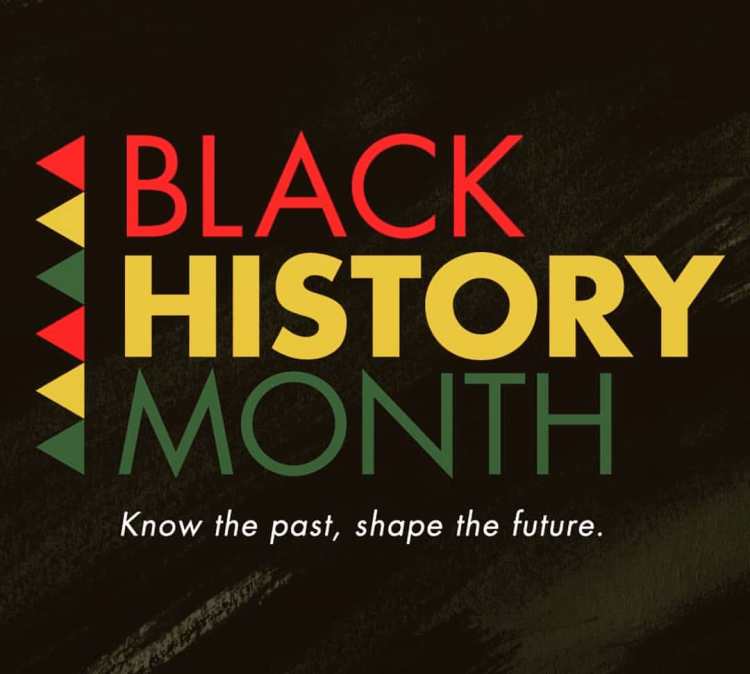
2/1/2021 It’s that time again! The name has changed (temporarily…maybe) for the month to turn our focus to #BlackHistoryMonth. For any new followers, I will be posting something everyday for the month of February that focuses on Black History. For past entries, feel free to check my profile or you can actually take a look at my website (TheWork.Education) to see how I have covered this month in the past. As always, thanks to @geeranby for starting us off so many years ago and thanks to @rootsrugbyfamily for the platform!
The #BHM theme for this year is #TheNewCivilRightsMovement. I have hinted at aspects of it in the past but this year we will be taking a look at some of the figures, events, as well as the theories presented by our newest chapter in American history. Exploring the complexity of race in America can be a stressful and laborious task but with anything we want to get great at, we must continue to practice and have conversations. For anyone looking to do a bit more, feel free to journal thoughts as you make your way through the month. You would be surprised looking back on how much ground you can cover in just a month of writing! It will also help you see your blindspots, biases, and where you can drive the conversation further! I am excited to embark on this educational journey and I hope you all are too! #BLM#TheWorkRacialLiteracy#RootsRugbyFamily
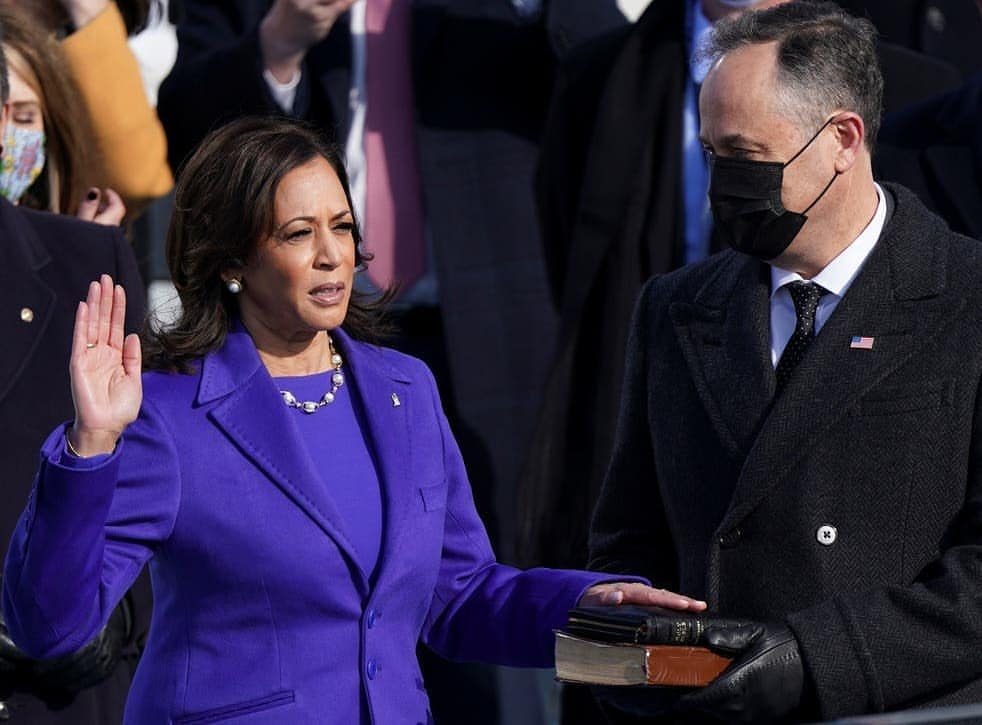
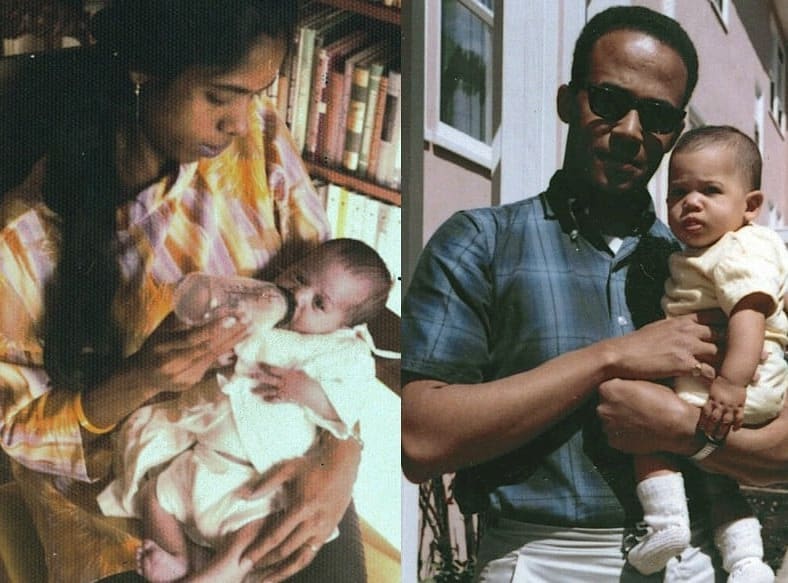
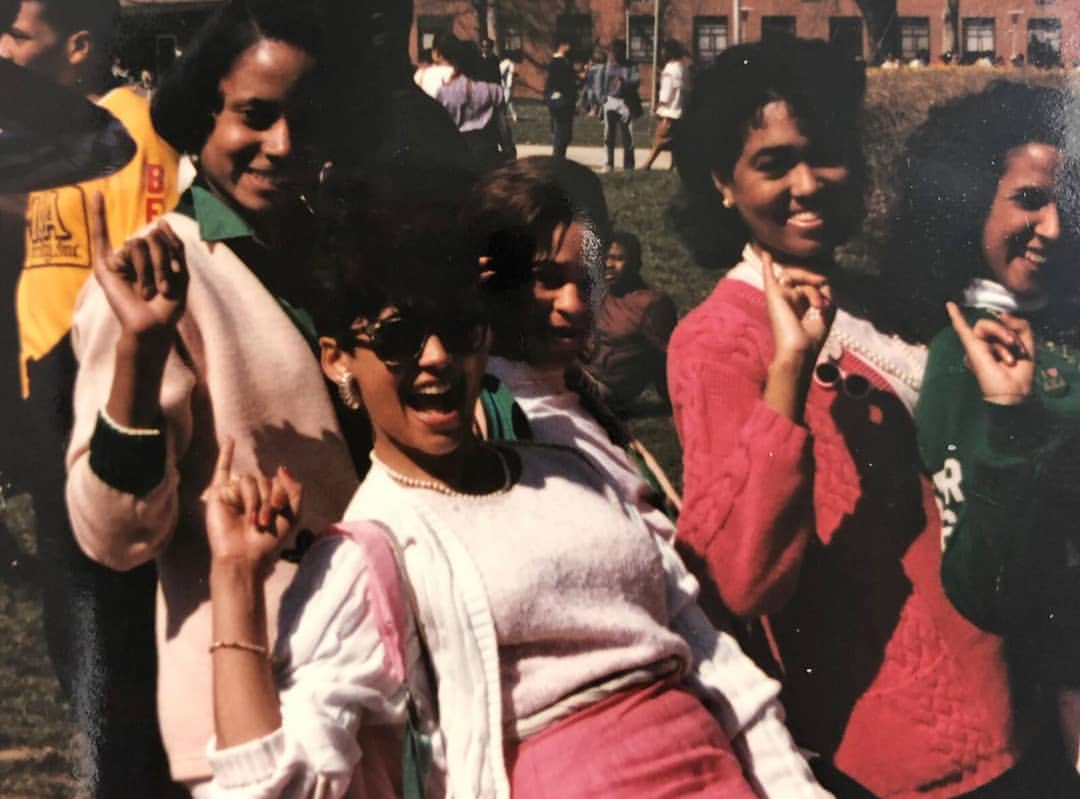
Kamala Harris taking the oath, w/ parents (top), member of AKA Sorority (bottom)
2/2/2021 – Our 49th #VicePresident is a great first stop as we explore what the #NewCivilRightsMovement looks like in real time. While she is not the beginning of the new movement, nor the end, it does show the power of persistence. Harris comes from immigrant parents and grew up in Oakland, California. Her mother, #ShyamalaGopalan was a biomedical scientist who came from India and her father, #DonaldJHarris was an economics professor at Stanford University. Though her parents would divorce when she was seven, Gopalan wanted to give Harris multiple avenues to explore her multiethnic heritage. They would visit Black churches as well as Hindu ones. Gopalan’s mother was a civil service worker in India and had influenced Kamala heavily around women’s rights. It should be noted that this was all happening around the 70s and race was still being discussed as a prominent issue. Harris would be a part of a desegregation program that would bus her to White schools. From her mother’s perspective, it was important to have a strong sense of self in spaces where it would always be challenged.
When her mother took a research position at McGill University, Harris found herself in Canada at the age of 12. It is said that is where she began to have aspirations to become a prosecutor when a school classmate confided in Harris that she was being abused by her father. Harris’ family took her in and it gave Harris a sense of purpose. She could follow in her grandmother’s footsteps. Harris would attend #HBCU#HowardUniversity where she would also pledge #AlphaKappaAlpha. In the spirit of her mother, she sought to explore and celebrate her identities. As a POC prosecutor, her role showed the complex relationship of race, law enforcement, and the judicial process. In a time where thorough examination of criminal justice will take place, Harris’ evolved positions may find themselves under the spotlight soon enough. It will be important for Harris to embrace and acknowledge her growth as a prosecutor, senator, and vice president to show there is always room for growth and that acknowledgement could set the stage for so many to think about how they can follow in her footsteps. #BlackHistoryMonth

Stacey Abrams and Latosha Brown
2/3/2021 – Personally speaking, if anyone should have been visible in the first row of the #Inauguration, it should have been #StaceyAbrams and her team. I recommend reading the January 7th post of @RootsRugbyFamily for more context on Abrams’ contributions to the #BidenHarris election as well as #RalphWarnock and #JessieOssoff’s senate victories. I wanted to take this post to focus on what her work means going forward for all of us. Both she and #LatoshaBrown mobilized a state that had not been flipped for over 25 years. Persistence will be crucial over the coming years to maintain the momentum but their efforts raise larger concerns over the growing divide over voting rights. #VoterSuppression, #VoterID, and the accusations for #VoterFraud seeks to derail the POC vote by delegitamizing Abrams and Brown’s work with marginalized communities. Over half a million voters voted for the first time thanks, in part, to Abrams and Brown’s efforts. In a truly just democracy, anyone over the age of 18 should have the ability to vote and have their vote count.
While the focus has been on protesting and the manifestations of activism over the past few years, #VotingRights has been a constant struggle for America. Since the end of the #CivilWar, America has steadily adjusted the legislation around voting. The #VotingRightsAct of 1965 was supposed to be the end but subversive tactics and insidious policies have allowed districts, as well as entire states, to continue discriminating and change voting requirements. The #ShelbyRuling of 2013 eviscerated the Voting Rights Act and as a result, many counties with racially discriminatory histories jumped in to undo the progress being made. It is on all of us to continue to not only vote but to educate others that are eligible to do so as well. The country does not hear you if you do not vote. #RootsRugbyFamily.
Quick note: @blackpowerinitiative also has done a great post on Abrams and Brown as well!
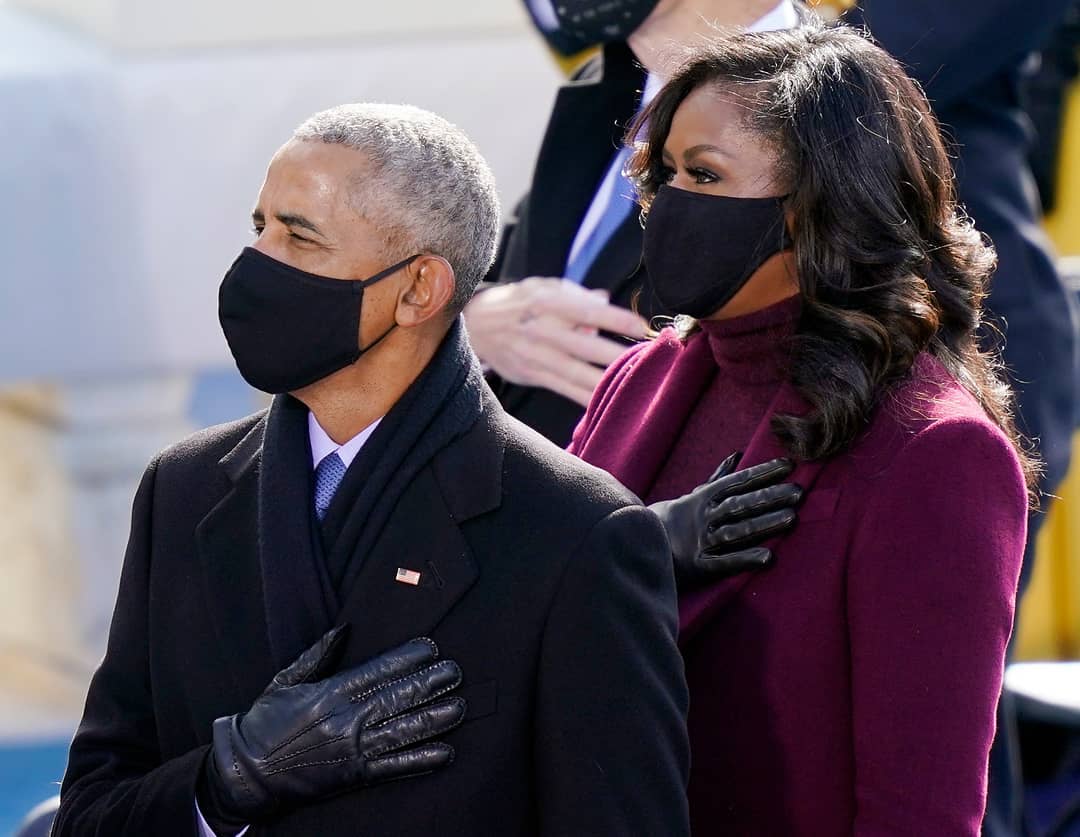
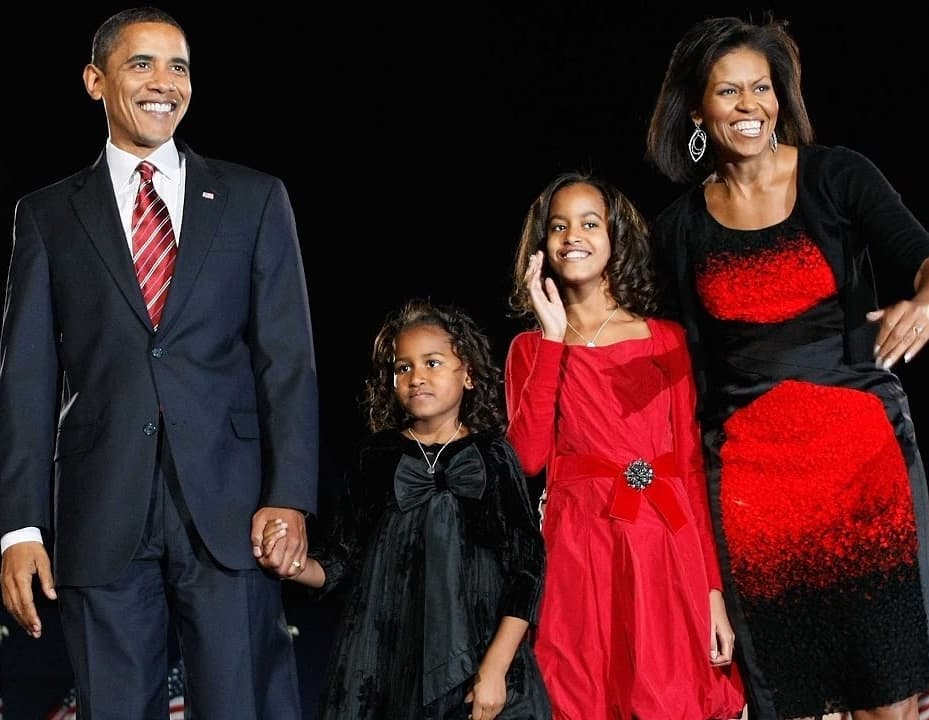
The Obamas
2/4/2021 – #KamalaHarris and #StaceyAbrams are great chapters in the #NewCivilRightsMovement but where can we theorize where the movement began? I have searched and many scholars feel the election of Barack Obama is likely the beginning but I would consider his election the prologue. His election as well as the portrayal of the Obama family was likely the first time the larger world had experienced Black America on an international stage. Everything Michelle and Barack did, and still do, would be heavily scrutinized. In many instances, this was part and parcel of being in a visible position as leader of the free world. The other piece, that is just as important, is the racialized lens America viewed the family through. In many ways, the Obamas were to represent the quintessential American family – man and wife, two children, and a dog. However, their acceptance into the fabric of the nation was thoroughly disputed, starting with rumors of his citizenship and simultaneously claiming his wife was a man. They handled the criticisms in pure stride with Michelle Obama eventually coining the phrase, “When they go low, we go high.”
But let’s deconstruct the racial atmosphere around Obama’s presidency. Prior to Obama, Black politicians were far and few in between since the #Reconstruction. Part of Obama’s rise had to do with his spotless scandal record. He, as well as his wife, had to be absolutely perfect in order to get elected. His ascension to the presidency will always be tied to Trump’s shortly after as well as Bush’s before him. Obama was well aware that there was no leveled playing field when he entered the arena and yet he still chose to. Michelle and Barack’s presence in the White House showed everyone it was possible for Black and Brown people to sit in the Oval Office. #RepresentationMatters and the Obamas rode that wave. Even still, it is always important to remember, when #RacialProgress is made, #RacistProgress is made shortly after. #TheObamas#ContemporaryBlackHistory#RootsRugbyFamily
2/5/2021 – The actual beginning of #TheNewCivilRightsMovement began in 2013 following the acquittal of #GeorgeZimmerman following #TrayvonMartin’s murder. #AliciaGarza, #OpalTometi, and #PatriceCullors started the Black Lives Matter network after a simple tweet. #BLM is decentralized, meaning there’s no headquarters or formalized structure. This amorphous structure has its benefits but also its drawbacks. On one end, anyone can pick up a matter in the name of BLM, making it extremely accessible for anyone that wants to get involved in activism. Simultaneously, the messaging can be misconstrued or taken out of context by parties with ill intentions. #SCLC and #SNCC would be called communists by the media, as well as anti law and order as a way to paint those groups as extremist. We are seeing the same tactics with regards to the BLM movement.
I would credit BLM as the catalyst for the New Civil Rights Movement because it centralized the conversation America needed to have, something #Obama could not have done. Utilizing social media, BLM was able to reach an international audience in a matter of seconds. Today, BLM protests have taken place all over the world as well as breathed life back into university activism. Its loose structure allows the movement to adapt to the criticisms that BLM has been faced with over the years. The message remains clear – police reformation is needed and the treatment of POC by the US justice system needs to be thoroughly evaluated. There are those that generally feel that “it shouldn’t be done this way,” or “this isn’t what MLK would have wanted.” MLK was shot and killed for his views. Protest, by definition, is about disruption and troubling the system. Let’s make some good trouble. #ContemporaryBlackHistory
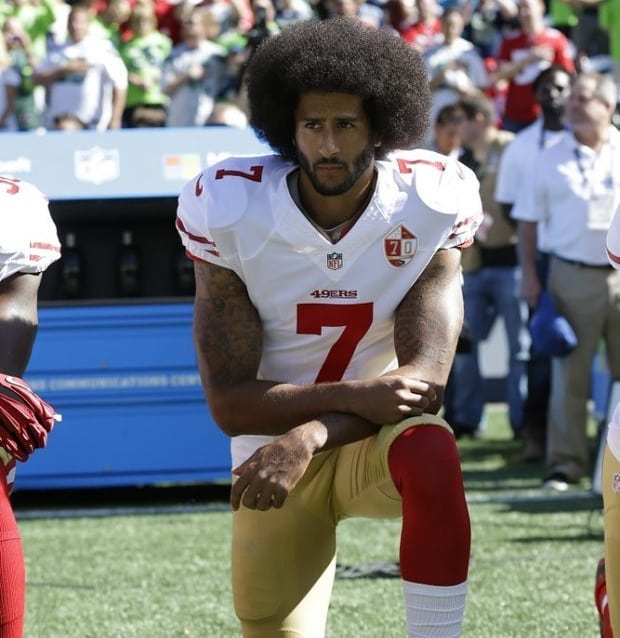
2/6/2021 – Hindsight is 2020 and if you were to ask #RogerGoodell how he would have responded to @ColinKaepernick’s kneeling protest now, I can guarantee that his answer would be very different from the one given in 2016 when the protests began. Following the deaths of #PhilandoCastile and #AltonSterling, as well as the shooting of #CharlesKinsey, and the acquittal decision for the officers that murdered #FreddieGray, Kaepernick began to sit during the national anthem before NFL games. It went unnoticed for 2 weeks and when finally asked he plainly stated, “I am not going to stand up to show pride in a flag for a country that oppresses Black people and people of color.” He would eventually kneel but just like with the #BLM motto, his protest and platform centralized the message yet again. Policing in America became the central topic and NFL fans did not want to have the conversation. Eventually, #Kaepernick would be blackballed and no team would sign him to “avoid distraction”.
Looking at the way sports has reacted to the 2020 summer protests, it is hard to see it as genuine. #LebronJames gets an honorable mention in this category for utilizing his platform to assist Kaepernick in his messaging but it shows how far America has to go before it is truly ready to unify and acknowledge its role in the brutalization of POC by police. All major sports in America began to embrace the BLM sentiment much to the chagrin of some sports fans that felt “politics” and sports should be kept separate. Police reformation should not be seen as a political issue but rather a humanitarian one. Kaepernick’s legacy will likely mimic #Ali, #JackieRobinson, and #JackJohnson, #TommieSmith, and #JohnCarlos. Every POC killed by the police brings the conversation back to Kaepernick and BLM and how America needs to look at itself, its *real* self. #RootsRugbyFamily
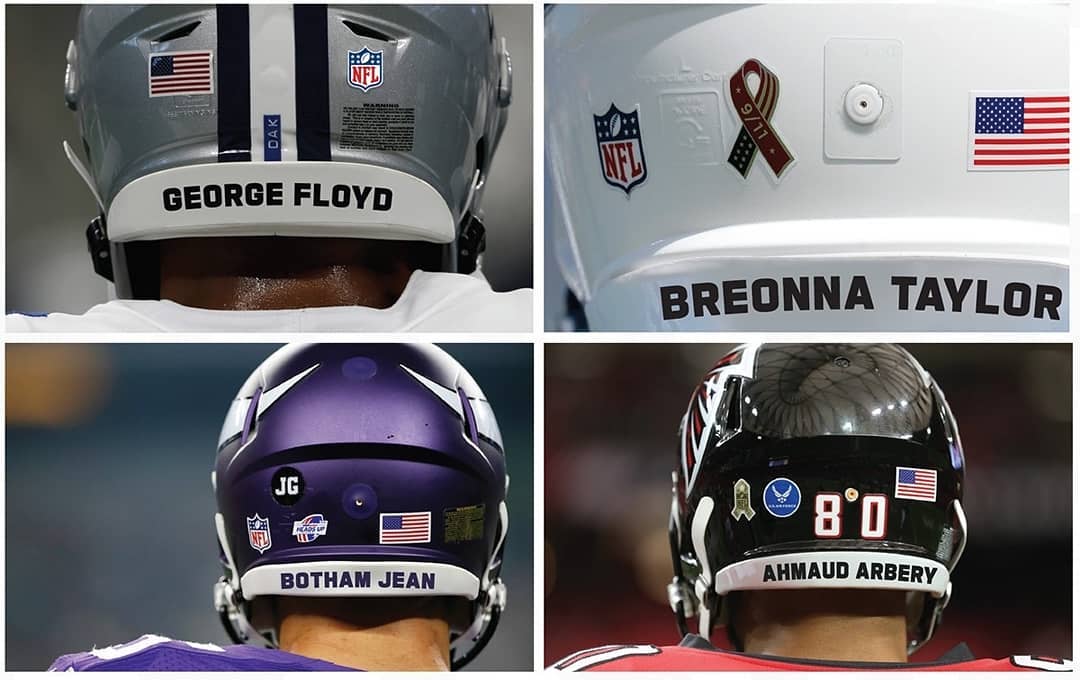
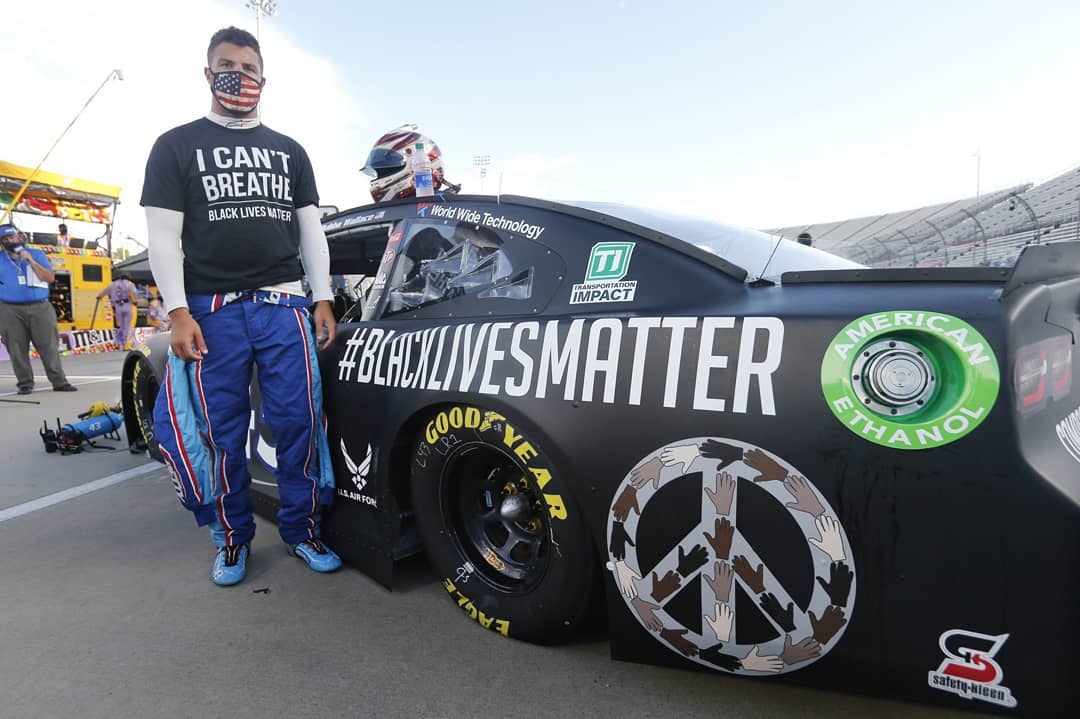
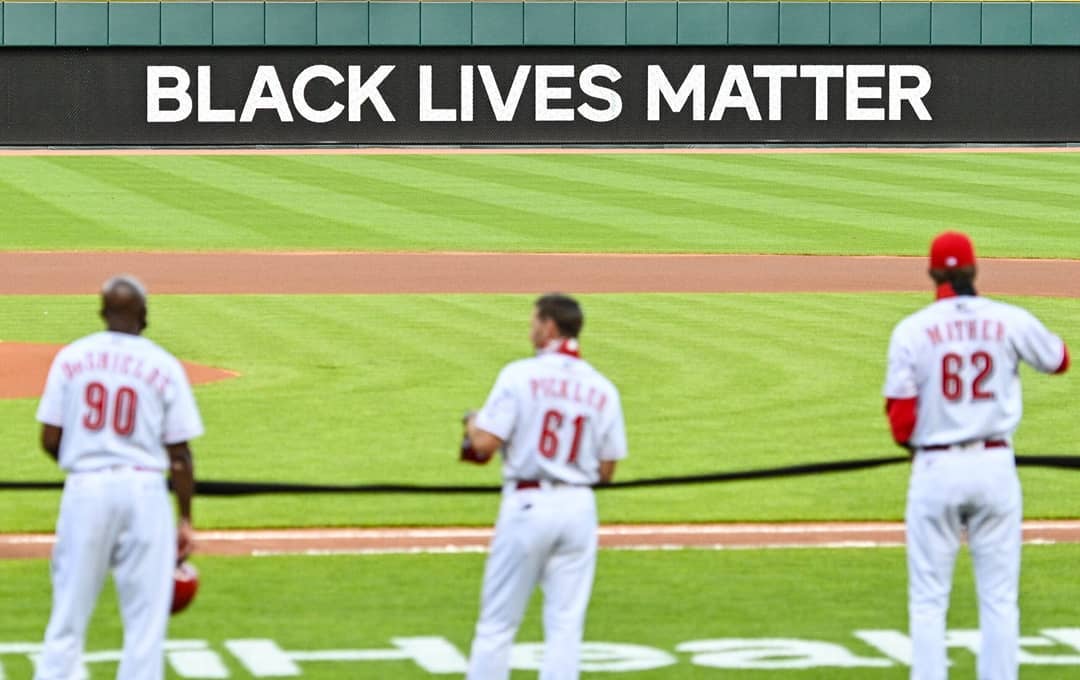
Capitalism and Activism in Professional Sports
2/7/2021 – The effect of #ColinKaepernick’s protest actually can be seen in real time simply by turning on a tv and flipping to any sports network. Part of the #NewCivilRightsMovement is learning about the capitalistic themes that emerge around protest. As I write this, activism is profitable. Prior to BLM spurring a conversation around police brutality, a patriotic protest of sorts was the wave before it. After 9/11, many sports teams began dousing their fans with patriotic symbols and paraphernalia. You could not go to any public sporting event without seeing or hearing about the numerous heroes around the #September11th attacks as well as those that fought in the subsequent wars. Its intent was to show other countries the US is still standing and will be united on this front and our athletes and teams – those with probably the largest platforms in the world will be leading us on. The impact of this protest/movement ushered in a new type of problematic policing partnered with a conflation of patriotism and nationalism.
Because of the mantle of being seen as a hero, policing had a brief moment where criticism would be seen as anti-american. As a result, this allowed heavy expansion into overt surveillance and even worse police practices going unchecked. Once Kaepernick used his platform to call attention to the behaviors exhibited, it was much too late. Patriotism *was* policing and calling it out was the same as calling out America itself. Once #BreonnaTaylor, #AhmaudArbery, and #GeorgeFloyd took place four years later from the first initial NFL protests, the other sports saw exactly what Kaepernick was calling out. There simply was no way to avoid it. So they did what any multi-billion corporations would do, they cashed in on it. Shirts, partnerships, promises, hashtags on the field, jerseys, courts, helmets, racing cars. It was a full swing in the opposite direction with little to zero accountability for prior behaviors. We are at least “talking about it” which is a win in many people’s books but once it stops becoming profitable for those teams/players, how will sport platforms move forward while being held accountable? #RootsRugbyFamily

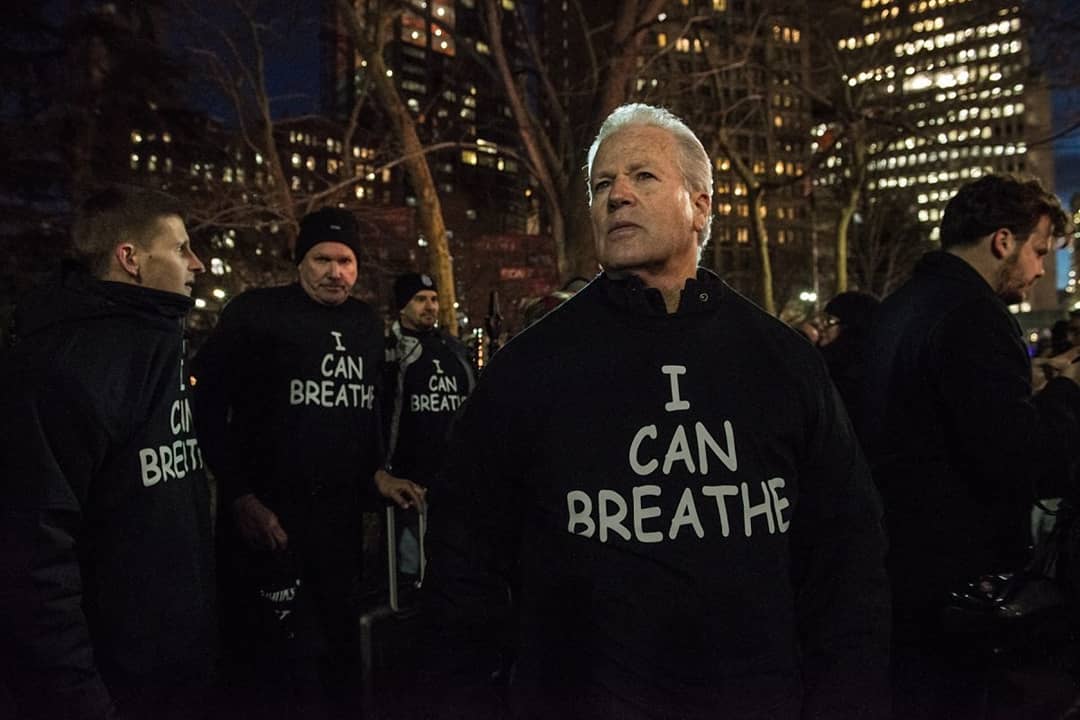
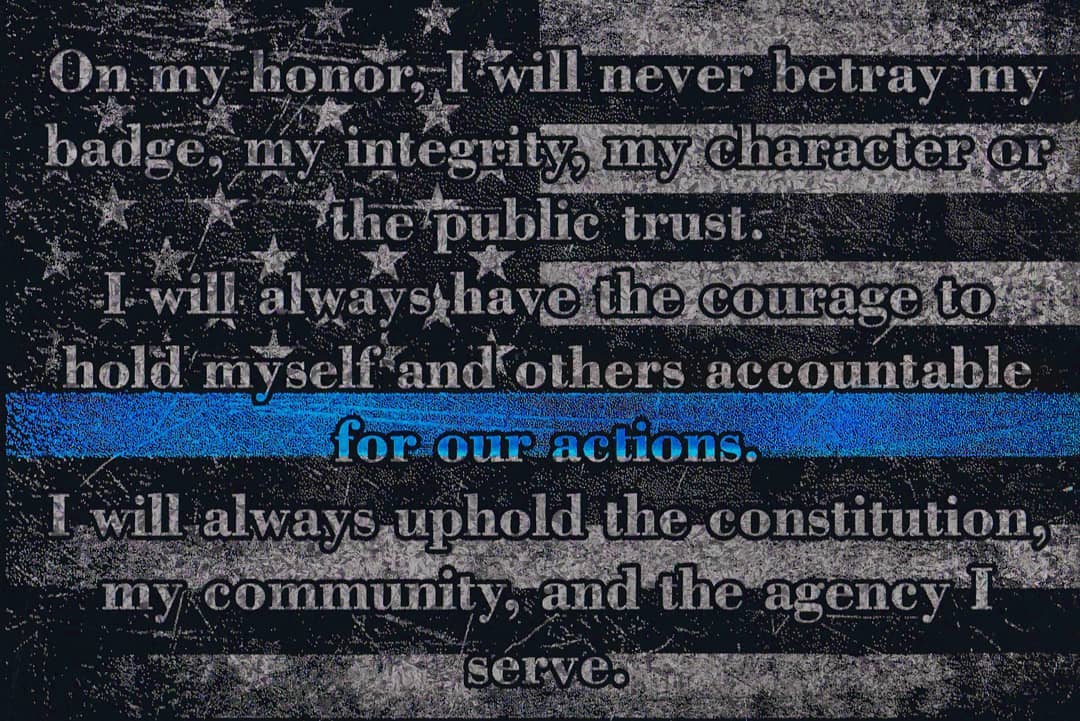
Connecting Police Brutality
2/8/2021 – The #NewCivilRightsMovement has taken up the torch of trying to reckon with some of America’s painful and problematic histories. For anyone watching the #SuperBowl last night, there were many calls to #StopRacism and #StandTogether but there were no discussions around where out why it is showing up. #ColinKaepernick, as well as many other athletes over the past few years, have made it clear that #PoliceReformation should be on the lips of anyone truly committed to The Movement. To some, this is a new focus but for anyone that has thoroughly covered American history, #PoliceBrutality showed up right after the first police units were formed in NY in 1844 as those units typically went after European immigrants at the time. For Black America, the policing in the South grew out of slave catchers and was largely used to hunt down fugitive slaves.
Before I go any further, I want to acknowledge that hashtags like #ACAB does nothing to further the conversation and will always create a rift between police and the populations they work with. There are some amazing as well as terrible people that become cops but it is important to make the distinction that I am focused on policing as an institution. Because #LawAndOrder has been a championed cause for many Americans, it has given way to corruption, abuse, and lack of oversight within our law enforcement. Those who join have to make the conscious choice to either ignore the institution’s faults and fall in line or stand up and help the institutions they work with to better serve the population they swore to protect. When you have people that err toward the former, you get #BlueLivesMatter and #TheThinBlueLine. For those that take on the latter, you face ostracism and potential termination. The #FergusonReport showed how deep-rooted the policing issue goes but there are those out there dedicated to working toward progress.They will be the focus this week! #BlackHistoryMonth#RootsRugbyFamily

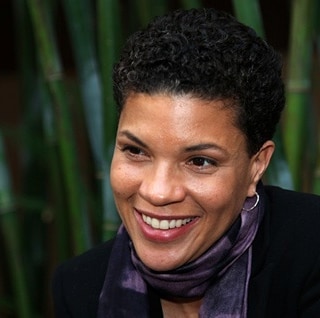
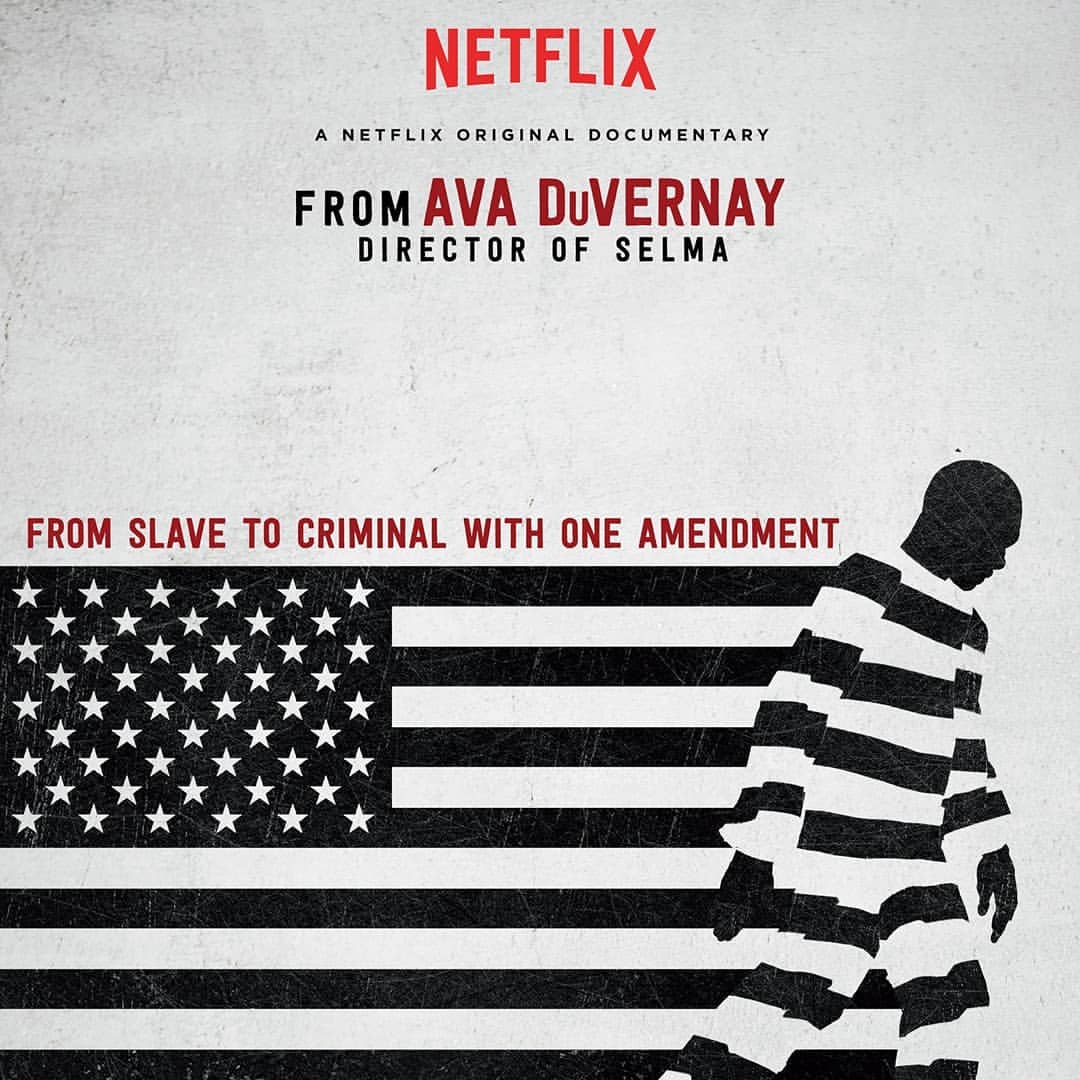
The New Jim Crow, Michelle Alexander, and The 13th Documentary
2/9/2021 – Building around assessing policing as an institution, #JamesBaldwin has a quote that says, “Not everything that is faced can be changed. But nothing can be changed until it is faced.” #MichelleAlexander’s book #TheNewJimCrow looked to not only face policing but take a closer look at our criminal justice system as a whole and evaluate where systemic and institutional racism can manifest. One of the uncomfortable truths of America is that we have a makeshift caste system that can casually adapt if not recognized in time. This is proven by analyzing how the American government dealt with Black and Brown people in the #ReconstructionEra. #Segregation, #Sharecropping, and worst of all, #BlackCodes made it very clear that, “Your free isn’t the same as my free.”
As far as a country’s government goes, #Voting is your voice. If you have a felony, you’ve lost your voice in some states and this was a deliberate move by state legislators. This is not a conspiracy so much as it is regulating who’s voices stays in power. I do not say this to be divisive but for us to challenge the morality of many of our laws. NJC not only shows how immoral our country’s government has been in the past but how devastating it can be in the future if we are not vigilant. I am very aware this work can bring feelings of guilt and shame but I am also here to say that neither of those are action steps. America’s problematic history can be reconciled through acknowledgement (will be discussed later this month) but that means taking some steps to talk with one another. The more perspectives the wider the vision. I would recommend sitting with this book or even checking out #The13th on Netflix by #AvaDuvernay for those that need more perspectives. #RootsRugbyFamily
Beverly Daniel Tatum and Carolyn Anderson
2/10/2021 – When we fast forward 20-30 years and look back on how the #NewCivilRights movement was shaped, we will definitely have plenty of historical figures in that respect but I do want to highlight a couple of unsung heroes that have helped form the language from which our leaders can center the conversation on. While there are so many authors I could spend time naming, I would like to turn our focus to #BeverlyDanielTatum and #CarolAnderson. Tatum’s #WhyAreAllTheBlackKids book focused on the need for understanding oneself before engaging in racial discussions. Her book emphasizes the need for race-based conversations so that you can have tools to work through racial conflict when it inevitably arises. Watching people react to #Kaepernick, #Obamas, #StaceyAbrams and even #SerenaWilliams shows a prominent need for education surrounding their biases and prejudices. Much of the criticisms of their actions can be rooted to the lack of understanding around racial bias and empathy. Tatum’s book is excellent for anyone feeling like they need to do more self-work.
#WhiteRage by Anderson is definitely one of my top 5 favorite books as it shows how little space racism needs to flourish. All it takes is anxiety. Fear will inevitably exacerbate the issue but Anderson points out how America has utilized that fear any time racial progress has been made. #Reconstruction? #BlackCodes and #Segregation. #Integration? #Discrimination. #CivilRightsAct? #WarOnDrugs and heavy sentencing. #Obama? #Trump. She explores how the cycle will continue unless we work to balance the scale. Balancing will be an endeavor as there are people that stand to benefit from racial turmoil and can play on the fears of constituents. Again, it heavily leans on the education of one’s identity to mitigate the fears and biases as well as finding a small cohort of diverse colleagues to begin conversations toward #equity. #RootsRugby#Family#BlackHistoryMonth

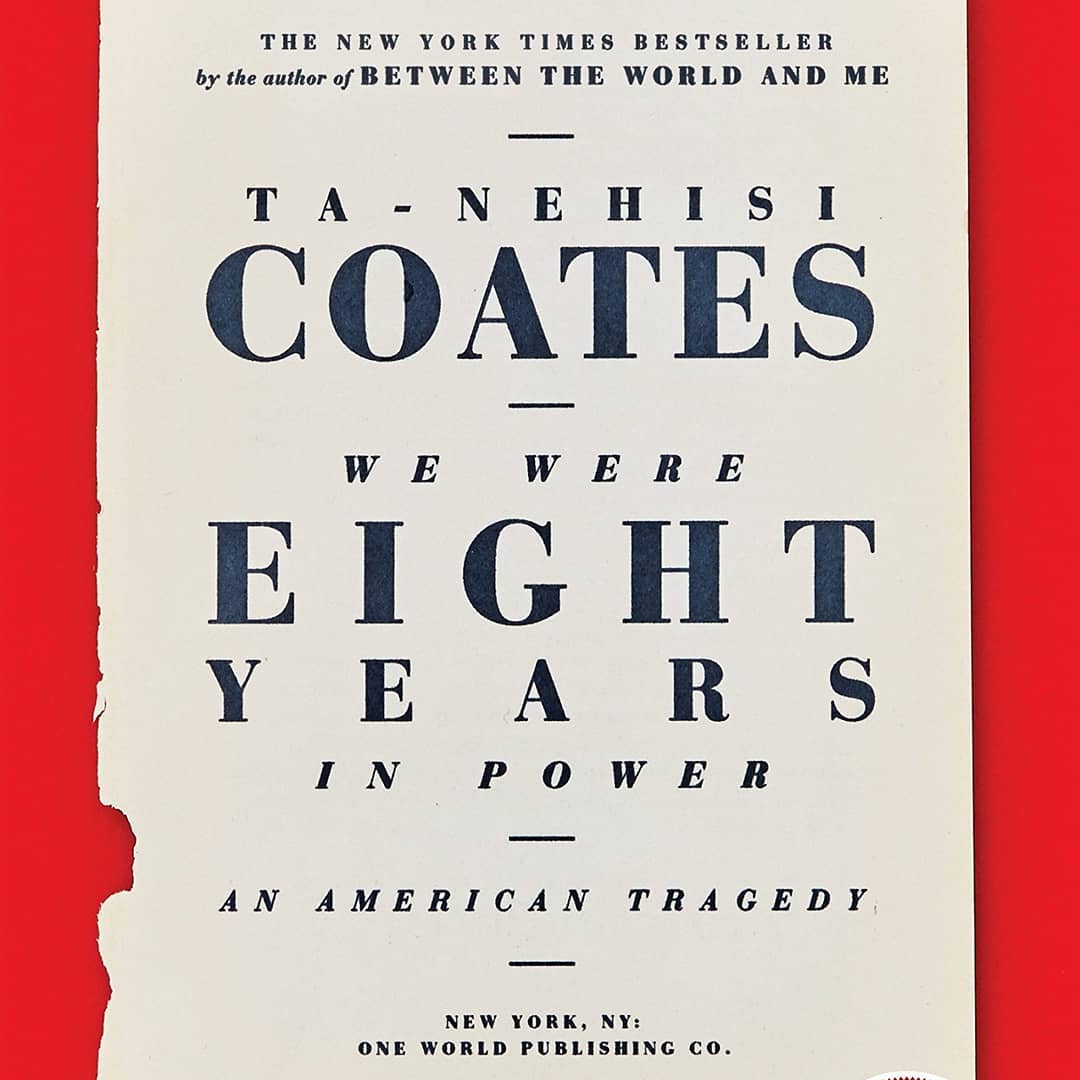
Ta-Nehisi Coates and Ibram X. Kendi
2/11/2021 – While there are many similarities between the #NewCivilRightsMovement and the old one, some of the differences are striking. One of the larger differences is around the language. “Turn the other cheek” was the sentiment back in the 1950s and 60s with #MartinLutherKingJr’s preaching of #NonviolentProtest. While it was not very popular among the Black population, they still felt it was necessary to be heard. Today’s feelings are more in line with #IAmNotMyAncestors which reflect a distinct shift in the feelings surrounding action in racially-based. Two people that have echoed those sentiments while still working to educate those around them are #TaNehisiCoates adn #IbramXKendi. Both have been heavily influenced by #JamesBaldwin’s writing style and that can be seen in the way they bluntly state what many would be uncomfortable to see. In #WeWereEightYearsInPower, Coates harkens back to the #ReconstructionEra and how #Obama’s presidency reflected many elements of that. He pushes further that after those Black politicians were removed from the government in the late 1800s in place for even more racist policies, the connection has been drawn in the many ways #Trump showed up in lieu of Obama.
#Kendi lives in controversial statements but at the same time, it has created a space for discussion around #Racism and #Antiracism. He and Coates both share the belief that everyone can be educated but Kendi differs in how to deal with those that do not even want to have the conversation. Watching both authors at play calls back to MLK’s #BirminghamLetter where he wanted the White moderate to stop waiting and constantly judging the protest and pick up the torch and march with him. That same hand being offered today requires a form of acknowledgement, which can be uncomfortable but necessary to build trust and align one’s intent with impact. Both authors have different ways of approaching the issues concerning race but it is very clear that the 50s and 60s are not the 2010s and 20s, there is work to do and waiting for it to get done is in the past. “Lead, follow, or get out the way” (#Jidenna). #RootsRugbyFamily#BlackHistoryMonth

2/12/2021 – I wanted to carve out a special space in the #NewCivilRightsMovement for prolific storyteller and comedian, #DaveChappelle because it is worth acknowledging that though America has had to stomach some uncomfortable realities for its people, #Chappelle has delivered it in a way that will not only make anyone laugh but will also push others to dwell on the messages being conveyed. I have been talking a lot of the importance of #CenteringTheConversation. A big reason for this is that it can prevent people from talking past one another. When #ChappelleShow aired in 2003, his aim was to center the conversation about the overt and subtle ways race can show up in everyday American life. From the surprise of a Black Ku Klux Klanner to the #RacialDraft to #Reparations and even the fallout of #WhenKeepingItRealGoesWrong, Chappelle wanted to make race front and center. And it worked very well, but it actually worked too well.
Chappelle found himself in the position of spokesperson for Black people in a nation already did not take the racial conversation seriously. At some point Chappelle had to wonder who was laughing with him vs at him. He was exposing parts of Black American culture that needed thorough discussion in a space that had no actual patience to explore such topics. It just wanted to be entertained. Chappelle stepped back from the show and stayed out of the spotlight for roughly 10 years but when he came back, there was a wise-storyteller aura in his approach. He had learned that there’s a way to talk about current events with his flair while still encompassing the seriousness and urgency of the topic. Chappelle found himself in the spokesperson role again but this time he knew the territory and could navigate it seamlessly. He controlled his narrative this time and was ready to guide America through a troublesome past through the lens of comedy. Chappelle could educate everyone while managing the temperature of emotions involved. His efforts to teach America easily make him a voice in the New Civil Rights space. He is not going to get everything 100% right but his mistakes can also model vulnerability for all of us. #RootsRugbyFamily#BlackHistoryMonth

2/13/2021 – Perhaps one of the most influential tools of any movement, #SocialMedia and more specifically, #BlackTwitter have helped define #TheNewCivilRightsMovement. #SocialActivism allows the core message to be bounced around all over the world. It has been the starting point for nearly any movement today and is where >90% of the discourse happens. #BlackLivesMatter, #HandsUpDontShoot, #BlackBoyJoy, #BlackGirlMagic, and so many other phrases of solidarity create a connected sense of affirmation at a time where misinformation threatens the personhood of so many. Proper utilization of social media allows there to be accountability and acknowledgement when needed. It has kept politicians (for the most part) honest, for example the hashtag #IsThisYou can show the hypocrisy of one’s actions and the ability to “show receipts.”
In this same vein, there have already been many instances of the power of misinformation and targeted attacks that have made the political sphere a hostile space for many who enter. With respect to the New Civil Rights Movement, this level of discourse has been a net benefit because it has allowed a wide range of perspectives concerning how we should engage one another. There has been pushback around the policing of others’ emotions and how they should fight for their humanity. Because there is a culture around niceness, it can prohibit the need for honest conversations around race. These topics can be off-putting and overwhelming for some but the reality is that if you are just the space, there is no time to coddle, BlackTwitter moves with an urgency that has many companies on notice. Problematic behaviors, people, or practices could be exposed and it can mean the difference between having a job and not. I will get into the abuse of this power later this month but it is important that we recognize the power shift and the impact of a unified voice in the face of oppression. #RootsRugbyFamily

Killer Mike and Dr. Umar Johnson
2/14/2021 – This week, my focus will be on spectrum of prominent African American figures that built their platforms using social media (mainly #BlackTwitter) during #TheNewCivilRightsMovement. While I will not be able to encompass all of the different personalities that have influence the movement in some way, I did want to at least provide context around some of the more prominent voices in the space. I would like to start with #KillerMike and #DrUmar. Both are in the mindset of #BlackUnity but they have differing ways to get there. #Segregation and #Integration are both subtle themes explored and their opinions on the matter have created an excellent dialogue around the intentions of integration when it was first implemented in the US and why it has lead us to where we are today. While Killer Mike still wants to work within the systems to create financial independence for Black America, Dr. Johnson feels it may be best to create an entirely different setup to become prosperous. Both have pros and cons to their stances but what is most important is whether either setup is sustainable long-term and what we should be doing to be best prepared.
One of the uncomfortable conversations that arises through their work is that integration was not done properly. They are both in agreement over this and I do not think many americans would disagree with the sentiment given we are still hanging the fallout from the 60s and beyond. #ForcedIntegration took the best Black America had to offer and put them in hostile White spaces in the hopes that unity could be formed through interaction. The result was that Black neighborhood lost their best resources to White spaces that did not want them. #AffirmativeAction and a slew of Supreme Court cases have only created more anger and disagreement around how Black Americans can gain opportunities. Killer Mike’s show #TriggerWarning talks about some of the conventions around #BlackIndependence and how difficult it can be. Both Dr. Umar and Killer Mike agree our economy can be unforgiving to Black America but their messaging is wholly different. Dr. Johnson borders #Hotep rhetoric, which can be extremely exclusive even within the Black community, while Killer Mike’s focus has largely been empowering all Black people to shed generational baggage and reinvent themselves. Either way, it creates a new area of dialogue around what it truly means to integrate. #RootsRugbyFamily
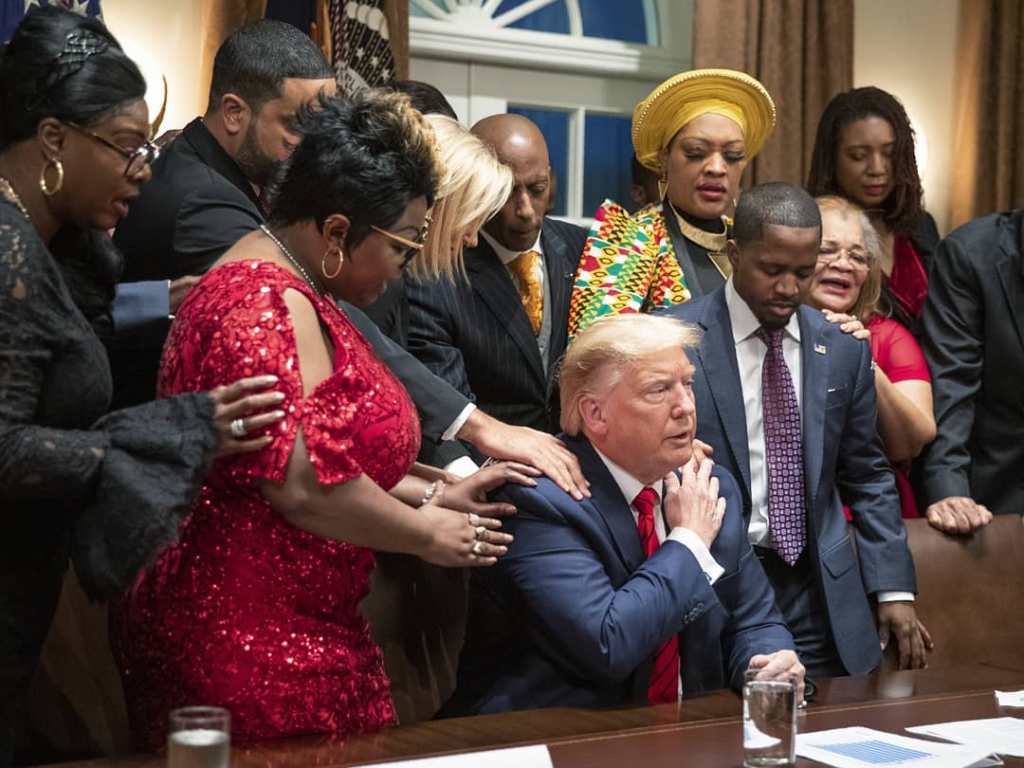
2/15/2021 – No, you’re in the right place. It’s #PresidentsDay and there’s no way I am not going to highlight our complicated history with our own government, more specifically, the #president. I have spent the previous posts highlighting the influence social media has had on #TheNewCivilRightsMovement and people like #CandaceOwens, #AngelaStantonKing, #HodgeTwins, #TerrenceKWilliams, #DiamondAndSilk, and so many other #BlackTrumpSupporters have their place in it too. Social media is a medium #Trump spoke. For any Black Republicans with a big enough following or voice, it was very likely that you would be invited to the White House to meet Trump. If you voiced your support for him AND simultaneously dug at the democratic platform (bonus points if you compared it to a plantation), he would likely retweet your message, thereby expanding your own platform. This transactional relationship allowed relatively obscure people to get a moment with the most powerful position in the world as well as allowing Trump the ability to skirt around racist allegations due to his “diverse” following.
Black Trump supporters will likely be a research topic for some time as political analysts try to figure out what about Trump made #BlackAmerica pause to consider supporting him. In all reality, he only had about 8% support in the #BlackVote but even that number was too high for some. The situation is nuanced but it can be generally described by looking at the attraction of #Hypermasculinity in the Black community, the need to stand out, the lack of conviction in the #DemocraticParty, and fear. Each of these could be its own post but it is worth exploring how quickly Republican platforms can exalt Black voices for their party while Democratic spaces largely urge their Black populations to continue to be patient with progress. #IceCube’s #PlatinumPlan, #KanyeWest, and #50Cent’s feigned Trump support are great teachable moments around the #IntentionVsImpact but I hope we spend a solid portion of time dwelling on Trump’s intentions with Black America. #RootsRugbyFamily
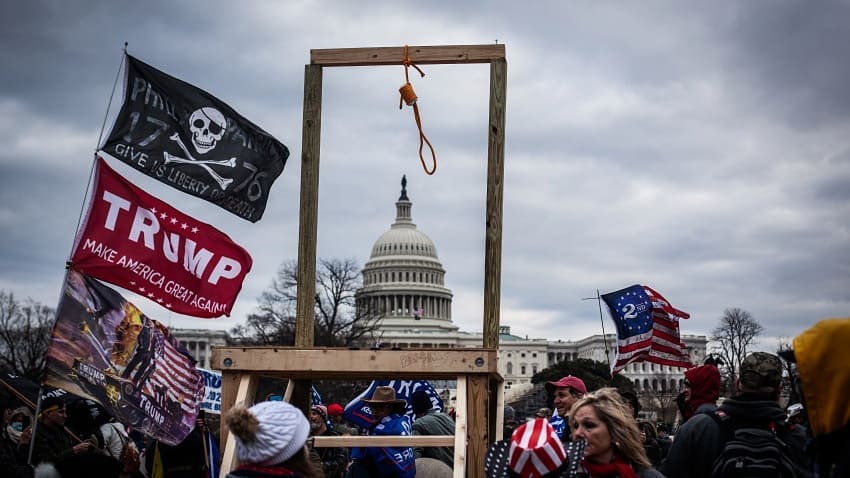
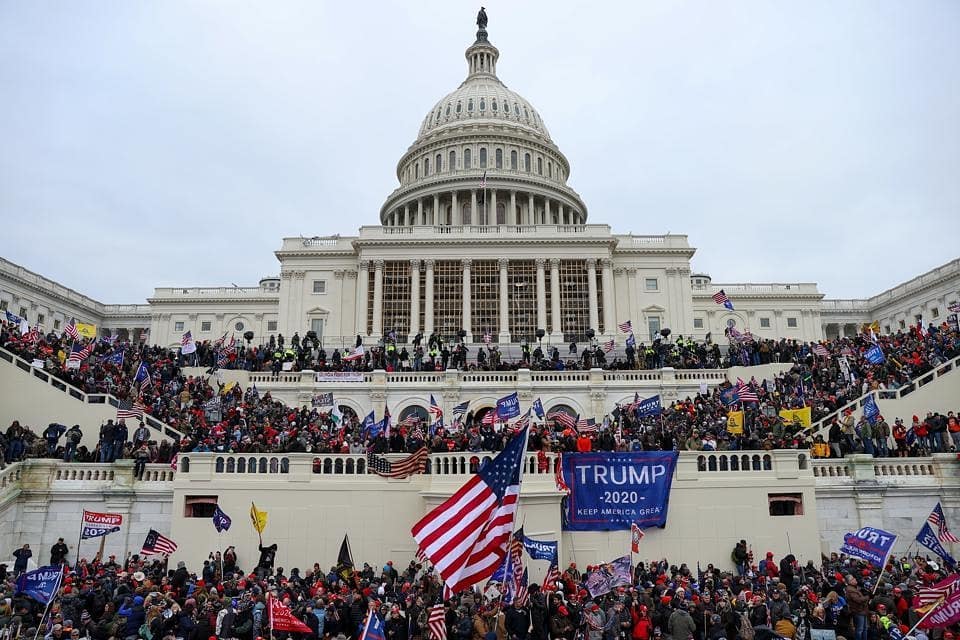
Capitol Riots on January 6th
2/16/2021 – #PresidentsDay is still ongoing for me so I would like to take this time to continue examining the outcome of #SocialMedia and its effect on #TheNewCivilRightsMovement. Part of what is going to be discussed in this post is actually taking place in my previous post. Around this time 2 years ago, I learned that certain hashtags will immediately make your post a hit. More specifically, #BlackRepublican posts of mine typically do a great deal better than any other post. As stated yesterday, the situation is nuanced but there are #bots designed to simply like posts with certain key words or phrases. If you look in my comments and likes of the last post, not everyone there is real. This is a problem and a potentially dangerous one. In the age of information, #misinformation comes right after it. The #CapitolRiot is actually an excellent case study around the problems of misformation. It also doubles as a great example of #WhitePrivilege. Both of these center the conversation around #WhiteCollectivism and how it can be manipulated and these are both difficult topics to discuss for White America because it no longer sees White people as individuals but rather as a collective – as they have for POCs since the nation was started.
On January 6th, #TrumpSupporters stormed the #Capitol following a rally held by #DonaldTrump. Contesting the outcome of the election, Trump used thinly-veiled problematic language concerning his faith in his own country’s democratic process and the result was catastrophic. Around 230+ people charged, 5 dead and a severely divided country. But this wasn’t all Trump’s doing. Sites pushing #QAnon and other conspiracies created spaces that only stoked the fires. No information was being trusted unless it was not coming from #MainstreamMedia. #Facebook and #Twitter’s algorithms were putting people in dangerous groups and keeping them there with (mis)information that would have them coming back for more. Because White people were the target audience for this campaign, it created an uncomfortable comparison around how Black people were being viewed over the summer (more tomorrow) vs how the rioters were being displayed. Shots of police removing barricades, taking selfies, calmly escorting rioters out of the Capitol are juxtaposed to shots of rioters beating police, breaking windows, and putting a noose on Capitol grounds. It is definitely a tumultuous time but as I said yesterday, sitting with these events helps structure a productive dialogue later. #RootsRugbyFamily
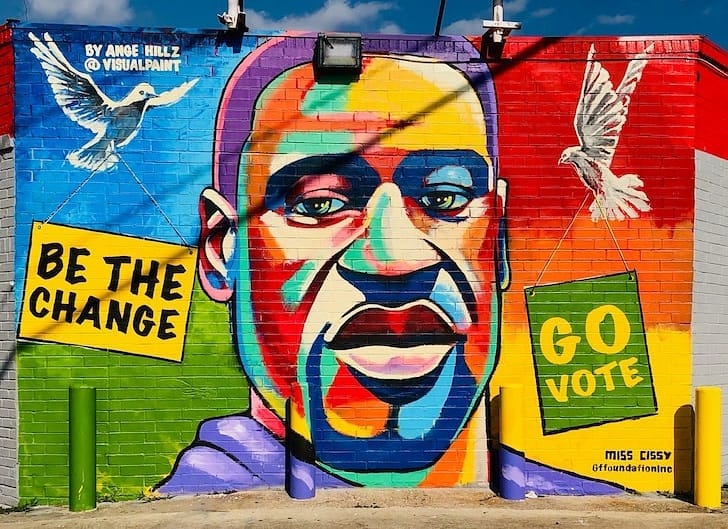
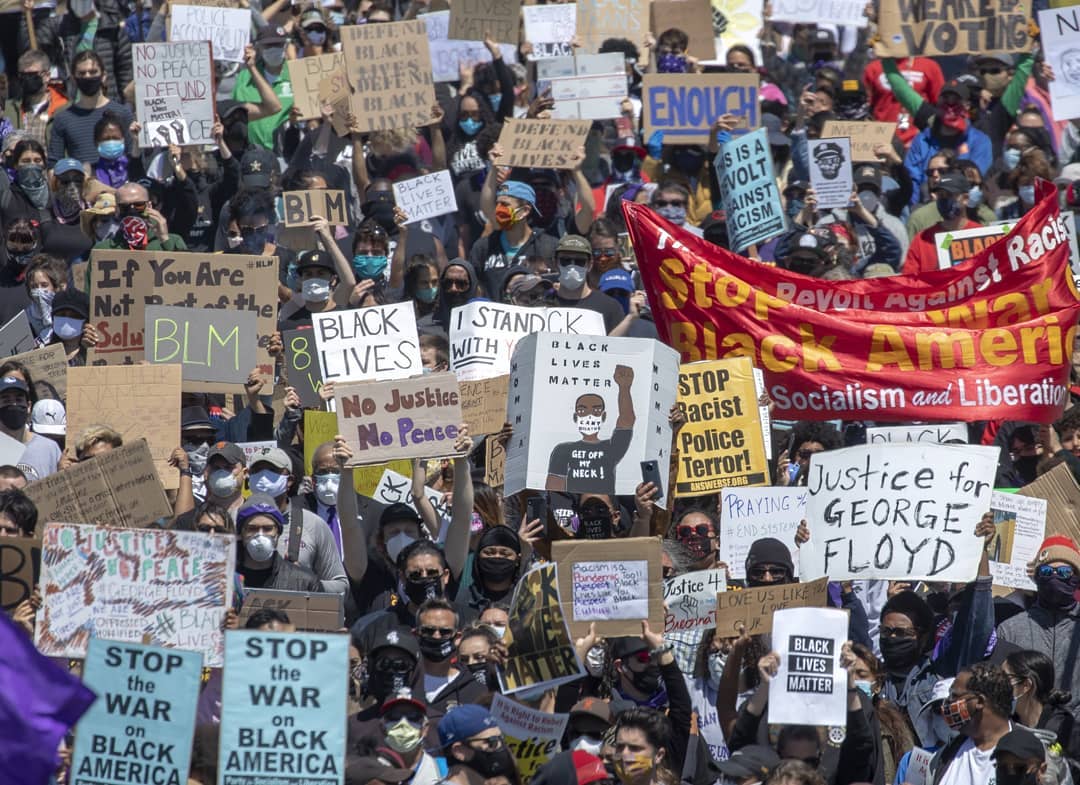
George Floyd Mural and Summer 2020 BLM Protests
2/17/2021 – On May 25th, a $20 bill got #GeorgeFloyd killed. We will never know if it was counterfeit or not because the police never checked, but its damage was done. #DerekChauvin and 3 other officers killed him as the world would eventually watch on via #SocialMedia. His death, combined with the months of #quarantine, meant everyone in America had seen it to some degree, this includes children that have access to social media as well. The result was protest that was larger than any other movement in America’s history. It is estimated that nearly 26 million people participated in #BLM protests between May and now (February). The message around police brutality did not change from #MichaelBrown to now, #RodneyKing to now, #FredHampton to now, #CivilRightsMovement to now, #JimCrow to now, #BlackCodes to now, #Slavery to now. It has been an ongoing discussion around how the power to protect can also be corrupted into power to subjugate. It is an uncomfortable and ugly history to face but it is a necessary one.
Though I will be discussing acknowledgement at a later date, a large part of the summer protests stemmed from a need to recognize that there are systemic racial issues in America. Because of America’s obsession with #RuggedIndividualism, talking about problematic patterns or practices groups people together and that’s not American. Each of these killings by police are treated as individual occurences rather than zooming out and inspecting the issues around policing as a whole. Just like #Kaepernick found out, criticism of police is unwarranted and unamerican. America needed to visually see how many people were dedicated to finding an answer. As pointed out earlier this month, businesses used the #GeorgeFloydProtest to begin conversations in their own places and evaluate where they stood. Some have made concerted efforts in their spaces while others have merely paid lip service to keep themselves out of the crosshairs of accountability. Either way, once May 25th comes this year, I hope we will be in a better place. #RootsRugbyFamily #BlackHistoryMonth #NewCivilRightsMovement
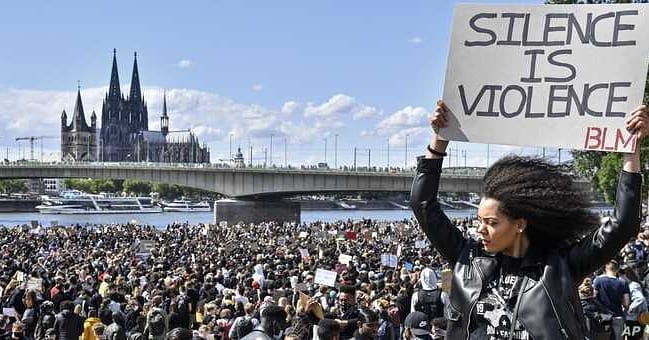
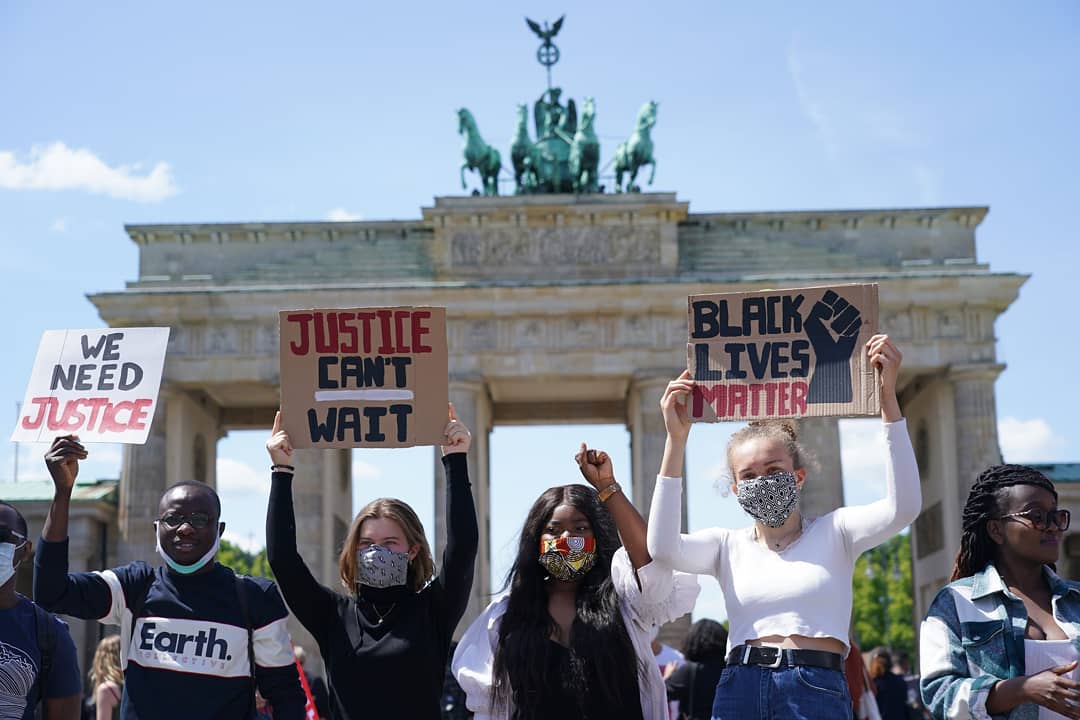
BLM Global Protests of 2020
2/18/2021 – The #GeorgeFloydProtests did not just create a wave through the US, through the power of #SocialMedia, more specifically #BlackTwitter, protests took hold in over 30 countries while drawing condemnation from the #AfricanUnion, #EuropeanUnion, and the #UnitedNations. Once again, since the #CivilRightsMovement, America was front and center about racial strife. Other countries used this moment to reflect on their own policing, problematic symbols and practices, and government overreach. #EndSARS was also an example of police brutality that was taking place in Nigeria. These protests where also a vehicle for change in many different countries, including our own, ranging from changing team mascots and flags, to problematic imagery on food and in media. It became a time for the world to reflect on how many subtle problematic messages are being sent are a regular basis. For some, it’s still not enough.
Part of the process of these protests was pointing out what had already been discussed for decades for some and nearly centuries for others. Due to this ongoing conversation, frustration immediately arises when there is finally nationally recognition being given. The “I told you so,” feelings are generally some of the first felt and most vocal. Because of the power dynamics at play, this reaction is generally met with derision and threats to stymie or limit progress. This plays out when we take a look at the #ConfederateFlag’s unique position in American history. We, as a nation, are fully aware that is was used to represent the Confederacy, but due to loose interpretations around the 1st amendment, we allowed military servicemen and women to fly the flag on US soil up until Summer 2020. When challenged in the past, supporters of the Confederate flag argued it was a symbol of southern heritage. Further pressing of the issue would generally be met with the #AgreeToDisagree stance not understanding (or fully understanding) the connotations of flying a flag like that and what it could mean to your fellow countrymen. Because we are still in a space of reckoning, listening and hearing one another is most important, otherwise we will be right back here soon enough.
2/19/2021 – The #NewCivilRightsMovement has brought a lot of historic momentum into the American political sphere but it is difficult to sustain when there is little to no representation in our government. Following the #BlueWave of 2018, #AlexandriaOcasioCortez and #AyannaPressley won their primary elections and teamed up with #IlhanOmar and #RashidaTlaib who also claimed seats in the House of Representatives to form #TheSquad, dubbed by #AOC. As with any unified group of POCs, The Squad became a focal point for #Republican and #Conservative groups alike. From their policies, to their appearance, intelligence, religion, and their love lives, nothing was off the table when it came to scrutinizing the four women. However, unified groups of POCs are also incredibly resilient at this kind of criticism by continuing to remain in solidarity with one another. It is not uncommon to see one of the four defend another and their policies under a post on #SocialMedia. Because of their youth (all under 50) and their tech savvy, they pose an immediate threat to an older establishment have created a new avenue for younger political activists to follow.
In January 2021, The Squad added #CoriBush and #JamaalBowman to their ranks. All have strong (>D+20) support in their districts and look to be here to stay for some time. This amount of strength in political power amongst POCs has not been felt since #TheReconstructionEra. It has been interesting to watch the amount of aggression The Squad gets, primarily AOC and Omar, for their progressive views. #TheGreenNewDeal has been a primary focus of critics of AOC while Omar’s support for a #FreePalenstine has drawn anti-semitic accusations. Both of their positions stem from recognizing racial, economic, and environmental inequities as well as a severe power imbalance. This recognition has created an Anti-American narrative for them and when we look back on these #BHM posts, we can see history repeating itself once again. #Kaepernick, #StaceyAbrams, #BLM, it is all showing the same strands of attempts to exile American voices in the face of oppression. #RootsRugbyFamily#BlackHistoryMonth

2/20/2021 – As we roll into the final week of #BlackHistoryMonth, all of my coverage has been on the development of the #NewCivilRightsMovement and how it has gotten us where we are today. Starting tomorrow, I will be highlighting where to go from here effectively as we look toward the future. To bridge that gap, I felt it would be important to assess where we are today from the top-down. After #Trump’s election in 2016, there has been a constant discussion around the impact of his policies on POC communities. #DACA, #MuslimBan, #CoronavirusRelief, #BLM and many others have given us a clear line of understanding around how #SystemicRacism can manifest under the guise of #LawAndOrder. Though Trump was only in for one term, he was able to create easily over a decade’s worth of racial turmoil for future administrations. One example circulates around his appointed judges. In 8 years, #Obama appointed a total of 320 judges with 55 of those being appeals court judges. Trump managed to appoint 224 with 54 of them being judges of the appeals court. #PackTheCourt became a battle cry for many due to Trump’s rush to make sure his legacy cannot be easily undone. It also shows how much of the presidency’s progress (or regress) won’t be on the front page every time.
#Unity has been the theme since #JoeBiden was elected president in November but we are still far off from opening up the discussion earnestly. We need to assess the fallout as a nation first before we are able to talk about what to do next. A great example of the lack of unity is watching #AOC in real time helping out the victims of Texas that have been affected by the snowstorm over the past week while #TedCruz opted to leave the state for Mexico instead. #BetoORourke has also spent time donating his time and money to various affected communities. In the spirit of Unity, right-leaning websites should be championing these efforts while still holding right-leaning politicians accountable. In the spirit of unity, those in Texas that have spent the past 2 years lambasting AOC for her politics should be willing to own up and ask more of their own representatives to ensure an equitable environment for everyone. #RootsRugbyFamily

2/21/2021 – For this week, I will be more solution-oriented as we look toward the future of the #NewCivilRightsMovement. I figured I would start with the #NeedForAcknowledgement around racism in the United States. In all actuality, most Americans actually recognize racism as an issue but differ heavily over what has caused it and how it should be handled. Regardless of the logistics, the US is in a #RacialReckoning period that will require an extensive dialogue around race, equity, and belonging. When we think of America’s melting pot, we are given the idea that we are all constantly being blended into one full culture. But when we look closely, we have to ask, “Who is responsible for the ingredients? Who determines how much is distributed?” While it can seem like an innocuous question, it is important to remember that the US has spent the majority of its history alienating its POC populations and pushing legislation to keep the racial hierarchy intact. I am not saying this to be inflammatory but rather to recognize that our government has made it clear, they do not feel comfortable recognizing what has been so obvious to many Black Americans over the past few centuries.
In my research, I have found that there are events I like to call #Somehows. Somehows are defined as problematic situations that have been passed down from multiple generations that “somehow,” we have perpetuated an issue without evaluating it. Because no one would want to be blamed for past decisions, it creates an environment that has become harmful but difficult to correct without intervention. America has become a “somehow”. While we have recognized multiple racial issues in our country’s history, we would be remiss to place that burden on those currently in power. Not only would it not be effective, we would not be able to solve our current racial strife. We have to be savvy enough to strategize a solution that will help push us forward while still holding those responsible accountable. So far, we have not been able to create a solution that will settle the relationship America has with its POC population. #Reparations have always been on the docket to “settle the score” around the Black American’s treatment but it would not solve the generational and wealth gap that currently exists. Top-down, if there is an acknowledgement that there has been a mismanagement of the racial relationship, there may be people and space ready to follow in their footsteps. #RootsRugbyFamily
2/22/2021 – In order for #Acknowledgement to have a truly lasting effect, it is worth examining the behaviors displayed as a result of people or institutions facing their prejudices and biases. I like to think of the #NewCivilRightsMovement as a balancing act that is trying to keep both ends of the bar as level as possible as we march forward. What initially started out as a possible way to hold those in power accountable #CancelCulture has become a complicated and controversial tool. While the intention is to put those on notice about problematic behaviors and practices, its impact creates a bad silence and almost does the opposite of its intended outcome. If our ultimate goal is to reach a more unified country, rather than #CallingOut, we should be #CallingIn those voices to balance the perspectives. Cancelling celebrities, brands, and even common people decentralizes the conversation while simultaneously making a new victim in the process. #Cancelling has nearly become a weaponized tool to threaten change but this is a short-sighted process.
While the premise around cancelling comes from frustration of being told to wait or the erosion of trust in the fight for equality, we need to remain mindful that #Racism and #Discrimination adapts. If canceled, it will figure out other methods to manifest. #Vigilance, #Patience, and #Dialogue is a winning combination to stamp out inequitable practices. There will be those that will remain #WillfullyIgnorant. It is to be expected. You still have the power to determine who is worth your bandwidth at any point. Not everyone deserves to be listened to at any given moment. On the other end, not leaving space for #Redemption slows the conversation. #RestorativeJustice has been a powerful tool to create long lasting dialogues (practiced by our very own @my_actions_defy_expectations!). In order for the New Civil Rights Movement to leave its lasting mark in history, it has to be ready to field the many perspectives being presented and look to create allies and accomplices through dialogue. #RootsRugbyFamily

2/23/2021 – Movements that seek to shift the culture of any space are definitely boosted when given an educational framework to build from. The #NewCivilRightsMovement takes a fair number of its rhetoric from #CriticalRaceTheory (#CRT). While currently controversial, CRT aims to widen the perspective outside of the experience of White Americans, which has been treated as the normalized view since the country’s creation and beyond. #WhitePrivilege, #InstitutionalRacism, #Intersectionality, and many more concepts have all rooted themselves within the CRT framework. Because of its intentions to decentralize White dominant ideology while simultaneously boosting Black and Brown experiences, it has been criticized heavily by many historians and politicians alike, including #Trump, who sought to make it illegal to have any government professional development training or public school curriculum with the CRT framework citing it focused on differences rather than similarities.
That is the point.
When we think of America as a #MeltingPot of cultures and ethnicities, who decides which ingredients get put in? And how much? When blended together, who’s story is really being told here? CRT is aimed to tackle what is lost when cultures immediately try to “assimilate” and shake off areas of their identities that should be celebrated. When we evaluate the power dynamic in America and how it can carry out oppressive laws against marginalized populations, assimilation would seem nearly criminal. We should be urged to broaden our perspectives and share a space with multiple perspectives to reach a more balanced consensus on how we can truly unify under the American flag. Much of my work revolves around CRT and accountability. I would recommend sitting with this work and using it as an assessment tool to help uncover blindspots in your day-to-day experiences. #RootsRugbyFamily
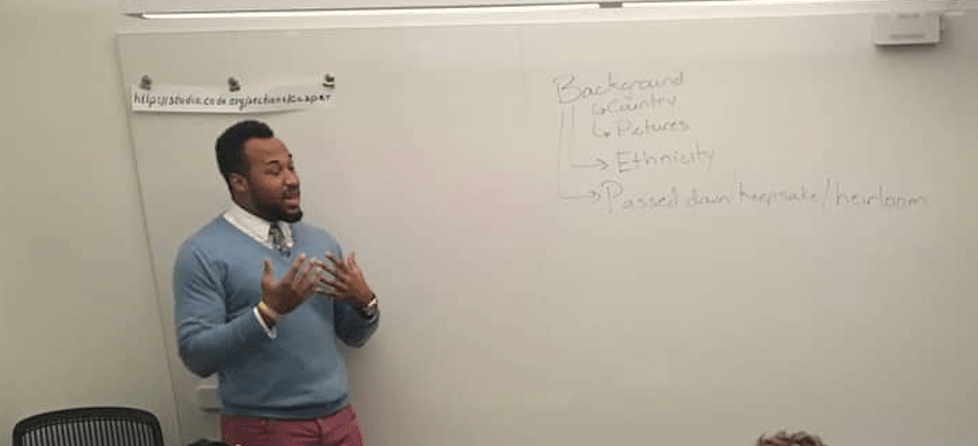
2/24/2021 – A large part of the #NewCivilRightsMovement has to do with #education, or rather the #miseducation of our students in all aspects of our schooling. Auditing and examining our schools’ curriculums would be a large first step to shining some light on how #InstitutionalRacism can be baked into a child’s experience. What books are they reading? How are they discussing #CurrentEvents? What kind of posters are going up in the classroom? What is the teachers’ experience with different cultural perspectives? All of these and more should be conversation schools have with themselves but also for parents to feel comfortable inquiring about. This dialogue will not only expand the scope and sequence of a school’s curriculum but it will allow there to be growth. Many students know #MartinLutherKingJr & #RosaParks but what about #MedgarEvers, #JamesBaldwin, #FannieLouHamer? Better yet, do they understand why those figures needed to exist in the first place? What were they fighting against? Who was the other side? It is important for students to explore these concepts early so they are able to navigate difficult racial conversations later and have the stamina for #CivilDiscourse.
Just like with #CriticalRaceTheory, reworking an entire school curriculum to embed #Diversity, #Equity, and #Inclusion work threatens the current power dynamic and racial hierarchy. It requires training teachers, parents, administrators, as well as board members. This relearning is uncomfortable partially because it requires a good school community culture to fully embrace this transition and many schools are held together with niceties and pseudo-genial relationships. DEI work requires a vulnerability unforeseen in a professional space and that can potentially fracture many schools that have based their education on whitewashing American history and its conflicts. I am not advocating for teaching children about the horrors of the #SlaveTrade, #TrailOfTears, #Lynching and the like, but rather speaking of the fragile situations Americans had to navigate to get where we are today. If we want our students to get through school with a healthy sense of identity, where else to start other than school?
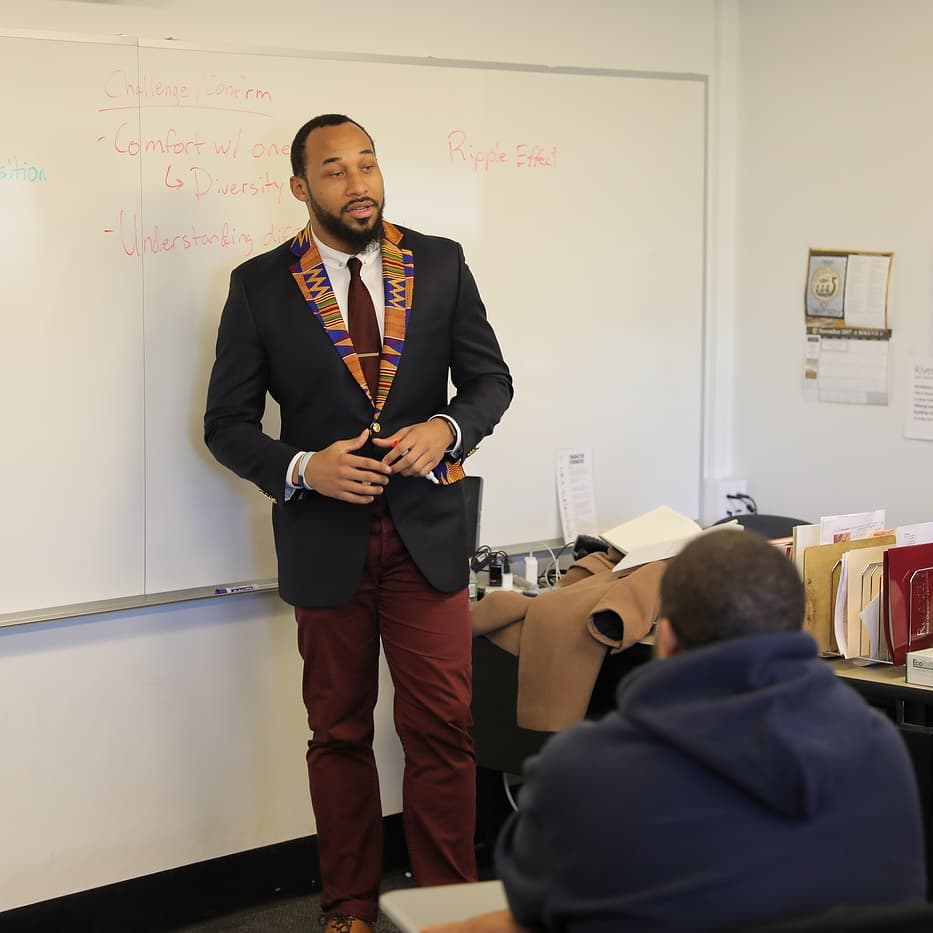
2/25/2021 – As we continue to explore the many different conversations brought on by the #NewCivilRights movement, it is important to remember that not everyone is in the same space to talk about their experiences and that is completely ok. There are many factors and emotions that can paralyze a conversation but just recognizing these feelings are not action steps. #Acknowledgement without justice will only keep the cycle in place and perpetuate many of the racial problems we are currently seeing today. A helpful and useful solution is starting #AffinitySpaces. In short, affinity spaces are groups for individuals with a shared interest or goals. In the space of racial literacy, affinity groups can be powerful in expanding narratives and perspectives. They have often been spaces for particular races and ethnicities to share their experiences in a comfortable and safe place. They have often been criticized for being #segregated not understanding that the ultimate goal for affinity spaces is proper integration – which includes others’ ideas and customs.
Throughout my work as an educator, I have had the chance to sit with students and adults alike. The conversations have vast similarities but the central tenet of these groups are to build trust within an institution. It can be difficult to have #CivilDiscourse around race in a workplace or classroom because of our current political climate. People no longer trust others to take on a differing viewpoint in earnest and work toward a common ground. That can create a general feeling of hostility within the workplace and can cause there to be significant rifts between the dimensions of a work, school, or social culture. Having a space to discuss these ideas around people that have a shared interest will allow one to process these ideas through a slightly different viewpoint. Over time, they will be able to seek new information to begin shaping their current outlook and return back to the affinity group with this new information. Ideally, these groups will help build stamina for race-based conversations and will allow so much more room for growth and dialogue. Let us hope we can form more of these in the future. #RootsRugbyFamily

2/26/2021 – While the #NewCivilRightsMovement aims to tackle #PoliceReformation, a separate byproduct of the movement is to think of how best to support #BlackCommunities. While a person’s voice (physical or via #SocialMedia) is always welcomed, the power is rooted in the dollar more so. #SupportingBlackBusiness is one of the best ways to advocate for change especially during a #pandemic where we saw Black business ownership drop by 41% from February 2020 to April 2020 alone. Black businesses are more likely to work on helping their communities in times like these and it is always important to figure out ways to support them financially. Liking and sharing their work on social media can have tangible outcomes but financial backing can literally breathe life back into communities that have been heavily impacted by #Covid19. @SupportBlackOwned is a great app that can direct you to Black businesses in your neighborhood while @EatOkraTheApp is focused on Black-owned food services and restaurants. Those can be fantastic steps toward finding spaces that already align with what you might buy off of #Amazon and #Grubhub anyway!
Last year around this time, I spoke about the importance of #Representation and pointed to the likes of @DandyWellington, @MsEpiphany, @StyleInSeams, and many others as people who have been increasingly brave in their entrepreneurial efforts as well as recognizing those that are making strides in a variety of many fields and doing a lot of what I would call #InvisibleLabor. There are many POCs around you now doing work for spaces that have not been put on their contracts but have taken up the mantle because of the impact it can have on the culture and the people within it for years to come. While supporting Black businesses are always an important aspect of building up communities, advocating for your POC colleagues in PWIs can create lasting dialogues around equitable pay and practices as well. Building up those relationships can also give you a clear view into systemic practices that you may actually have the power to change in your current position. While #PuttingYourMoneyWhereYourMouthIs is an important step #FindingYourVoice should be the first one.
2/27/2021 – What started as genuine conversations around #Affinity, #Progress, #Accountability, and #Culture, @RootsRugbyFamily is looking to put their stamp on the #NewCivilRightsMovement. @geeranby , @teenana.g @hjames11 , @my_actions_defy_expectations , @phaidraknight @gandycoach , and myself joined by @tiffany_faaee shortly after, we were able to combine our platforms and begin rethinking the culture around rugby and how we can make a statement for those that need experience, change, or even just a shoulder to lean on. Our conversations have uncovered some uncomfortable patterns as well as some amazing experiences. #Roots wants to make rugby accessible for all but keeping a keen eye on afro-centric POC. It is interesting to see how invisible some POC players feel despite being one of the only ones on their teams. There is always interest in the POC culture but never a willingness to dive deeper into the conflicts and issues that can affect POC. Case in point, #GeorgeFloydProtests. How many rugby clubs have you seen make deliberate actions to state #BlackLivesMatter? How many clubs advocated for protesting? How many clubs checked in on their POC players? It is always worth asking these questions because it is an easy way to evaluate the culture and how deep it does(not) go.
Much of Roots’ progress comes through conversations and representation. Kimo seeks to empower everyone through practices of #RestorativeJustice and his group #MADE, Koma is now on the @USAR board and will be an incredible asset for USA Rugby for years to come. Phaidra continues to lead the way and empower women everywhere to break barriers and pick up a ball, Tiana and KG are somehow finding the time to workout(@TeeTimeFitness), run Roots, and raise great children, while I have #TheWork, Tiff runs Roots’ programming and camps (YES PHILLY!), and Hayden, our grandfather (Hayden don’t fight me) is always proof that you just need to find the right people to build with. I am overly joyed to see this journey take place and I could not think of better people to embark on this path with. I will always be proud to carry the Roots banner and I hope you will join me too!
2/28/2021 – And that’s it! #BlackHistoryMonth comes to a close and I want to thank everyone for participating! Talking about the #NewCivilRightsMovement has allowed us to cover some people, concepts, thoughts, and solutions that we can continue to explore well past the month of February. Just because the month is over does not mean #TheWork will stop. It is important to #acknowledge where you are starting from in this conversation and being honest with yourself around what you may have the capacity to do. Speaking with close friends and family about your experience around race and racial literacy? Wanting to volunteer and/or donate? Needing to do a bit more research on topics before discussing them? These are all great places to get involved but the key factor there is that YOU are driving yourself to work on these things. It can become easy to rely on a POC you trust to walk you through the process of #AntiRacism but not only will that task a POC with your development, but it prevents you from catching mistakes that are useful for growth. Understanding that you cannot do this perfectly is a key component of racial literacy development. There’s no necessary “right way” to learn about different perspectives but there are plenty of wrong ways. Do not be afraid to check with trusted people on your journey! When you are already doing the work for yourself, it is a much different conversation than having to be led!
A quick shoutout to @zzarzz @miss.deysy @wrg2103 , @maryayokanmi, and @_jasonwebster_ whose inboxes are filled almost daily with discussions around these issues. To @dandywellington @msepiphany , and @careen_latoya (who’s releasing a whole damn book today on @4dhouseltd ) who continue to inspire me in my own entrepreneurial work. To @chief_rocka_9 @kaythesun_ @_forc3d_ @frannie_friday , @mister_mcmahon @kateeicher @daniellerachelo and @niftylikevintage who definitely keep me grounded at work on a daily basis. To my rugby chat full of some of the greatest minds I’ve had the pleasure to chat with as well as crew at @rootsrugbyfamily and @my_actions_defy_expectations . To my sister @ladysanrenee , my parents, and of course, @rockyandthecity! Onto March!

6/19/2021 -Happy #Juneteenth! I hope everyone is enjoying their Saturdays and reflecting! I felt it necessary to explore the history of the flag a little given so many are learning about the history of the holiday itself.
In short, the flag is the product of #BenHaith and #LisaJeanneGraf. It was created in 1997, fine tuned in 2000 to what we see today, and was meant to signify the past, present, and future of the holiday. The white star in the middle is meant to pay homage to Texas, the birthplace of Juneteenth while the burst around it is meant to show a #Nova or “New Beginning” signifying the freedom of the enslaved peoples. The red arc is meant to show a horizon symbolizing new opportunities and promise for Black Americans.
.
Obviously, the colors are meant to express that we are all Americans under the flag though we still may have work to do. It is meant to show a commitment to the country we all share and a willingness to work toward freedom and justice for all. I hope we all get a chance to reflect about today what these spaces looked like just a little over 150 years ago. #Celebration #Holiday #JubileeDay
2022
1/31/2022 – And we’re back again for another #BlackHistoryMonth! This year I will be covering what racial backdraft looks like and how we can continue to stay the course as we work towards racial literacy and building a coalition with one another. In years past, I have covered many unsung heroes and turning points in Black American history and I still intend to do that this February while integrating some of the concepts that may be difficult to recognize but are important to address when discussing America’s complicated relationship with race. If you would like to read up on some of the past posts, please feel free to take a look at my profile (I’ve stopped posting to increase visibility).
Along with my posts, @rootsrugbyfamily and I will be posting around the national theme of Black Health and Wellness on the Roots Rugby page! We will be looking to highlight some great stories as well as share a few tips around ways we can take Black health seriously and begin dialogues around how we can shape our communities. I look forward to a fun and thought-provoking month and I hope you all get a chance to learn alongside me! #RootsRugby #BlackHealth #RacialLiteracy #TheWork
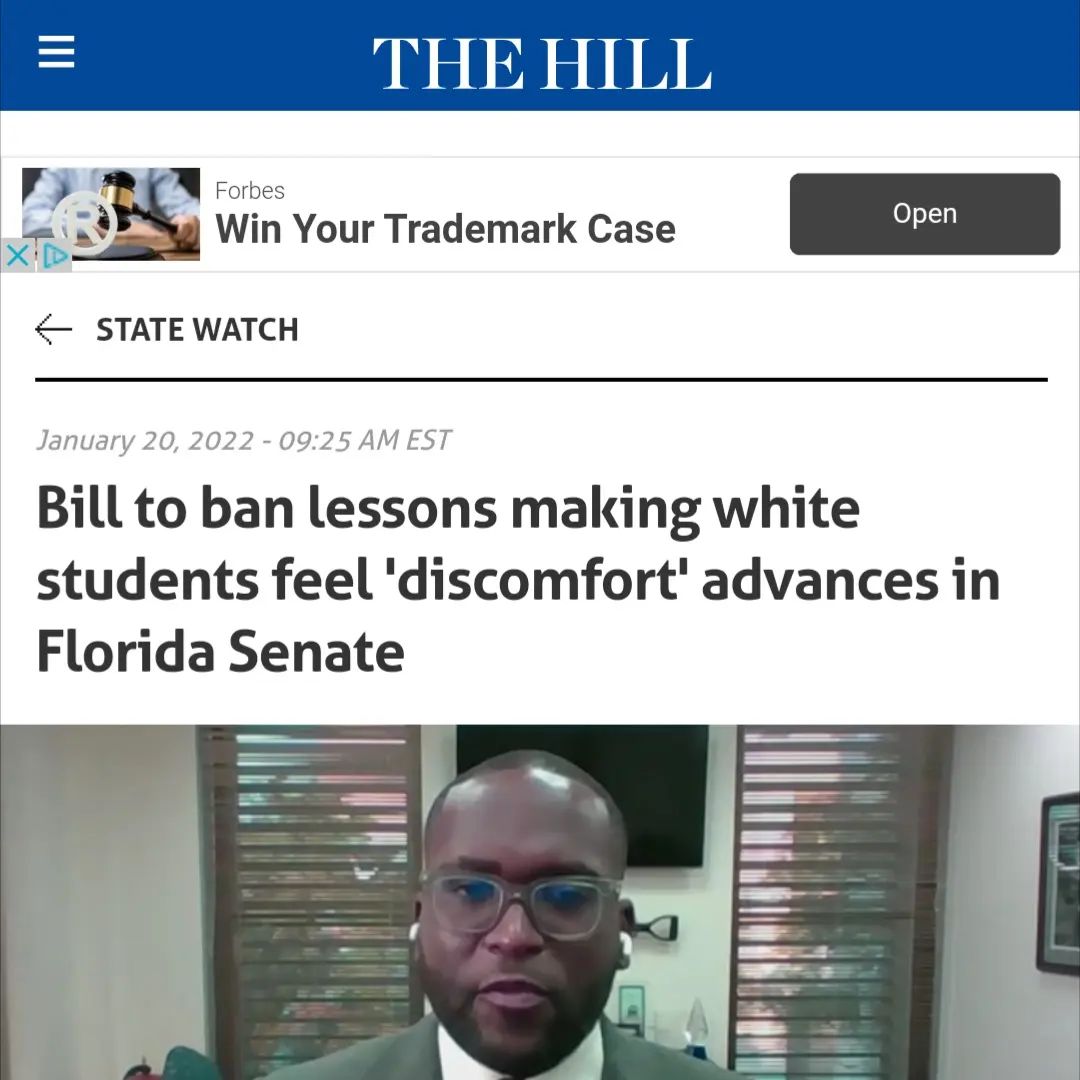
Not even 2 years between Blackout Tuesday and Anti-DEI Legislation
2/1/2022 – As with any concept, it is important to first define some of the terms we will be working with. #Backdraft is a general concept used around firefighting that explains the explosion of fire in a space where new oxygen has been introduced. It’s why you are generally taught to keep the doors closed if there is a fire in the house. When we talk about #RacialBackdraft it is the same concept except now we are dealing with the explosion of racism following landmark decisions around racial progress. As doors open up for Black and other marginalized groups, it is generally followed with a worried/concern sentiment (or outright hatred of the new outcome) that said marginalized groups will now have “too much” advantage in a given situation and now the “pace” has to be monitored. #Reconstruction and #JimCrow, #GreatMigration and the #RedSummerOf1919, and more recently #GeorgeFloyd and the sudden concern/cancellation of #CriticalRaceTheory would all be examples of racial backdraft.
It is important to be able to discuss the parameters of the new racial landscape that followed #TheNewCivilRightsMovement. Progress can, and should be able to, happen while those discussions happen simultaneously. However, due to a lack of trust between racial groups and true fear of a reestablished power dynamic that no longer centers White/Eurocentric perspectives and emotions (key point), discussions around “pace” often aim to stall progress as well as entire movements in order to make sure everyone is “comfortable” before moving forward. A large side effect of racial change are the emotions that usually come with it. When it became apparent that Black perspectives need to be centered following the murder of George Floyd, we saw a push for businesses everywhere to critically assess their practices and #MakeSpace for more POC perspectives in the workplace. However, this can be concerning for those that see no issues with the current status quo as well as those that have benefited from it. It is worth analyzing your own work spaces here but it’s always a safe bet to have a shared understanding of the terms used #RootsRugbyFamily #BlackHistoryMonth #NewCivilRightsMovement
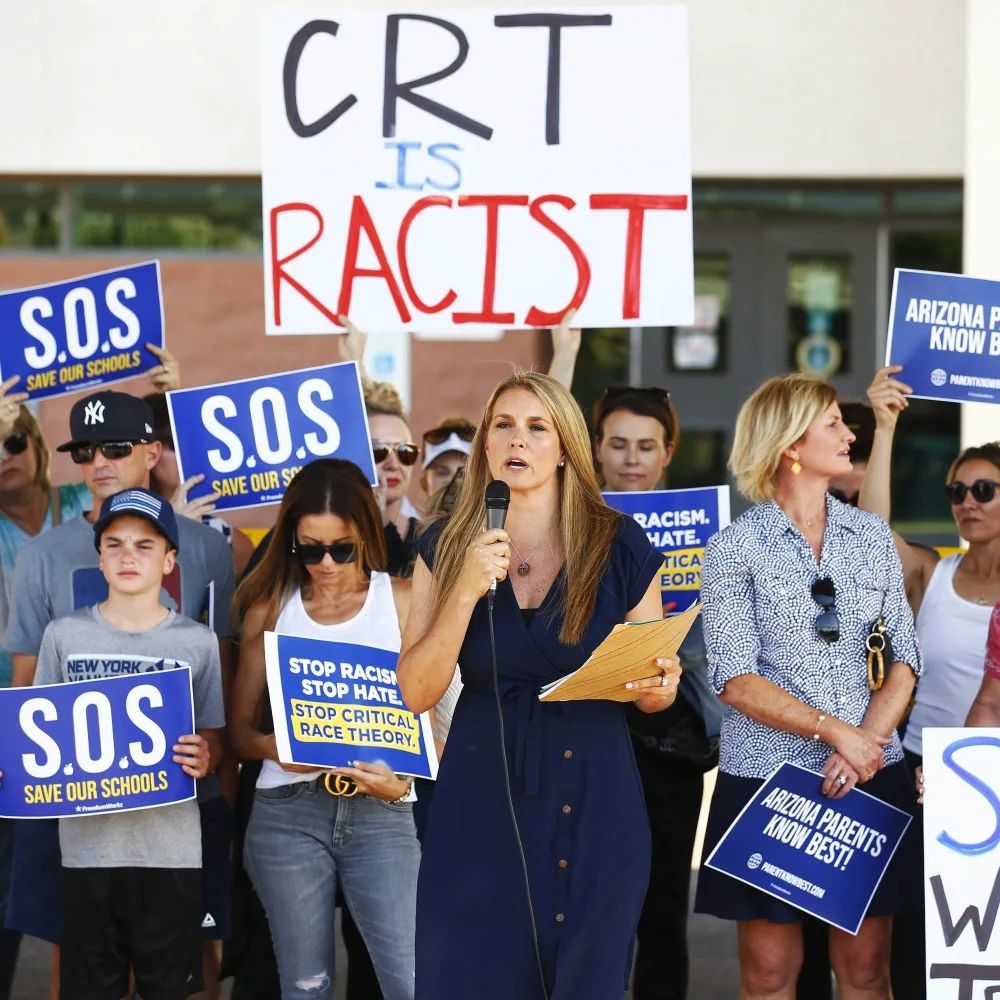

Demonization of CRT
2/2/2022 – While it is important to understand the importance of definitions, it is also important to recognizing *who* is defining the terms we are working with. Last February, I talked about how #CriticalRaceTheory is being thoroughly discussed as both an arbiter and obstacle to racial justice. How can it be both? It heavily depends on who is discussing/defining the term. In its initial state, #CRT is a methodology that explains how #SystemicRacism is prevalent in today’s society and how it affects everyone in America. Somehow, following the death of George Floyd, the definition has become *anything* having to #DEI work (diversity, equity, inclusion) and as a result (and by design) the definition became confusing and could be interpreted in many different ways.
When we turn on a TV, there’s now a general discussion around CRT and how it has shown up in the classroom. Discussing DEI in a classroom is not CRT but it is easily conflated with one another by willful ignorance. This is by design. Learning about and centering different perspectives should not be against a school’s curriculum but yet we see a multitude of parent/school board discussions worried (or concerned) about how a school’s approach to history is creating feelings of guilt within children and should therefore be stopped. The idea that race was created as a social construct is a heavily debated concept and cannot be discussed in a classroom for fear that it is a “misrepresentation of American history”. Please ask yourself, how were you taught history in school? Whose perspectives were centered? How did we handle marginalized perspectives? This level of questioning, while uncomfortable, is a necessary piece of understanding American education. One aspect of American education is the importance of silencing. If done effectively, you are left needing to find other perspectives on your own. The resources are limited, the bias is skewed, and you are often left with more questions than answers. This is a legitimate tactic to slow the understanding of American history and create more work for the person investigating. Holding the system accountable requires #persistence. #RootsRugbyFamily #BlackHistoryMonth

2/3/2022 – Part of understanding America’s historical relationship with race and #RacialBackdraft involves understanding how race came to be in the first place. Today, race has seen its definition changing over the years as research has shown that there isn’t much genetic variability between races. However past erroneous studies have led to people of Brown or Black complexions being treated differently (poorly) by medical, financial, and housing institutions. In 1619 when enslaved Africans arrived on the shores of America, White and Black races didn’t exist and it wouldn’t for another 60 years. As White philosophers and scientists began to reshape classifications around types of people, they simultaneously began cementing themselves at the top of the social order with “subhuman and savage” Native and enslaved peoples at the bottom.
Over the course of 400 years the term “White” actually changed many more times than Black ever did. Initially, it was initially reserved for Anglo-Saxon settlers in America. As Irish, German, and Italian immigrants came to the states, it began to encompass anyone with fair skin (Asians would be noticeably excluded but given a subgroup status that was still “close” to White). Simultaneously, those regions of Europe would have to strip their heritages and ascribe to the cultural norms and customs of White Americans in order to avoid losing social standing. Laws around #interracialmarriage, #OneDropRule, and #passing made sure to keep the parameters around Whiteness clear enough to maintain power in the right places. Today, we see #colorism in many Black and Brown communities as the antiquated ideas around Whiteness still have generational effects on many different populations. #DeconstructingWhiteness may be a necessary step in rebuilding our understanding around America’s social groups. We also know the potential fallout around those in power feeling attacked by the above statement. #RootsRugbyFamily #BlackHistoryMonth


Book bans and burnings
2/4/2022 – #RacialBackdraft can take many forms but it stands to be most dangerous when it can affect educational standards. #BookBurnings and #BookBannings are by no means unique to #RaceRelations in the US. The above picture was taken last night as they burned #HarryPotter and #Twilight. But following #GeorgeFloyd’s death, many institutions wanted to broaden the perspectives by bringing in books to read and sit with. Many schools decided to take a look at their history and english curriculums to see what literature was predominantly being taught. Flash forward 1.5 years and we now have a new set of books being banned largely for the perspectives they bring. #NikoleHannahJones, #IbramXKendi, #TaNehisiCoates, and even #JerryCraft have seen their books be banned in schools over the past few months. Feelings of guilt and shame are enough to pass legislation which can show how much power feelings can have over facts.
Literacy is freedom. Picking up a book and making connections to oneself is one of the best freedoms a kid can have. It’s one thing to hold off letting students read something until it is age-appropriate and a very different message when a parent is saying, “you should never read this”. I cannot help but make the connection to the enslaved being told they were not allowed to read or write by law. By banning authors who want to decenter the Eurocentric perspective, we are signaling to our young ones that the history of oppression simply shouldn’t be known. Rather than teaching our students to lean into discomfort and build stamina around learning about Black and Brown perspectives, we have legislated against it. #RootsRugbyFamily #BlackHistoryMonth #NewCivilRightsMovement
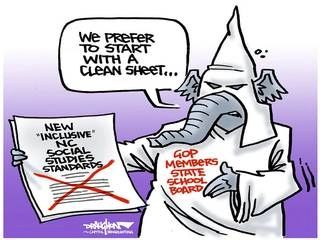
2/5/2022 – One aspect of my work involves figuring out “Whose story is being told and by whom?” Part of the effect of #RacialBackdraft involves the calling for #BalancedPerspectives or making sure that if a Black and/or Brown perspective is being shared, then other (usually competing or opposite) perspectives have to be given in the same space. In this way, the term “balanced perspectives” is actually a misnomer here. A BIPOC perspective *is* the balanced perspective in this case. With most of our media coverage, lessons being taught in school, policies being discussed at the legislative level centering around a Eurocentric viewpoint, adding in a voice from a marginalized community is how we can work towards #multipartiality.
When we look back on the goal of the #NewCivilRights movement, it was meant to shed light on the dangers of the single story or as a dear friend @jasonjusticenow puts it, “The story you tell yourself about others”. Without diverse perspectives being shared, the story one can tell themselves about another group of people becomes narrow. That narrow viewpoint breeds anxiety and, in turn, will breed fear. Fear combined with power leads to oppression. When we think about how the response to BIPOC-centered work is viewed as “creating an imbalance”, we can see how easily racial progress can be framed as #divisive. It is always worth analyzing and evaluating your own perspectives and how you are being taught said perspectives. There are those that will choose to be #WillfullyIgnorant when being presented different perspectives but #Education will always win in the end. #RootsRugbyFamily #BlackHistoryMonth

2/6/2022 – #RaceRelations in America is a tricky deal. Because of our #2PartySystem, political events often hit a binary option almost immediately. #Multipartiality is off the table because it is not ingrained in the way America should think about political or controversial issues. America’s obsession with gaining power in the smallest ways (not unique to America by any means) means that any discussion can turn into a power struggle intertwined with emotions. To apologize for an action is stigmatized as weak in our culture and is not seen as an effort to build trust. When we consider American politics’ relationship with race relations, we can quickly see how #RacialBackdraft can find such a solid base to work from.
Taking a look at the #CivilRightsMovement and some of the legislature that came from it (which we’ll analyze its effectiveness later this month) we can see that the initial intention of the acts and amendments that followed have been dismantled into little or no effectiveness. #AffirmativeAction, #VotingRights, and even #Integration has largely been loopholed into oblivion. What is the purpose of “apologizing through policy” if the policies themselves are created to be broken? Fear of Black and Brown populations having “too much” preference is a matter of subjective perspective that has been baked into our political process so to undo it requires a national mindset shift around how to help build trust and report with our different cultural groups. A great way to do that is by creating policies that seek to uplift our communities that need it and ensuring the policy cannot be stripped bare by those that seek division and power imbalance. #RootsRugbyFamily #BlackHistoryMonth
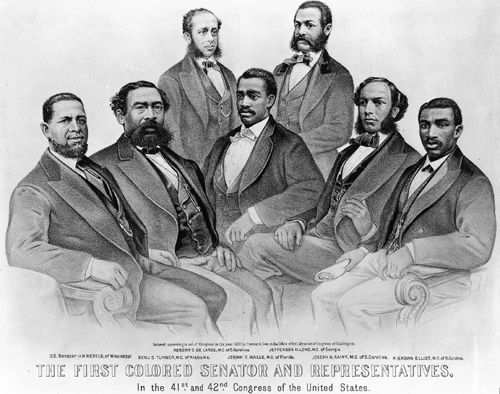
2/7/2022 – Yesterday I spoke about how #RacialBackdraft can politically dismantle legislature aimed at racial progress but what does that honestly look like? Let’s start with our #CivilRightsActs and #amendments. Are you aware that there have been roughly 20 of them? 1866, 1875, 1957, 1964, 1968 and even as recently as 2006. Why so many? What did the others try to do that the first one couldn’t? When we look at the economic disparities between racial groups, a thorough amount of thought should be given to how Black people were constantly fighting for legislative and political rights and could not even begin to embark on gaining economic freedom. The first two Civil Rights Acts happened during #Reconstruction. Following Reconstruction was the #JimCrowEra and one of the highest points of racial turmoil and violence the country had ever seen. While the Civil Rights Acts of the 60s made it difficult for #OvertRacism to take place, the racial backdraft of the recent Civil Rights Acts are manifesting quite well in covert ways.
Let’s analyze how/why the Acts were dismantled. On the surface, Black people were to be seen as American citizens and should be given the rights afforded to American citizens. Beneath the surface, job security, political power (read #VotingRights, and equality of access to public spaces directly threatened the social standing of White people in power and those looking to gain it. The potential possibility of a newly freed enslaved person gaining enough power to influence (happened 5 times #BlancheKBruce, #RobertSmalls, #JosephRainey, #JohnRLynch, and #JosiahWalls) caused the anxiety spoken about yesterday. Because our politics are Eurocentric, some could make the argument that #CivilRights are unAmerican by definition. And so they did. The #SupremeCourt slowly dismantled each act under the guise that #StatesRights means the government cannot enforce civil rights protections. Without the protection of the law, Black, as well as other marginalized groups, were subject to not only #disenfranchisement but an uptick in racially-motivated violence and policies that would not only stall progress, but actually aim to reset it entirely. #BlackHistoryMonth
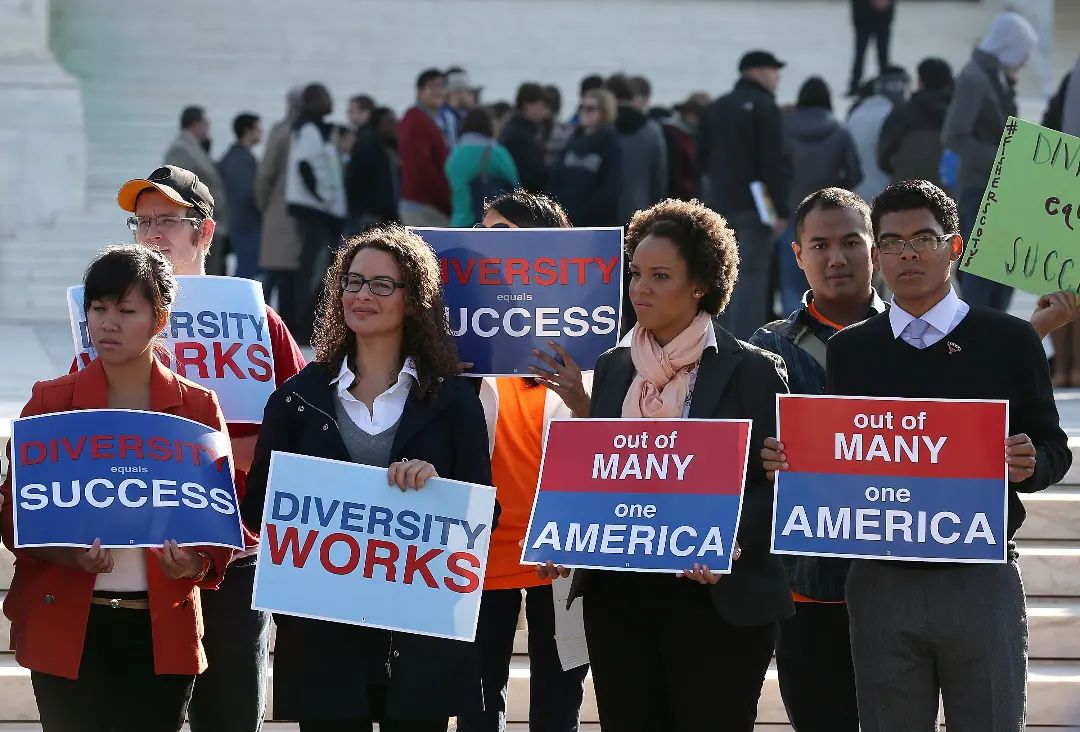
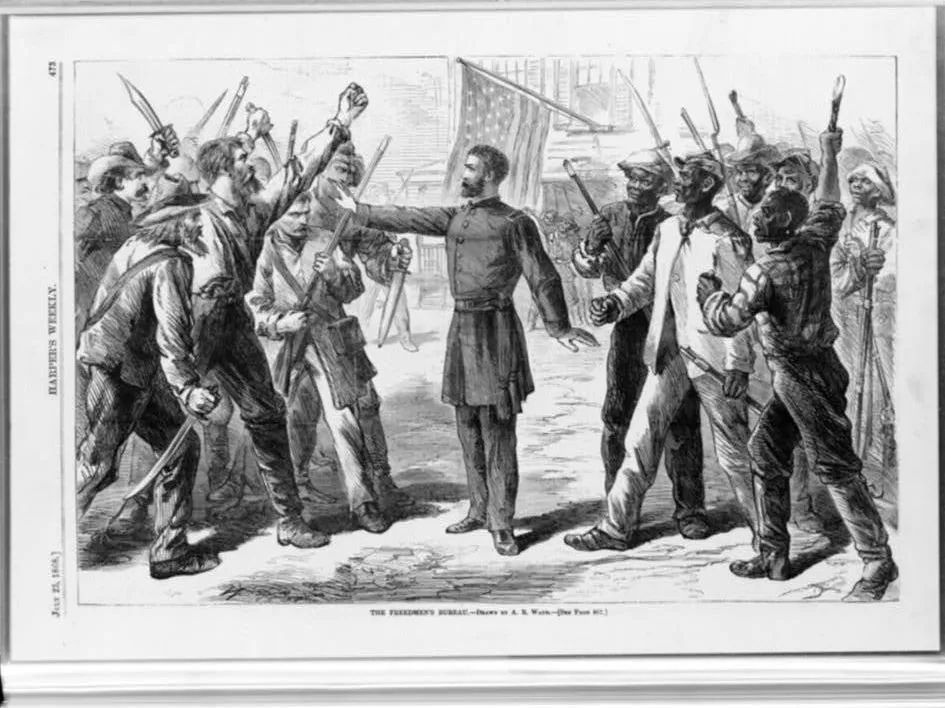
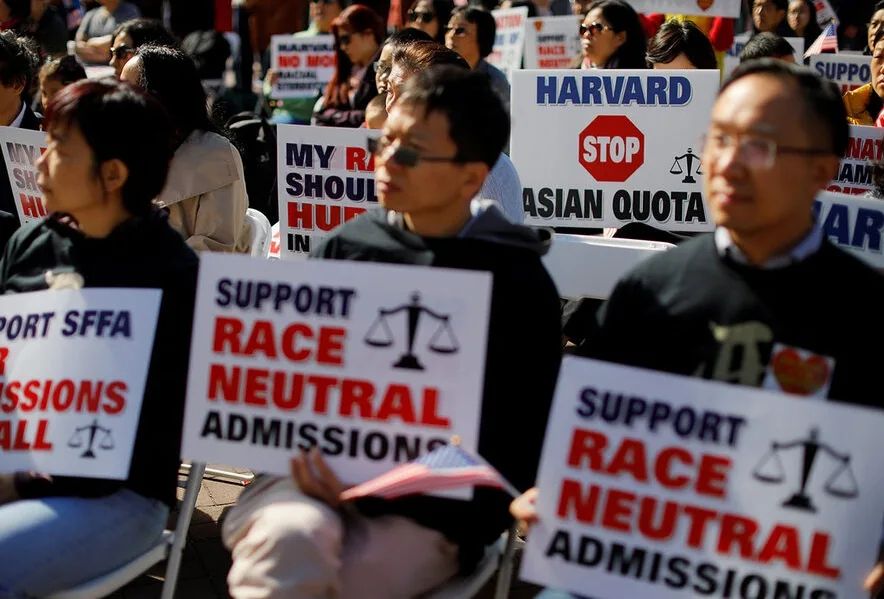
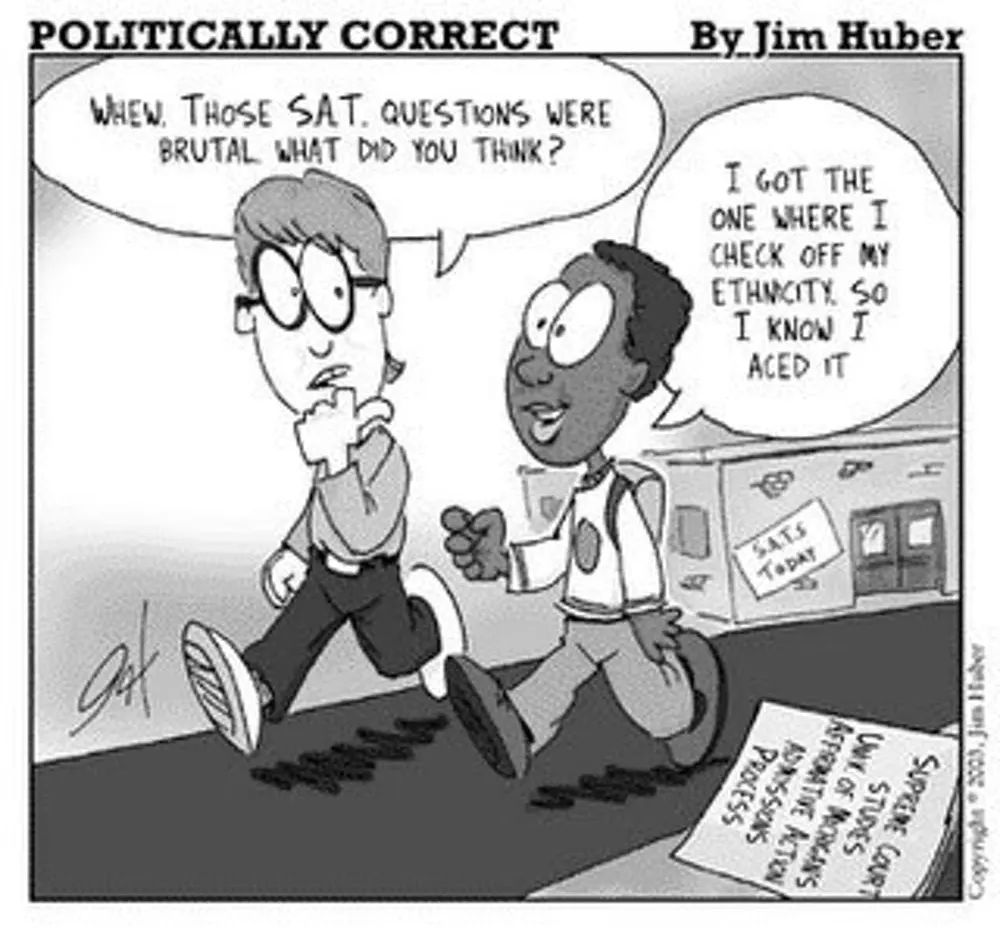
Affirmative Action – History and Impact
2/8/2022 – Building on the conversation around how #CivilRights can be dismantled by #RacialBackdraft, I want to turn our attention toward one of the measures that had the intention of looking to “balance the perspective” and focus on leveling the economic playing field has since turned into a political flashpoint issue with neither side willing to hear the other. #AffirmativeAction actually started as far back as 1865 when it was under another recognizable name: #40AcresAndAMule. #WilliamTecumsehSherman was not an abolitionist by any means but he did want to approach the solution of freedmen with practical solutions. Giving the enslaved people the land they worked on could balance out their new landscape, physically and economically. Multiple fears and anxieties rose from that proposal (#RacialBackdraft) and a “compromise” was to try and send the newly freed people out west (hence why we have a history of #BlackCowboys) or #BackToAfrica (Liberia’s origins). Over time, the American government would continue to grapple with what would be coined #TheNegroProblem.
The first major moves toward newly freed Black people was a combination of #BlackCodes, #Segregation, and #Disenfranchisement. We would not be able to honestly have the discussion on #EqualOpportunity until the JFK/LBJ administration and even then it became about #DiversityQuotas. America is in a strange place on this issue. We are a merit-based country, the idea that someone can get preferential treatment based on something they cannot control will not sit right with most Americans. However, we also know that America has historically kept women and marginalized populations out of certain industries and positions due to something people cannot control. As a result, we’ve stripped Affirmative Action of its purest intentions and as a result, called it #ReverseDiscrimination, and do you know who Affirmative Action actually helps the most now? White women. #RootsRugbyFamily #BlackHistoryMonth
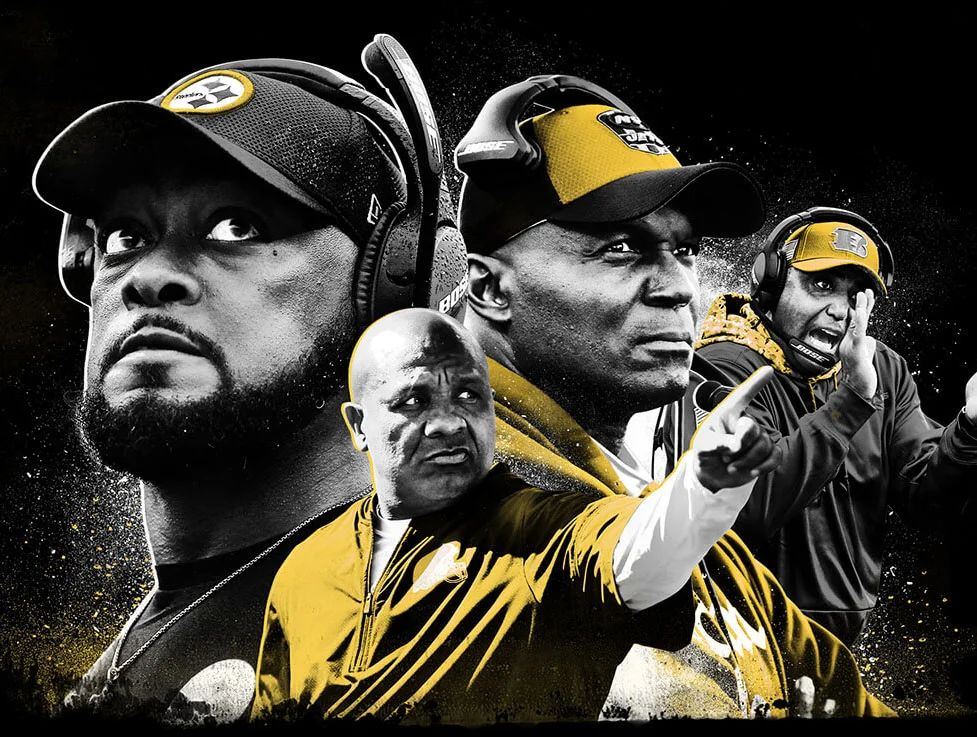
2/9/2022 – Yesterday’s conversation around the relationship between #AffirmativeAction and #RacialBackdraft brings me to today’s discussion around a derivative of Affirmative Action called the #RooneyRule. In short, the Rooney Rule was created for NFL teams to interview at least one person of color for their head coaching and coordinator positions. This was to prevent #nepotism but also to hopefully level the playing field for Black and Brown coaches to have a shot at coaching NFL teams. When the Rooney Rule was first implemented in 2003, there were 3 head coaches of color. Today? 1. #MikeTomlin. The reasoning is not complicated but given there is now a class-action lawsuit by #BrianFlores, there will be many more discussions on the effectiveness of the rule. Around 70% of the NFL’s players are Black but that number does not translate when we look at the front offices of the NFL teams. This isn’t a question of whether the NFL has a race problem or not because it does. It is now a matter of how to mitigate the same anxieties felt from the Affirmative Action issues and the #NegroProblem that keeps manifesting.
Sports have always been a vehicle for societal change, whether it is #BreakingTheColorBarrier, a #RaisedFist at the Olympics, or #NFLActivism, we have seen the effect athletes can have on the US as a whole. However, when it comes to #RaceRelations, Black athletes can see their voices stifled almost immediately and be told to be grateful they even got an opportunity. When we scale this rhetoric up the coaching/front office level, we can quickly see how Racial Backdraft can create silence through fear. Both money and access can be immediately lost if a player or coach becomes too critical of the system they are in. Because the institution can never be criticized from within, it will never feel the need to change itself. It will treat outside critiques as outliers and continue to perpetuate the same behaviors until either someone sacrifices their position to speak up or someone with enough power turns the tide and holds it accountable simultaneously. Brian Flores can only be one of those things by default but will it be enough to decide the future of the Rooney Rule?
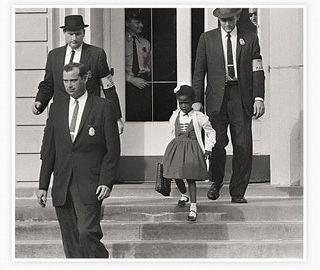
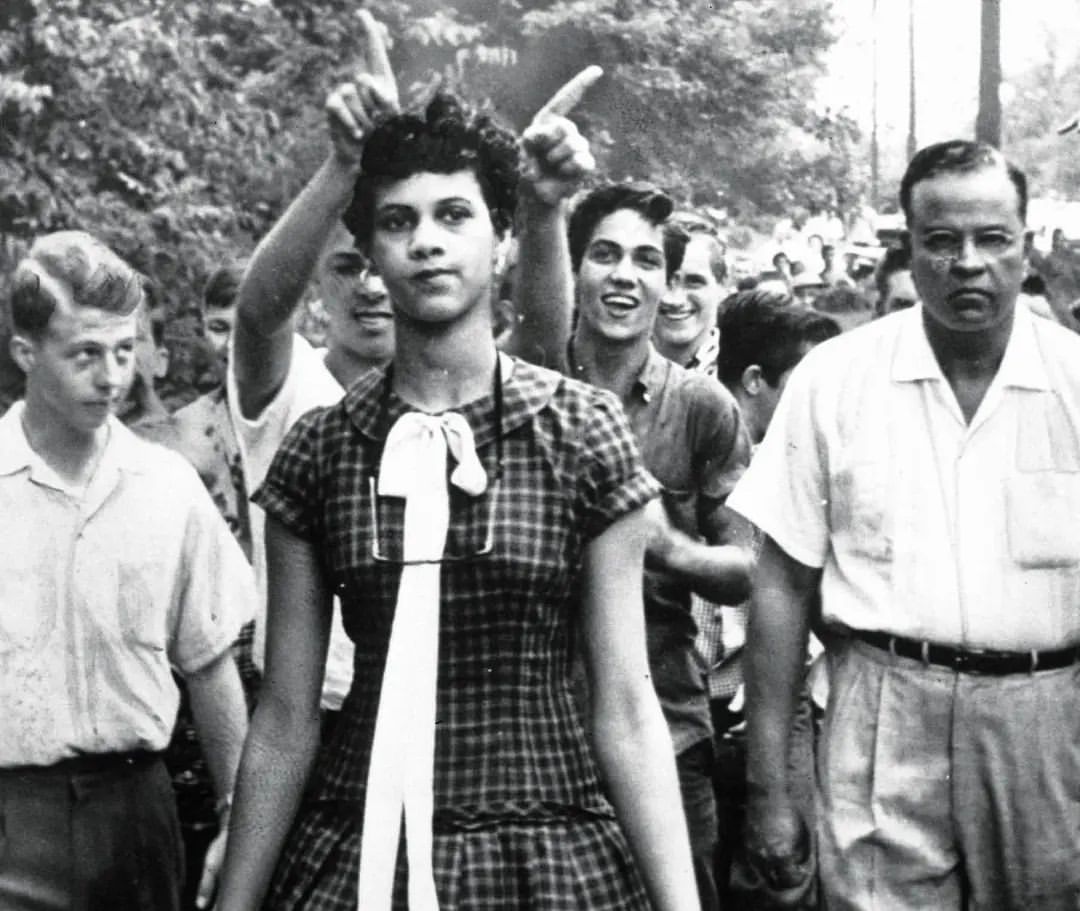
Integration (or lack thereof)
2/10/2021 – As a follow-up to yesterday’s post, should we actually zoom out a bit and examine #integration as a whole? Policies like #AffirmativeAction and the #RooneyRule have both managed to be exploited like many of the other race-based policies American legislation has put forth. We are recognizing that #RacialBackdraft can render thoughtful solutions meaningless and in turn, perpetuate (or even exacerbate) many of the issues of the past. This is actually the case when we consider America is experiencing a #CognitiveDissonance when it comes to discussing #Integration. When #BrownVBoard passed back in 1954, it signaled a potential dramatic shift in the way we saw access for Black and Brown people. The writing was on the wall as we see the responses to #RubyBridges, #LittleRock9, and #JamesMeredith were overt displays of opposition. But what did covert look like?
Most Americans will tell you they have no problem living around people of different racial backgrounds yet the reality is that the majority of America still has segregated neighborhoods and schools. How are we simultaneously telling ourselves it wouldn’t be a problem while recognizing (or refusing to in some cases) the ever-growing gaping inequality that exists because of this de facto segregation? #Exceptionalism. More specifically #BlackExceptionalism. I will go more in-depth tomorrow but it is important to recognize that because America believes it is a #meritocracy, it becomes simple to believe that if one made it, then the issue has been solved and the others simply need to follow suit. Because of our current racial power dynamic a term like #BlackExcellence or even a #BlackValedictorian can have an adverse effect on seeing our integration strategy for what it truly is – a failed concept. It can definitely change, but it means we as a country need to be honest about where we are now. When we frame it this way, we can see why need a #BlackHistoryMonth! #RootsRugbyFamily
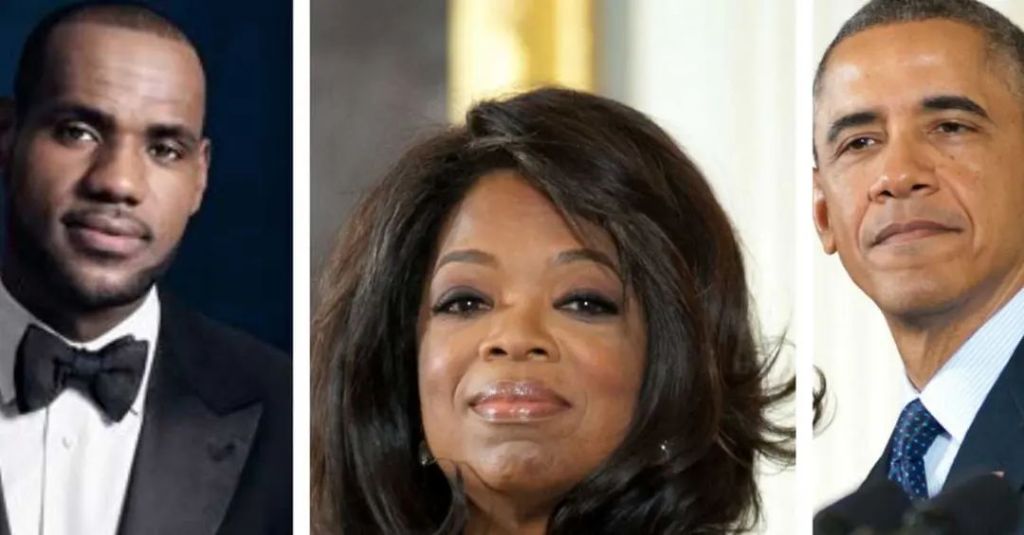
2/11/2021 – “If racism is real, how come we elected #BarackObama to be president?” I’m certain we have all heard that phrase a few times over the years and the person asking may genuinely be confused about how we can have a Black man as president while still saying Black people are still experiencing #InstitutionalRacism. One of the ways #RacialBackdraft can stall progress is by hyper-evaluating the actions of Black people to determine if they are “good for their race”. This is called #BlackExceptionalism. Black people need to adhere to a number of “positive” quality traits in order to gain access to spaces while White people are not generally held to the same standard. #RosaParks story is an example of Black exceptionalism. #ClaudetteColvin initially refused to give up her seat but she was a single mother and that would not carry the same weight as a stoic older woman and the #SCLC recognized that and made Parks the face of the Bus boycott movement.
When an unarmed person (especially Black) is killed by the police we actually can see this phenomenon in real time. After the victim’s name is released, it is often followed up by any arrest records or any general frowned upon deeds. The victim’s humanity rests on whether or not they are exceptional or “deserving” of public sympathy. The conversations around #ElijahMcClain and #GeorgeFloyd are examples of this. Because the public is heavily focused on the victim’s actions it stalls the actual conversations that need to be had around #PoliceBrutality. The thought that those who are exceptional are shielded from racism and prejudice is a false one. Using stories like #LebronJames, #OprahWinfrey, or even a Black valedictorian at a predominantly White school to excuse the number of hurdles Black people can face lacks critical thought. Engaging meaningfully with #BlackExceptionalism means questioning the system in which they have to be exceptional in order to gain basic rights. #BlackHistoryMonth #RootsRugbyFamily
2/12/2022 – As discussed yesterday, America’s power struggle with Black culture means all actions, positive or negative, create a thorough discussion about the progress of a Black people in America. #RacialBackdraft tactics can include being willfully ignorant, obfuscating progress/celebration of Black culture, and more interestingly, #BlackReductionism. #Reductionism is a psychological term that takes complex issues and breaks them down to simplistic concepts. Sometimes it can be useful to see the elements that can make up a particular subject, however in the political sphere, this term can be weaponized by the willfully ignorant to stall conversations and distract from the main issue. If we use #BlackCulture for example, it is often reduced to rap music and its elements and used to pathologize an entire race. As a result, stereotypes around violence, promiscuity, laziness dominate discussions and are often seen as a “barrier” to Black progress.
“Black on Black” crime and the conversation around it is an example of Black Reductionism. For starters, crime within racial groups is often higher due to proximity. Combined with lack of resources and higher police presence, we can understand why this term is a defense tactic for opponents. I often hear the phrase, “Until Black people fix their culture, they won’t make progress.” Sentiments like these are not new by any means but it does bring a certain truth in the way America grapples with #TheNegroProblem. The history of Black culture involves perseverance through oppression, ingenuity, and its desire to be replicated by many other cultures around the world. Because Black Culture is not seen as American culture, it will always be in competition simply because America’s us/them mentality. Shifting this mindset requires an honest assessment of American culture and its relationship with race as a whole and the acknowledgement of the contributions of Black culture. Knowing America’s historical relationship with Black America, we know the conversation needs to continue. #BlackHistoryMonth #RootsRugbyFamily

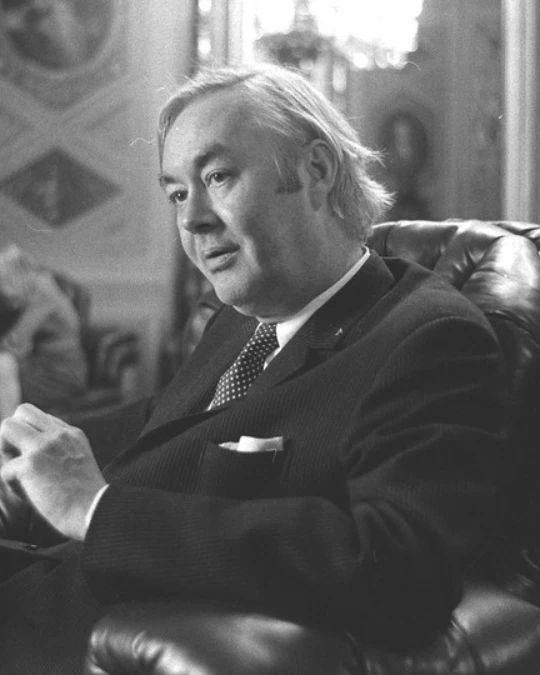
Daniel Moynihan and The Moynihan Report
2/13/2022 – Building on yesterday’s post surrounding #BlackReductionism I wanted to give a historical example of #BlackCulture coming under misplaced scrutiny. The #MoynihanReport toed a very fine line between the critique of our country and #VictimBlaming. Written in 1965 by Assistant Secretary of Labor, Daniel Moynihan, the report aimed to discuss the nuclear Black family and its statistical relationship with poverty. He spoke of the rise of single Black mothers and “debaucherous” lifestyle of Black men and their inability to get a job or stay out of jail. He aimed at tackling two prominent issues, the “ghetto” culture of Black people and the systemic oppression of the Black race. It’s intended effect was to start a dialogue about ways to boost opportunities for Black men while simultaneously publicly recognizing the ever-increasing wealth inequality gap the American government has caused. It’s impact became a decades-long discussion on the “culture” of the Black Family.
.
#RacialBackdraft plays an interesting role with respect to The Report in which it takes a critique out of context and proceeds to use that as a point against its intended target. Statistics did show an increase of single mothers, what The Report also tried to show was how this could be because of a few reasons, namely the increased racial violence in the #JimCrowSouth as well as the penal system heavily restricting the freedoms of Black men due to racist laws like #BlackCodes and the de facto segregation of the North. Rather than assess the various obstacles, Backdraft doubled down on critique of the Black Family structure. As a result, The Report became a talking point for Conservatives looking to place blame on the actions of individuals rather than their policies. Many of the issues raised in The Report are still being discussed today and shows how powerful government policies can be even when they are no longer in effect. #RootsRugbyFamily #BlackHistoryMonth
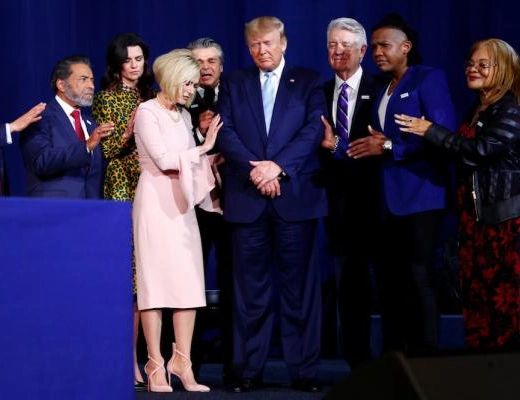
2/14/2022 – The power dynamic #RacialBackdraft trades upon is a historically strong yet problematic one because thoroughly reckoning with it means shaking a great deal of belief systems to their core. Religion and American history have been inseparable since America’s founding which makes religion inextricably tied to our country’s relationship with race. #ThomasJefferson “grappled” with what freedom meant knowing he owned enslaved people, including a concubine named #SallyHemings. Many plantation owners sought out religious leaders to justify their their usage of chattel slavery and those religious leaders obliged, citing it was a “moral and just” decision AND it was actually good for the enslaved people. Racial Backdraft can show up so prominently because of its religious justification. When #MLK used religion as a reason why Black people should be free, #GeorgeWallace turned to his religious leaders to justify why MLK was an “agitator” and looking to disrupt God’s moral order. Religion, more specifically #Evangelicalism has been increasingly weaponized over the last few decades to justify its opposition to racial progress and continually blur the lines between separation of church and state.
When #DonaldTrump began seriously running for president in 2016, everyone knew he would be tapping into a largely White conservative base. What became surprising to some was how quickly the Evangelical church welcomed his rhetoric and supported his #Nationalism movement. Following the #Obama presidency, the Evangelical right voted for Trump at 81% vs the 24% for Obama in his first term. While it can’t be reduced down to simply race, churches have largely been some of the most segregated spaces in America today, largely due to their political ideologies. Shortly after the integration of schools, religious schools used their backgrounds to continue segregation (there’s a term for this) until the Supreme Court had to intervene (Coit v Green). Racial Backdraft’s unique ability to conflate ideologies with identities allows for hesitation of criticism for fear of being seen as immoral or unpatriotic. But more on that tomorrow! #RootsRugbyFamily #BlackHistoryMonth

2/15/2022 – “America is a melting pot,” is a general phrase we have heard before. It is supposed to signify assimilation into one general American culture. Moving away from a heterogeneous society to a homogeneous one is the goal of this statement. But what does homogeneity look like culturally for America? Better yet, how do we feel, as a country, about what that would look like? #InterracialMarriages, #Desegregated communities, actively working to close the wealth disparity would need to be embraced by all before we can move forward with viewing the US in this manner. Building on yesterday’s discussion around #Evangelical political activism, we can see the dangers of not keeping the church separated from the state. The Melting Pot theory looks to ignore that. In this way, statements like “America is a Melting Pot,” can be seen as #RacialBackdraft. Ignoring how multicultural America truly is can erase multiple identities simply for the sake of the dominant culture. It can maintain the status quo with a statement around assimilation.
When we look at the failures of #integration, #PoliceBrutality, as well as the number of people living below the poverty line in America (~13% or ~40mil) we need to look at whether our current system is actively working to correct these issues or perpetuating them. Having a #MeltingPot means we are taking these factors into account and looking for solutions to uplift the many different marginalized identities. Since we know we are not there yet, acknowledging these discrepancies is always the first step. Part of what makes #RacialBackdraft is so difficult to work through is that it will not follow the first step, it seeks to maintain the current outlook and will often look to put the onus on the marginalized populations to do all of the work required (see #CivilRightsMovement, #Reconstruction, #Slavery, etc.). Recognizing our many different cultures and their hurdles and working together is actually working toward a more Melting Pot-esque space! #RootsRugbyFamily #BlackHistoryMonth

2/16/2022 – When we look at the #WealthGap today, it can become a stark reminder of how far we actually have to go towards equality. Much like how wealth can be passed down from generation to generation, so can poverty. Inheriting poverty can create a survival response from early in one’s life and it can be difficult to move from that mindset once a person is financially secure (think of why you typically hold onto useless items around the house rather than just tossing it and buying it when you need it again). Poverty can create a glass ceiling for many, especially if they are tasked with taking care of other members of their family that are in poverty as well. On the flip side, wealth can create a glass floor where no matter what decisions you make, you won’t fall too far in terms of class, especially if you have other wealthy family members. But where has this gap largely stemmed from? While there are many occurrences #RacialBackdraft has influenced, none had a bigger impact than the #TheNewDeal of 1933.
For the next few days I will be exploring the origins of #WealthInequality and highlighting some of the legislation that perpetuates many of the issues we see today. In short, The New Deal embraced segregation and put specifically Black Americans on a different track economically. Aimed at helping Americans after #TheGreatDepression, The New Deal offered support mainly to farmers, unemployed, the elderly, and even the youth. However, the fear of Black advancement (many studies on this concept) resulted in many Black Americans losing their jobs simply because a White counterpart did not have one. They also were subjected to a lower minimum wage because the suggested wage was “Too much money for Negros” (Quoted from Foner’s Organized labor and the Black Worker). Given The New Deal was geared toward men because they were seen as the “breadwinners” at the time, Black women were adversely affected by the legislation. I will dive a little deeper over the next few days! #BlackHistoryMonth #RootsRugbyFamily
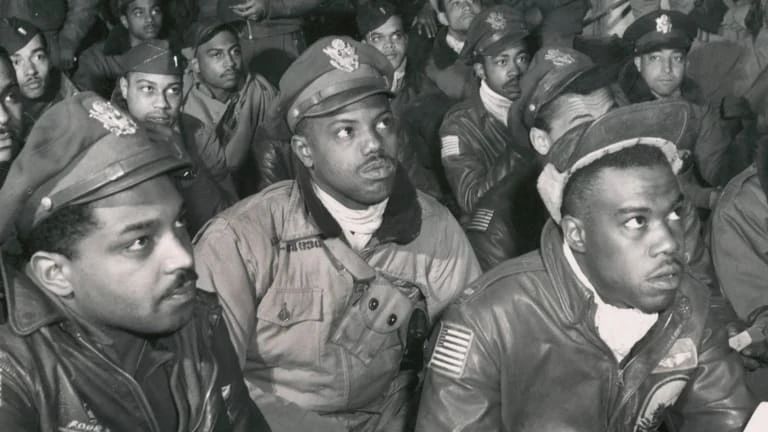
2/17/2022 – America’s entry into #WWII signaled the end of the #GreatDepression. With #TheNewDeal now in effect, most of the programs would be able to keep families focused on the wartime effort. Though racism and discrimination was still prevalent, Black Americans still looked to pick up arms and fight under the nation’s flag. America wanted to help its veterans gain opportunities they had missed due to fighting for the country so in 1944, the #GIBill was created with bipartisan effort. The main issue was #RacialBackdraft, specifically in the form of #JimCrowLaws. Ideally, if you fought for the country, you were entitled to the GI Bill’s benefits. However, due to fear of Black Advancement, Jim Crow politicians felt it wouldn’t be fair to have Black Americans level with White Americans. As a result, we begin to see how the #RacialWealthGap would continue to develop.
The combination of The New Deal and the GI Bill created #WhiteAffirmativeAction. Its combination is what gave White Americans access into the middle class through jobs, housing, and educational opportunities. Black Americans would not be granted loans for housing, tuition for schools, and in some cases, they would have to take job opportunities for a fraction of pay in some states. They would also be disqualified from the GI Bill if they were not honorably discharged, something the military decided to not grant many Black veterans. As a result, many Black families could barely keep up with inflation while White America saw the benefits of the post-war economic boom. While they were being restricted by law from access, they were also subject to racial harassment and violence. Because they could not have a seat at the table, they had to build their own place to eat. More on that tomorrow! #BlackHistoryMonth #RootsRugbyFamily
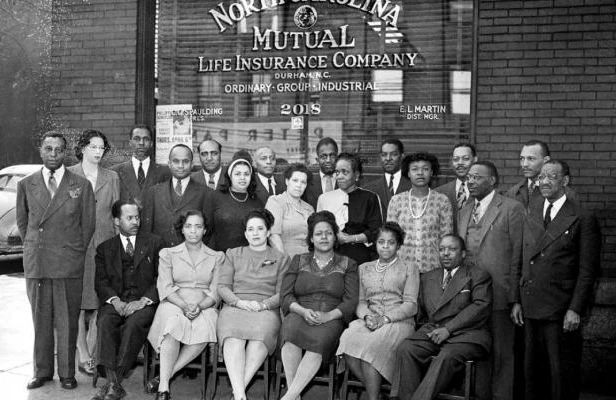
2/18/2022 – With #JimCrow segregation in full effect (and de facto segregation in the North), any legislation passed to benefit Black people would be subject to the #RacialBackdraft that comes with it. Finding solutions in spaces like that requires a strong community sense as well as the willingness to pool resources together. When we discuss the #RacialWealthGap, these factors come into play when we see the routes needed to be taken to stabilize the Black race. #BlackBusinesses have historically been a story on the “American Dream”. When we discuss pulling oneself up by their “bootstraps”, starting a business when business loans were not likely to come your way, you wouldn’t likely be allowed to set up your business in a White/integrated area, and if successful you were subject to harassment, Black business owners have had an entirely different landscape in contrast to White business owners.
Following the history of Black businesses requires a true assessment of what the business landscape looked like for Black and White business owners in the 20th century. Access to capital was still restricted by race so in order for Black businesses to take hold, the community around them had to be willing to pitch in. While this created cohesive communities as well as small economic gains for the community, it simultaneously created #RacialBackdraft in the form of frivolous taxes being applied as well as the threat of devastation if it began to get too popular. Stories like #BlackWallStreet are becoming known due to the racial violence attached to it but other Black communities were erased legislatively. All-White city councils could vote to “revitalize” the city by targeting neighborhoods to build up. #HaytiCommunity and #JacksonWard are examples of this. Integration was also aimed at taking the best Black businesses in neighborhoods making them compete with other businesses in hopes capitalism would run its course. #PowerOfTheBlackDollar or #DoubleDutyDollars were the focus of many Black communities that were looking to hold their own against oppressive tactics. It would be worth discussing how to bring that back. But that will be for another day. #BlackHistoryMonth #RootsRugby
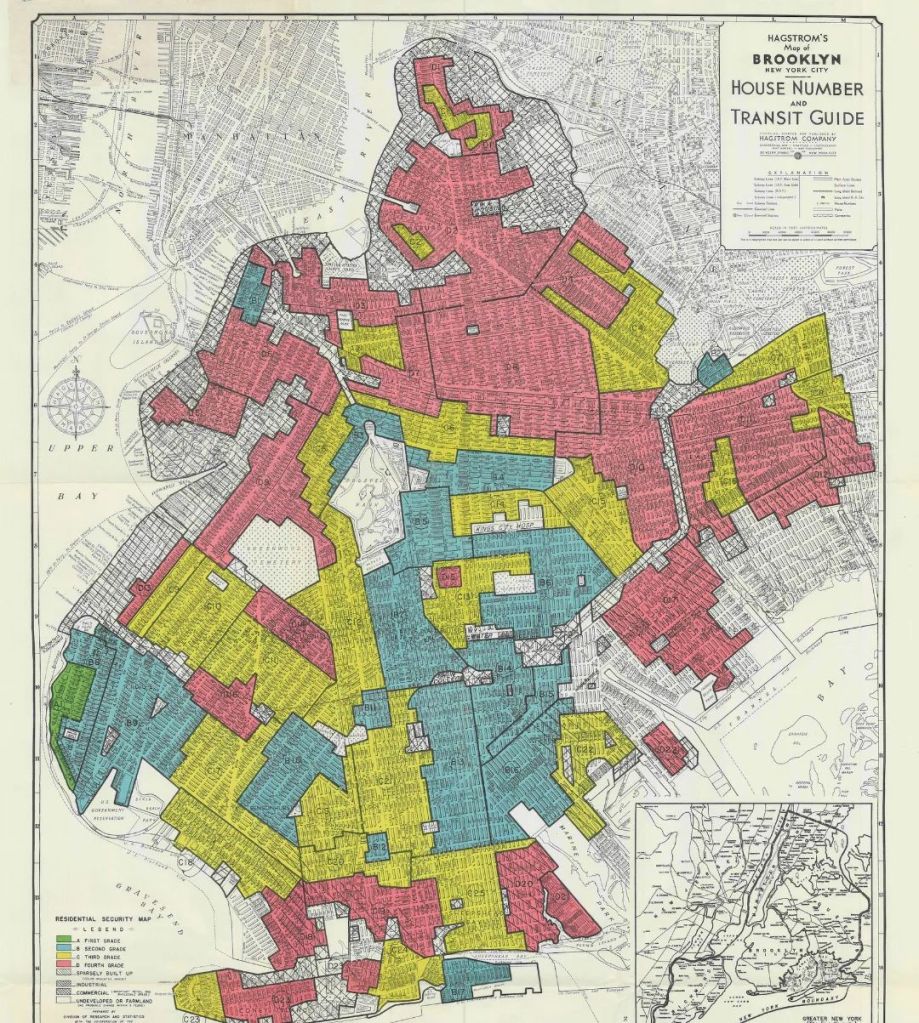
2/19/2022 – We’ve covered how #TheNewDeal, the #GIBill, and #JimCrowSegregation were creating wealth for White Americans but it was #Redlining that geographically made sure Black and White Americans could not be on the same playing field. #WealthInequality is what #RacialBackdraft can cause due to #Reconstruction and the fight for freedom. In 1933, the Federal Housing Association, as an extension to The New Deal, wanted to create wealth specifically for White lower/middle class families. From 1933-1962, the federal government backed 120 Billion dollars in home loans – around 98% of that went to White families. When we hear comments like, “My ancestors did not own slaves,” or “My family immigrated from [European country],” it fails to acknowledge how proximity to Whiteness still has its benefits. Being able to get an affordable loan to live in a good neighborhood simply because of your skin color is #AffirmativeAction. FHA would have an even larger impact on the #WealthGap than any other legislation put through simply because of its ties to #GenerationalWealth.
When we look at the concept of a #ghetto and #suburb it is seemingly one in the same on paper – what is worth examining is how they got there and what came to be when we evaluate how both neighborhoods are perceived by the general public. In short, Redlining had a crucial hold on what would be considered good neighborhoods. As a result, Black Americans were restricted to certain areas of the city, generally with poorer resources and higher police presence (crime or not). Nicer neighborhoods had better schooling, parks, and the police in that area were put there to protect its citizens (We will talk about policing next week!). In 1968, the #FairHousingAct was passed to combat the unfair housing practices of the federal government (notice how #StatesRights was not a part of this discussion) but the damage was already done. For an entire generation, America physically lived in two different realities. Though it has been over 50 years since, America is still grappling with the inequities of housing and not many viable solutions coming out of the discussions. #BlackHistoryMonth #RootsRugbyFamily
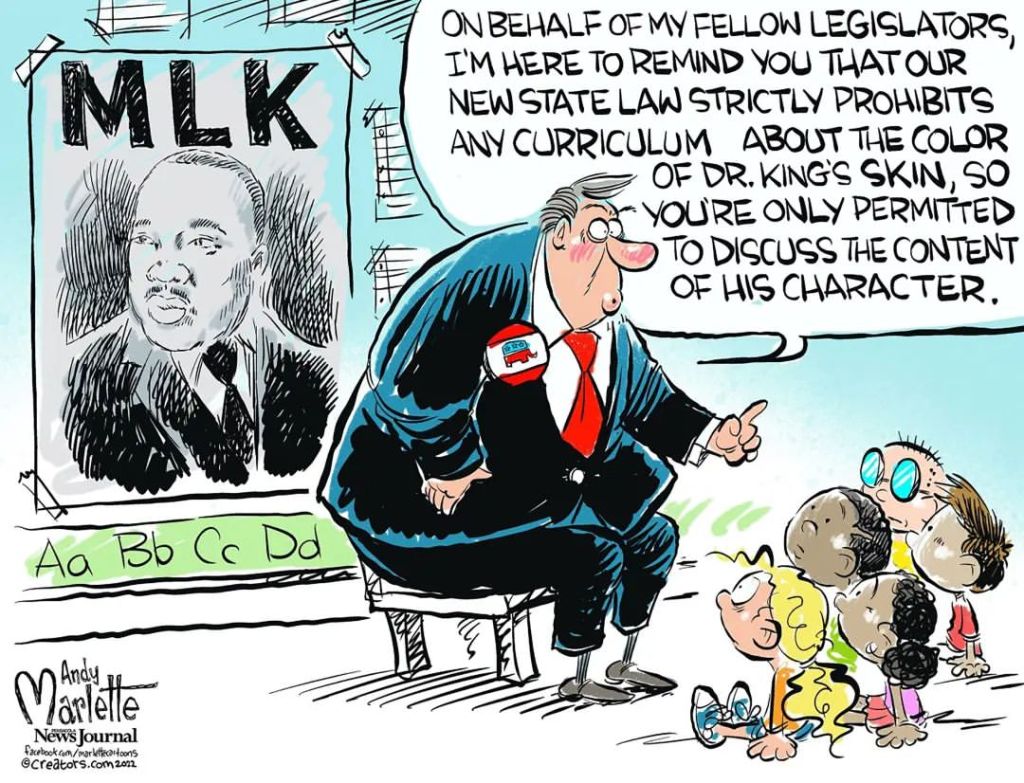
2/20/2022 – Since we’re entering the last full week of the month as we discuss what #RacialBackdraft looks like and its impact, I wanted to give a quick pause to talk about the concept of #WhiteAffirmativeAction and the way it has impacted discussions around #BlackProgress. When you couple slavery and its generational effects with the legislation around making everything “equal” with the newly freed enslaved people, you recognize that there has not been a point in America’s history, to date, that Black Americans have been treated equitably. Even with the #CivilRightsMovement, #RacialBackdraft had managed to strip those rulings of any federal power and placed the responsibility entirely on the Black American to advocate for themselves.
When discussions begin to bring up #WhiteSupremacy, I notice the term becomes a trigger for most. Because of the term supremacy and the stigma associated with it, the ability to have honest conversations around its historical impact are inevitably shut down. While #BlackHistoryMonth is largely used to celebrate Black achievement, when we bring in the environment they needed to achieve in it then becomes a dialogue on White Supremacy and #AffirmativeAction. As awkward of a conversation that may be, my previous posts highlight the dangers of not openly discussing issues of #SystemicRacism. When I see arguments around an average White person’s responsibility in this discussion, it makes me realize that some do not care to see how this is affecting them too. Racial fear has been a staunch opponent to #BlackHistory and as we continue to evaluate our progress as a country, we should be looking for ways to lower the level of fear between racial groups. #RootsRugbyFamily

2/21/2022 – #LawAndOrder is beginning to carry a different connotation as we continue to examine how can #RacialBackdraft can affect different aspects of America. Just like #TheNewDeal, #GIBill, and #Redlining, #Incarceration has been used as a way to suppress #BlackAdvancement and maintain America’s current racial power dynamic today. Shortly after the #CivilWar, in Jan. 1865, America passed the #13thAmendment which abolished slavery and simultaneously allowed criminals to be seen as slaves. By the end of 1865, most southern states adopted the #BlackCodes, heavily restricting access and social mobility for Black Americans. By the 1870s, 95% of the South’s incarcerated population was Black and back into slavery by a different name. Simply not having a job was subject to arrest. As a result, police began populating Black areas. Black people trying to vote for better policies were either met with violence from the #KuKluxKlan, harassment from police, or #LiteracyTests. Again, it is important to note that this was “just the way things were” and police were “just doing their jobs.”
As we watched the history of policing and race develop, we see it was never on stable ground to begin with. When we add in that the #WarOnDrugs followed #TheCivilRightsActs it is not difficult to draw the connection #RacialBackdraft is making. “Law and Order” allowed the Nixon administration to lead America into its #MassIncarceration phase it is still grappling with. By overtly criminalizing crack and weed, America would be able to maintain its racial power dynamic and cull the Black population simultaneously. It can be incredibly difficult to look at #PoliceBrutality and not see how history plays a role in that relationship. Undoing #WhiteAffirmativeAction means acknowledging how America’s many different systems are built on a racial #ZeroSumGame. Much of these discussions revolve around the scarcity (real or perceived) of resources for lower and middle class families and how Black and Brown families are often sacrificed first on behalf of the larger (generally White) communities. Policing and incarceration plays a significant role maintaining the inequitable access. More tomorrow!
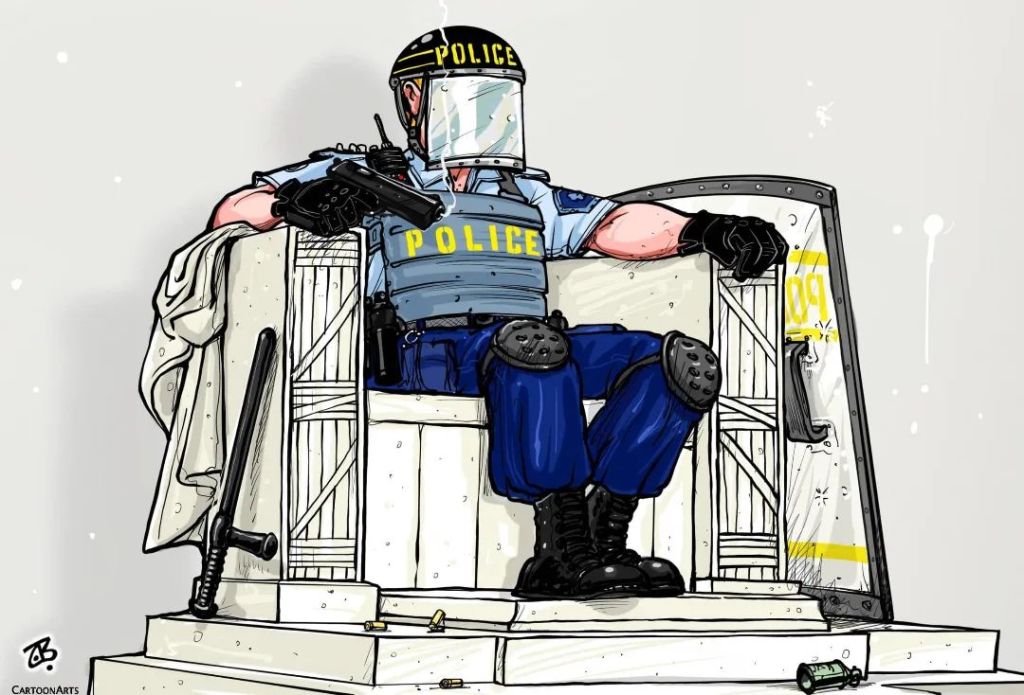
2/22/2022 – Building off of yesterday’s post around the relationship of #policing, #incarceration and #RacialBackdraft, we need to look no further than the weed dispensary industry. We see multiple news stories celebrating weed’s multi-million dollar revenue for some dispensaries while we can still see stories of majority Black and Brown people being arrested for possession. When it came to federally regulating opportunities for Americans, states jumped at the chance to declare any federal enforcement of #EqualOpportunity was unconstitutional because of #StatesRights and now that the access disparities have been exacerbated, we can see what the general intention was. For those Black and Brown people that saw their non-violent offense commuted, what supports have been put in place to have them see the same kind of profits from White counterparts that opened dispensaries in their state? Freedom as a correction of a mistake must always involve access to financial stability to make up for lost time.
When #DefundThePolice was trending it was the closest America had been to discussing #PoliceReform. When data backs the public sentiment around policing in America needing to be rethought, maintaining the status quo only continues to harm majority Black and Brown populations. When we read stories like #BreonnaTaylor, #GeorgeFloyd, #AmirLocke, and so many more, we begin to see that cases like these are not new by any means for America, we just have the ability to publicly record them now. With the #Militarization of police, it has made it difficult to discern who is being protected and from what. #PoliceBrutality stems from before the #CivilWar when patrols used to be employed to catch runaway enslaved people. From there we’ve gone through #Segregation, to #CivilRightsProtests, to #WarOnDrugs and will remain there until America can come together to break the cycle of a police state for Black and Brown populations. #BlackHistoryMonth #RootsRugbyFamily
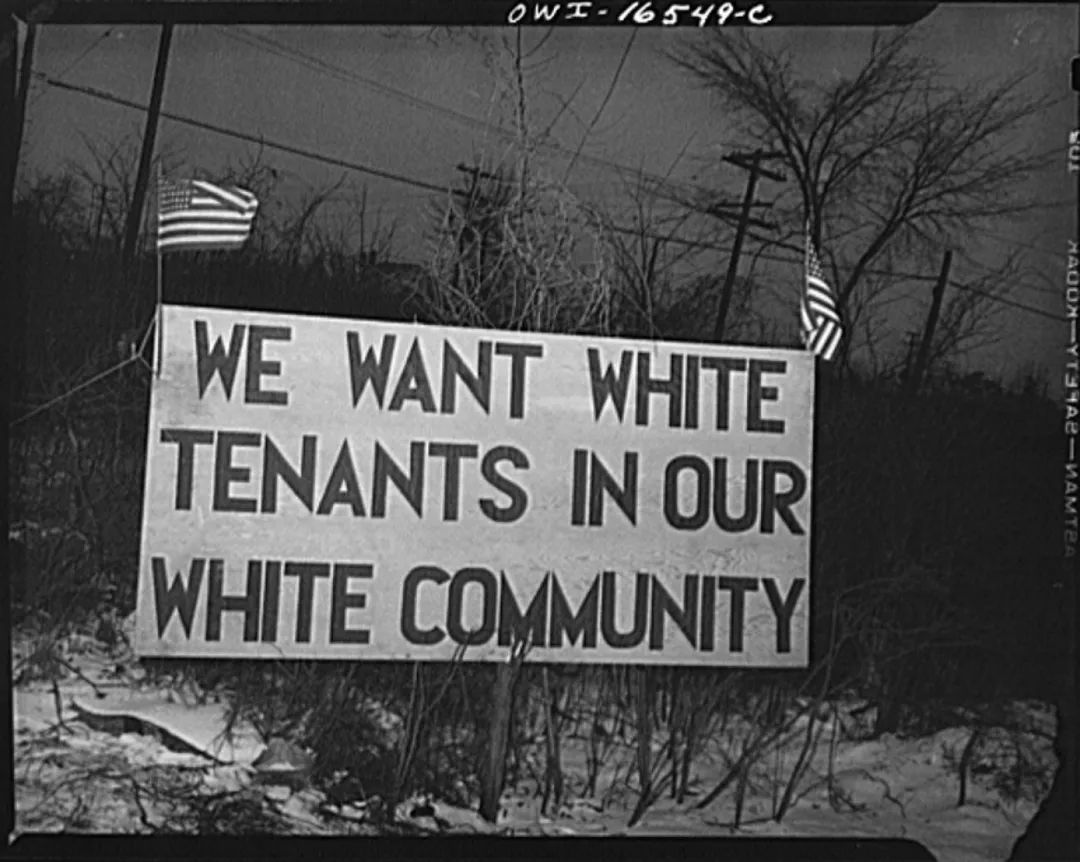
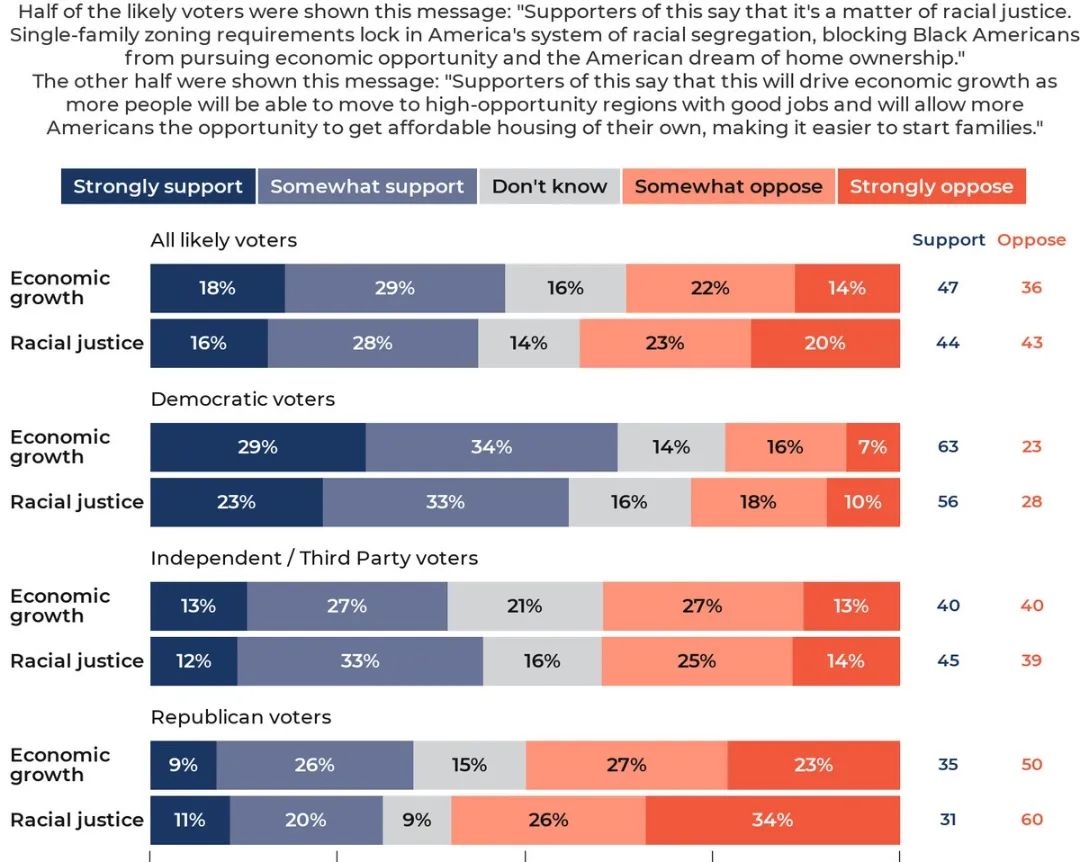
How segregation persists today
2/23/2022 – An age-old product of #RacialBackdraft is recognizing the environment you have “climbed a ladder” for only to pull up the ladder behind you. It is a difficult conversation to have about one’s responsibility for an equitable community but it is a necessary one if we are to find viable solutions to #RacialProgress. #WhiteFlight a product of Racial Backdraft and is generally understood in the context of the #GreatMigration or general desegregation of neighborhoods and schools. Anxiety around living amongst different cultural backgrounds gave rise to more deliberate and purposefully segregated neighborhoods and continued to further complicate race relations in the 20th century. It should be noted that while White Flight describes large populations of White people leaving increasingly diverse neighborhoods, it should also be noted that some stayed and violently resisted #integration and would try to use legal tactics to prevent solutions around #RacialEquity. By the 80s, they would have a specific name for their behavior – #NIMBY.
NIMBY stands for Not In My BackYard and generally describes someone opposed to social programs developing in their community. Sometimes it is for good reason – harm to the ecological state of the community or wildlife surrounding. Other times it is to stall or prevent access of resources by others in their communities. I will be focusing more on the latter given this is a real obstacle for some cities as it relates to race and community relations. When we think of #PublicHousing, #TransitionHousing, #DrugTreatmentCenters and the like, they are usually associated with the Black race. If these posts have taught us anything, this is by design. By coupling race with symptoms of poverty, America has noticeably burdened POC communities with nationwide issues. Pages like @greaterharlem show the disproportionate amounts of #OpioidTreatment facilities in Black and Brown neighborhoods and NIMBYs aim to keep it this way. We would do well to evaluate our community’s needs and ensure there can be equitable distribution of resources where needed. That is how we undo the Backdraft #BlackHistoryMonth
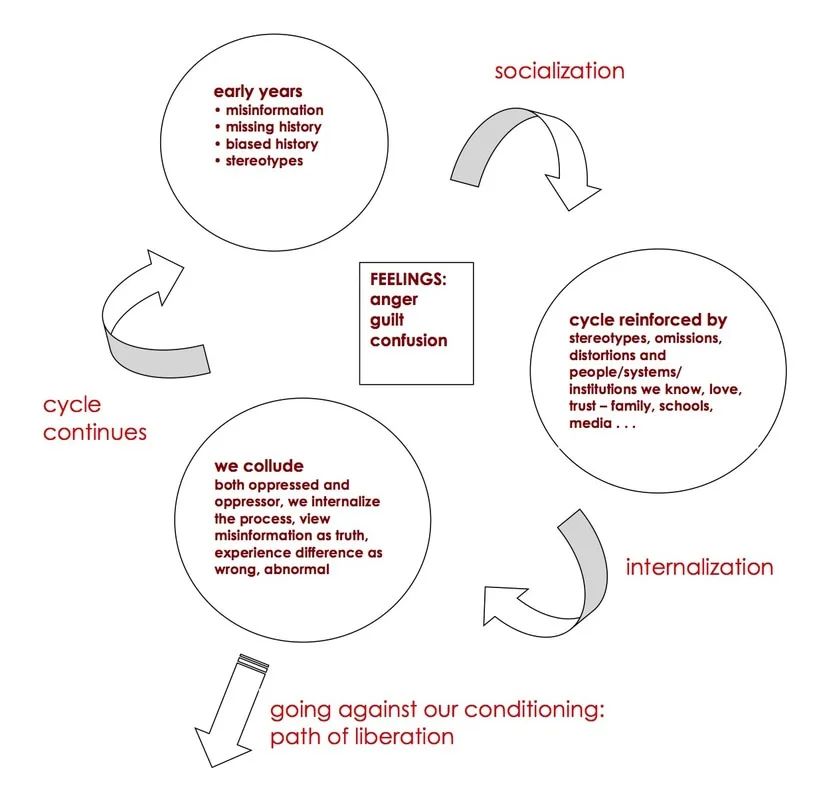
2/24/2022 -“Why are Black people acting like victims?”, “Where is the personal accountability?”, “Why are you making this about race?” are all questions I generally get around this time of year and I noticed an uptick in related-sounding queries around the death of #GeorgeFloyd. I hope this month’s posts can show how this line of questioning is often a combination of #Gaslighting and #RacialBackdraft. There are many productive ways to discuss solutions and next steps to racial progress that do not involve putting the responsibility solely on Black people’s shoulders. Part of these solutions involve assessing one’s own role with respect to #SystemicRacism and the policies that are in place today that perpetuate #Inequity. From there, understanding how to call these policies to attention allows there to be a dialogue around how to better solve the issue as well as point out ways it is connected to other policies as well. I have shown how no single law or strategy lives in a vacuum, these practices exist inter-connectedly to keep the status quo and we must challenge it when we see it.
Harder still is what to do when you have the power to change something that helps many but may negatively/not benefit you. We come across many discussions concerning #StudentLoans, #BlackBusiness, and even #Reparations and the comments inevitably come to, “What’s in it for me?”. America has been reduced to that sentence over the past few decades and allows for marginalization and discrimination to continue due to fear of loss of power. Racial Backdraft is designed to keep people in a state of needing to explain why something is racist to those that remain willfully ignorant even when it is explained. It is important to realize that not everyone (including those within the Black race) will work alongside to help their communities and fight for equality and that is completely their choice and they will come around on their own terms. Our focus must remain resilient. That is the ethos of #BlackHistoryMonth #RootsRugbyFamily

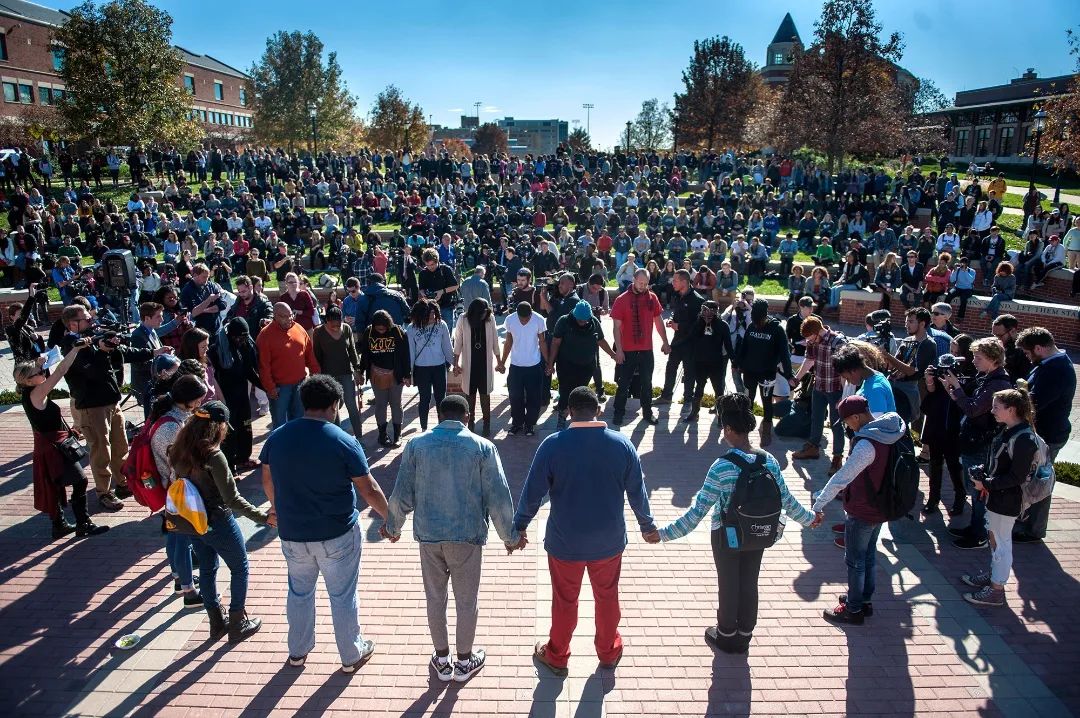
Tradition’s impact on racial/social progress
2/25/2022 – Since 2016, America has been in a proxy war with itself. The election of #DonaldTrump was #RacialBackdraft in its purest form and we have not been able to fully recover from its meaning yet. I often listen to or read about those that feel Trump does not represent us or “he’s in the past, leave him there.” These sentiments are generally spoken to diminish the reality of how racism and prejudice can function. Though the figurehead is removed, certain policies and practices can easily still remain. Think of it as you blowing out a candle but can still light the smoke from the wick to revive it. It is important to still keep an eye out for the “smoke” when you see it. Many people have begun assessing their own practices as well as the traditions of the spaces they occupy and this is how we begin to stamp out the historic remains of racism and can further deal with how racism can change shape over time.
#Tradition has become a buzzword over the years and has allowed institutions to intentionally, yet silently, continue harmful practices under the guise of “We’ve always done it this way.” It also allows individuals to escape accountability if questioned. In order for us to think about the full scope of our impact, ask yourself or the institution, “Why do we do [practice] this way?”. When we consider how stereotypes or biases develop, tradition plays a role in that development. Moving away from #Blackface, #TheMagicalNegro trope, or even #GenderRoles required conversations around its intent and its impact. That isn’t to say all traditions are bad or ill-intentioned but no tradition should escape evaluation. If its purpose is to marginalize, even by mistake, it is worth discussing new alternatives, even if the “greater good” benefits from it. Part of #RacialProgress involves thorough assessment both interracially and intraracially. #Religion is often a space that can seemingly carry antiquated values and practices and remain untouched but it continues to be a strong backbone for harmful policies here in the US. Our tether to our faiths should not interfere with our humanitarian practices and relationships with others. #BlackHistoryMonth #RootsRugbyFamily
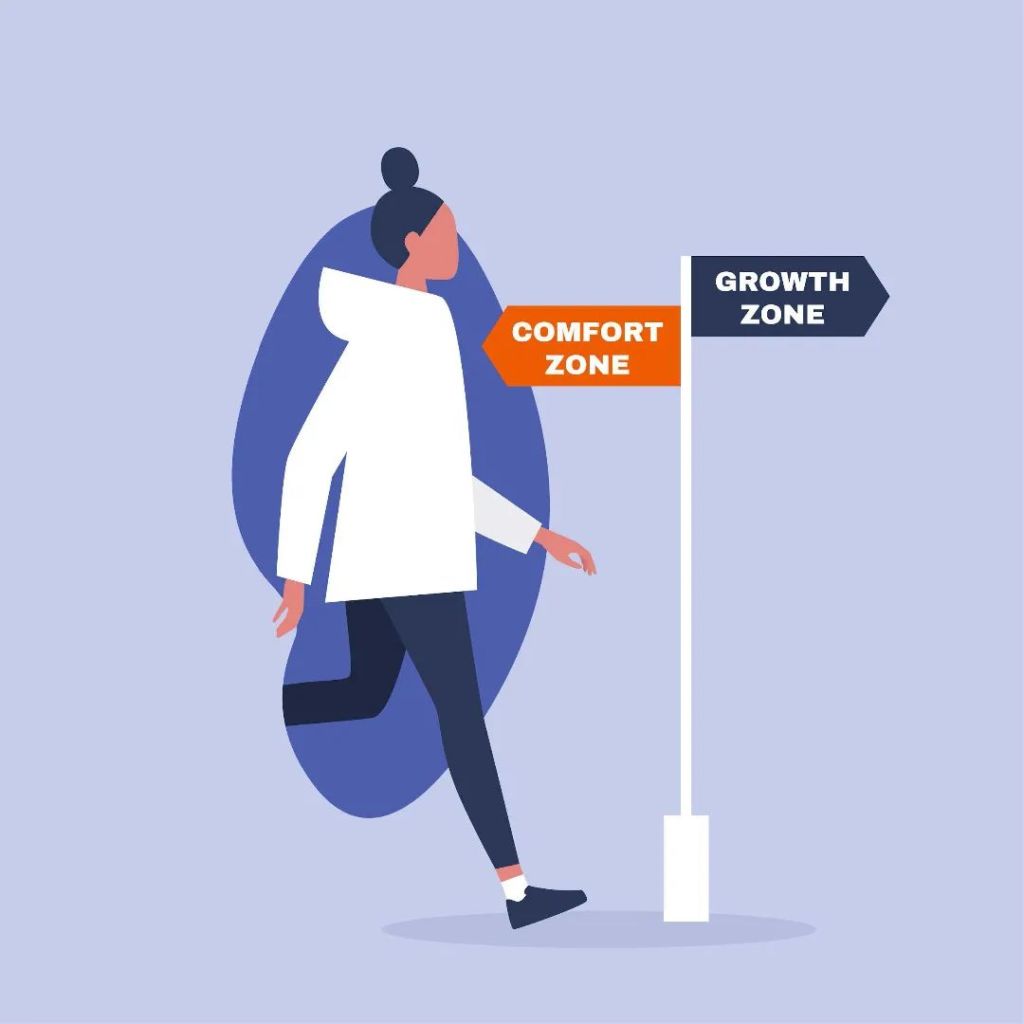
2/26/2022 – This post is directed at my non-Black friends and colleagues looking to understand and help in #RacialAdvocacy work. While research can help me understand #RacialBackdraft and its historical impact, it is the personal experiences and other people’s stories that has allowed me to build comprehension around the subject. #Allyship has taken many meanings over the past but with the rise in racial animosity over the years, it can be difficult to create the dialogue necessary to build a toolkit around what allies should be doing. Without that dialogue, allyship can lend itself to #PerformativeDiversity, silencing of Black voices, and further marginalization. Movements like #CancelCulture makes the line tighter to walk given it leaves little room for mistakes by well-meaning people. Allyship involves making mistakes, owning it, and learning from it. If a person is not willing to lean into the discomfort of error, they are not ready to be an ally. Hopefully, this post can assist in taking the first steps and making them deliberate.
Allyship is unique in which one has to decenter themselves in issues of racial oppression. It can be easy to make the situation about you but this can lead to silencing the affected group as well as #Saviorism – thinking of oneself as a hero that needs to “save” the Black people around them. While this work may put you in situations with those who are less fortunate, it should not narrow your scope to think you are the only one who can help. On top of decentering, it is helpful to evaluate how to have conversations about race within your race. Much of this work involves self-assessment as well as evaluating the practices of your social groups and spaces. Leaning on Black friends to guide your actions is still an action of centering yourself rather than taking the extra time to learn about which steps to take next. When #GeorgeFloyd was murdered it put the nation of #AnalysisParalysis – we had no choice but to sit with the situation and discuss it. Most discussions died when it came to action steps because allies became concerned around social standing. Be ok to help one another take a healthy step toward progress.
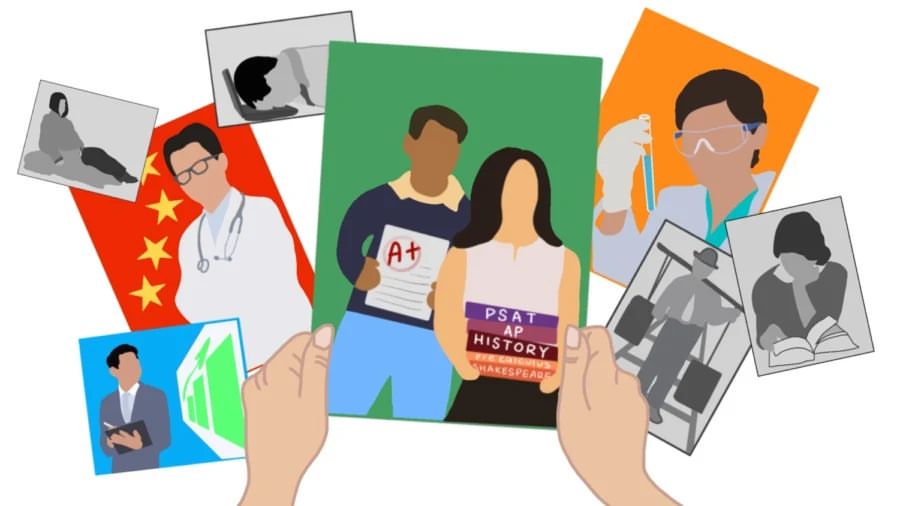
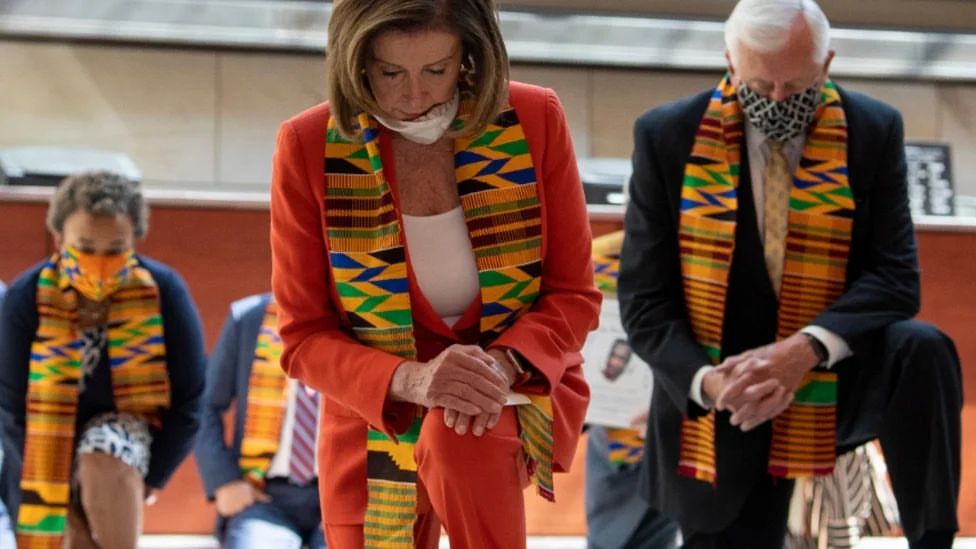
Steering clear of Exceptionalism, Model Minority, and Performative Approaches
2/27/2022 – For the penultimate post, we should also take a look at #RacialBackdraft’s effect on different racial groups and how it can affect #Equality. The #ModelMinority evolved as a term in the 1960s specifically to pit East Asian, South Asian, and Jewish cultures against the Black Race. Given the #CivilRightsMovement was primarily aimed at rights for Black Americans, the Model Minority term was created to quell complaints of America’s treatment of Black people by showing “model” examples of other cultures immigrating to America and finding educational and socioeconomic success. Its aim was to take attention away from racist policies while simultaneously uplifting different races into a second-class citizen role, creating a larger buffer between White and Black races. Racial Backdraft here aimed to make the successes of the Civil Rights Movement seen as Black people complaining rather than being like [insert Model Minority group]. We are still seeing its effect today.
When we take into account how there were different degrees of marginalization throughout American history, it is no surprise we see the level of animosity different cultural groups can hold for one another. Not understanding the historical impact of America’s racial issues has led to a majority of Americans feeling the playing field was always level when in reality, we see America is built inequitably by design. Moving away from the Model Minority trope allows us to see how privilege is being given in exchange for silence on racial oppression. We can even see this within the Black race when we watch how Conservative think tanks will often utilize Black voices to disparage the Black race and prop them up as #FreeThinkers. On the other end of the spectrum we see Democratic spaces prop up Black people as arbiters of change but hesitate to enact lasting change outside of painting a mural or wearing a kente scarf (@NancyPelosi I see you). The real answer can be found somewhere in between it all but it starts with dismantling our racial hierarchy. Because it is so intertwined with our political process, we may see the very fabric of the US begin to unravel as we dive deeper. #BlackHistoryMonth
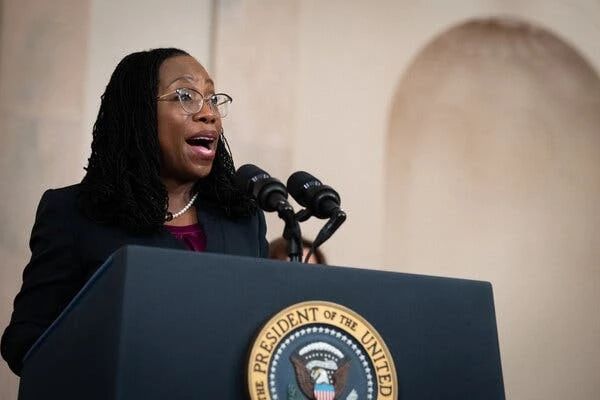
Supreme Court Justice Ketanji Brown Jackson and the continuation of The Work
2/28/2022 – For the last post, I definitely want to say thank you! If you have made it this far with me, I hope highlighting the ways #RacialBackdraft can show up and work will allow all of us to notice the signs when we see them. With #KetanjiBrownJackson slated to become the first Black woman on the #SupremeCourt, I’m sure we will be able to see some of the elements of previous posts this month. #AffirmativeAction and #BlackExceptionalism as well as Jackson’s stances on #CRT and #Religion will all be discussion topics over the coming weeks as she is being interviewed. It will be important to watch the reaction of her swearing in [fingers crossed!] and what will come from it legislatively. One of the traits of Racial Backdraft is how quickly laws, new rules, or groups will show up following racial progress. This can also be seen with how quickly the #TeaParty became a force after #Obama’s election.
Overall, #TheWork will always be ongoing and I definitely want to say thank you to everyone that helped me research and develop these ideas. I am in the throes of updating the website and am looking to make it more interactive to begin to build dialogues around race from people all over the world. It is encouraging to see so many people undertake The Work for themselves and recognize how much power they have when they are educated. I am looking forward to building a coalition of great minds to understand our interlocking systems and how they can marginalize and oppress different cultural groups and I know that will take time to build. I am also looking forward to building conversations in our Black and Brown communities around access and equitable treatment of our neighborhoods. All of this is the future of #BlackHistoryMonth and I know we can make some big strides with #Acknowledgement and #Accountability being the first action steps we are asking for. Maybe all of this should be a book. Who knows! Enjoy March! #RootsRugbyFamily
2023

❤️🖤 💚HAPPY BLACK HISTORY MONTH ❤️🖤💚
2/1/2023 – For the month of February, ROOTS will be teaming up with @thework.education for Black History Month! What started as a tradition with @geeranby has become a great vehicle to educate our communities on the various aspects of Black history!
This year’s theme will focus on the lyrics of the #BlackNationalAnthem (ROOTS’ theme song) and ways the lyrics have shown up in Black history. We hope to create a space where our community members can reflect on not just the importance of the song, but the impact we can all have in our spaces. Liking, sharing, and commenting on our posts all have an impact and we hope we can continue to grow and learn from one another this month! ROOTS ROOTS! #BlackHistoryMonth#BHM2023#ROOTSRugbyFamily #BlackOwnedBusiness#MBEs#Nonprofit
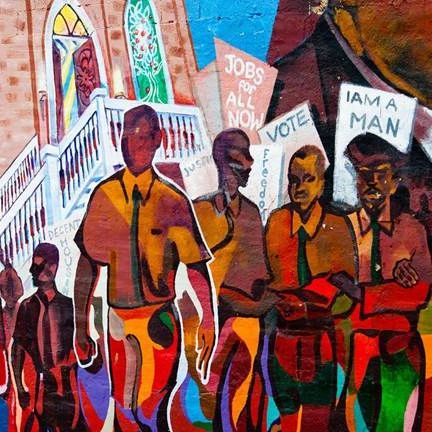
2/2/2023 – Starting with the #ROOTS of our work this month, it will be important to understand the historical impact of #LiftEveryVoice in America. Created in 1900 by #JamesWheldonJohnson and his brother #JRosamondJohnson, the hymn signifies the exodus from slavery to freedom. As America moved into the #JimCrowEra, Black Americans saw their strides during the #ReconstructionEra dissipate within a matter of years. In an effort to inspire, the Johnson Brothers performed the song shortly after moving to New York City. Black communities began to adopt the song and it was routinely sung in Black churches. By 1917, it became the #BlackNationalAnthem by the @NAACP and was widely sung as a push to keep the faith and continue to connect with your community. As Black Americans continued to fight for their #CivilRights, it became a song of unity and persistence towards a better America.
Today, we see it’s resurgence following the #GeorgeFloyd protests but also as a means to show solidarity. ROOTS adopted the song as the theme during the #Carolina9s tournament in 2021 and has been sung during tournaments ever since. It’s important for us to think about when we first encountered the song as well. When did you learn it? Where? Is it talked about in schools? These questions can help us understand how Black history continues to persist though it may not be through mainstream methods. Taking the time to learn about the song and its historical impact will definitely allow you to follow along with us during this month-long journey! #BlackHistoryMonth #ROOTSRugbyFamily
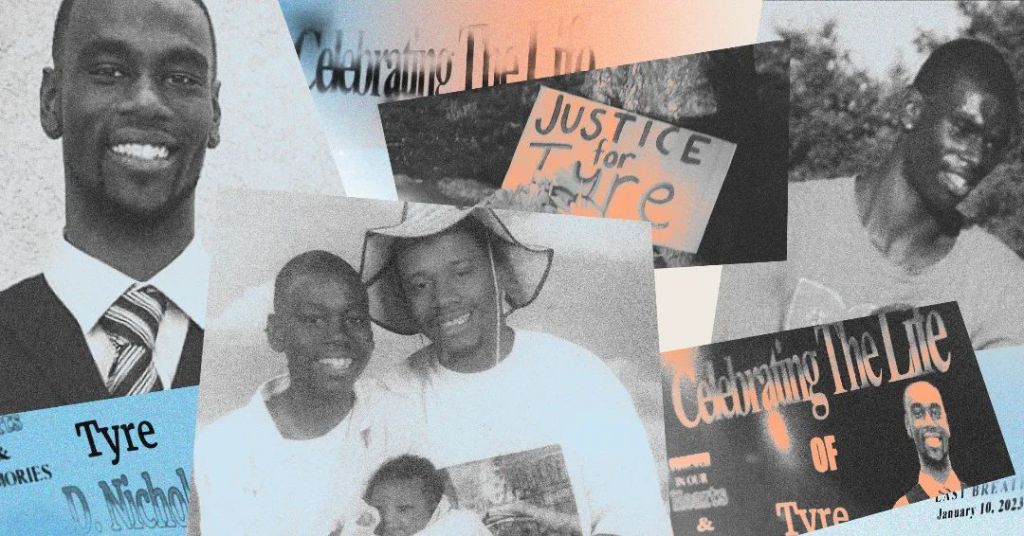
2/3/2023 – TW: Black Trauma. “Sing a song full of the faith that the dark past has taught us”. On January 8th, 29 year-old #TyreNichols died from a beating sustained by five police officers during a traffic stop in Memphis. The police camera footage has been shared and it can be incredibly difficult to watch. When we think about the history of #PoliceBrutality and #RacialBias, it is difficult to separate the historical threads between #Lynching and #MobJustice for Black America. The discussions and lack of progress around #PoliceReformation, #QualifiedImmunity, and the #JusticeInPolicingAct means it has become paramount for marginalized communities to learn about risks around interactions with law enforcement, continue to stay engaged politically, and continue to advocate for fair policing.
A pillar of the ROOTS community is education. Understanding that there is so much more work to do off the field is important as we continue to grow as a community. The “dark past” we sing about is determined to come back if we do not unite as a community when we see miscarriages of justice from those in power. Checking in with one another, taking time to learn about policies, donating to advocacy groups are a few ways we can continue to show unity and accountability for one another in our spaces. The police that killed Tyre Nichols were Black officers attached to a police group that was supposed to have POCs patrolling their own communities. This “solution” to curb racial bias only shows how institutions can still practice racist and harmful tactics regardless of the race of people representing them. The nuance around how swift justice can be served when the officers are of color is also not lost in this conversation. There is much work to be done but it is becoming more important that we do it together. #RootsRugbyFamily #BlackHistoryMonth
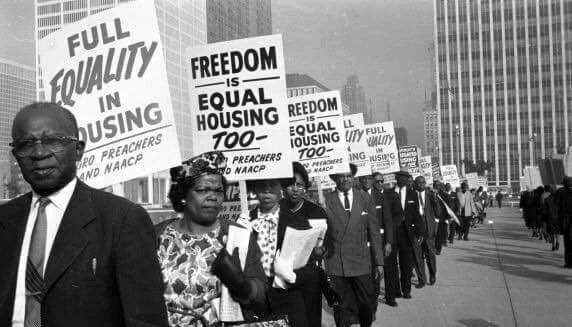
2/4/2023 – Yet with a Steady Beat: The Chicago Freedom Movement of the 1960’s purpose was to challenge segregation and discrimination in housing and the workforce. Activist Albert Raby, Rev Jesse Jackson, and Martin Luther King Jr. worked to change laws to allow African American to buy homes that were affordable in any area of Chicago. On August 5th 1966 King led a march in Marquette Park, a predominantly white neighborhood. King was credited with saying it was one of the most hostile and violent marches he had experienced. In 1968 the Fair Housing Act was passed with influence from the Chicago Freedom Movement and the Housing Activist. The Act prohibited the discrimination in selling, purchasing, renting, or financing of housing based on race, sex, nationality or religion.
The Housing Act has since then been updated most notably prohibiting discrimination based on disability and family status. Though change and the fight for justice is not yet over. Discrimination and unfair access to stable housing is still evident to many in the black community. Instead of signs prohibiting the sale to African Americans we are now met with more “subtle” discrimination. With “A Steady Beat” we must continue advocating and educating ourselves on housing laws and policies and bringing to light the injustices in housing today.
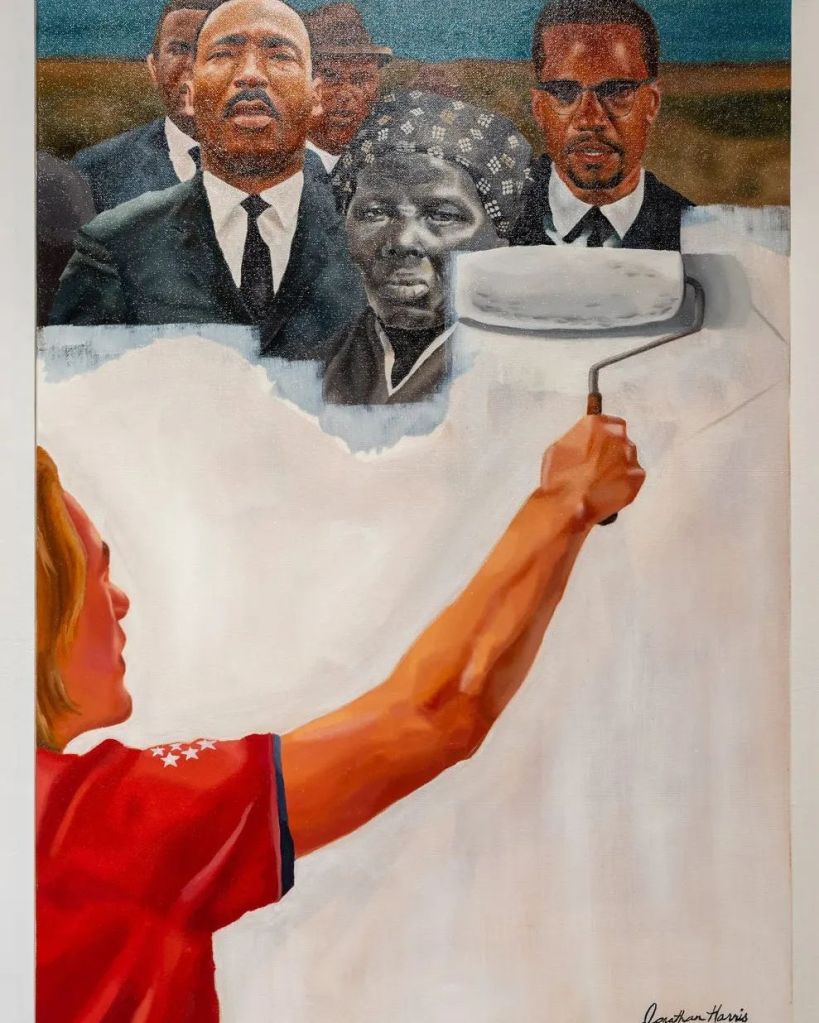
2/5/2023 – Learning American History means grappling with the undesirable moments and leaning into the discomfort of acknowledging the mistreatment and creating systems that keep marginalization to a minimum. Terms like #postracial and #colorblind seeks to erase experiences had by Black people and other POCs while simultaneously allowing those currently in power to wash their hands of any responsibility. We are seeing this in real time with the #AntiCRT rhetoric, the response to the #1619Project, and the systematic dismantling of the AP African-American Studies curriculum in Florida by #RonDesantis. #JonathanHarris (@artyougifted ) painted this exact scenario in the photo above. If Black History is meant to be celebrated, we need to call out times it is being suppressed. “Let it resound loud as the rolling sea.”
White Rage by Carol Anderson highlights the phenomenon when racial progress is made, it is usually marked by a racist response shortly after as a measure to make sure those in power have not lost anything substantial. #JimCrow, #Redlining, #GIBill, and today’s handling of Black history are some examples of how progress is not actual progress without sustainability and accountability. Passing a bill does not guarantee progress, accountability does. Letting your voice be heard through voting, attending council meetings, knowing who represents you allows you to ensure The Work gets done and its effects felt. When we consider how politically-engaged our Black and Brown communities have been in the past, we owe it to their progress to carry the movement forward. It will start with education of oneself and engaging with areas you can make small changes to start. Volunteering at school, coaching a team, even conversing with a person you may not share a common viewpoint with are all steps in the direction of progress. #BlackHistoryMonth #RootsRugbyFamily

Sing a Song Full of the Hope that the Present has Brought Us:
2/6/2023 – When Khahill, age 7 was asked what black history meant to him he responded “ What black people did before that helped us” when his great Uncle Ronny, age 64 was asked the same, he responded a little differently. “Black History is prideful, and powerful, to recognize what those have done before us is inspiring and emotional. Black history cannot be dwindled down to just one or two people, or one or two moments. The reality is that we are all are black history. What we as black people are able to accomplish today are only what those before us could have dreamed of. Every day we are making history.” Ronny has seen change. He was 10 years old when Martin Luther King Jr. was killed, 40 years later Obama was elected as the U.S. president. “That’s something I thought I would never see,” Ronny states.
Though, we may have more work to do it is important to take a look at how far of a community we have come. The present has brought so many before us hope that change can happen. It is important to acknowledge our past struggles and those who helped to overcome them.
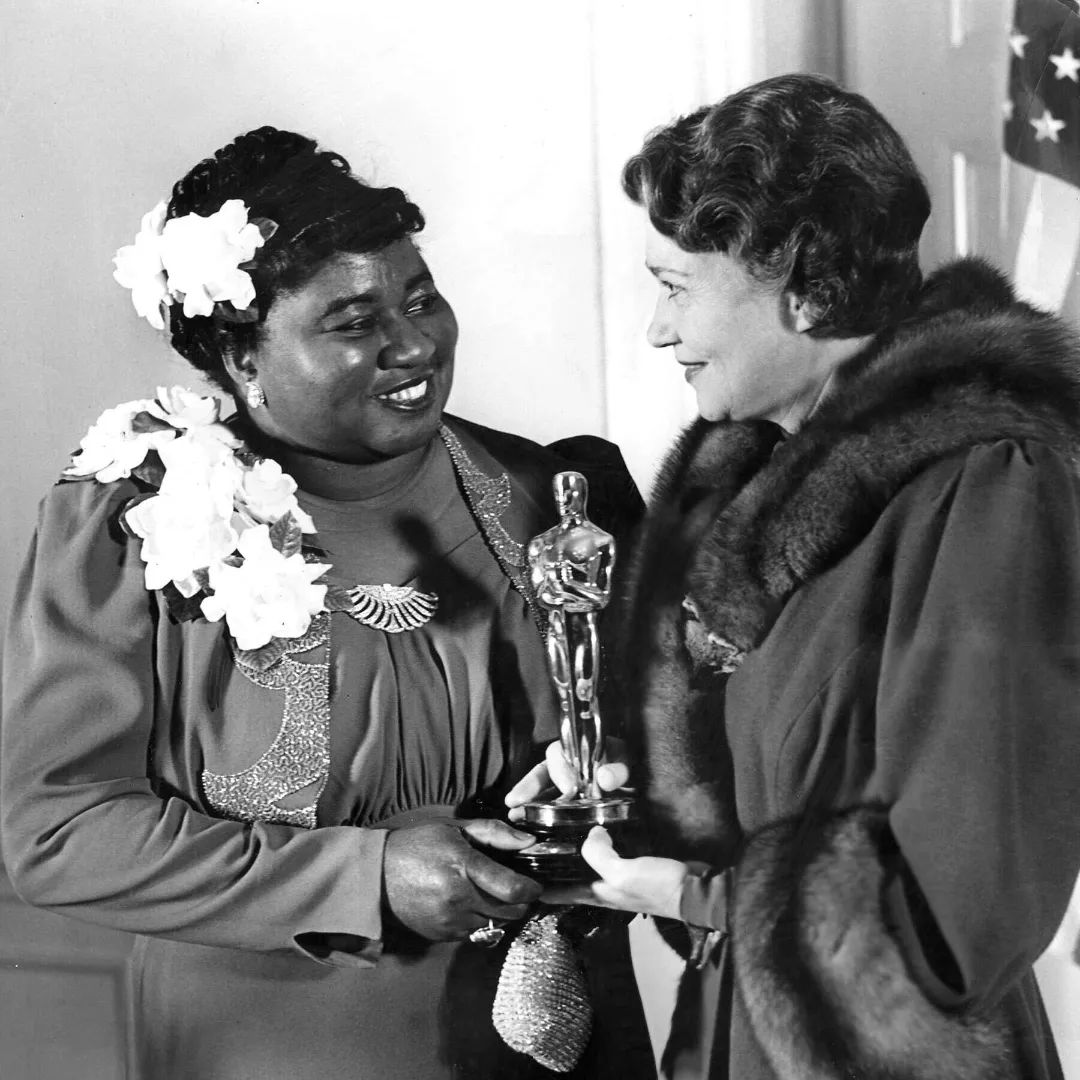
Black Representation in Media
2/7/2023 – “Where the white gleam of our bright star is cast”. The historical background around Black representation in media is a space worth investigating as it simultaneously shows us how far we’ve come and how far we have to go. For many Black actors, both in the past and today, walk a tightrope of how they represent not only themselves, but The Culture, their communities, but also need to pave the way for those both around and ahead of them. Black actors of the past were prevented from major films because of #Segregation but had to see their people mocked through #Blackface and #racism. When roles were available for Black actors, they often had to take servant, slave, or buffoon sidekick; someone expendable. #HattieMcDaniel’s mammy role was fraught as the role won Black American’s first ever #Oscar in 1940, a time when discrimination and racism was normalized, but her role was seen as offensive in the Black community and could not be celebrated for the pioneering achievement that it was because her character represented a problematic view for the Black population.
In education, we often talk about the importance of #WindowsAndMirrors when thinking about Black representation. Windows are glimpses into another’s worldview, excellent for perspective building while mirrors are spaces where one can see themselves reflected in the stories reflected. For Black representation in mainstream media, a healthy balance of both ensures The Culture can tell its own story properly. If a Black person can see themselves reflected appropriately while allowing other spaces to see an honest perspective, it can allow for a great deal of growth. We are also learning the concept of #SlidingGlassDoors when it comes to Black representation and this is where we see renewed conflict along racial lines. A #TikTok dance is an example of a sliding glass door, it allows a person to take part in a perspective. #CulturalAppropriation is generally the following discussion as we grapple with what is allowed to be imitated vs appreciated. It is a tedious, yet necessary, conversation as we continue to examine how Black representation finds its place in America. More on this later! #RootsRugbyFamily
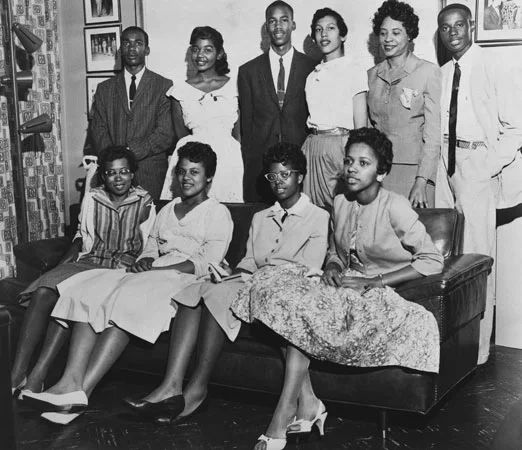
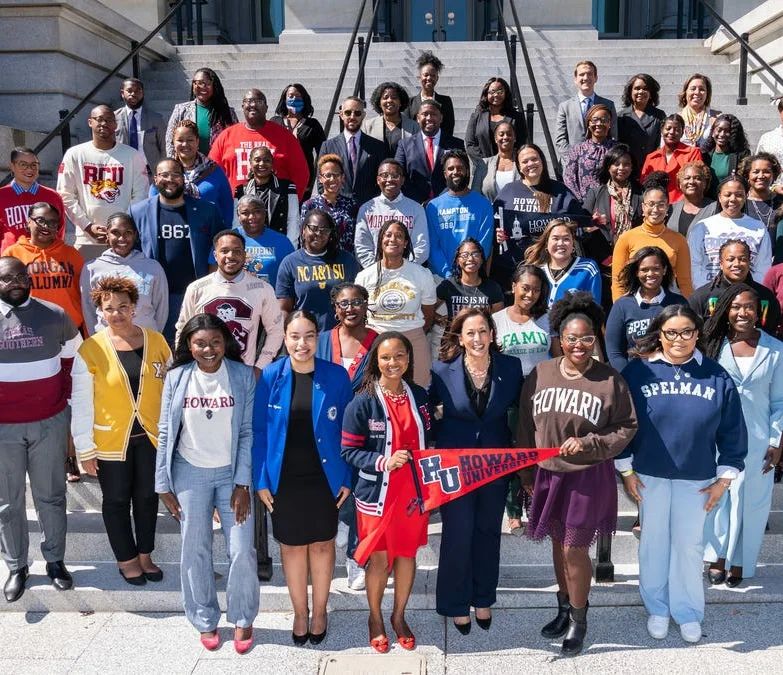
Little Rock 9 and HBCU Representation Today
2/8/2023 – Historically, Black Americans faced discrimination and segregation in education. The Little Rock 9 were nine Black students who faced discrimination while integrating into Little Rock Central High School in 1957 a previously all white school. Thelma Mothershed, Minnijean Brown, Elizabeth Eckford, Gloria Ray, Jefferson Thomas, Melba Beals, Terrace Roberts, Carlotta Walls, and Ernest Green faced physical and verbal attacks. The Little Rock 9 helped to influence desegregation after Brown v. Education. Before this, Historically Black Colleges and Universities (HBCUs) were created in response to racism and segregation in education.
HBCUs gave Black Americans access to higher education and provided safe spaces for Black students to live, learn and grow as individuals. Thurgood Marshall, Spike Lee, Langston Hughes, and Wilma Rudolph are just a few names of influential leaders who have attended these prestigious colleges and universities. Cheyney University of Pennsylvania became the first HBCU in 1837, with many more to follow. Fighting through adversity Black Americans have continuously climbed over barriers to achieve education. The legacy of HBCUs continues to have a profound impact on the education and empowerment of Black Americans which is why we must continue to celebrate and support them.
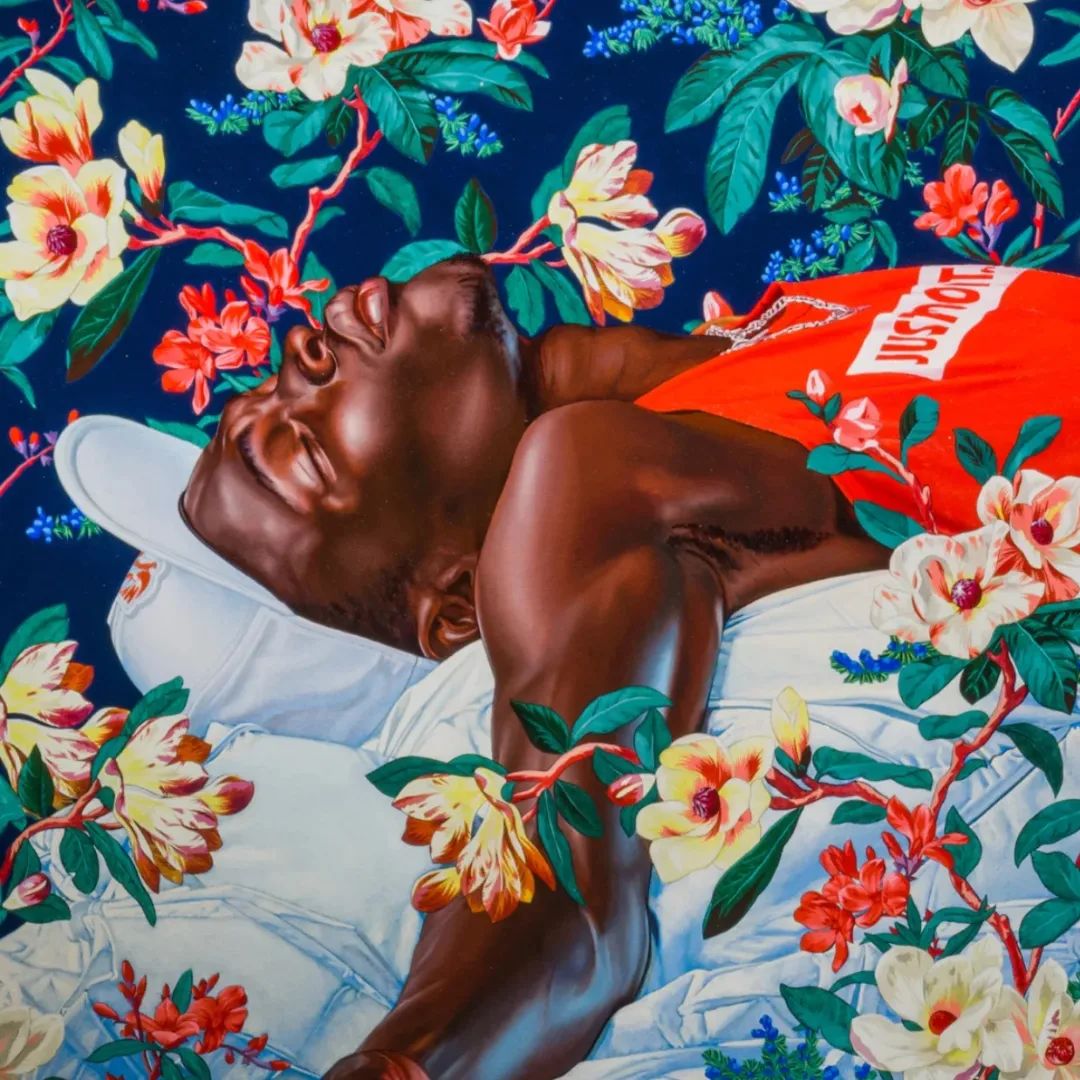
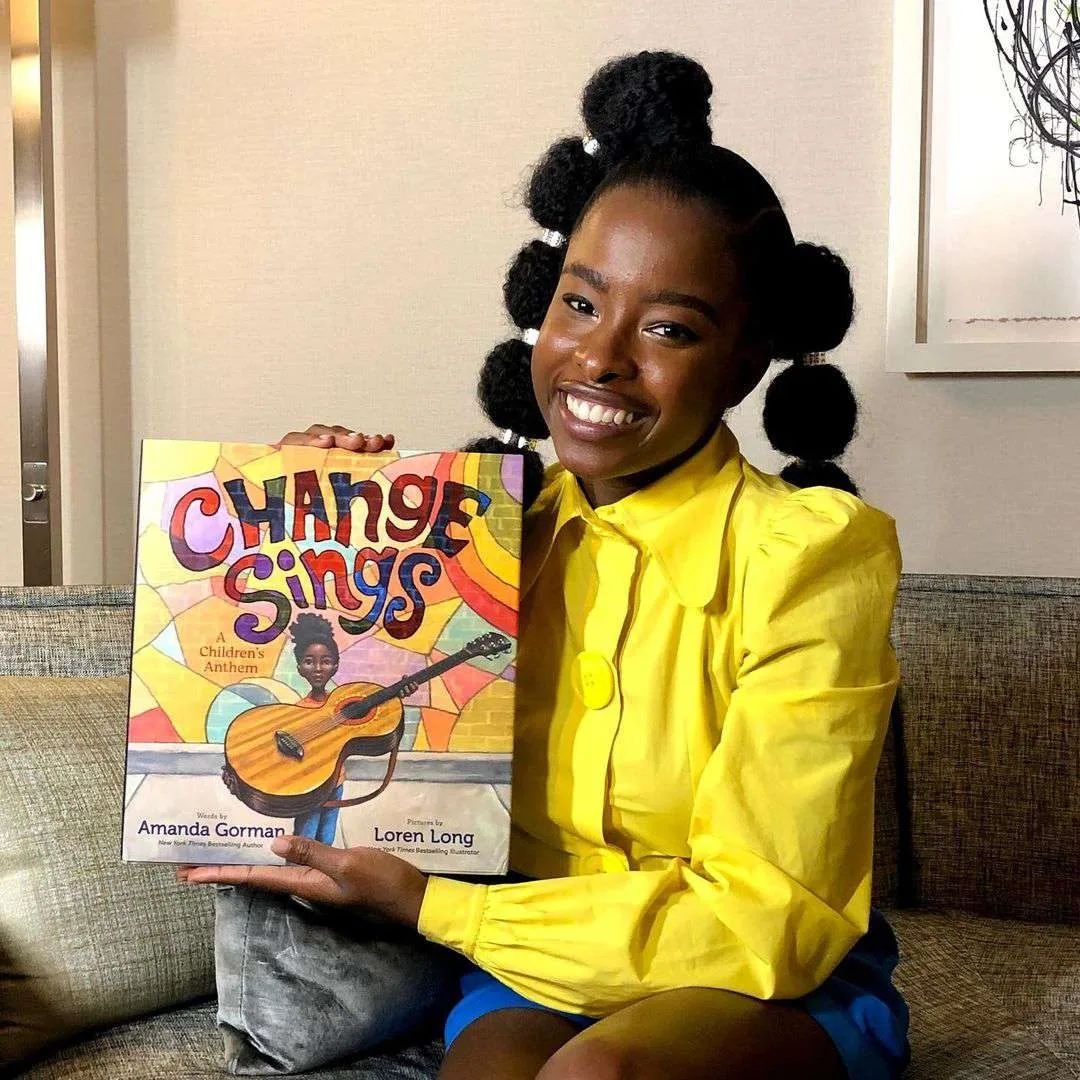
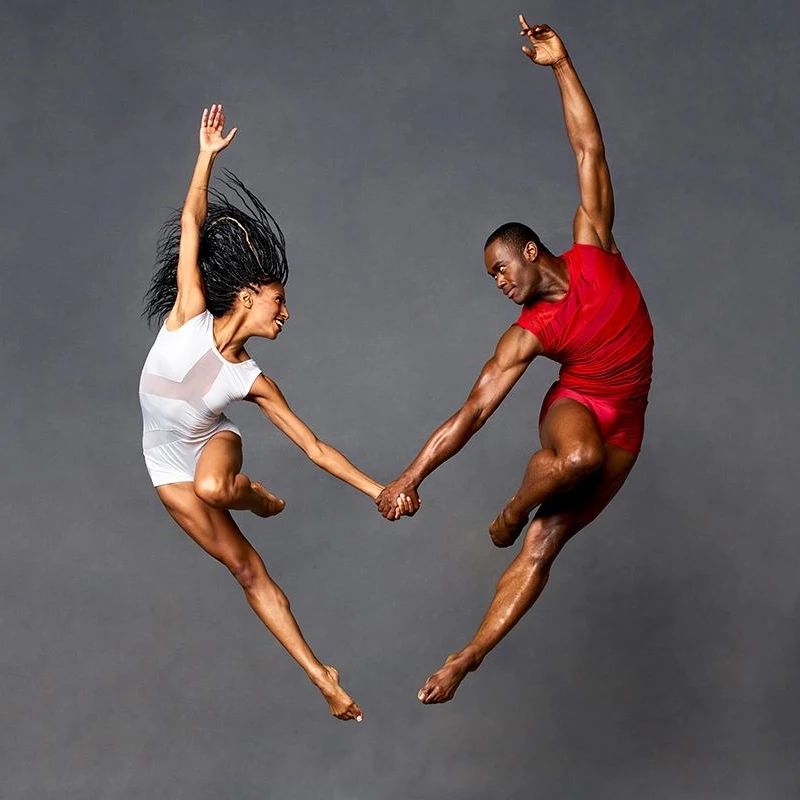
Kehinde Wiley’s Painting, Amanda Gorman and her poetry (top right), Alvin Ailey dance performances (bottom right
2/9/2023 – “Out from the gloomy past, Till now we stand at last”. Following up on the #BlackRepresentation post, we can continue to explore the influence of Black art on American history. Early works from enslaved people still had messages carved into their sculptures, drums, tools, and many other objects to signal the importance of their identity and freedom within their work. That trend would carry through multiple mediums of work as Black Americans grappled with their own freedom and used music and the arts to get the message out beyond their communities. The frustrations of #racism, #segregation, #lynching, and #discrimination could be expressed through creative movement, dance, music, art, pottery, and so much more. It is important to recognize that their physical voice could be silenced but the representation in their works could still be felt.
.
Periods like the #HarlemRenaissance showed the power of art via the collective community. #Harlem, like many other neighborhoods in America was subject to #redlining. For Black Americans leaving the South during the #GreatMigration for the North they were largely directed to Harlem or neighborhoods in #Brooklyn if they were moving to NYC. This saw a boom in creation for the Black community as racism and segregation largely left them to their own devices. Works became collaborative and cities overseas took notice of the work produced by these communities much more than America did at the time. As we continue to mark the impact of Black art on America, it is important to recognize the importance of #WindowsAndMirrors as well as #SlidingGlassDoors (see Feb 8th). Because of its origin, Black art is political by nature. Its themes, motifs, and messaging often aim to discuss past or contemporary issues in American culture and can be a great way for those wanting to join the discussion to get conversations started. An #AlvinAiley performance, artists like #KehindeWiley or #Basquiat, or poetry from #AmandaGorman allows for a glimpse into Black culture in a way where you can continue to center education as we continue to make progress “till we stand at last”. #BlackHistoryMonth #RootsRugbyFamily

2/10/2023 – Stony the Road we Trod, Bitter the Chast’ning Rod: Black Health & Wellness is a crucial subject that has historically received little attention. It may seem we must always stay strong and hide our vulnerabilities when it comes to Mental Health. Though, not addressing mental health issues can be harmful. Its important to point out racism, poverty, and limited access to high-quality healthcare are just some of the obstacles that the Black community has had to deal with, all of which have led to the persistence of health disparities.
Higher rates of illnesses including heart disease, diabetes, obesity, as well as cancer, are some of the major health challenges impacting the Black community. Additionally, due in part to the effects of systematic racism and discrimination, mental health problems including sadness and anxiety are more common among Black individuals.
Focusing on increasing Black health and wellbeing through a range of initiatives, including improving accessibility to metal health services, combating institutional racism, and promoting open discussions on mental health are just a few of the ways we can contribute to the improvement of mental health in the Black community
#ROOTSRugbyFamily#BlackHistoryMonth
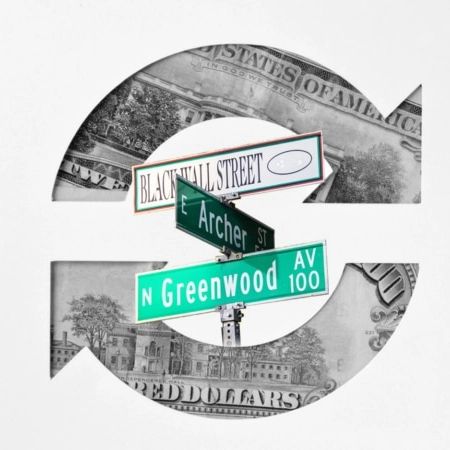
2/11/2023 – “Thou who has by Thy might, Led us into the light”. The discussion around the #BlackDollar and its importance and relationship to the #RacialWealthGap has been a century-long discussion. The concept of the Black Dollar revolves around the Black community’s ability to spend money within its own community through Black-owned businesses. For example, statistics show the lifespan of a dollar in Asian communities is approximately 28 days, 19 days in Jewish communities, 17 days in White communities – and just 6 hours in Black communities. While part of that statistic is due to Black America still needing to rebuild its communities after years of #redlining and #segregation, a larger part of this has to do with Black people supporting #BlackBusinesses. Patronizing #BlackOwnedBusinesses has a major impact on the American economy and also allows those communities to strengthen financially and become more stable over time. #GordonBHancock referred to this as the #DoubleDutyDollar.
Black-owned businesses (#MBEs) were some of the first to feel the impact from the #Pandemic. #PPPLoans were less likely to be given to MBES, not necessarily due to race so much as the business’s relationship with the bank. Banks would prioritize larger businesses whom they have done more work with. Paired with the number of Covid cases in Black communities and we can see how important the Black Dollar really becomes in these moments. @Mckinseyco has done excellent research around the importance of the Black economy and its impact on America, but that will be for a different day. For now, do an inventory on the businesses you regularly buy from. Are they aimed at helping Black communities? Are there MBEs near you? What are some other ways to show support for MBEs outside of buying? These questions can give you a general assessment of MBE engagement and be a great first step in strengthening the Black Dollar #BlackHistoryMonth #RootsRugbyFamily
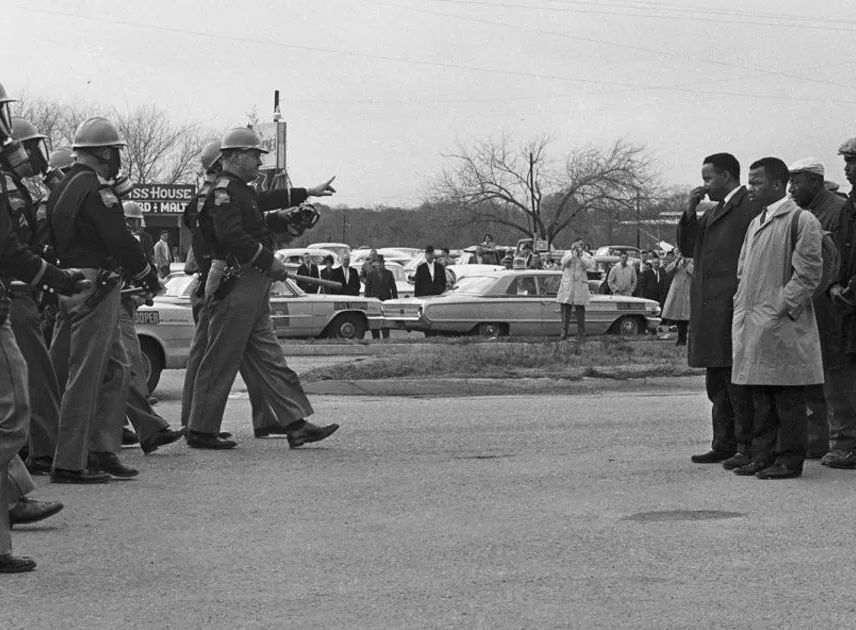
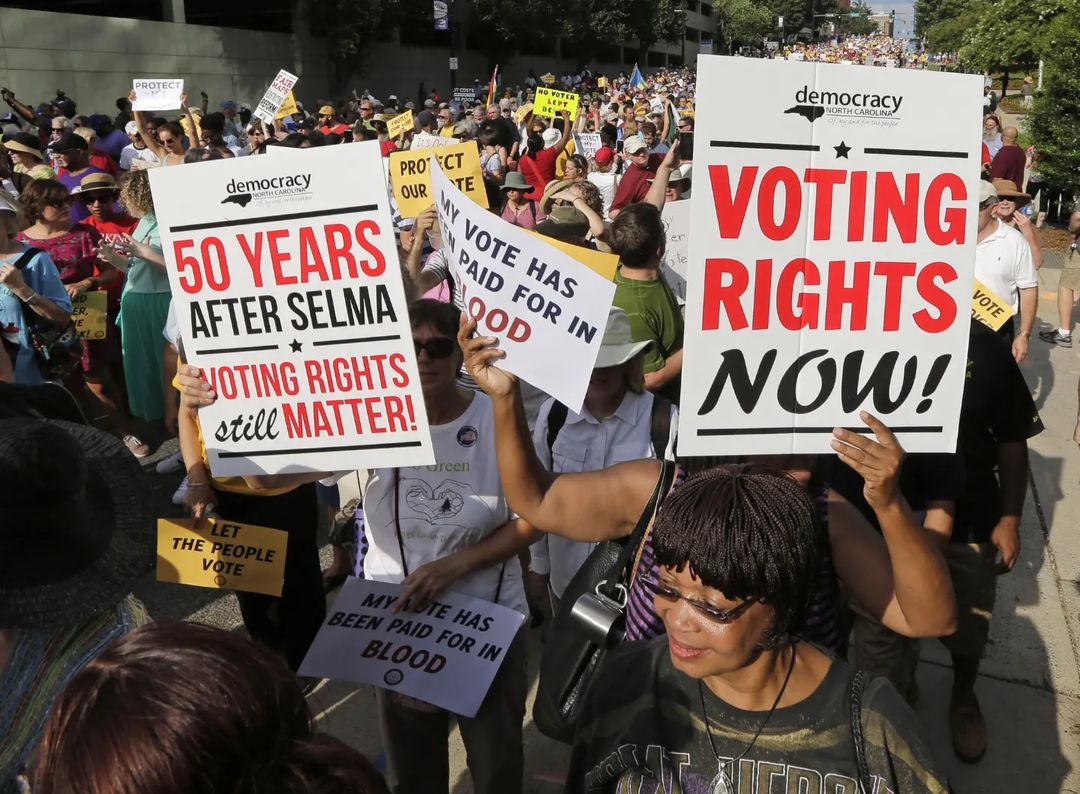
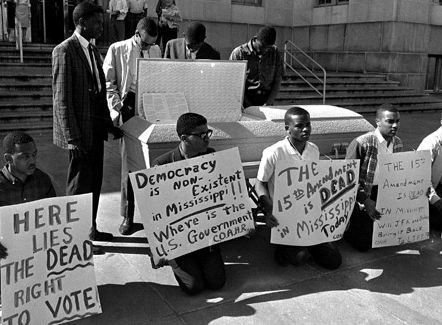
The Importance of Black Voters
2/12/2023 – Have not Our Weary Feet: The Civil Rights Movement brought to light voter suppression measures like poll taxes, literacy tests, and violence which have hindered the right to vote for Black Americans. The March from Selma to Montgomery, televised the violence and suppression tactics. Though, despite these tactics many activists continued to fight for justices in voting. James Forman, John Lewis, and Martin Luther King all led marches in Alabama to fight for voting rights. In 1965 the voting rights act was passed which aimed to eradicate barriers that prevented black Americans from voting.
The influence of black voters in American politics is largely due to their support for candidates and programs that promote social justice and racial equity. The black vote has also been a significant swing voter in several elections and was crucial for the election of the first black president, Barack Obama.
Black voters have been a powerful force for social justice, civil rights, and representation for disadvantaged groups in America. However, there continue to be pressures to weaken the impact of the black vote making it more important than ever to protect voting rights.
#ROOTSRugbyFamily #BlackHistoryMonth

Black Representation in Professional Sports
2/13/2023 – “Sing a song full of the hope that the present has brought us.” – Congrats to #PatrickMahomes for adding his name to short list of #BlackQuarterbacks to win a #Superbowl! Mahomes and #JalenHurts also became the first pair of Black quarterbacks to start a Superbowl as well! Seeing #BlackExcellence on one of the largest world stages can do wonders for #BlackRepresentation, especially considering the impact of #Rihanna’s appearance on #BlackCulture as well. Following feats like this, we often see or hear comments around, “Why are we focusing on race?”, “Why can’t it just be ‘a quarterback?”, or other #RaceNeutral comments around the downplaying of these monumental feats. It’s important to recognize the historic invisibility Black people have often felt in America and use that perspective to understand why it is important we celebrate moments like these. The connection between Mahomes and #ColinKaepnernick can definitely be drawn and should be discussed as we understand #BlackHistory in sports.
The history of race and sports in America is a microcosm of American history as a whole. #Discrimination and #Segregation limited opportunities for Black Americans and it is common knowledge that the #ColorBarrier was a widely understood aspect of sports. What is not widely understood is the area of effect that had on America’s politics as well. America LOVES sports as it is generally an enjoyable space to watch some of the most talented humans perform. America simultaneously does not enjoy grappling with its racial history as it brings feelings of discomfort and the solution often requires some level of power distribution, which we’ve learned isn’t easily wrested from the hands of oppression. This intersection creates a major national schism around representation and the importance of it. Famous Black athletes often have to decide what areas of their culture can they celebrate on the big stage as it can cost them their careers if they decide to support causes. By positioning a Black player’s salary against their advocacy platform, you have allowed the status quo to be maintained while simultaneously silencing the player from criticizing the practice. #RootsRugbyFamily
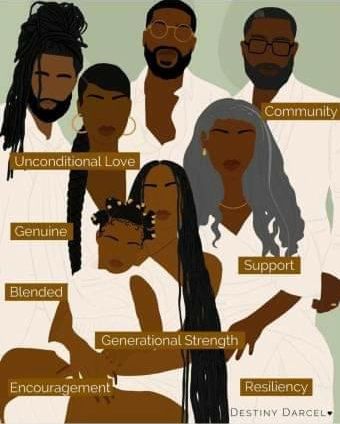
2/14/2023 – “We have come over a way that with tears have been watered”. Happy #ValentinesDay from #RootsRugbyFamily! The intersection of love and #BlackHistory is also a space worth learning about! #BlackLove, #MiscegenationLaws, #DefenseOfMarriageAct are all different ways we view and talk about love for Black Americans. Stories like #LovingvVirginia show the amount of work it can take at times to love who you want to. Because of the impact of #GenerationalTrauma talking about love in Black households can be contentious at times, especially if the person does not “fit” the profile of what parents have in mind. Patience, confidence, and education will help our communities break down those generational curses and allow us to make our spaces more psychologically safe for those around us. #Transphobia, #Bigotry, and #Sexism still runs throughout our communities which can greatly inhibit social growth for our next generations. We owe it to one another to interrupt those moments of oppression, however they may show, and look to teach those around us how to be kinder to one another. Let us take the day to reflect how we can continue to show love to one another and look to build up our communities with love being a central tenet with those actions! #BlackHistoryMonth
2/15/2023 – Facing the Rising Sun:
Community Leaders are crucial in uniting people and directing them toward a shared goal. As advocates for the community, they lead initiatives to improve standard of living in the community and offer resources and support, and inspire and motivate others to take action. Today we will be focusing on a community leader who has done so. Dr. Kizzmekia S. Corbett is an Immunologist at the National Institute of Allergy and Infectious Disease. Dr. Corbett is most known for her contributions to the creation of the COVID-19 vaccine. She grew up in North Carolina and received her PhD at UNC Chapel Hill. Dr. Corbett is also an avid supporter of community programs that help to bring STEM education to underserved youth.
#RootsRugbyFamily
#BlackHistoryMonth
2/16/2023 – “Out from the gloomy past, Till now we stand at last”. As we head into #PresidentsDay weekend, one aspect of #BlackHistory that is always worth examining is the intersection of the American government and its effect on the Black population since Black people were freed. #BlackCapitalism was a political movement put forth by #LewisWoodson and #BookerTWashington with the purpose of creating economic freedom from White institutions. During the #Reconstruction era though Black people were free, the institutions they had to maneuver were not. Housing, banking, jobs, and beyond were all locked behind racism. In order for freedom to truly be felt, these spaces would have to be run by Black people who wanted to prioritize Black communities. #RobertReedChurch would create the first #BlackOwned bank, Solvent Savings in 1906 which would spur more communities to be self-reliant. Affluence in Black neighborhoods would shortly follow for places like Hyde Park, MD, PG County, MD, Dekalb County, GA, and the infamous #BlackWallStreet in Tulsa, OK. As we have learned, Black prosperity cannot thrive unchecked.
Today, #EconomicDisparity has put the Black community in a similar position to the #ReconstructionEra. #Integration has not come without its share of roadblocks that still can be overcome. People often point to success stories like #Oprah, #Lebron, and any other wealthy Black people as evidence that the system is working. While their journeys are great uplifting stories, we need to be mindful of harms #BlackExceptionalism and how we need to focus on the majority and not our outliers. In the spirit of #Kwanzaa, one of the days, #Ujaama, focuses on cooperative economics in hopes we can continue to lean on one another to uplift our spaces. Though #capitalism is a part of the title, Black Capitalism largely focuses on #SocialEntrepreneurship with the idea that Black representation in higher positions of power will allow more focus to be placed on Black communities and their needs. The effort to keep from sliding back into segregated, oppressive spaces for Black Americans needs to be intentional and cooperative across racial lines. #BlackHistoryMonth #RootsRugbyFamily
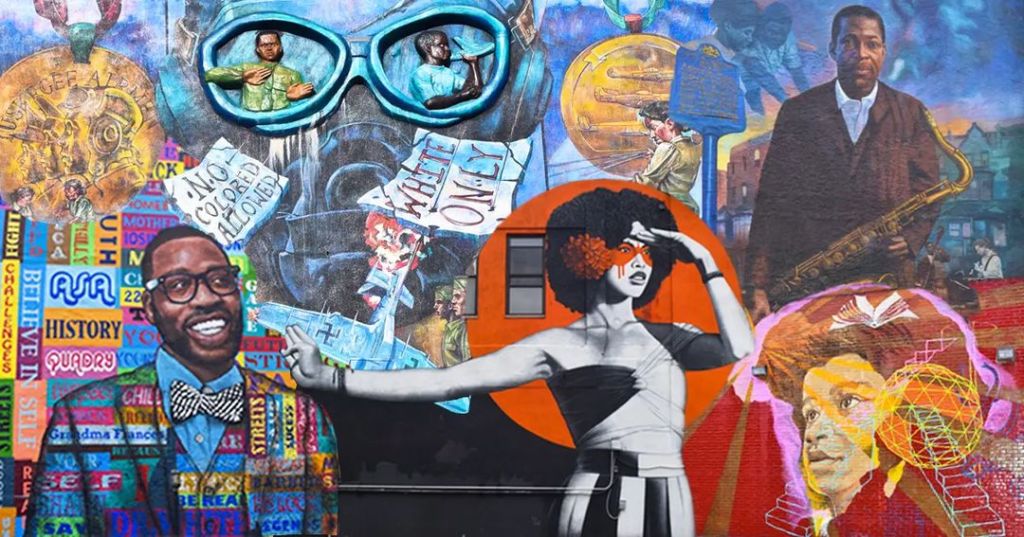
2/17/2023 – Let our Rejoicing Rise, High as the Listening Skies: The cultural customs and traditions of people from the #AfricanDiaspora are referred to as#Blackculture. This encompasses language, art fashion, food, music, and dance. While some of African culture was suppressed by slavery, other customs persisted and developed into what they are today. Black culture was highlighted during the #HarlemRenaissance, which honored the art, music, and literature of Black authors and artists. After this, American culture continued to be influenced by Black culture. Consider, the influence of Black athletes on sports, Hip Hop music, and the pervasiveness of Black media. Today, Black culture is celebrated by people of all races around the world, and continues to evolve every day.
Black culture is significant because it gives Black people all across the world a sense of identity and pride. It establishes a connection between Black people all over the world and creates a sense of community and belonging. Simply put, people from all backgrounds continue to be influenced and inspired by Black culture.
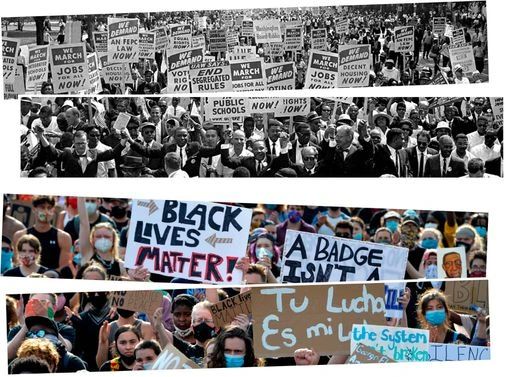
2/18/2023 – “Of our new day begun” – One of the frustrating aspects of navigating #BlackHistory is the feeling of stagnation with regards to #CivilRights and its progress. Last year, #RacialBackdraft was the theme (@thework.education) as we interrogated what actual civil rights were won vs systematically torn down shortly after. While issues like #VotingRights, #HousingRights, and #Incarceration have seen significant strides over the years, #VoterID, #PredatoryLoans, and #RacialBias in policing and judicial cases show the fight for #equity is not over by any means. The added effect of #misinformation makes it paramount Black communities stay educated on ways to continue to hold the right people accountable.
#BlackLivesMatter as an organization created a sizable wound in the fight for Civil Rights when it was caught embezzling money from its donors. Because it was a centralized way for Black Americans to come together, it sewed mistrust throughout the community and destabilized the movement. It also simultaneously brought to light how perfect Black Americans need to be in the fight for justice – not just in front of those in power, but also the standards we hold other Black people to. The fight for sustained Civil Rights means there will be mistakes along the way but the message still remains the same: “No one is free until we are all free.” #RestorativeJustice allows others to make mistakes but still continue to move forward rather than become canceled. #PatriceCullors is still instrumental for the movement and a big reason we were able come together shortly after #TrayvonMartin’s death. In order for us to continue moving forward, we need to remember there is power in numbers! #RootsRugbyFamily #BlackHistoryMonth

2/19/2023 – One important aspect of #RacialLiteracy work is the importance of #SelfCare while learning and investigating the various aspects of #BlackHistory. Earlier this month, @brandice_neal talked about the importance of #MentalHealth in the Black community and the importance of educating oneself of the resources any given person may need to be their best self. Learning a person’s own history can be emotionally fatiguing as one grapples with the essential question, “Where do we go from here?” That lack of closure can be mentally exhausting for some as we continue to see examples of Civil Rights being stripped from our own people on a regular basis. Lack of access to education, housing, voting, food, and a number of other essential resources can create #RacialBattleFatigue (RBF) and can be described as a psychosocial stress response from having to navigate racism for too long.
If you find yourself depressed, angry, anxious, or generally stressed when it comes to navigating racism and the microaggressions that come with it, you are not alone! It is important to take time to recognize the feelings that come along with doing this level of work. Regardless of race, dealing with race in America requires an incredible amount of patience and practice but it also emphasizes the importance of community. Isolation can add to the stress of navigating race and having a handful of people to process racial moments goes a long way in terms of processing and staying mentally healthy. Here at Roots, because we prioritize family and community, we always want to offer a listening ear if anyone needs it! #BlackHistoryMonth #RootsRugbyFamily
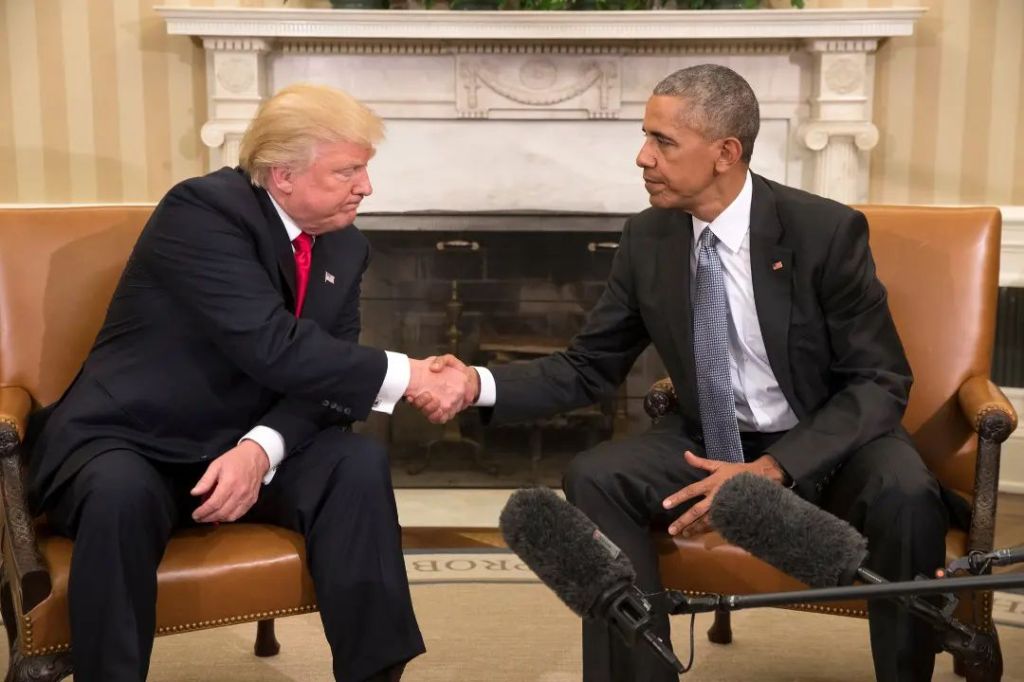
2/20/2023 – “Facing the rising sun” #HappyPresidentsDay from #RootsRugbyFamily! Because it’s President’s Day, we should turn our attention to the impact #BarackObama and the Obama family had, and continues to have, on the #BlackCommunity. The Obamas are an excellent example of the racial conflict America continues to have with itself. On one end, America elected its first Black president and on the other, it immediately fell into the trap of #BlackExceptionalism. The Obama family had to be perfect to get elected, one scandal could have easily upended his presidency. But this level of perfection does have an adverse effect on how America treats its Black citizens because now it has a metric to compare to. “If the Obamas could do it, why not you?” Because it was now possible for Black people to become president, for some Americans, racism was over. Terms like #PostRacial now sought to completely erase past racial transgressions because how can America be racist and still have a Black president? The #Trump presidency that followed showed we’re not quite there yet.
America’s dissonance with itself post-Obama continues to be an area of focus for many social scientists because of what came after. Racism towards the end of Obama’s presidency saw a general increase in racial strife and Trump’s election solidified the understanding that racial progress is viewed as a #ZeroSumGame for America. More Black and Brown people in upper level positions means fewer positions available for White Americans, regardless of ability to do the job. This conflict stems back to #Reconstruction and why #JimCrow was so readily accepted. Obama’s presidency showed America two things, Black people are ready to lead and White America isn’t ready for that just yet. While racial progress should be seen as a win-win with Black and Brown people being able to lead and lift up their communities, it also is viewed as a destabilizing factor in America’s social hierarchy. Phrases like #MakeAmericaGreatAgain can have multiple connotations but for Black America it signals that #DarkPast we sing about. Obama put America on the right track but it is up to the Black community to keep us there! #BlackHistoryMonth
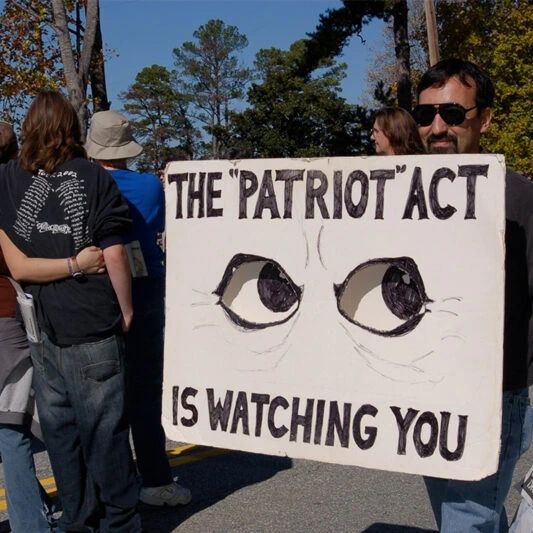

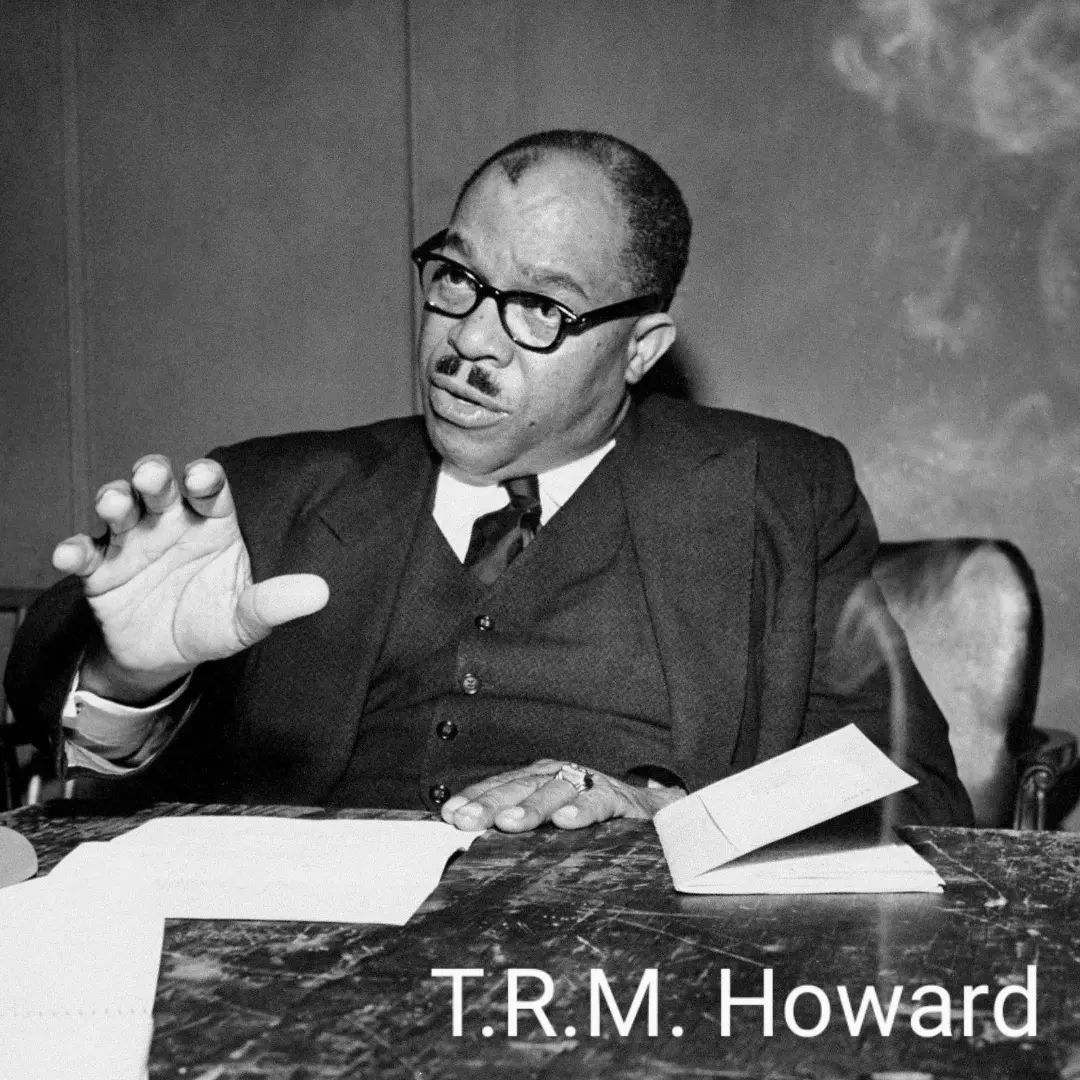
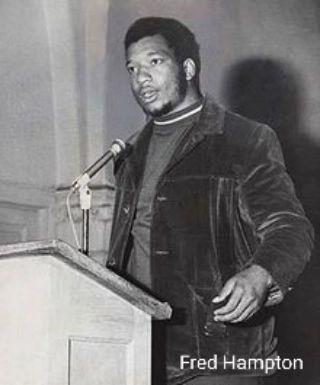
2/21/2023 – “Come to the place for which our fathers sighed.” On an extension of yesterday’s post, #BlackHistory’s intersection with the American government continues to be one of the longest-standing, yet contentious, relationships. This traces back to America’s founding and creation of race as a social construct. In order to distinguish American citizens from foreigners, Black people were not only categorized as property but now racially inferior. This framework still shadows many of the policies we see today. When we look at #JEdgarHoover’s history with #BlackAmerica and the devastating impact #IntelligenceGroups had on the Black community, it continues to sow a great deal of distrust between the government and its people. Because #policing, #education, #housing, #banking, flows through this pinch point of inequity, we begin to see why historically Black communities begin to focus on becoming insular and self-sufficient. The added conflict is the systematic dismantling of Black leaders throughout history (#MLK, #FredHampton, #TRMHoward, #EllaBaker, #COINTELPRO as a whole, etc.) and the concern it carries for future Black leaders looking to walk in the footsteps of their heroes.
#TheWarOnTerror sees its effects play out on American soil when we look at the impact of increased surveillance in Black communities and the #militarization of police via #ThePatriotAct. While the intention was to make America feel more “secure” following the 9/11 attacks, it resulted in an incredibly unhealthy power dynamic between police and Black and Brown populations. Because we have yet to reckon with the history of #policing in America, the government’s added militaristic support post-9/11 made the chasm even wider. As communities continue to grapple with funding for the police, it is also important for us to keep our government officials accountable for the choices made as well. While #grassroots change is always encouraged, history has shown us that institutional change and sustainability are what we actually need to feel “secure” post-9/11. As we continue The Work started before us, it means examining what policies our government continues to put forward knowing its impact on us.
2/22/2023 – Come to a Place for Which our People Sighed: Incarceration, like many other forms of institutional racism, affects the Black and Brown communities heavily. Consider that Black Americans are more likely to be incarcerated than any other racial group. Also consider that Black Americans make up 13 percent of the U.S. population but 40 percent of the population of those incarcerated. These incarceration rates have a direct impact on family dynamics, poverty and mental health. The documentary The 13th speaks on the impact of mass incarceration and the effect it has had on the Black community. Ava DuVernay explores the ongoing effect on the 13th amendment on America and finds that policies created around incarceration have disproportionately impacted the Black community. Solving mass incarceration is not a simple task as it involves multiple aspects of institutional racism though, it is important we address the concerns surrounding mass incarceration. We can start by advocating for sentence reform, pushing rehabilitation programs, and providing support for previously incarcerated individuals reentering society.
#ROOTSRugbyFamily #BlackHistoryMonth
2/23/2023 – “May we forever stand”. When you hear the term #StayWoke what comes to mind? It used to be a term that meant staying aware of issues involving racial prejudice and discrimination. It was created by #BlackAmericans in the 1930s at a time where #Lynchings, #JimCrow, and #TheGreatMigration meant Black communities needed to stay involved socially and politically to ensure they can continue to progress as a people. Today, many centrists and right wingers use the word as a pejorative or an insult around companies or institutions “pandering” to Black and Brown populations. As a result, a phrase that was supposed to promote solidarity is now seen as a negative and its movement has to be redirected. While it is a tragedy to see #BlackHistory be #WhiteWashed in such a manner, it does allow us to investigate the concept of #PerformativeDiversity and what specifically those opposed to the “Woke” movement were calling out.
In short, performative diversity is exactly what the name implies, people or organizations that champion diversity, equity, and inclusion initiatives without putting any policies or long-term practices in place to sustain it. A quick example would be to examine which companies/people participated in #BlackoutTuesday in 2020 and what policies have they put in place since then. Oftentimes, putting Black and Brown people in more public facing roles is enough for some companies to check a box. There is little support given in these moments and it becomes difficult to sustain over a long term, generally leading to everyone involved, regardless of race, becoming upset. Doing due diligence means being intentional with policies and directives that aim to make the workspace more equitable and allow for advancement as well as retention. The reason why phrases like #GoWokeGoBroke gain traction are due to the fact that we are seeing spaces trying to implement superficial diversity initiatives only to find they need to thoroughly dedicate time and resources to do it correctly. Spaces that create #DiversityStatements and do not follow them are destabilizing racial progress much more than if they remained noncommittal. This is where we need to “Stay Woke”.
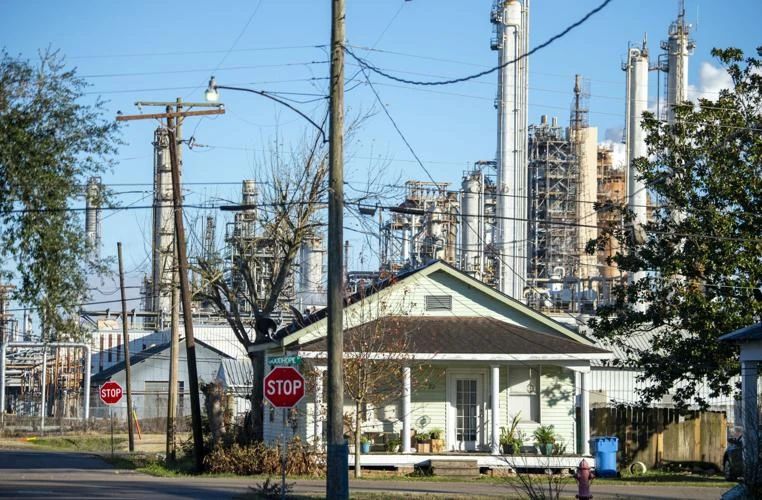
2/24/2023 – Recently we touched on Industrial Racism, today we will be speaking on Environmental Racism and its effect on society. Cancer Alley refers to land along the Mississippi River in Louisiana that is home to more than 100 oil refineries and chemical plants. Its population is predominantly low-income African Americans who are disproportionately affected by industrial pollution. The residents who live in the areas around Cancer Alley have a higher risk of Cancer. Tulane University found that Cancer Alley can be directly linked to an estimated 85 cancer cases per year. The fight for change in Cancer Alley has been long going, in 2022 the Environmental Protection Agency announced their plan to begin surprise inspections of plants and investing $600,000 in stopping air pollution in Louisiana. There are many more communities heavily affected by environmental racism. We Act and Green Door Initiative are just two of many organizations that are informing communities of environmental injustices and ways we can help.
#ROOTSRugbyFamily #BlackHistoryMonth
2/25/2023 – As we head into our final weekend of #BlackHistoryMonth one area in need of discussion is the relationship between Black America and #Medicine. Mistrust in medicine and #HealthCare for Black people is historically rooted in the treatment of enslaved people as well as contemporary examples of malpractice even today. From the medical experiments done to slaves, to the infamous #TuskegeeExperiments when Black people were denied health care so doctors could track the progression of syphilis, to today, where racial bias can dictate the type of care Black people receive from residents and doctors, there is plenty of reason to believe that there is a lot of work to be done by the medical field to bridge the gap of trust between Black communities and medicine. Some hospitals have already taken the step to educate their employees on harmful racial practices as well as acknowledge the lack of representation in higher level doctoral positions within their practices. Such strides are necessary to right the wrongs of the past.
#Education remains a core component of this ongoing dialogue but it requires a level of trust from the Black community to find, vet, and share quality general practitioners that have done the necessary work to serve marginalized populations. When #segregation was standard, Black-owned clinics saw a steady flow of Black patients and it showed the importance of trust when health is involved. As #Integration took place, we saw the decline of Black-owned medicine and we can see the effects of not having a practitioner that *sees* you. Areas like #Childbirth can see Black women at a much higher risk of death due to #Racism and #RacialBias when it comes to pain tolerance and follow-up for postpartum and it begs the question of if our current structure is navigating the #RacialHealthGap well enough. As we navigate this space, please be sure to know your own body’s health! #HeartDisease, #Diabetes, #BreastCancer & #ProstateCancer are the leading causes of death in the Black community. Building a relationship with a primary care doctor can ensure a level of safety and education that you can build within your community!

2/26/2023 – “God of our weary years..” #MartinLutherKingJr once quipped that the most segregated hour in “America is 11 o’clock on a Sunday”. #Religion remains to be an area that holds an unique space in American culture – especially in #BlackAmerica. Churches, mosques, and other religious institutions were some of the only places Black people were allowed to congregate in large numbers and it was still monitored by law enforcement. Historically, Black Americans are #Protestant due to slavery and were permitted to attend White churches with their masters. The sermons would largely aim to keep slaves in their place and used religion as a way to solidify the social hierarchy. Shortly after becoming freed, Black people began creating their own spaces of worship but would also ensure churches were used to bring Black communities together and stay aware (or #Woke!) of issues affecting them.
Today, we see a complex relationship with Black America and religion, specifically with Christianity. Because of Christianity’s complicity in slavery and historically-sustained racism, it can be difficult to navigate that level of dissonance, despite the benefits of attending church. On the other end, some churches have preyed upon their communities and aimed to be for-profit spaces. This has led to a growing lack of trust between Black churches and their communities. The importance of community has been a thread throughout this month and churches can still be a crucial component of it. There is a growing need to reckon with America’s racial history’s relationship with religion and the church can be the space to bring the community together to discuss. If this month has taught us anything, it is that the road to freedom requires unavoidable critical conversations and the more we lean into the discomfort of this work, the better chance we have to build a stronger community with trust built into the fabric! #RootsRugbyFamily #BlackHistoryMonth
2/27/2023 – “Till victory is won”. As February comes to a close, we reflect back on our theme of “Lift Every Voice” and its impact on, not only Roots, but on the greater #BlackCommunity. Recognizing the diversity of voices within the Black community, we see the importance of advocating for one another as inequity can surface in so many forms. For today, let’s center the importance of looking after Black children as they navigate an age of #misinformation, #CensoredCurriculums, #GenerationalTrauma as they aim to carry #TheWork forward. Putting ourselves in the space of #Mentorship and leading by example allows us to help pull up our future generations in a space where social connection is becoming paramount and education is its own form of power.
As we scope out the trajectory of racial progress in America, we see the possibilities of both oppression and freedom heavily dependent on our political landscape. #Healthcare, #Education, #Housing, and many of the other areas we discussed this month are becoming increasingly #partisan issues which has historically led to #DeFactoSegregation and larger inequitable disparities in areas that lack resources to sustain itself. If we are to progress, it must be as a community. The marches, protests, and dialogues all allow us to hold our representatives accountable and help us assess what work still needs to be done. Building a strong community allows this work to become sustainable as well. Recognizing the needs of the various communities (home, work, neighborhood, rugby, etc.) we occupy keeps us engaged and in a space of learning. Carrying out the purpose of the Roots Anthem means marching on til victory is won! #RootsRugbyFamily #BlackHistoryMonth
2/28/2023 – We are at the end of February and that concludes our #BlackHistoryMonth programming! We hope it was helpful in getting some conversations started, as well as learning new perspectives on some historical issues we are still grappling with today. This work is always ongoing and as #WomensHistoryMonth approaches tomorrow, take a look through the past posts and reflect on how #BlackWomen are largely affected by these issues. Much of this work requires centering other perspectives in order to see the true impact of it on those around us. While we should always take time to highlight excellence and celebrate it when we see it, it is equally important to engage with the harder aspects of Black History as we can see states beginning to work on ways to erase it from educational spaces entirely.
A big thank you to @brandice_neal for her posts this month as well as @rootsrugbyfamily for hosting me! It is great to see the high levels of collaboration in real time! I would like to take this time to also ask that if you appreciated the work this month, please consider donating to Roots Rugby (https://givebutter.com/PlantingSeedsGrowingROOTS)(Link in bio!) Your support and contributions allow us to not only continue to strive for greatness on the field, but off of it as well! #BlackHistory is being made every day and we at Roots want to be an integral part of that. We hope you enjoyed this month and we look forward to seeing you all continue to do this work!
2024

2/1/2024 – WE. ARE. BACK! Last year, @RootsRugbyFamily and The Work teamed up to show how the #BlackNationalAnthem, #LiftEveryVoice” has manifested in Black history. This year, I wanted to merge the #BHM theme, African Americans in the Arts with the concept of #Afrofuturism and explore how Black history continues to shape our environments, conversations, and education now and beyond. Originally coined by Mark Dery, Afrofuturism looks to explore the intersection of Black history and technology as a means to interrogate what liberation can look like in the future. For this month, we will consider the role art and activism can play in the discussion and highlight figures that have contributed to its movement, both knowingly and unknowingly.
For anyone new to the page, posting every day during #BHM was the idea of @geeranby back in 2018 and this will be my sixth year of posting! Over the years, we have covered #UnsungHeros, historical places, #TheNewCivilRightsMovement, #RacialBackdraft, along with the Lift Every Voice collaboration with Roots last year. It is a great opportunity to test myself and expand my community’s thinking around #TheWork.
I am excited for this month and I hope you all are ready to learn! #BlackHistoryMonth #RootsRugbyFamily
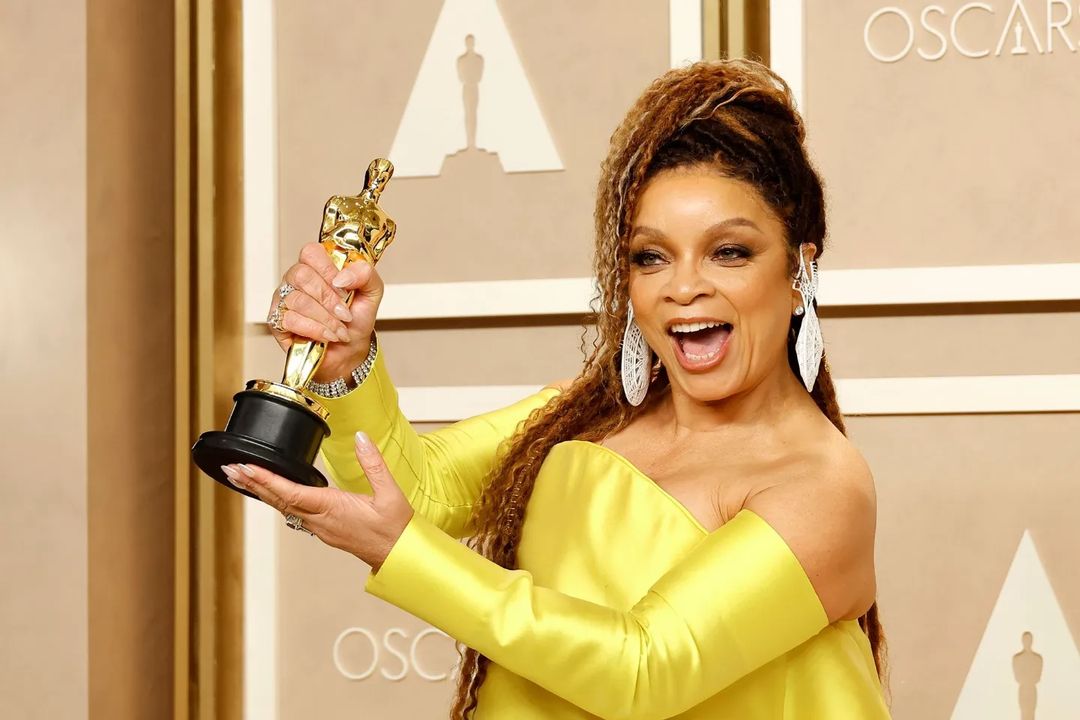
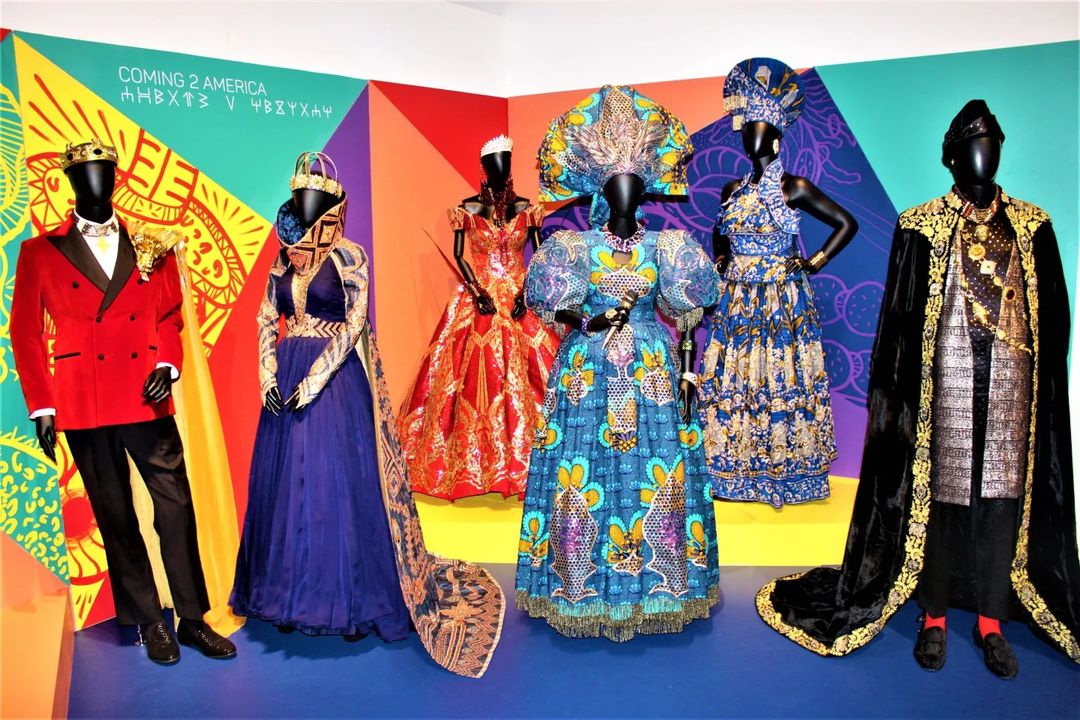
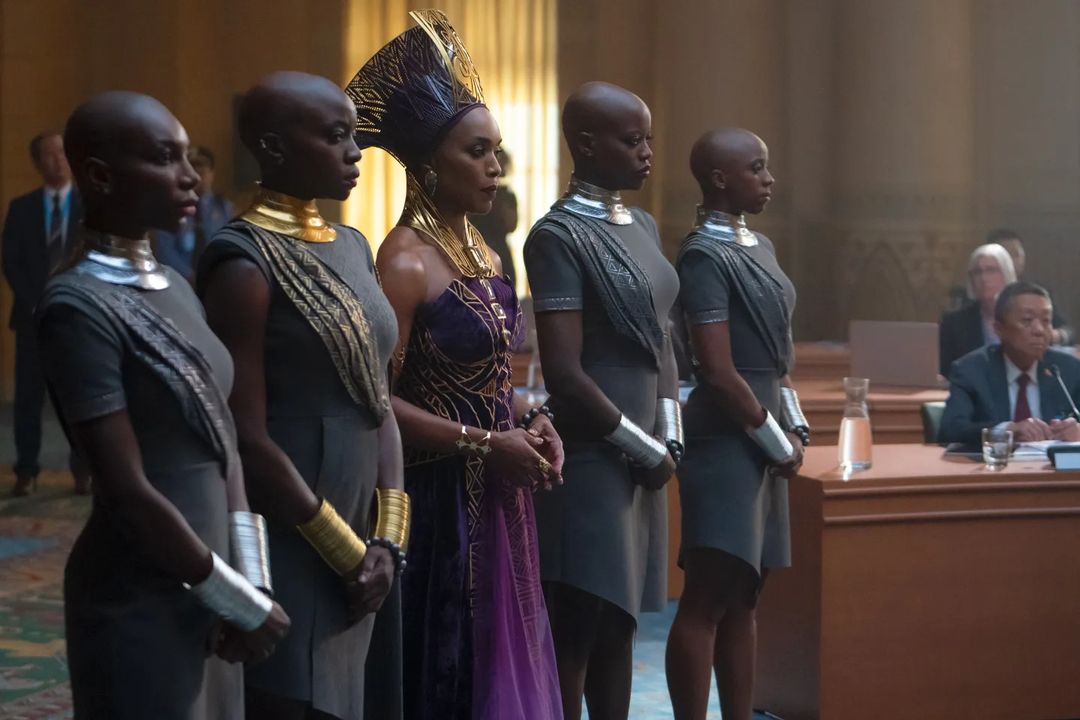
Costume Designer Ruth E. Carter and her work in Coming 2 America and Black Panther
2/2/2024 – Before deep diving into important figures in #Afrofuturism and its relationship with #BlackHistoryMonth, it is important to understand the concept of Afrofuturism as it is currently being built even today! In short, Afrofuturism is obviously about the future of people of the African diaspora, however, it may look different depending on if the medium is taking real history into account or not within its creation. It is still a relatively new term, only showing up for the first time in the early 90s, though many artists had already retroactively begun calling it into their space with their work. We will continue to explore those people further this month.
@RuthECarter continues to be a leader in so many ways with her craft. Carter is an award-winning costume designer, with movies like #Coming2America, #DolemiteIsMyName, #MalcolmX, and more notably, the #BlackPanther trilogy (you better believe another movie is coming!) Carter got her start with #SpikeLee in his second movie, #SchoolDaze in 1988 continued to work with Lee on nearly all of his work thereafter. @RyanCoogler‘s Black Panther saw her work on full display as she created many African-inspired pieces, deriving her influence from the #Ndbele people, #Maasai tribes, and the designs of the #Lesotho people. Her work won her an #AcademyAward in best costume design. She was the first Black woman to win in that category. I see her work as a true embodiment of Afrofuturism but she’s not the only one in this category, we have a whole month of influential people to chat about, stay tuned! #RootsRugbyFamily #BlackHistoryMonth
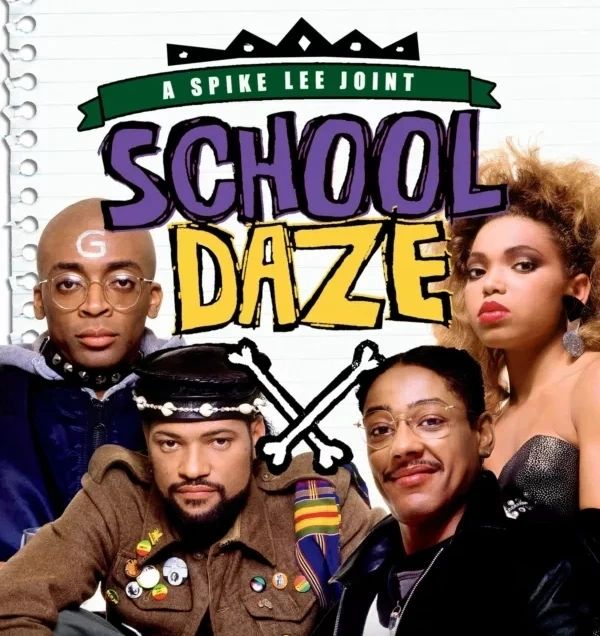
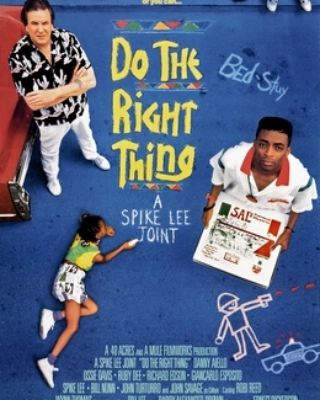
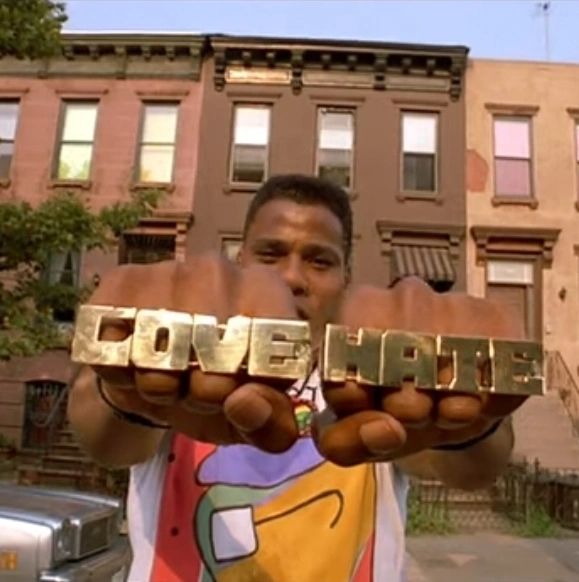
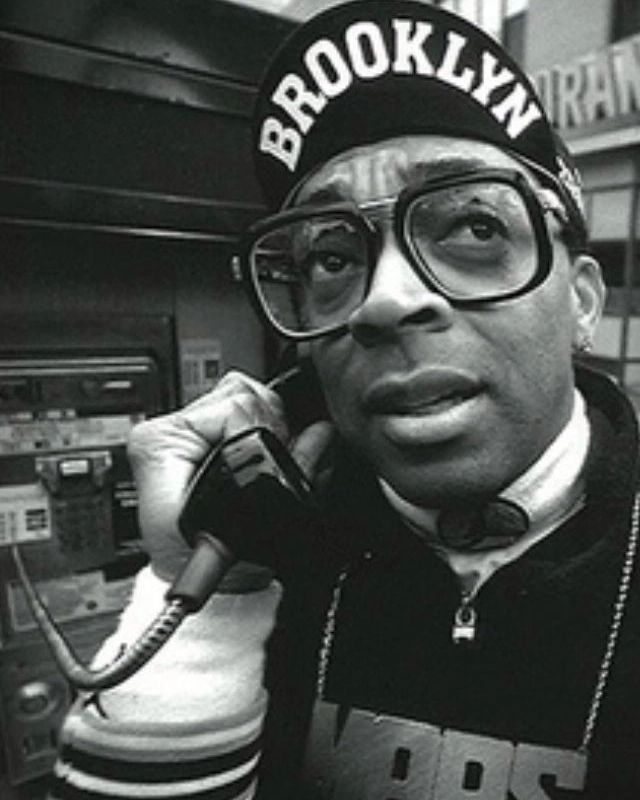
Spike Lee
2/3/2023 – As said yesterday, #RuthECarter’s vision in #Afrofuturism came to life on-screen but the particular screen it was shown on was important too. Carter’s first big break came on the set of #SchoolDaze, Spike Lee’s second film. #SpikeLee’s impact has been immeasurable to many communities over the years and has been featured by me before in some of the #BlackHistoryMonth posts of the past. The focus isn’t solely on Spike Lee as much as it is his partnership with Public Enemy that makes this post #Afrofuturistic.
Spike Lee’s first film was #DoTheRightThing and while that movie could be its own post, the opening credits captured a socio-political aspect of Afrofuturism before it truly existed in the 1980s. #PublicEnemy (covered was already making waves for their ability to call out America’s complicated relationship with #racism and #accountability and hearing #FightThePower in the opening scene makes it clear Spike Lee’s vision of #BlackAmerica will go in a more aggressive direction when addressing the lived experiences of Black America. #RadioRaheem’s soliloquy around love and hate showed its afrofuturistic themes in how Black America must continue to wrestle with their country’s racial historical past and use love and hate interchangeably to build the right relationships for the future. These themes continue to be examined today in nearly every socio-political circle making Afrofuturism a growing subject for today. #RootsRugbyFamily #BlackHistoryMonth
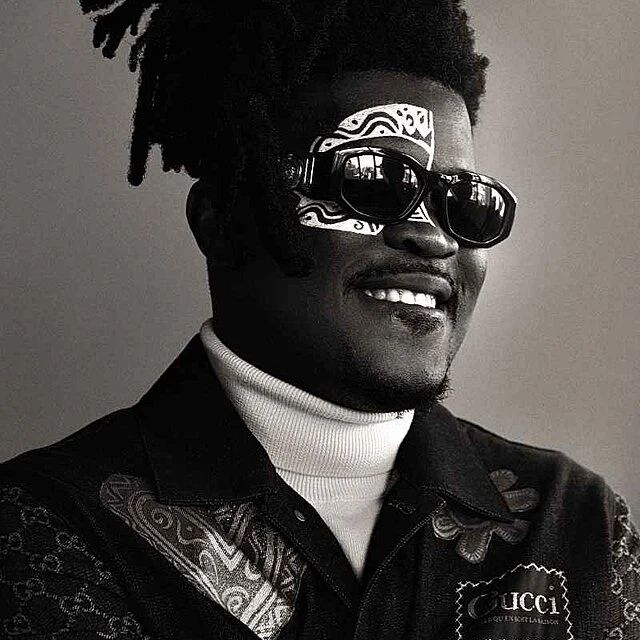
Láolú Senbanjo and his unique art style
2/4/2024 – Likely one of the most iconic #Afrofuturism artist of the 21st century,Láolú Senbanjo has been able to bring his art to life in many different forms. “Anything can be a canvas,” has been his mantra and we continue to see his work show up on clothes, sculptures, and people. To tie in with his native Nigerian roots, Láolú’s gave his unique style a name – The Sacred Art of the Orí, the Yoruban ritual of becoming one with yourself or awakening the God in you. The focus on the self and the confidence within is the first step to understanding the space around you.
Láolú originally started as a human rights lawyer, working with the National Human Rights Commission but knew art was his true passion. He faced societal scrutiny giving up his position as a lawyer to pursue art but he sees that as his own form of activism. #Activism is a central tenet in Láolú’s work, deriving experiences from his own upbringing and the environments he navigated as a human rights lawyer. Dreamscape (2018) shows his frustrations with the numerous injustices of the world. It also showed a process he now calls #Afromysterics, where his focus is on the journey of the African thought process with the goal of relating the human consciousness to the Yoruba tradition. Connecting the past traditions with the future of Black thought is Afrofuturism in its purest form. @Beyonce’s Lemonade album (this will have its own post, promise!) sought to incorporate his artwork into the music and build upon their platform of #HumanRights. To Láolú, the future is its own journey and may require you to get crafty to build it effectively. #RootsRugbyFamily #BlackHistoryMonth


Jean-Michel Basquiat and his works (left)
2/5/2023 – It started as a #graffiti tag. SAMO. Its artist would eventually grow into an icon and change the way we approach contemporary art but also the way we frame #Afrofuturism and its messaging. Jean-Michel Basquiat (@basquiatofficial) grew up at a time when America was still figuring itself out after the Civil Rights Movement of the 60s. His art drew from his connection to his Black and Afro-Caribbean roots and tied to his love of the history and politics of race in America and he chose to use his artwork as a form of activism. His common themes throughout his work continue to be some of the same themes we discuss today regarding Afrofuturism.
Basquiat’s socio-political commentary was Afrofuturistic within itself, “How is this equality?”, “What can we expect of the future if this is what we are subjected to now?”. His works like “Irony of a Negro Policeman”, “The Death of Michael Stewart”, and “Hollywood Africans” shows some of the earliest examples of Afrofuturism in art. It aims to not only tackle the prevalent issues affecting our communities today but seeks to sustain the conversation of building a better setup for tomorrow. The imagery in his work, much like @Laolu‘s, displays a story through shapes, hieroglyphs, and subtle messaging (sometimes incredibly explicit) to take the viewer on a journey through Basquiat’s thought process. His work continues to be immediately recognizable across many spaces and continues to be a focal point around the intersection of art and activism – a core tenet in Afrofuturism. #RootsRugbyFamily #BlackHistoryMonth
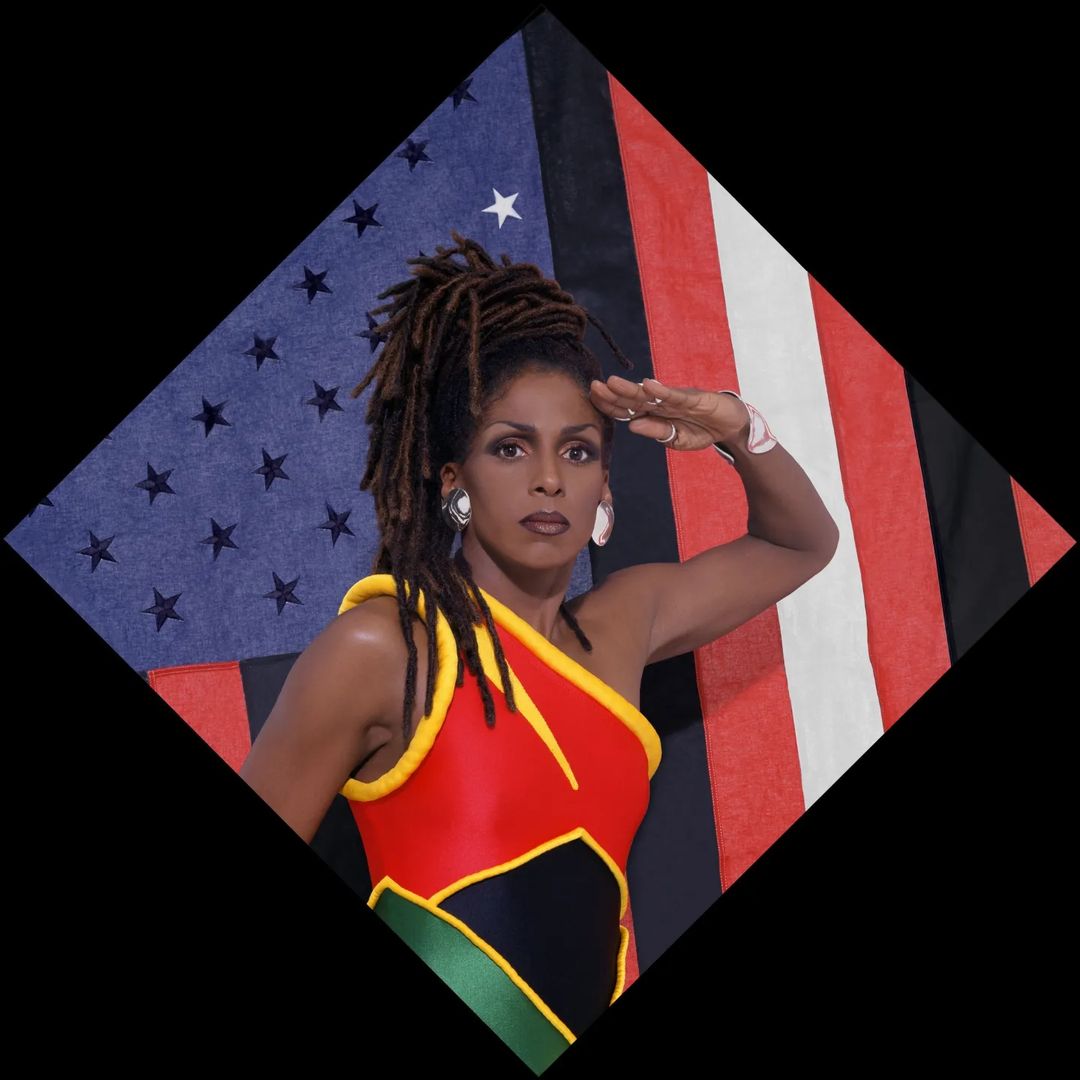
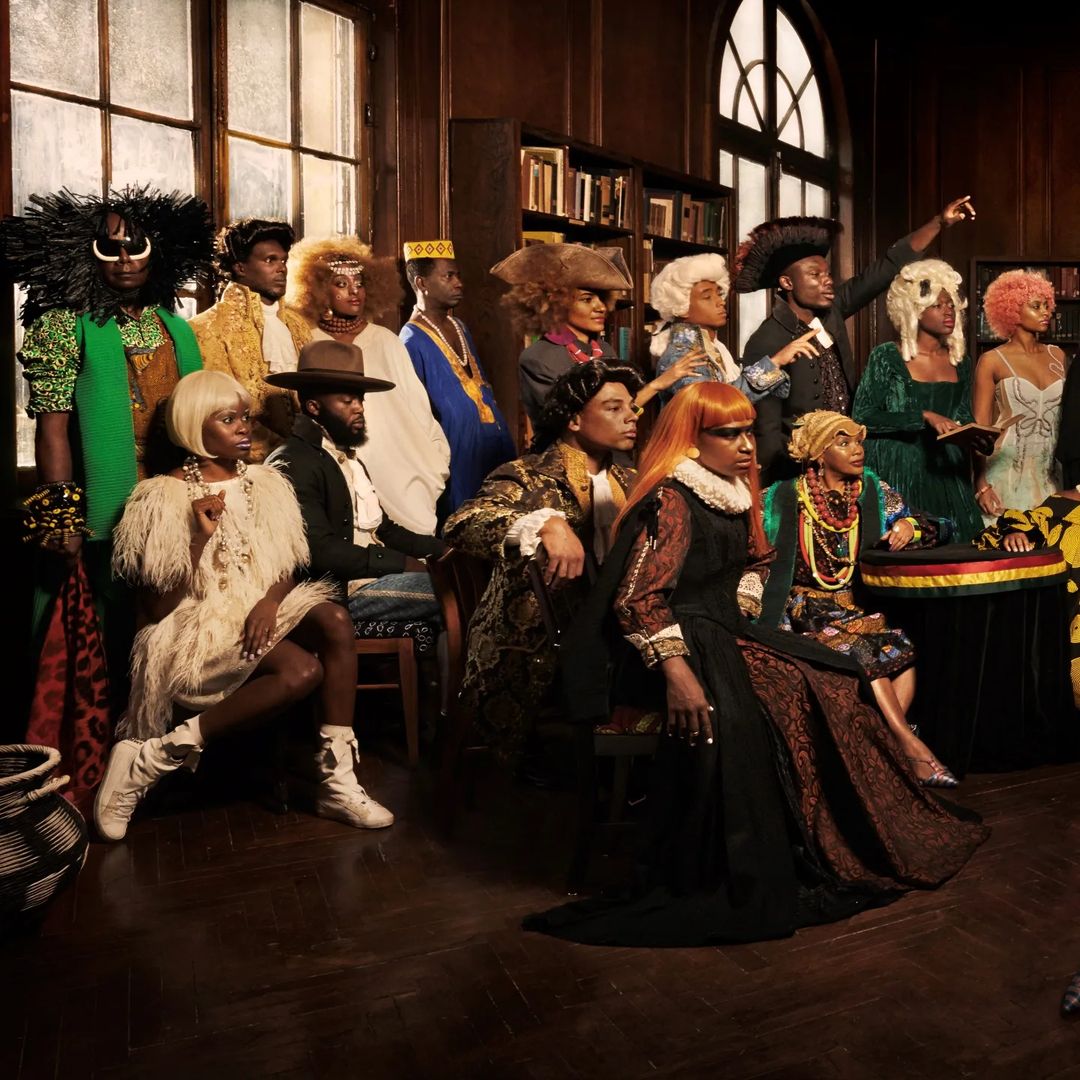
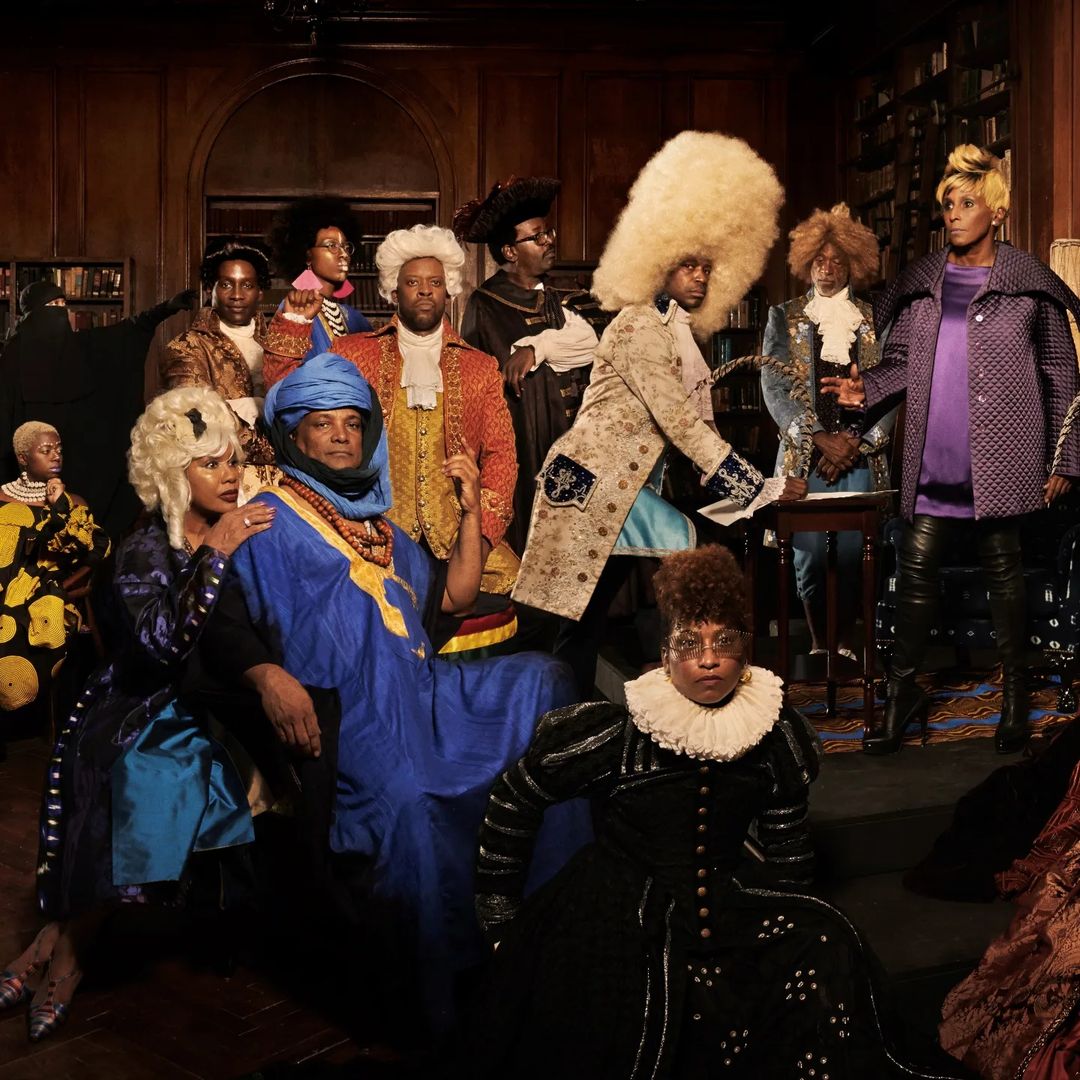
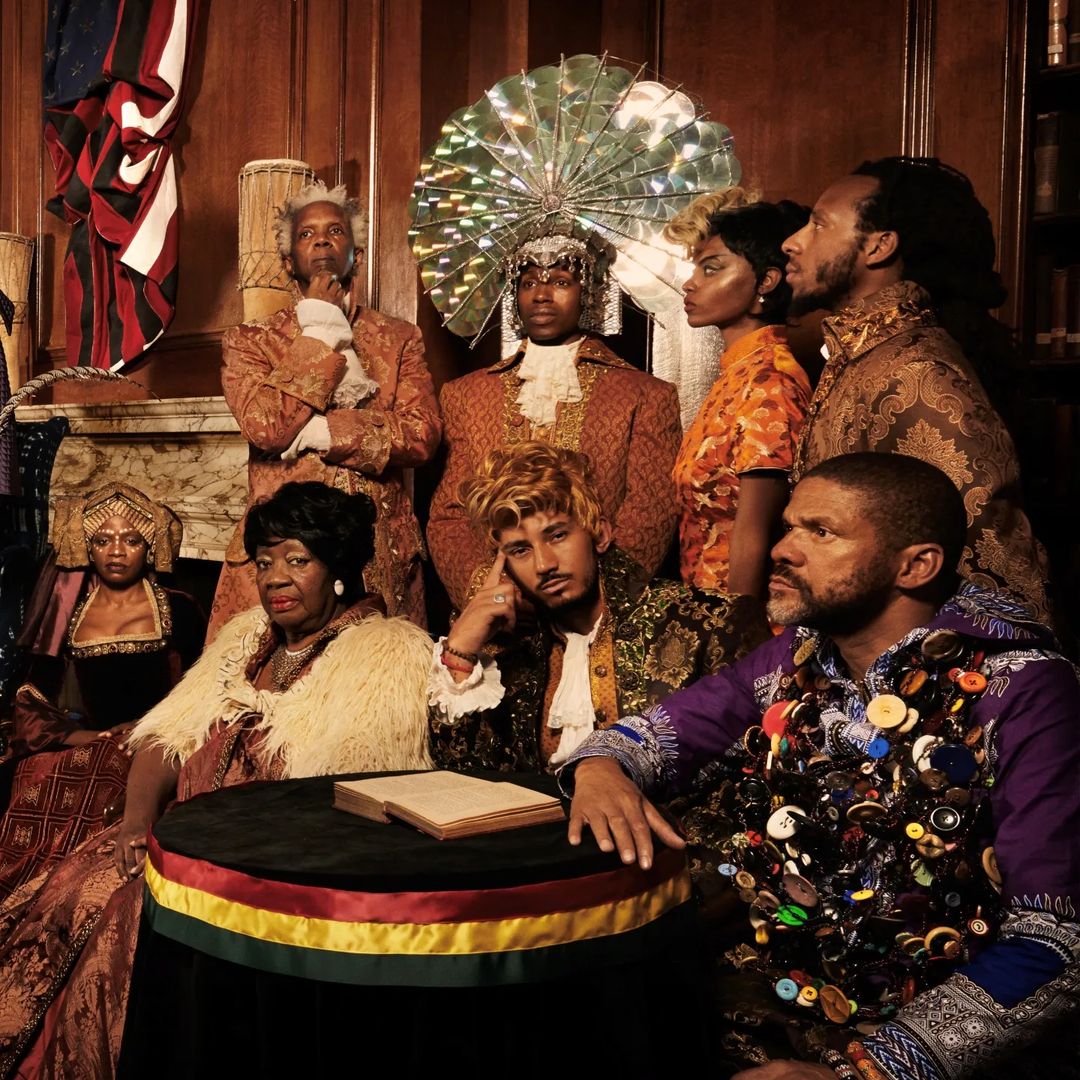
Renee Cox
2/6/2023 – #Selfove? #Religion? #Feminism? Where do these discussions fall within the realm of #AfroFuturism? To break the 4th wall briefly, #ReneeCox probably has one of the most interesting stories of what I would consider the architects of Afrofuturism because she was brave enough to literally put her own body on the line for the future of her people. Cox is an example of #metaintersectionality (new term!) in where her representation of #BlackFeminism intersects with more contemporary themes within the Black community. Her work aims to interrogate the current commentary around #ArtActivism and its intersection with #BlackLiberation.
Confrontation can be a natural part of change and when it comes to #ActivismThroughArt, Renee Cox made it a central tenet of her works like #YoMamasLastSupper, #QueenNannyOftheMaroons, and more controversially,#OlympiasBoyz. She is not afraid to say the quiet part out loud – Whiteness and its impact on the future of Black people in America and beyond. That is the conflict of Afrofuturism, where do White voices exist within that space? While some are ok with speculation, Cox’s work seeks to make it apparent that if Whiteness is not interrogated directly, there is no Afrofuturism. With Cox’s work, comfort is not to be centered but rather how you handle discomfort with the message of her work. Unlearning gender roles and stereotypes can allow a wider sense of freedom and control over one’s work and Renee Cox can be considered an #Afrofuture architect for her works. #RootsRugbyFamily #BlackHistoryMonth
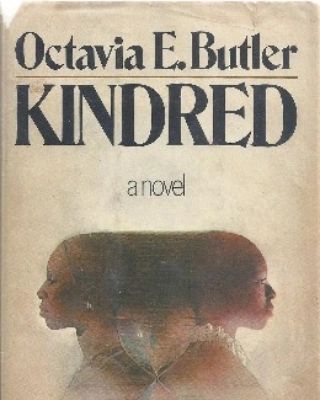
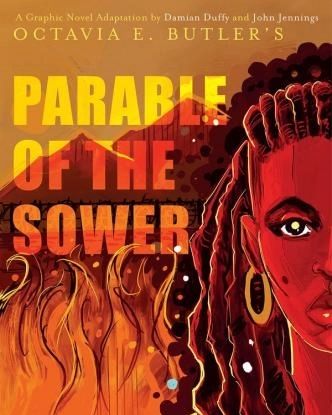

Octavia Butler and two of her most famous works
2/7/2023 – As we round up the first week of #Afrofuturism, we wanted to focus more on some of the architects of the movement to give some context into the later half of the month. #OctaviaButler is one of the most influential of the architects (even earning the title “Mother of Afrofuturism” in some circles) as her work exemplifies the delicate balance between #SciFi, #Religion, and the reality of the Black experience in America. While the #aesthetic of Afrofuturism can be pleasing, the undertones of its messaging have to navigate the historical context of #racism, #saviorism, #intersectionality, decentering Whiteness, while still plotting out an uplifting and hopeful future. True Afrofuturism borders on #escapism while still maintaining the realities of today. #Kindred and Butler’s #ParableSeries dances this line incredibly.
A subtle theme that will be found throughout this month is power and its relationship to race. Because Black people in America have been historically held institutionally powerless (but socially powerful – interesting dynamic to explore later!), the future has to grapple with the real understanding that those in power, mainly White people, will have to navigate distributing that power, which will come with some level of conflict. Butler’s stories blend the past, present, and not-so-distant future but what sets her work aside is the uncomfortable reality that we are not too far from a direct confrontation around the distribution of power between racial and ethnic groups. Without spoiling her books (which I urge everyone to read!), interracial relationships become a pivotal factor because of how power can potentially play out across multiple identities (race, gender, class, etc.). #RootsRugbyFamily #BlackHistoryMonth

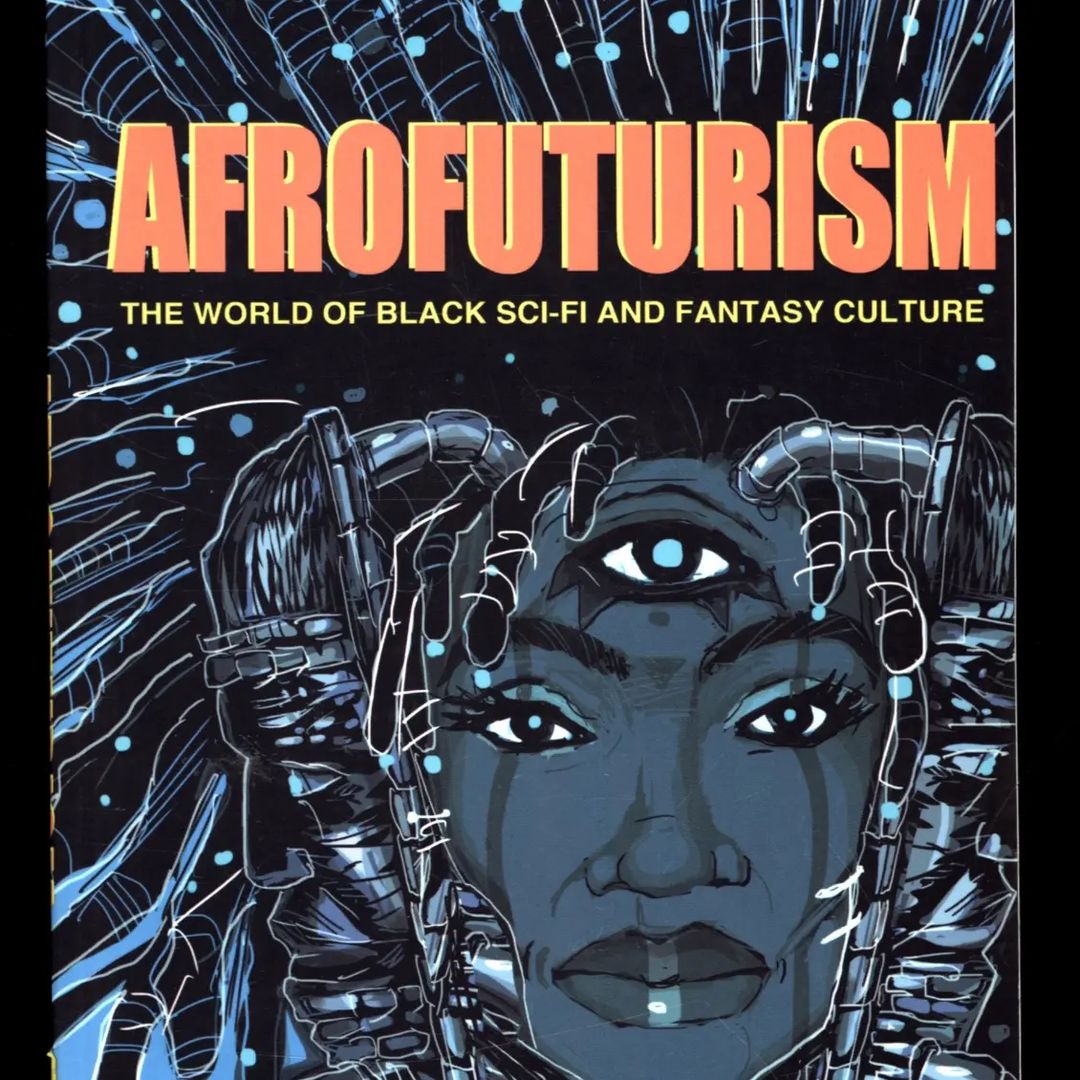
Ytasha Womack
2/8/2023 – One of the cool aspects of #Afrofuturism are the numerous ways people that engage with the concept have multiple entry points. I wanted to make sure we covered someone that has been building the framework in real time around the future of the Black identity. #YtashaWomack’s work seeks to reimagine the various social limitations we put on ourselves concerning race relations and how that can impact the future. If race is no longer a factor, what can be created? What does the community look like? How do we navigate identity in a future where race may not exist? Womack begins to lean us into an Afrofuture that can border on the concept of #PostBlackness.
#PostBlack is a concept that aims to redefine the idea of what it means to be black, specifically freeing oneself from the burden of race-wide representation when performing or speaking. This intersection with Afrofuturism is interesting because it directly investigates the concept of Blackness as a racial construct within Afrofuturism. While #ReneeCox interrogates Whiteness and #OctaviaButler navigates #interracialism as a power structure, Womack’s work questions what can be still considered Black without the historical weight of race on its shoulders. Is #unification and #authenticity still possible for those not wanting to represent the social construct of #Blackness? In the worldbuilding of Womack, Blackness is rooted in culture as defined by personal interests, POVs, and lifestyle rather than knowledge of Black racial politics and its history. As she looks to redefine and reassess what it means to be #BlackInAmerica, I know it will impact how we see #Afrofuturism. #BlackHistoryMonth #RootsRugbyFamily
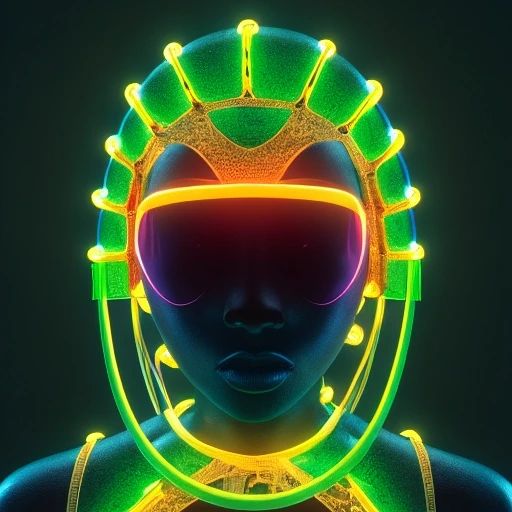
2/9/2024 – Before transitioning into the next crop of leaders within the #Afrofuturism theme for this month, breaking down some of the previous themes will help build the context around the future posts. Afrofuturism is a derivative of #SciFi because as SciFi became more normalized in the 1950s, Black people were noticeably missing from the literature and media. As Black writers, musicians, artists, and more began to navigate the science fiction genre, common themes began to arise – community, racial/cultural pride, and the imaginative capacity to rethink our spaces from a more equitable lens. However, through this remains a common thread of “Where does this actually take place?”
#Conflict and more specifically, #RacialConflict is a subtle theme of Afrofuturism because there is something that has to happen between reality and the futures being built by so many Black creatives and that is some level of confrontation with the current state of racial politics. Part of why #Afrofuturism can be treated as #Escapism is because the works associated do not generally address whether the worlds that have been built address our current state of racial politics. Did we just decide to all get along one day? Was there a cataclysmic event? War? While it is uncomfortable to lean into the discussion, Afrofuturism will stay in the future if conflict resolution isn’t centered to some degree in the conversation. While more discussions are being had around navigating America’s relationship to race, we will have to be explicit around where some of our other races are being represented lest we begin having a discussion around #Segregation but that is for another day! Plenty to think about within this work! #BlackHistoryMonth #RootsRugbyFamily

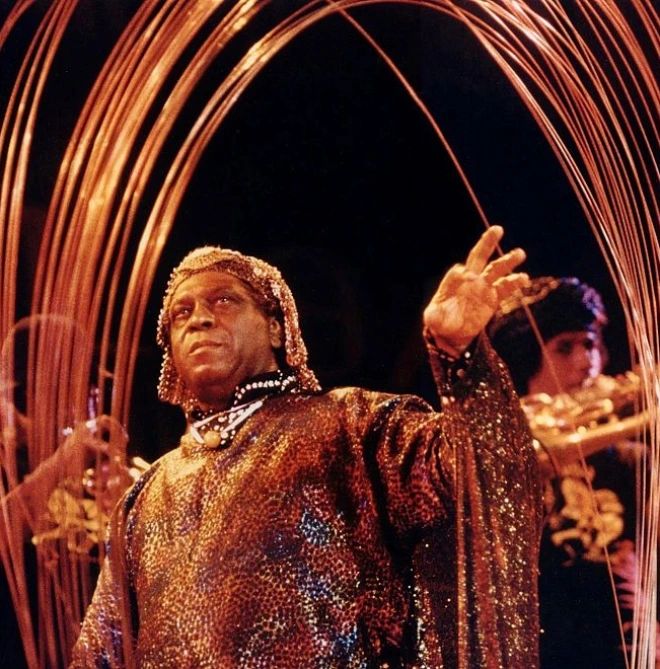
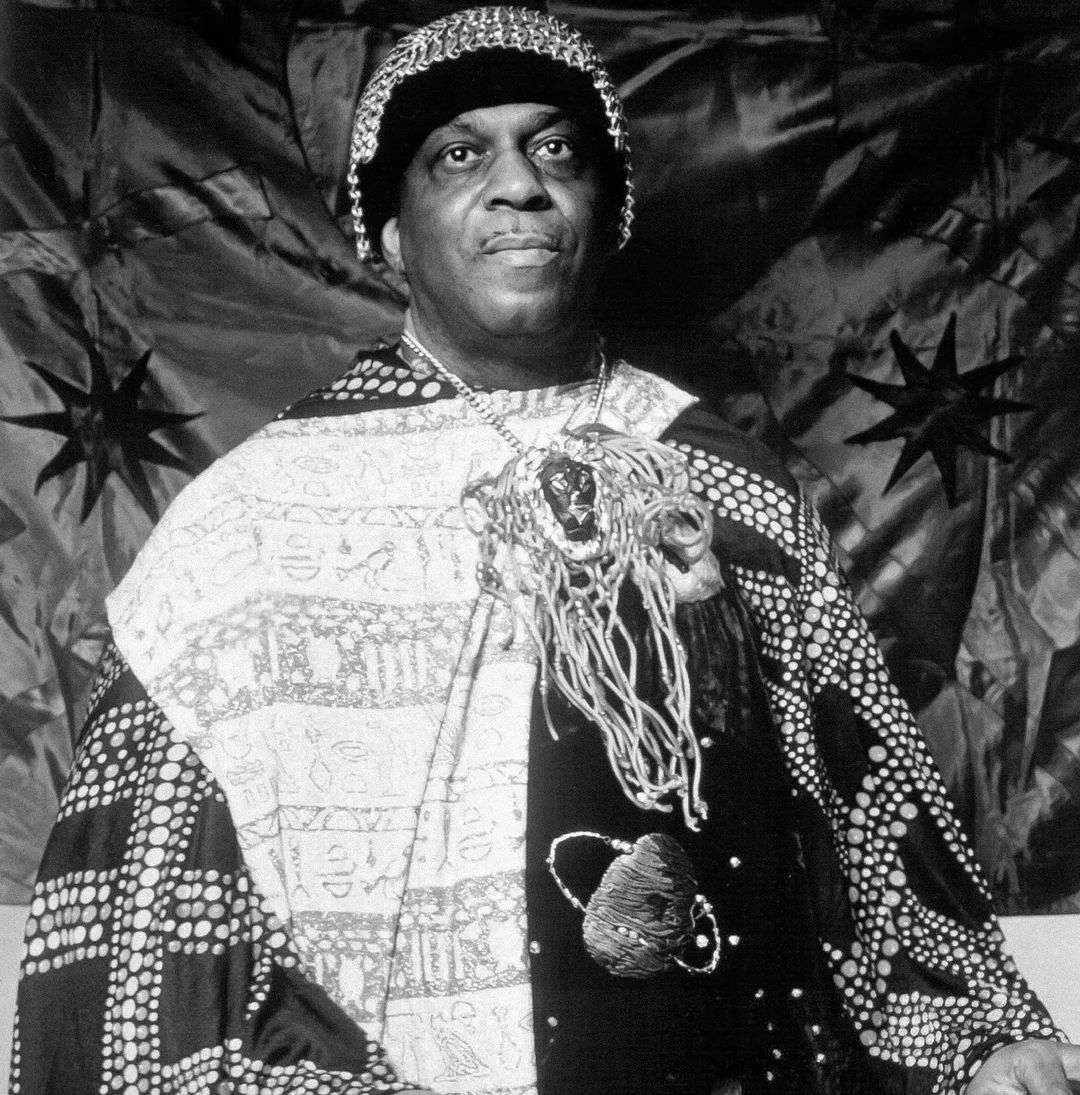
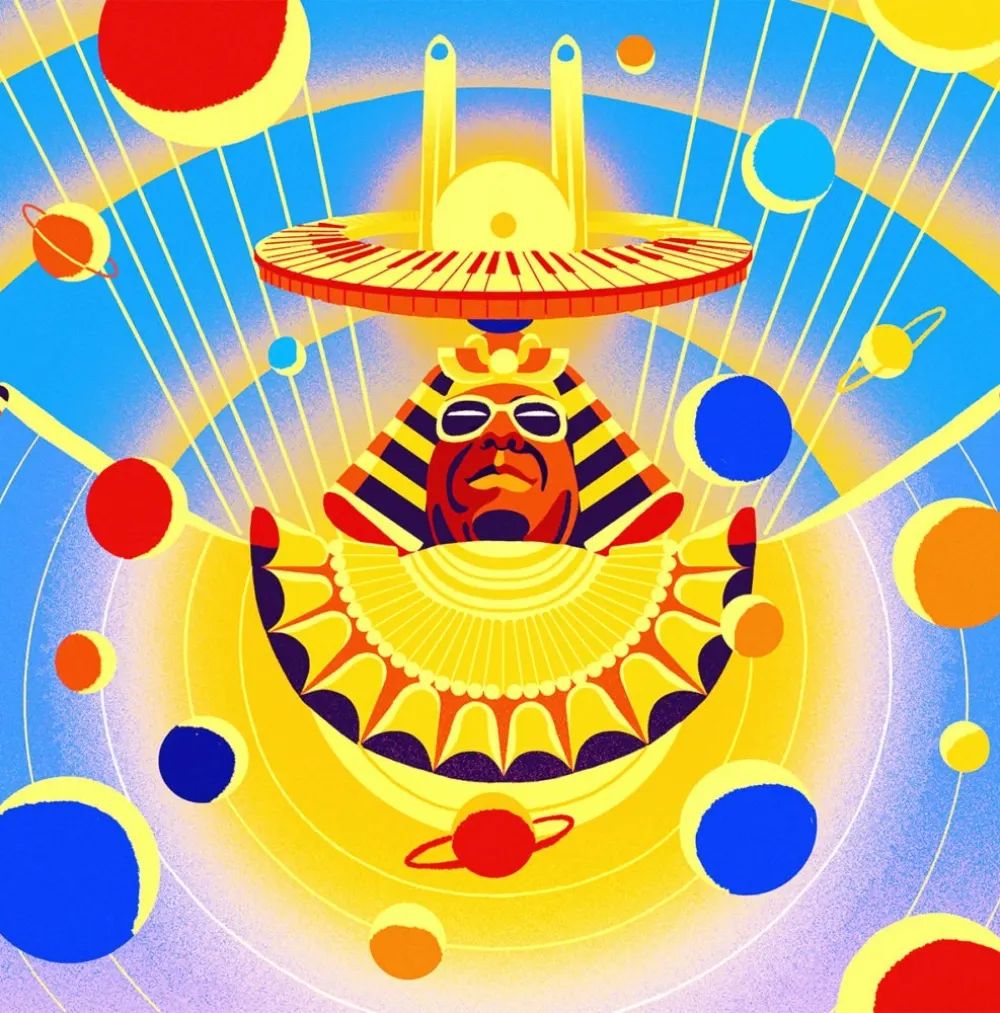
Sun Ra and the Arkestra
2/10/2024 -Time for music! In terms of #Afrofuturism and #BlackHistory, #SunRa put sound to a movement before it existed. Hailing from Saturn, Sun Ra and #TheArkestra used their #BigBandJazz influence to experiment with “new age” instruments like synthesizers, drum machines, and his Outer Space Visual Communicator (OVC) to build the makings of #CosmicJazz. Dancers on stage would wear a costumes influenced by the intersection of #SpaceAge, #Futurism and #AncientEgypt and he and the band focused on making their performances borderline art pieces instead of music.
Sun Ra’s story actually intersects with a post covered in 2020 about #Bronzeville in Chicago in relation to the #GreatMigration. Growing up in Alabama, Sun Ra, (born Herman Poole Blount) found music early. He was sight reading music by 12 and became a skilled pianist early into his high school career. He dropped out of college after a “deep religious concentration” placed him on Saturn where he was instructed to guide people through music. It became his own form of activism shortly after. When he was sent to prison for being a conscientious objector to the war when he was drafted, music would become his way to keep his voice centered. Once he was released, the death of his great Aunt moved him to Bronzeville where he would inevitably create the beginnings of The Arkestra – an ever-changing band of performers that still performs today. His musical influence will flow throughout the figures we will cover in this section. Stay tuned! #RootsRugbyFamily #BlackHistoryMonth
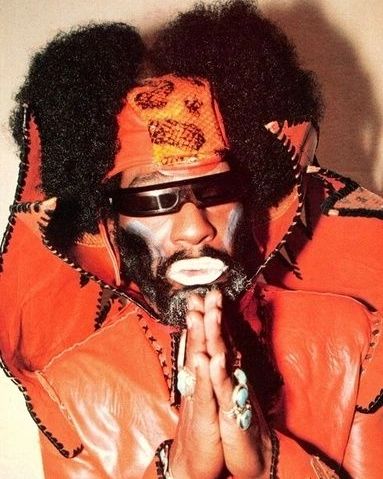
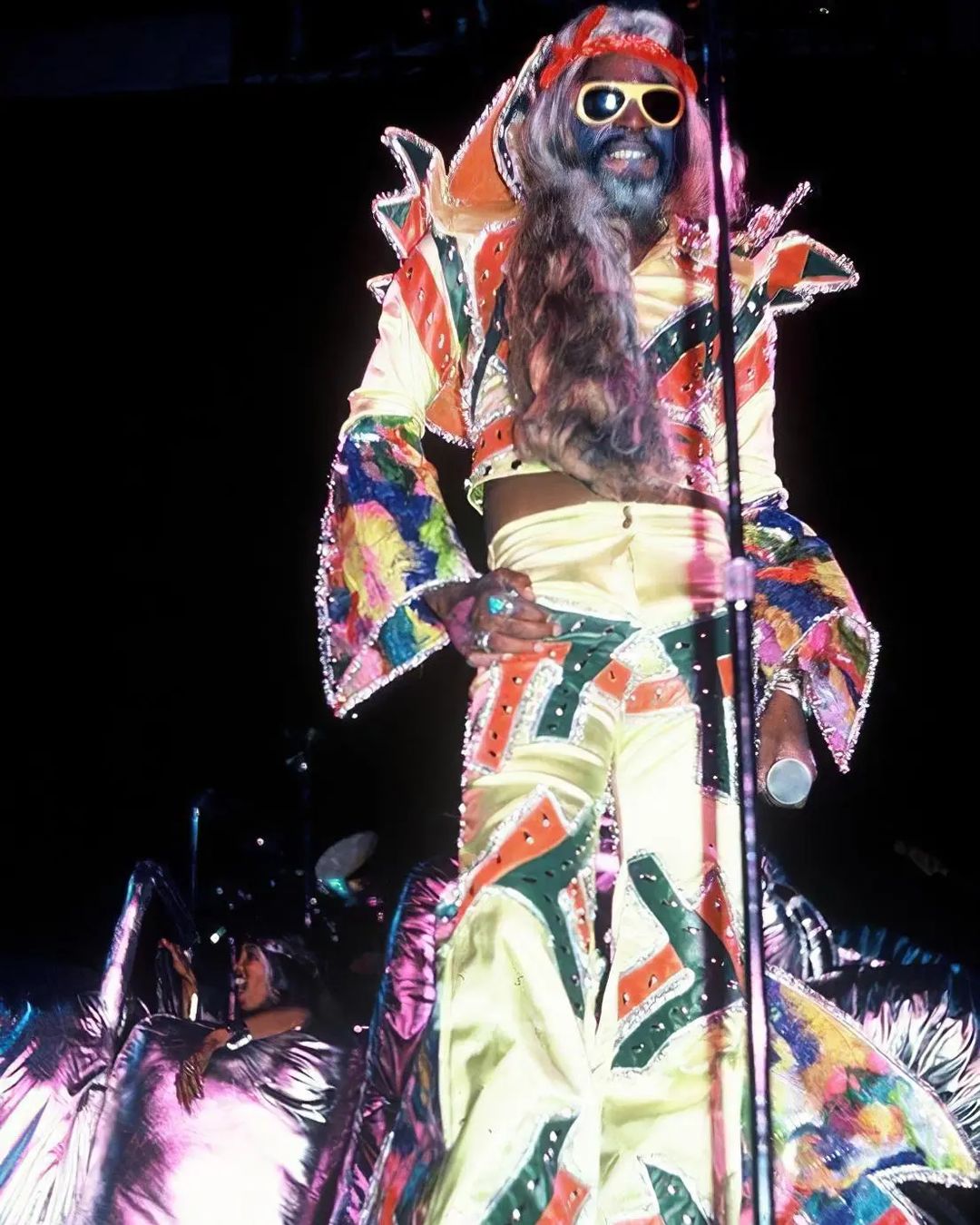
George Clinton and Parliament Funkadelic (P-Funk)
2/11/2024 – If #SunRa’s sound laid the road work for music surrounding #Afrofuturism, @GeorgeClinton and #PFunk constructed the vehicles for all of us to travel on. #CosmicJazz would roll into the 70s and begin to build out the familiar sounds of #Funk music. Despite living roughly around the same time, Clinton and Sun Ra did not meet until the 80s when both of their sounds had already taken shape and paths of their own. One area that Clinton tapped into that is new to our discussion of Afrofuturism is his comfort with drug usage as a way to experience his art and music. #Escapism can come in many forms and at a time when racial violence, war, and integration stories were on the news every night (unlike now, of course), Clinton wanted to add another element to his music: #hallucination.
Clinton first formed #Parliament and #Funkadelic in the early 70s and eventually merged the two groups, forming PFunk. This was also at a time where America was going through a political upheaval with #RichardNixon’s resignation after #Watergate, the #VietnamWar, and the racial fallout of #MLKJr’s assassination. The country needed an escape and PFunk was already building a proverbial (and physical) spaceship to transport listeners “off-world” in a show of #Unity being the ultimate message. Songs like #OneNationUnderAGroove, #AtomicDog (#OmegaPsiPhi I see you!) and #GiveUpTheFunk shaped the Black experience of the 70s and 80s and continues to bring communities together across generations today. #PFunk aims to transcend socially constructed boundaries with the goal of using music as a way to build a “funked up” community. #BlackHistoryMonth #RootsRugbyFamily
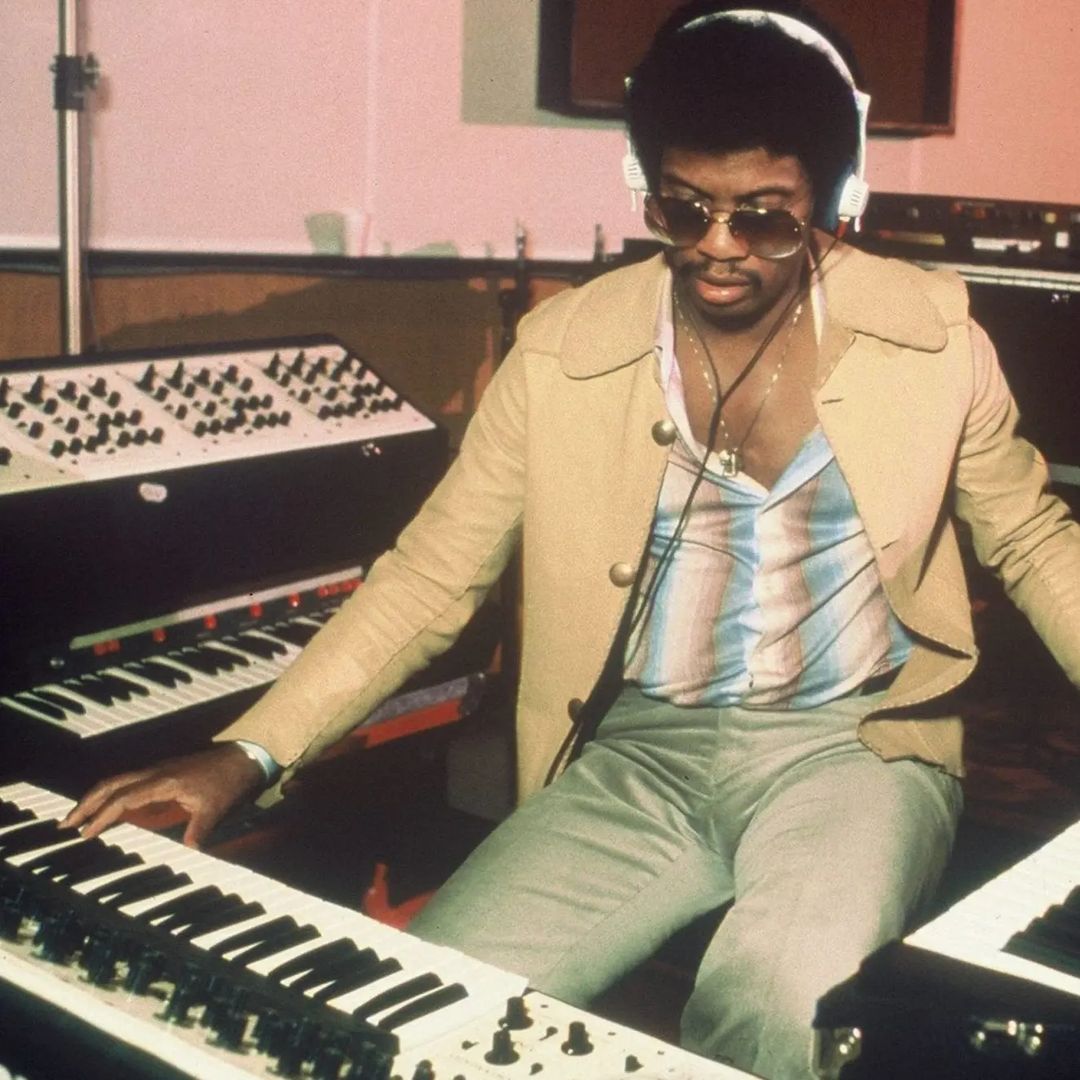
Herbie Hancock
2/12/2024 – If #MilesDavis personally picks you to join his quartet, you will be destined for greatness. #HerbieHancock is another product of the #Bronzeville scene in Chicago and used his Miles Davis jazz influence to begin to build on the work of #SunRa and #GeorgeClinton in the 70s and started on his own #Afrofuturistic path of genre-bending #jazz, #soul, #funk, and #electronic music into a unique all its own. With his use of #keytars, #vocoders, #synth, and #keyboards, Hancock began to tap into the #disco scene of the late 70s and 80s and we begin to see how America transitioned into the hip-hop era of the 80s and 90s with Hancock’s sound.
When #RockIt dropped in 1983 it created its own subculture. #DJs, #Breakdancers, and the #HipHop culture could immediately tap into #Afrofuturism with their own identities and begin to build out a new platform. #SynthPop and #Electro began to shape the sounds of the dance scene in the 80s and remains tied to the roots of Afrofuturism and shows the importance of allowing cultural access as a means to build together. Games like #GTAViceCity, specifically Wildstyle, Flash FM, Emotion 98.3, Wave 103 radio stations, capture the various ways the #Afrofuturistic sound can show up. Music as a cultural access point and why this is critical for the growth of Afrofuturism will be explored more in the coming days. #BlackHistoryMonth #RootsRugbyFamily
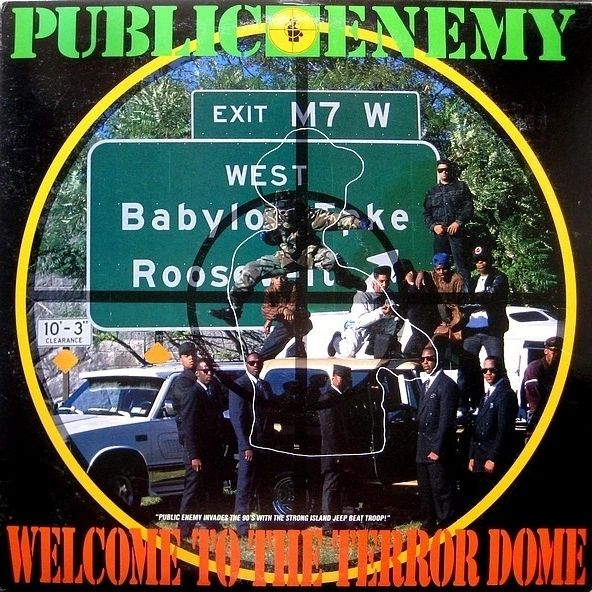

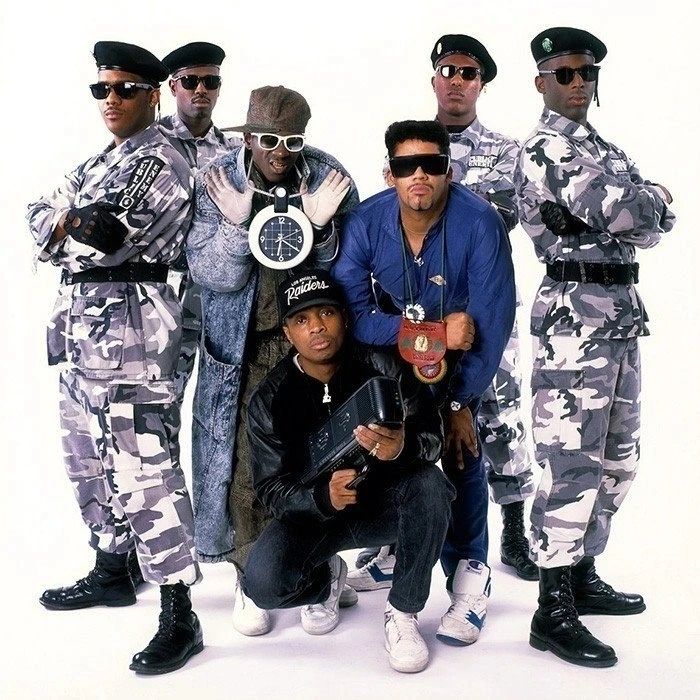
Public Enemy and the S1Ws
2/13/2024 – As referenced in the #SpikeLee and #Basquiat posts at the beginning of the month, the #sociopolitical aspects of #Afrofuturism will inevitably bring America face to face with #RacialConflict and there is simply no other #HipHop group that captured the confrontation more than Public Enemy. #ChuckD, #FlavorFlav, #ProfessorGriff, #TerminatorX, #DJLord (joining later), and the #S1Ws all had specific social roles within the group that highlighted the spectrum of work that also needed to be done within the Black community. It also brought to light the necessary need for mainstream discussion around the progress, or lack thereof, of racial politics. There is no #escapism in the visuals and lyrics of #YoBumRushTheShow, #ItTakesANationOfMillionsToHoldUsBack, #FearOfABlackPlanet, and #Apocalypse91, and having those first albums go either gold or platinum showed it was time to center activism in the hip hop scene.
In the Feb 9th post, we talk about the subtle themes of Afrofuturism around racial conflict and activism and Public Enemy made it their central tenet when addressing their audience. It would not come without heavy censorship, however. The group’s unapologetic messaging about America’s handling of social issues, both domestic and abroad, landed them on “Do Not Play” lists across the country. From radio stations to even #Mtv, Public Enemy regularly challenged the narrative that America was honestly grappling with its racial issues. #WelcomeToTheTerrordome, #911IsAJoke, and #ByTheTimeIGetToArizona showed saying the quiet part out loud is an aspect of #Afrofuturism
Erykah Badu
2/14/2024 – On the day of love, why not recognize someone that has help construct the emotional side of #Afrofuturism! #ErykahBadu has shaped, not only the sound of the #NeoSoul, but how the Black community spoke about loving oneself and each other. While Badu’s work can still be confrontational at times with its message, the overall sentiment is love for each other starts with the unconditional love of oneself. We can see this same thread in #Laolu’s Sacred Artworks. Her first album, #Baduizm went triple platinum and Badu herself began to reframe the narrative around Blackness, love, and how it is represented in media. Much like #ReneeCox, #SelfLove has to be unapologetic and Badu had no problem using her own body as art.
Love in Afrofuturism is its own form of activism. With conflict being a subtle theme as well, this dynamic becomes complex when we think of how it looks. Badu walks that line delicately. #WindowSeat is likely the clearest definition of this line as she walked through #DealyPlaza, where #JFK was assassinated, stripped naked, and was proverbially assassinated. Her “blood” spilled to read #GroupThink as she gave a voiceover about the rise of fear and the need to love oneself and continue to think critically for each others’ sake. While the reception was mixed, her message was clear: Failure to love oneself will lead to fear or hatred of others, resulting in inevitable conflict. When we consider America’s racial history and strained relationship with self-image, self-love should be centered as a message today. #HappyValentinesDay! #BlackHistoryMonth #RootsRugbyFamily

Beyoncé
2/15/2024 – Already historic in so many ways, #Beyonce’s music continues to show how much power Black America has over their own narrative and how it can be used to bring more voices to culture. Rather than spend a post connecting her work to the other figures on this list, let’s dive into how her form of #BlackFeminism contributed to the Afrofuturistic landscape and continues to question social constructs Black America has to navigate – mainly #Feminism (specifically Black feminism), #SocialConservatism in the Black community (#LGBTQ+ & #TransRights), the core elements of Beyonce’s #Renaissance album but traces back to her #IAmSashaFierce album.
Beyonce’s role in Afrofuturism is more unique than most at the moment because she is easily the most influential Black person today. With that power comes the difficult task of shaping a message that promotes progress while still holding on to the culture in a way that broadens its access for others to participate and celebrate. At some point, antiquated views will be socialized and the environment will continue to adapt. Her position is quietly (and sometimes loudly) a political one. Having a trans-inclusive album during a time when there is an open call to extinguish their identities by the right-wing community, legislators, and socially conservative POC is not by mistake. While Beyonce cannot legislate, she can use her work to interrogate the Black community’s own marginalization of its own people when it comes to gender and sexuality. By showing unity as a Black community, across differences within, we begin to see the collective action of #TheNewCivilRights movement (discussed in 2021) and how it takes all of us to continue to move the message of Afrofuturism forward. While the Civil Rights Movement was hindered by lack of acceptance around gender & sexuality (Rustin, Baldwin) Beyonce simply says, “We can be better,” and we must. #BlackHistoryMonth #RootsRugbyFamily
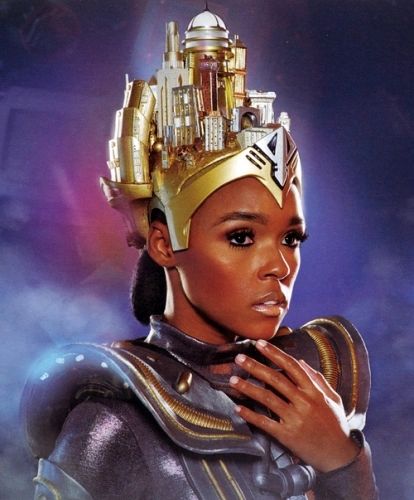
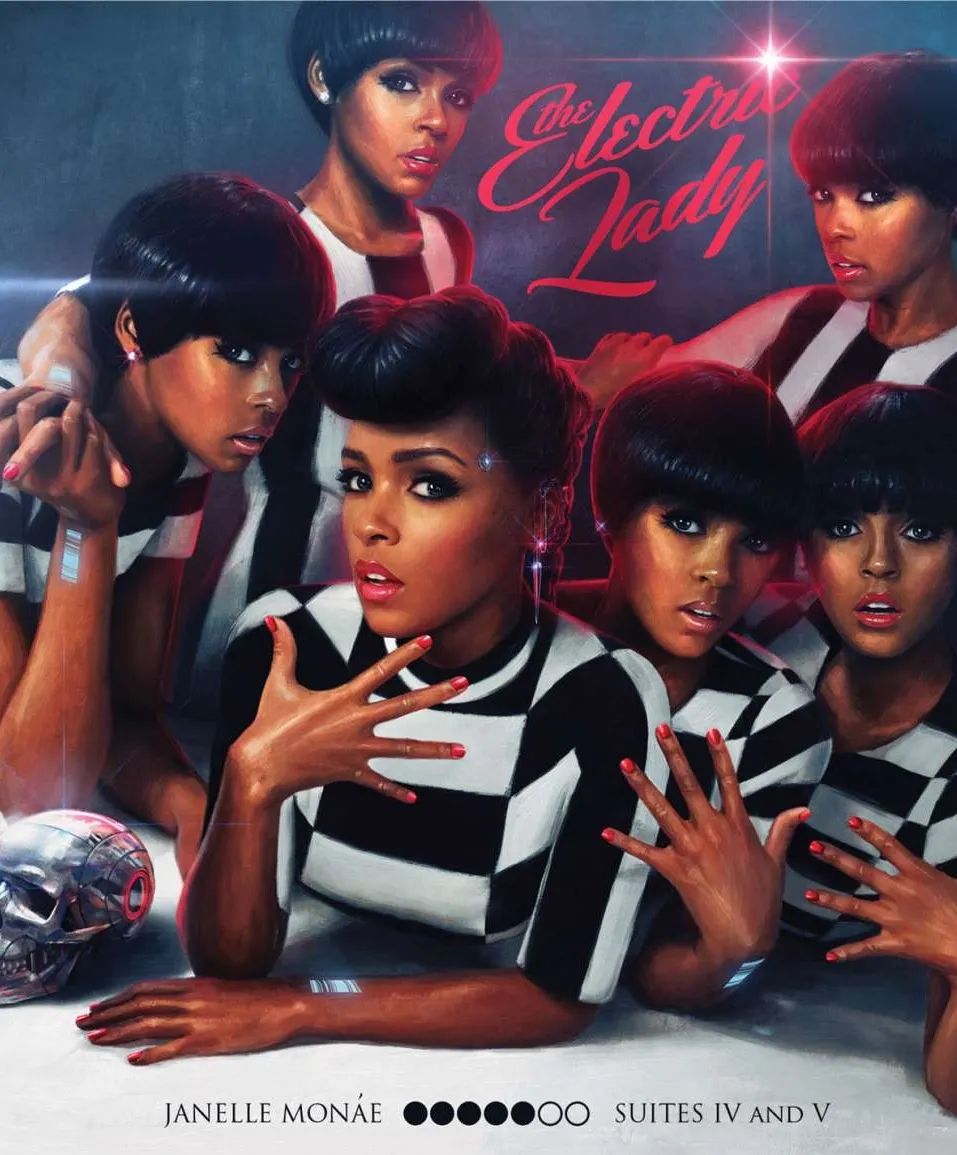
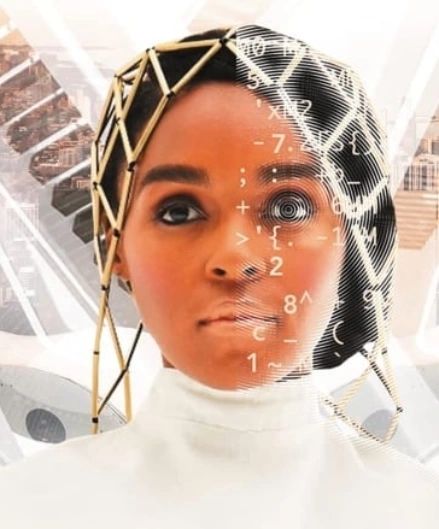
Janelle Monáe
2/16/2024 – It wouldn’t be fair to credit #Beyonce as the pioneer in the movement of #GenderAndSexuality within #Afrofuturism when #JanelleMonae has carved out a significant space for multiple themes to be explored within her music. Taking inspiration from the likes of #SunRa and #GeorgeClinton, Monáe created a new reality within her music with the protagonist #CindiMayweather and built a world with many of the same realities as we see in our own but through the lens of an android who has fallen in love with a human. #Metropolis, #TheArchAndroid, and #ElectricLady weave together #racism, #advocacy, and love between an android and human – all themes under the Afrofuture umbrella. However, as much as Monae’s music brought Afrofuturism to life, it was her own personal style and impact that made it felt.
Monáe’s outfits in the 2010s revolved around a tuxedo, harkening back to her childhood watching her parents wear uniforms to their blue collar jobs. Her gender expression and personal life reflected her Afrofuturistic music and vice versa. When she came out as queer in 2013, her albums already laid out the adversity she knew she would face through Mayweather. Her song Q.U.E.E.N. was initially titled Q.U.E.E.R. (you can still hear it in the background) and could be considered her “coming out” song. Her openness with her sexual orientation and image began to create an intersection of sexuality expression and Afrofuturism. Her attraction to “androids” in the 2010s vs her openness around her pansexuality in the 2020s draw the same picture but with more concise language and a broader social acceptance within the Black community (this is where Beyonce assisted!). One’s comfort with their sexuality and gender expression could be considered a core aspect of Afrofuturism. #BlackHistoryMonth #RootsRugbyFamily
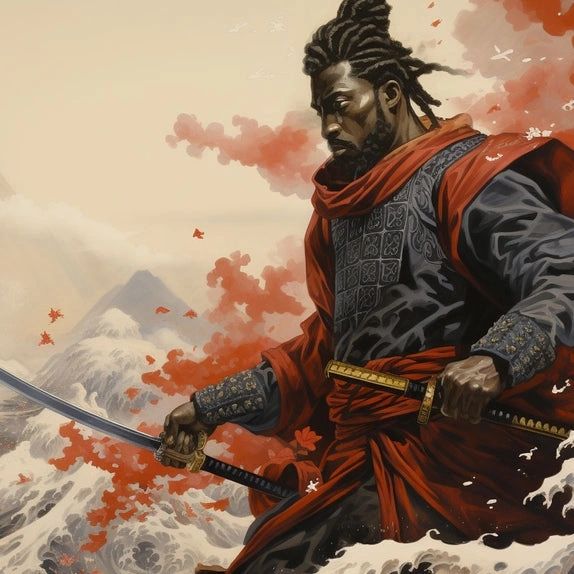
Thundercat and Flying Lotus
2/17/2024 – If you have heard the opening track, Wesley’s Theory, off of #KendrickLamar’s #ToPimpAButterfly, you heard #Thundercat and #FlyingLotus extensively throughout the album and may not have noticed. The same could be said for anyone watching #AdultSwim in the 2000s and 2010s. Their music captures a unique, slightly ostracized (becoming more accepted), niche of Black culture – #Blerds or Black nerds. A relatively new term (Turk from #Scrubs gets the credit), Blerds are an intersection of #PostBlack and #Afrofuturism as their identities navigate a number of areas considered not “mainstream Blackness” in which they may not center their racial identity as much as their interest. #SteveUrkel would be considered a pioneer in this archetype and the space has become more visible with the creation of social media. It helps to have Flying Lotus and Thundercat leaning into their own identities through their music and personas to create the space to allow others to access.
#Anime and #Geek culture have played significant roles in Black culture and often leads to great collaborative projects across Japanese and Black cultures (#Yasuke for example). Considering the tech/sci-fi aspect of Afrofuturism and anime, it is not difficult to see how natural the partnership can be. The socio-cultural conflict arises in how much access should be given before #appropriation becomes a focal point. Japanese artists that rap and Black cosplayers walk a similar space around appreciation and not appropriation. Harder still, is the social pressures and mockery, usually by members of their own in-group, for participating in cross-cultural activities. Both Thundercat and Flying Lotus make it a point to show their love for anime culture to bridge the cultural space and show while Afrofuturism may be Afrocentric, it still can make space for other cultures that would like to participate in celebrating and building a more collaborative future. #BlackHistoryMonth #RootsRugbyFamily
Metro Boomin
2/18/2024 – As we wrap up our discussion around prominent musical artists and the ways they bridge #Afrofuturism to the contemporary space, it’s worth noting one more musician that has already begun to leave his impression in the #hip-hop scene and is a pivotal part in how the #rap scene is developing and will continue to transform into. #MetroBoomin has been interlaced throughout mainstream rap and has been a doorway for many rap artists to engage with the concept in their own ways. Part of why Metro is becoming a household name is his ability to cross the various genres while keeping the signature deep bass and synth scores. #Future, #DonToliver, #TravisScott, #21Savage, and others have tapped into that creative space and started the conversation around what future does rap hold in the Afrofuturistic space – another conflict.
Afrofuturism and rap culture have an interesting intersection as Black culture is at the center of both but with different goals, sometimes opposing ones. While Afrofuturism looks in a more optimistic and hopeful direction, rap’s role in Black culture continues to be centered around highlighting sex, drug usage, and violence – areas that have contributed to negative light of perception when it comes to Black culture. Because this is still what sells in today’s market,the conflict becomes a discussion around “What is good for the future of the culture” and recognizing rap can still exist without the negative connotations but will it still maintain its identity through this discussion. Because rap culture has now permeated many spaces around the globe and because Black culture is so closely tied to it, Black people actually have the ability to shift a culture that would have a global impact but would require a collective effort by the Black culture, something that hasn’t been successfully done in decades. That movement to shift the narrative of Black culture is Afrofuturism within itself. #RootsRugbyFamily #BlackHistoryMonth
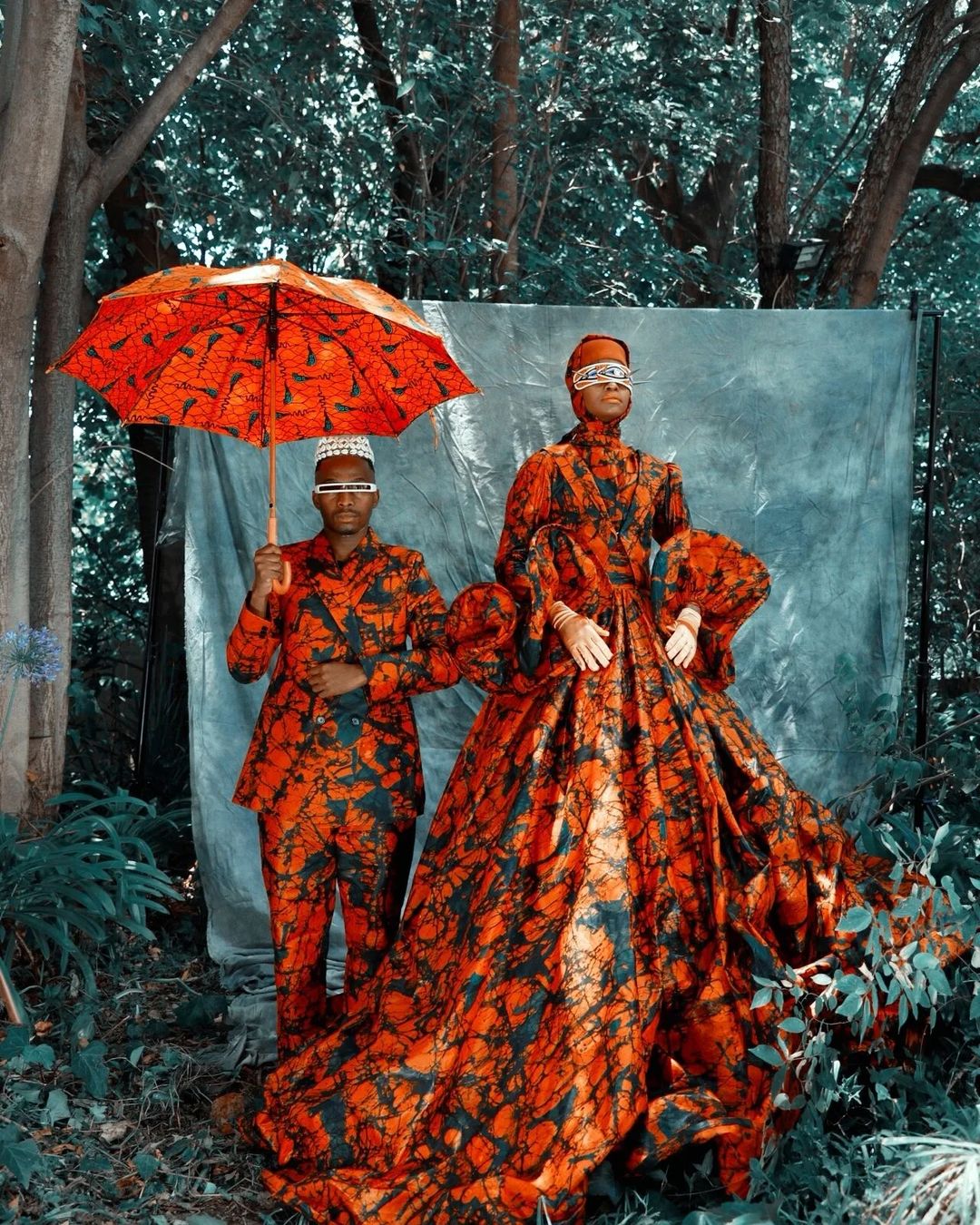
Photography by Trevor Stuurman
2/19/2024 – #Fashion, #Afrofuturism, and #BlackHistoryMonth?! Anyone that knows me, knows that we are going to have some fun with this theme this week! Fashion is its own form of art and it’s worth exploring the wide range of ways Black culture and the African diaspora navigate Afrofuturistic styles. So far this month, the focus has largely been contributions of Black Americans and the global north. For this week, we will get a chance to cover a broader range of cultures to explore how fashion can take different forms and still fall under the umbrella of Afrofuturism.
We’ve covered a wide range of media that is Africa-focused but from a Black American perspective. African heritage is a broad term as it has to encompass an entire continent, each country with its own histories, patterns, and style. Fashion can allow those themes to be expressed in a way that promotes collaboration and inclusivity in a way other media cannot. Tying the heritage of the past while still working toward a more inclusive future can be done through many ways but fashion is a stark reminder of how visual this work can be. Because of eurocentric storytelling, it can be difficult to nail down the various histories of Afrofuturistic fashion in Africa but that is why we are here, to investigate! Looking forward to a fun week! #RootsRugbyFamily

Clockwise starting Top Left: David Tlale, Loza Maléombho, Lisa Folawiyo, [Uncredited], Maki Oh, [Uncredited], Mimi Plange
2/20/2024 – To set a more #Afrocentric platform to discuss #Afrofuturistic fashion, it is worth discussing the designers across Africa doing this work today. It also allows us to compare the aesthetics between Africa and Black America throughout the week to examine how the multiple identities can show up through clothing. The West’s cultural shift towards #Minimalism and more #Normcore styles create an interesting clash with the bold, bright colors and patterns of Africa. Also, with the introduction of AI imaging around fashion, we may see an uptick in more examples of Afrofuturistic fashion but with the cost of creativity and the likelihood of advancing more westernized ideas around Afrofuturism.
I wanted to share 7 African-based fashion designers that have already begun to leave their mark on the fashion world with their designs. What I love about their work is how each of them use fashion as a way to tell stories. Just like with art and music, fashion has a distinctive way of showing different stories. When we consider the real challenge of connecting one’s heritage to a landscape unseen, it can be difficult to decide what parts of your culture’s story do you want to stay versus areas you would like to see evolve. What is worth interrupting knowing it will cause conflict down the line. I think the clearest case of this can be seen when we combine business attire with Afrofuturism. Because the formal attire industry is largely Eurocentric and male dominated, shifting the general narrative about what is “work-appropriate” will likely create a conflict but it also shows the need for representation in those spaces to show how clothing can be a simple way to express one’s own culture instead of conforming to others simply because. #BlackHistoryMonth #RootsRugbyFamily
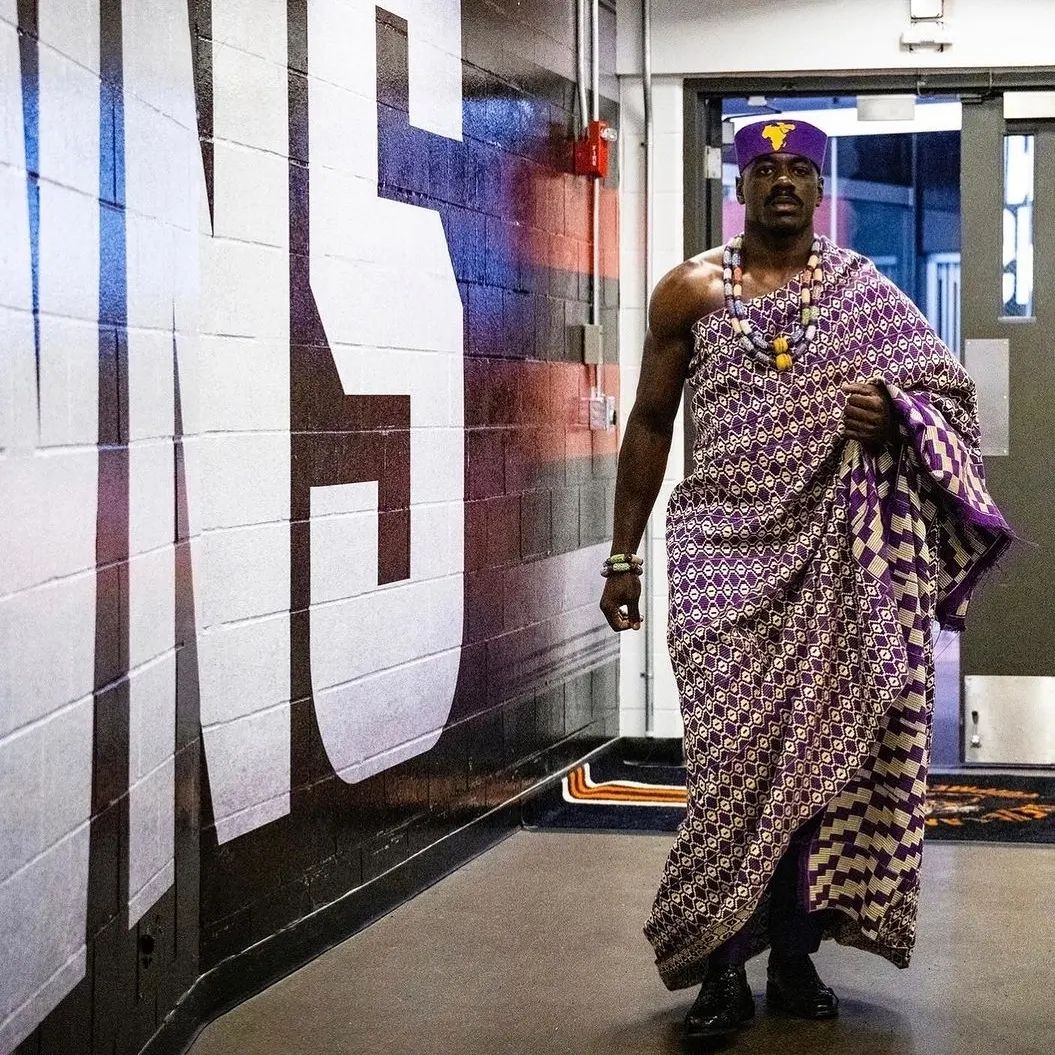
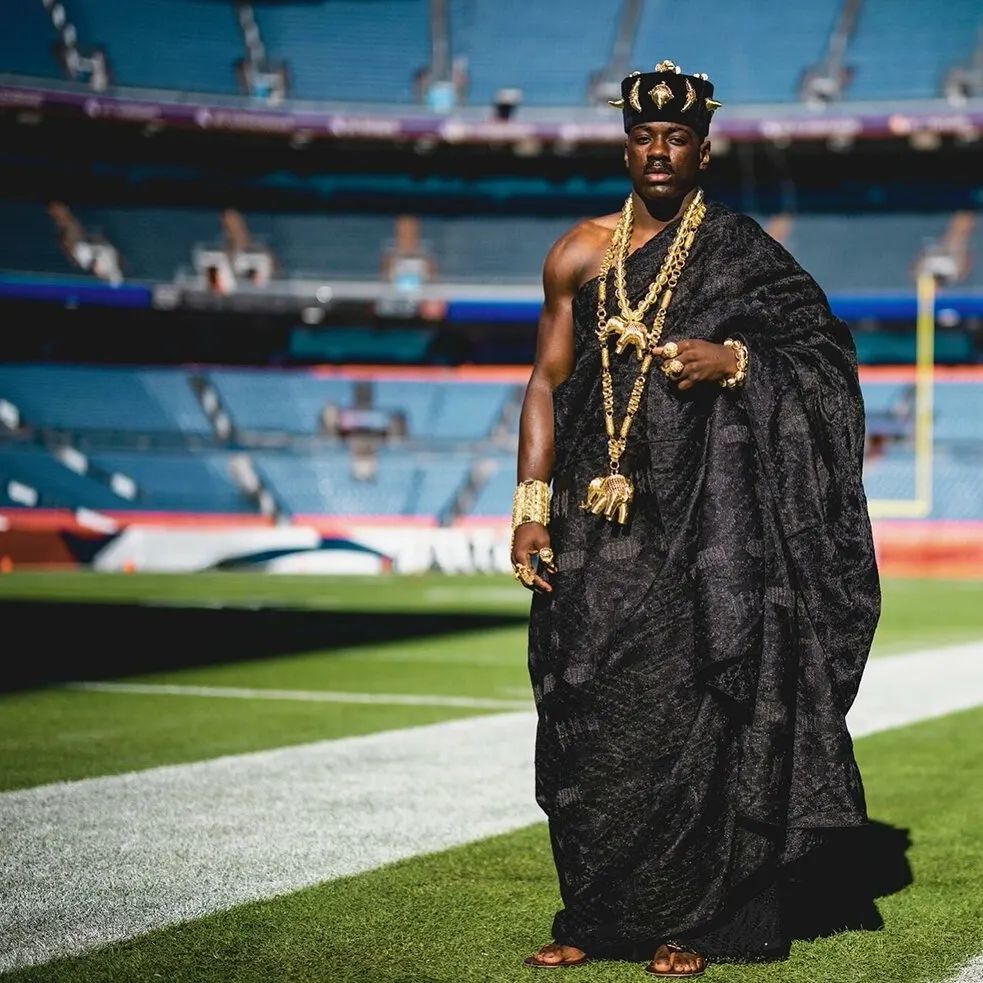
Jeremiah Owusu-Koramoah
2/21/2024 – If there was anyone I could see bridging the transatlantic gap between #Africa and #BlackAmerica, #JeremiahOwusuKoramoah has laid down the gauntlet. Because he plays for the #ClevelandBrowns (gross :D) he is able to use the vehicle of sports as a way to spread awareness of the growing interest of the sport in Africa while still showing the vibrant patterns of #PanAfricanism. His message alone is why I would consider him a crucial aspect of #Afrofuturism. His outfits have shown why representation matters as it has brought a spotlight to many cultures throughout the continent of Africa.
Owusu-Koramoah did not grow up with a rich, cultural understanding of his heritage as he moved to America from an early age and wasn’t taught about his heritage until much later as his father was more focused on achieving the #AmericanDream and separating his identity from merit, a common issue in first-gen immigrant families. As a result, Owusu-Koramoah developed an understanding of his heritage connecting with his #Ghanaian community as he got older. Once he made it to the #NFL, he understood how powerful his wardrobe became and began to show up to games honoring different cultures throughout Africa. His roots allowed him to show the difference of cultures within his continent and has already shaped the way other players begin to show their identity through their style. As said in previous posts, #Activism through media is an excellent way to spread awareness and Owusu-Koramoah has made it clear his clothing is a statement. #RootsRugbyFamily #BlackHistoryMonth
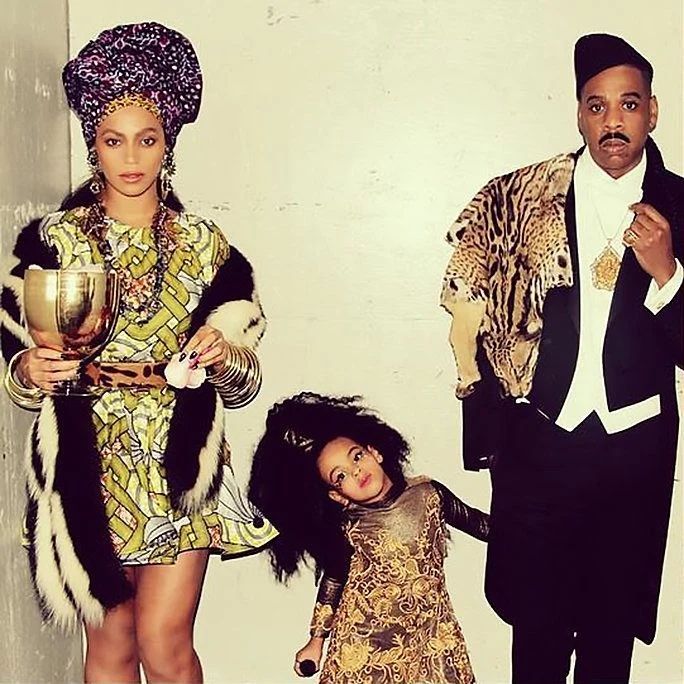


Coming To America’s Afrofuturism Approach
2/22/2024 – We have discussed the work and craft of #RuthECarter earlier this week but for today, it is worth diving deeper on #ComingToAmerica and the follow-up #Coming2America through the lens of #Afrofuturistic #fashion. When #DeborahLandis, a White woman, took the role of costume design for the movie, she would have to figure out how to create a new wardrobe for the fictional #Zamunda that focused more on appreciation and uplifted the concept of #PanAfrican traditional clothing. A combination of #ChristianDior with the patterns of Ghana and Nigeria allowed her to come up with more elaborate outfits that still reflected the trendy styles of the time. The result was well-received and she earned a #Grammy nomination for her work. Ruth E. Carter would take the helm for the 2nd movie and we immediately see the vibrancy and culture on display with over 800 costumes appearing in the movie. Both of their works built an Afrofuturist environment for their times that managed to show appreciation through a more westernized lens. It also showed how much the Black American culture has shifted to appreciate its African heritage as well.
As discussed in previous posts, access to The Culture is an interesting topic in Afrofuturism as it brings in the discussion of how White people can participate in the discussion/development of the narrative. Could the director use someone other than his wife to design the costumes for a movie centered on Black/African representation in 1988? Of course. Part of #SpikeLee’s umbrage Hollywood was how nepotistic and casually racist it was despite being 20+ years from the #CivilRightsMovement. With that said, Landis took great care to be authentic and appreciative of The Culture in a way that made the costumes an icon, even #Beyonce would wear it for her birthday (and not give back btw). It continues to play with the notion of who gets to engage with Afrofuturism in a way that advances it? Can it be an interracial collaboration like #OctaviaButler hopes? It will be interesting to see how that conversation develops, especially as America continues to grapple with its own identity. #BlackHistoryMonth #RootsRugbyFamily
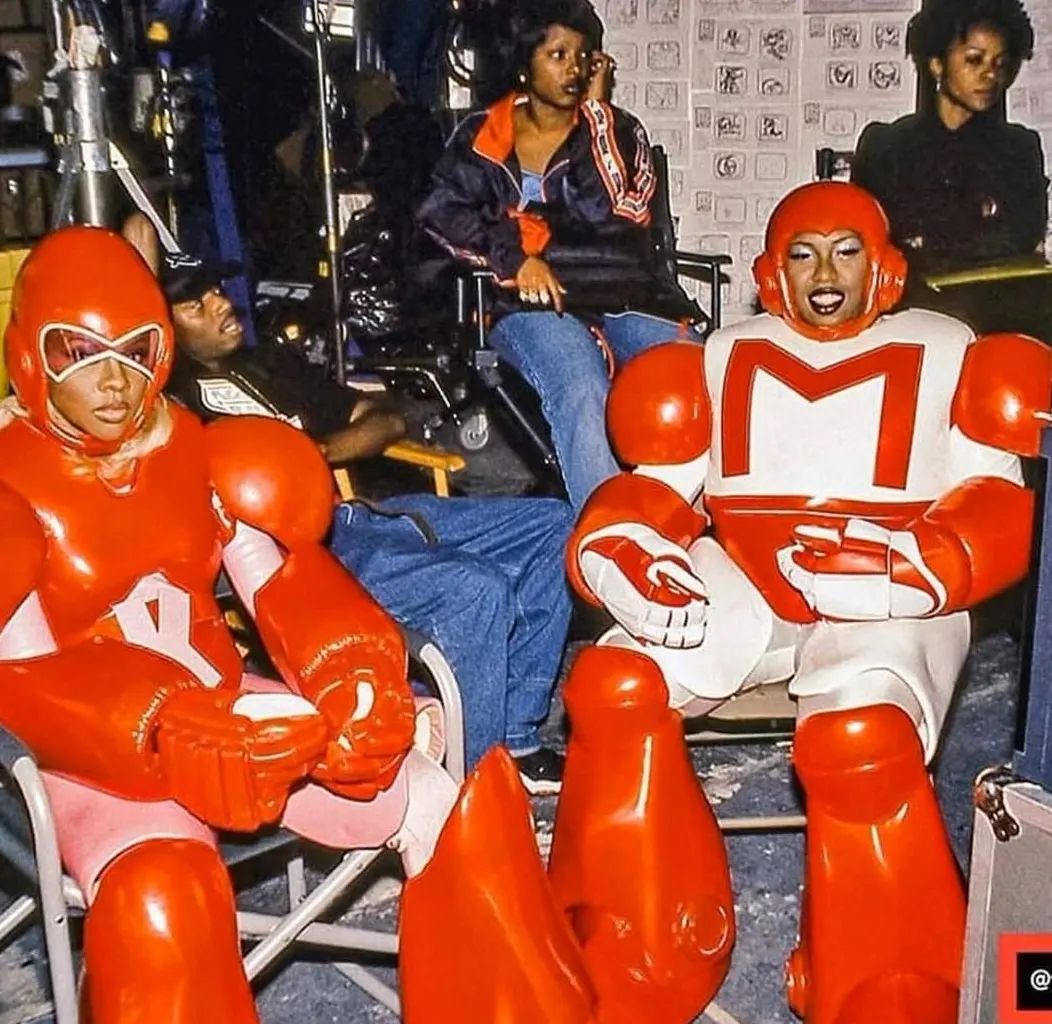
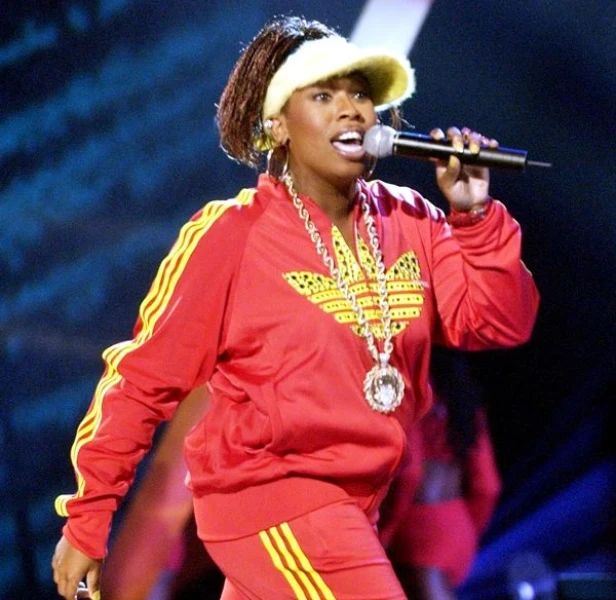
Missy Elliott, Da Brat, and Jidenna
2/23/2024 – While the music is one aspect of their #Afrofuturistic style, #MissyElliott’s music videos and #Jidenna’s outfits fall well within the range of Afrofuturism in terms of what they represent. Missy’s #BlackFeminism was still considered a new wave as more Black women were using their platforms to spread awareness about #womanhood, #BodyImage, and #independence and Missy’s music and her outfits allowed her to control her narrative on self-image as discussed in previous posts. Jidenna incorporated his #ClassicMan style with his strong sense of #CulturalIdentity as well. Though they were roughly 20 years apart in their peaks, their message remained the same – let’s change the narrative on how our people are seen, starting with what clothing we wear. Missy’s #Adidas tracksuits were a callback to origins of #HipHop with #RunDMC while Jidenna aimed to focus more on the #PanAfrican patterns mixed with his retro clothing to create a new frontier to explore identity through clothing.
One area worth diving into within their personas is how #GenderExpression operates for both of them. Their expression pushes against the social narrative of how Black men and women should present themselves. Missy’s streetwear approach would often come with rumors around her sexuality while Jidenna started a nation-wide discussion on painting his nails as a man. Both have tapped into the #SocialConservative side of Black America and have shown fashion can also play an integral role in developing a new narrative around #PostBlackness and where sexuality fits into the discussion. Should we care about a person’s gender expression and personal preferences in an Afrofuturistic world? Is sexual attraction attached to the Black identity in a way that can prohibit success if their views do not align with the Black experience? As #Afrofuturism and its themes continue to develop, it is crucial we continue to evaluate what values should stay vs. those that should go. #RootsRugbyFamily #BlackHistoryMonth

Grace Jones
2/24/2024 – It is impossible to see #GraceJones as anything other than an #Afrofuturist movement by herself. She is as much a musical legend as she was an art and fashion icon but her pioneering work around #gender is what truly set her aside in the 70s, 80s, and 90s. When we consider how many figures we’ve covered this month and the different themes that came with their respective crafts, Jones’ work traversed all of these during her career and continues to be referenced both directly and indirectly in pop culture today. Jones has starred in movies, released multiple albums, modeled, and was the focus of many artists and photographers. Her #androgynous styling brought #CrossDressing and #GenderExpression into the conversation around #feminism and #masculinity and how socially constructed they were. Part of the reason Jones’ has such a rebellious persona stems from an overly-religious and abusive household. Her parents never engaged with career for religious reasons – one of the last themes we will get to discuss this month.
Grace Jones became who she was in rebellion to her religious upbringing. “I felt crushed under the bible,” continues to be a quote she reflects on today. In the space of #Afrofuturism, where does #religion fit? As we continue to unpack the different themes, religion remains to be somewhat nebulous. Because of religion’s difficult past (and current identity crisis) with race, specifically its role as a measure of control in some cultural spaces, it can be difficult to build an inclusive narrative without having a thorough discussion around the need for balance between spirituality and self-expression. Jones’ persona was built around free expression. Much like many others covered throughout the month, Jones used her own body as a form of activism and an advocate for LGTBQ+ rights in the process. Her career is an excellent example of what boundaries can be broken when social constructs are no longer followed. #BlackHistoryMonth #RootsRugbyFamily
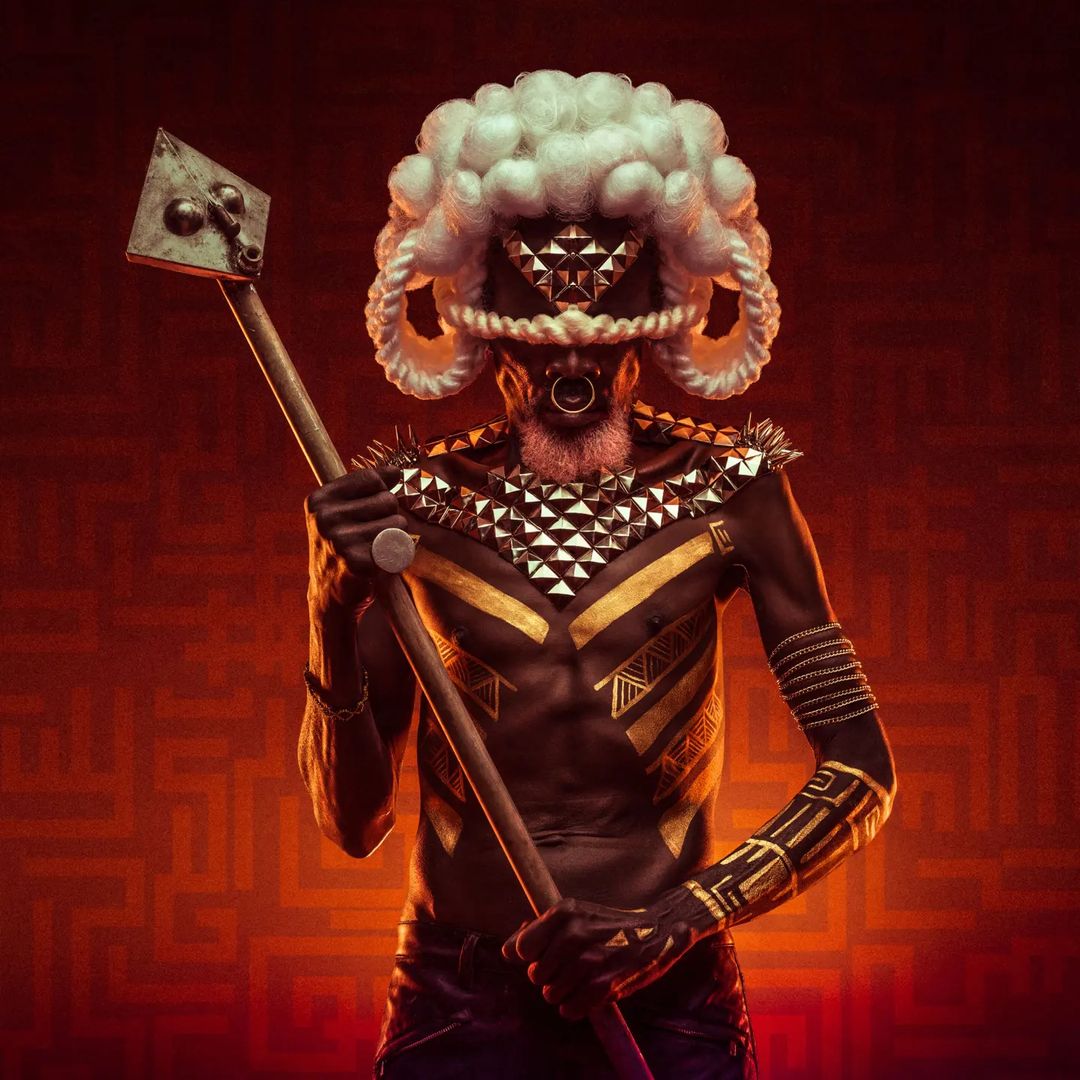
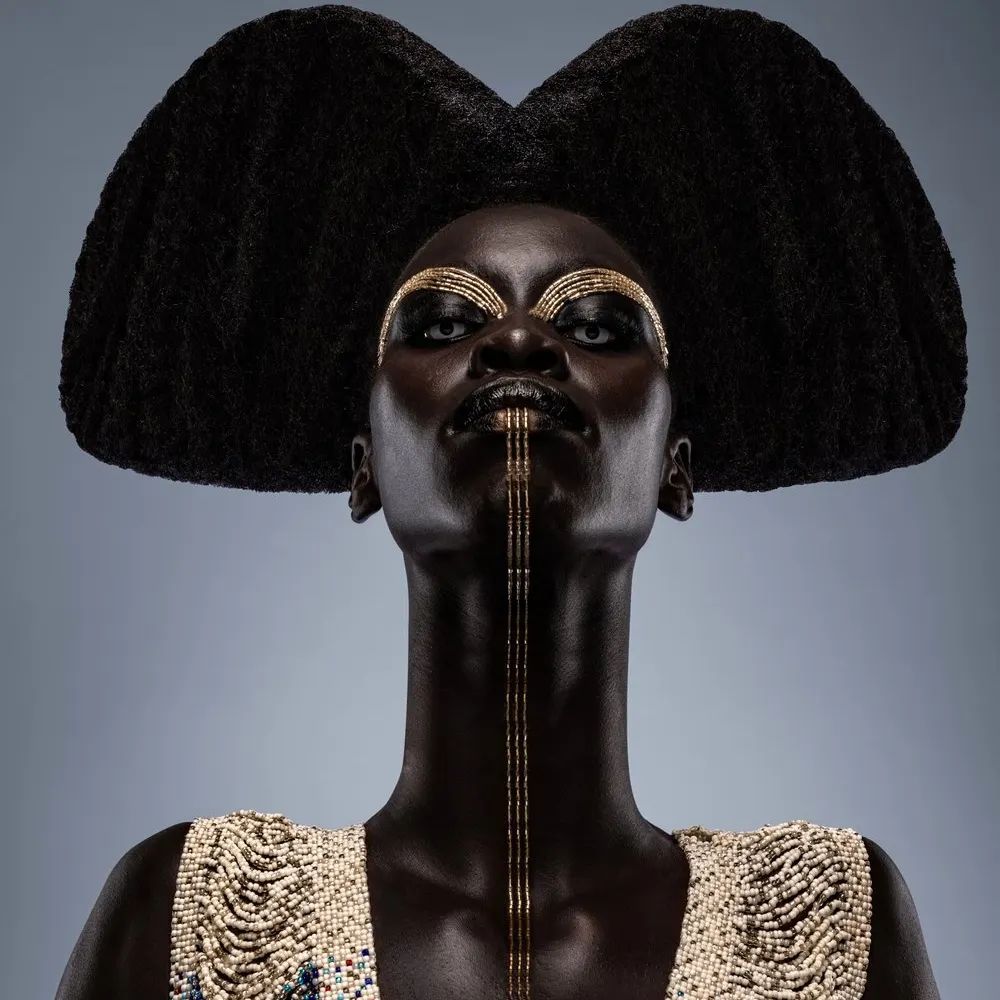
Photography by Osbourne Macharia
2/25/2024 – Before moving into the final stretch of #BlackHistoryMonth’s deep dive on #Afrofuturism, we’ve covered a number of themes throughout the month and it’s worth connecting these overarching themes with one another. #CulturalConflict and the #WesternizedLens are two large areas worth unpacking as these have largely shaped the way Afrofuturism develops as a concept. Much of the reason Afrofuturism involves cultural conflict within its genre is because the Black American community has attributed a significant portion of its time to navigating its own narrative. The Culture and its elements are seen all over all forms of media and its influence can create power. The people covered this month have made lasting impacts but the conversations it creates challenge the Black identity in a way we still continue to discuss today. #RacialConflict, #GenderExpression, #Religion are all areas still being discussed in Black communities and as we have more examples of prominent Black figures pushing against societal norms, we start to see progress toward a shared understanding of how encompassing Blackness can be.
#PostBlackness continues to be a common thread throughout Afrofuturism when we look at what sets the Afrofuturists aside is their ability to lean into their racial identity while still challenging their cultural identity. It is not easy to move into a space you are a pioneer in as you become the face of said movement and simultaneously, a spokesperson for your racial identity in these new spaces. Since Black people are still a minority, it may mean navigating Whiteness in a way that puts you face to face with ignorance (not willful ignorance hopefully!) or POC that have attached their identities to Eurocentrism. In short, you will have to prove who and why you are the way you are and how your work will contribute to the betterment of your own culture. Fatigue can set in having to constantly teach those around you and that is why the pioneering work that continues to make our #Afrofuturistic figures so prominent. #RootsRugbyFamily

2/26/2024 – It’s the last week of #BlackHistoryMonth! It has been great covering a number of figures involved with #Afrofuturism and for the final week I wanted to focus mainly on what we can do as a community to continue this work and build a dialogue around what support in an #Afrofuturistic space looks like. Showing support to local #artists and #grassroots organizations is the first step in aligning the language needed to have the conversation about what areas of The Culture will need to change.
When I think of the different themes covered overt the 6 years, I find that someone like #BarackObama has the ability to thoroughly change the landscape of Black America but chooses not to be on the main stage of influence. As a result, The Culture continues to seek a voice that can balance the future and perseverance of the Black American experience in a way that learns from its past, acknowledges the present, while navigating the future. Adding to this point, it is why we see Black entertainers tasked with the near-impossible job of representing The Culture in a way that may have them shed their own identity to assimilate with media or become so popular they get to be their true selves in public. But rather than seek a popular voice, it should be the community’s voice that should be front and center. Connecting with one another and building an understanding of how many different voices can represent The Culture today is critical to building a cohesive community. Working with one another across the differences within the Black community is the point of #Afrofuturism
The Maroon Series and Khep-Ra comics by Derek W. Lipscomb
2/27/2024 – Finding your namesake is one thing. Finding out they produce #Afrocentric comic books (#TheMaroon and #KhepRa) is a wild experience! #DerekWLipscomb (probably related!) is a self-taught artist who aims to discover the #HiddenHistories of The Culture and show them in a way that acknowledges the past while building a more thoughtful future. Lipscomb uses #Folklore and #SciFi as a way to build a connection between the diaspora and our own imaginations. I was able to chat with Lipscomb and so much of what was discussed harkened back to many of the themes we discussed over the month. How we begin to broaden the narratives around Black representation may mean creating your own comic banner, #OwlEyeComics and begin to create the space yourself in hopes it will allow others to build as well.
Lipscomb’s words around hidden histories will stick with me as it reminds me how education in America will not cover the gaps in its own history by design. Supporting local artists allows us to learn about other perspectives and dive deeper into our own histories. It allows the community to uplift voices aiming to uplift the communities they represent rather than attaching to figures that may not be able to show up for the people that support them. The main character of The Maroon ultimately seeks freedom and community, the same areas we discuss today despite the story taking place in the 1850s. “Utilizing characters who are in the process of elevating themselves from the social expectations, and not feed stereotypes, but to controvert them,” was said when asked how his work intersects with Afrofuturism. It brings me back to the theme of #PostBlackness and how much power we have over our own representation. I do not have enough space to convey how inspired I was by his work and I know for any other #Blerds out there like myself, you will not be disappointed to check out his page and learn more! #BlackHistoryMonth #RootsRugbyFamily

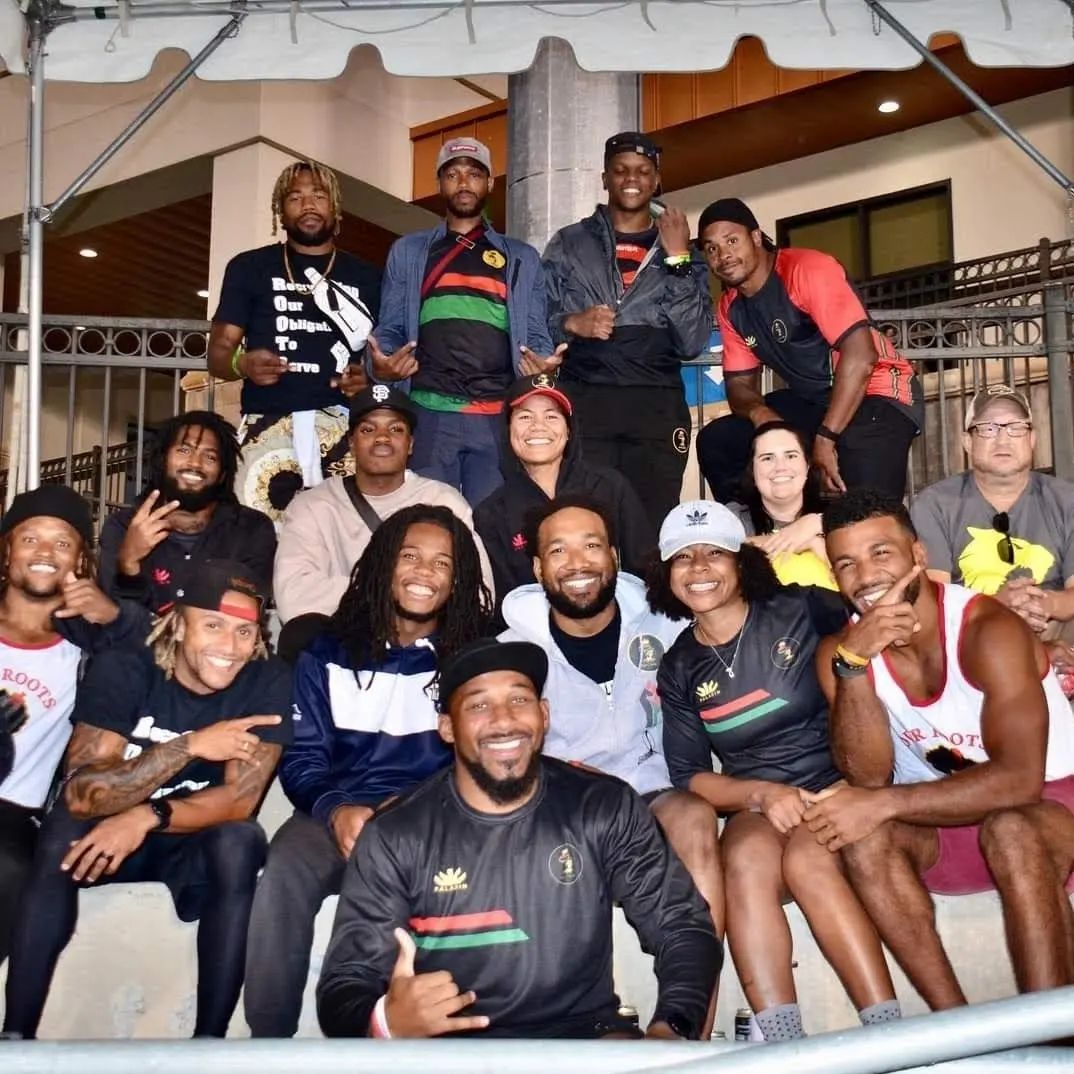
Roots Rugby over the years as an example of Afrofuturism
2/28/2024 – Easily the easiest example of #Afrofuturism in real time. #RootsRugby has hit its 5th year and has become a great example of building community in an #Afrofuturistic fashion in real time while still recognizing the multitudes of cultures within the #Diaspora. Over the years, we have been able to work both locally in our communities within #NYC to grow the sport of rugby and abroad to build connections with other countries and their cultures around rugby. It has created an excellent network of players, coaches, and supporters we will run into everywhere we play. It has also shown us the number of people invested in equity in athletics across numerous identities. Roots has also been a space to discuss the concept of #PostBlackness, though we may have never used the name!
When discussing #JeremiahOwusuKoramora’s platform intersecting with sports, you can understand that he sees himself as African American but it would be slightly different in the way that Black Americans would describe themselves as African American as well because of his direct ties to his Ghanaian heritage. I have found this slight separation interesting as it is broadening the concept of #CulturalBlackness and what it means to be Black in America. At Roots, we have opportunities to flesh this concept out as well and it has also shown us the diversity of players within the African diaspora that show their identities through rugby. Players have had some level of identity conflict as rugby is not seen as a “Black” sport by other Americans and will often challenge “How Black are you?”. As said in previous posts, many of the prominent figures in Afrofuturism got there because they challenged various narratives on what it means to be Black and made the space more inclusive for others to engage with a slightly different perspective. I like to think Roots is doing that same work through the sport of rugby! I hope this month has been educational and fun for you all and I would also encourage #SupportingBlackBusiness and donating to Roots (link in bio) as this Work is ongoing and it is good to see community members supporting the cause! Wish us luck at the #NRL9s this week in #Vegas! #BlackHistoryMonth

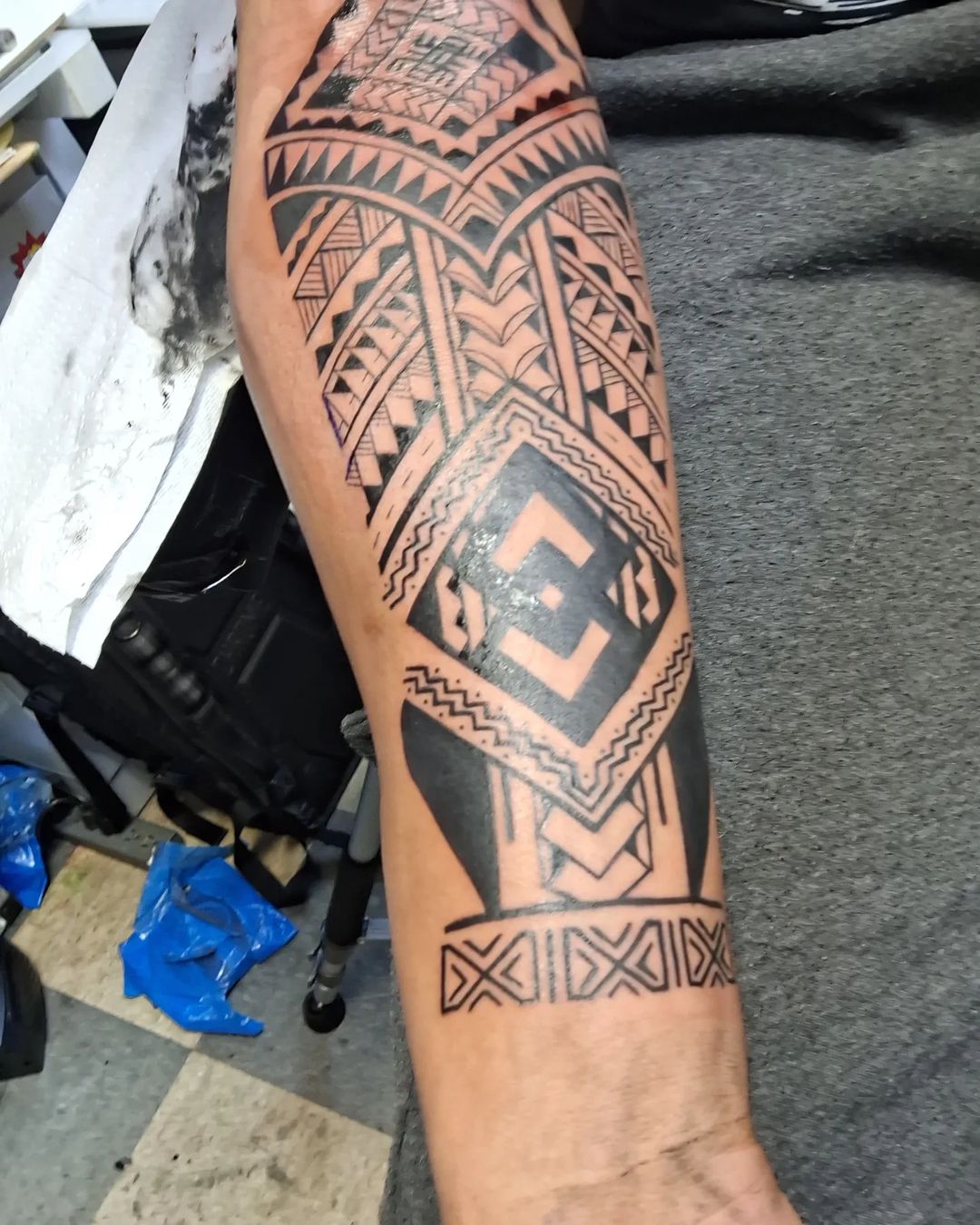
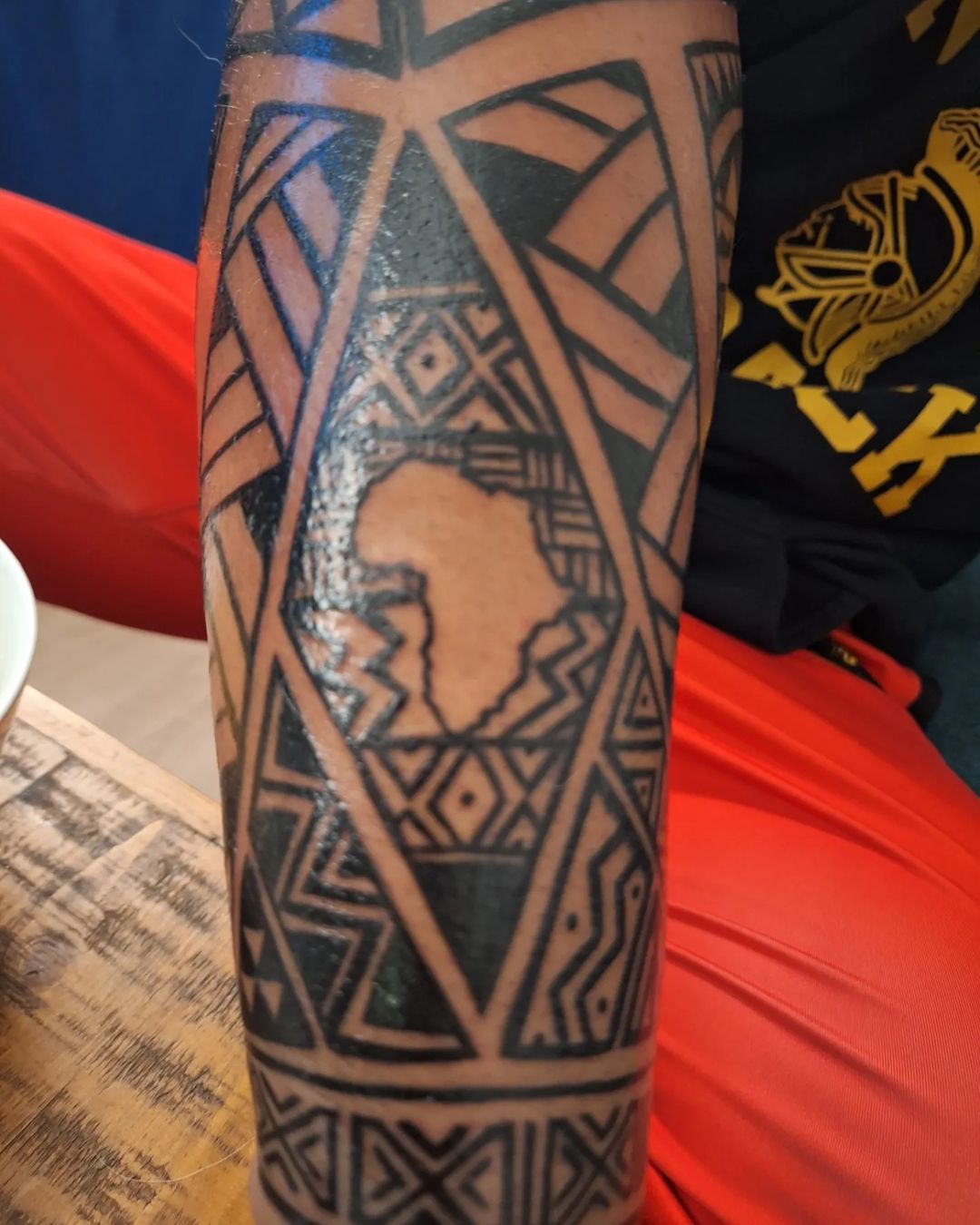
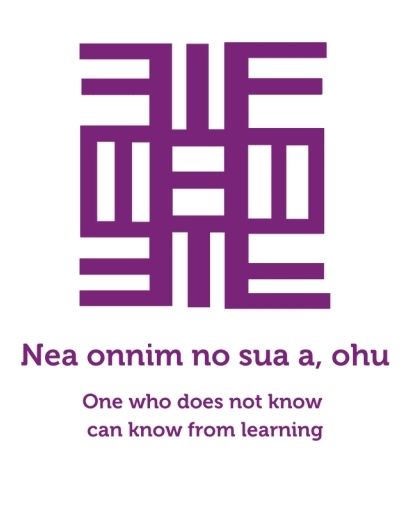
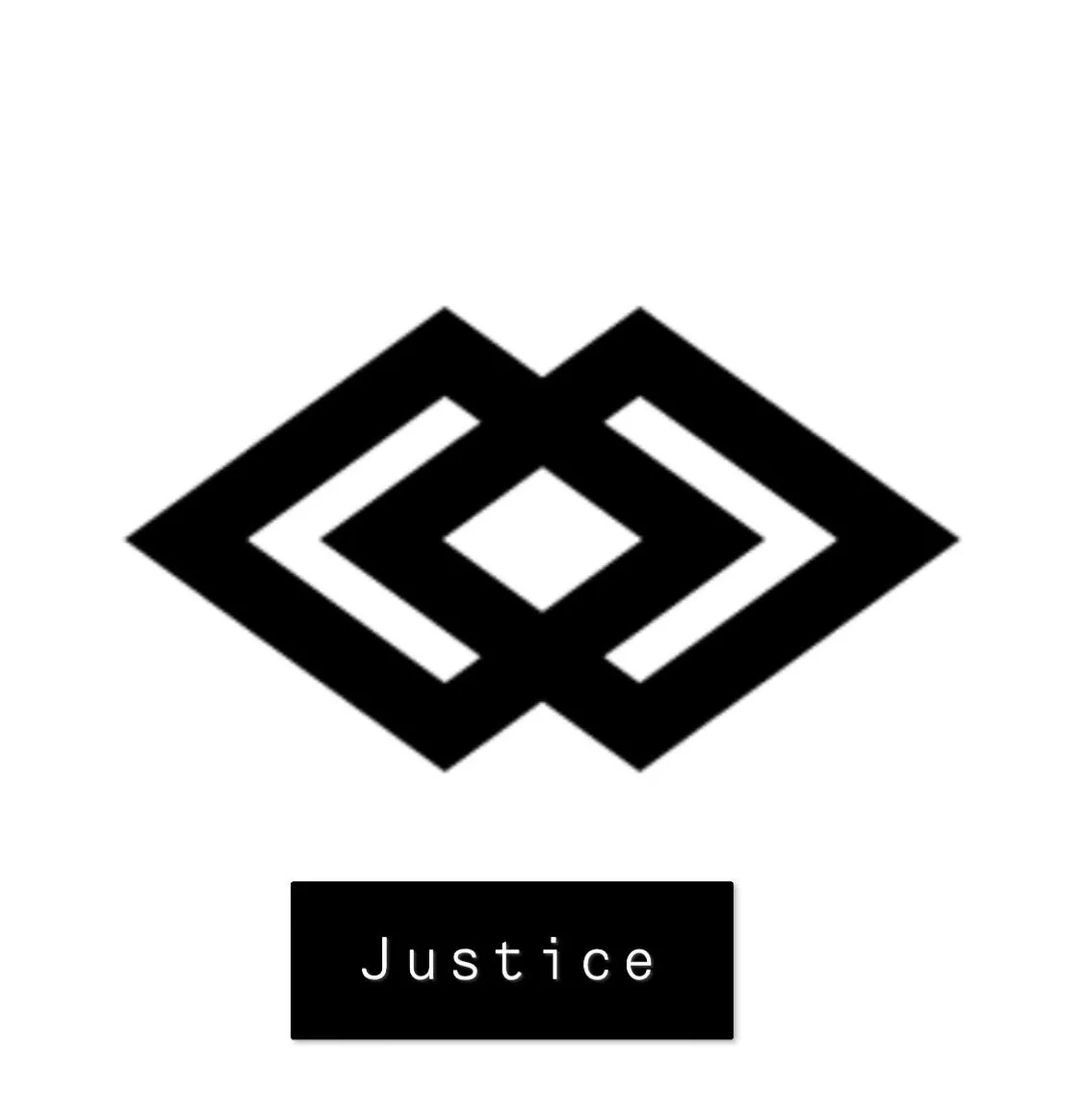
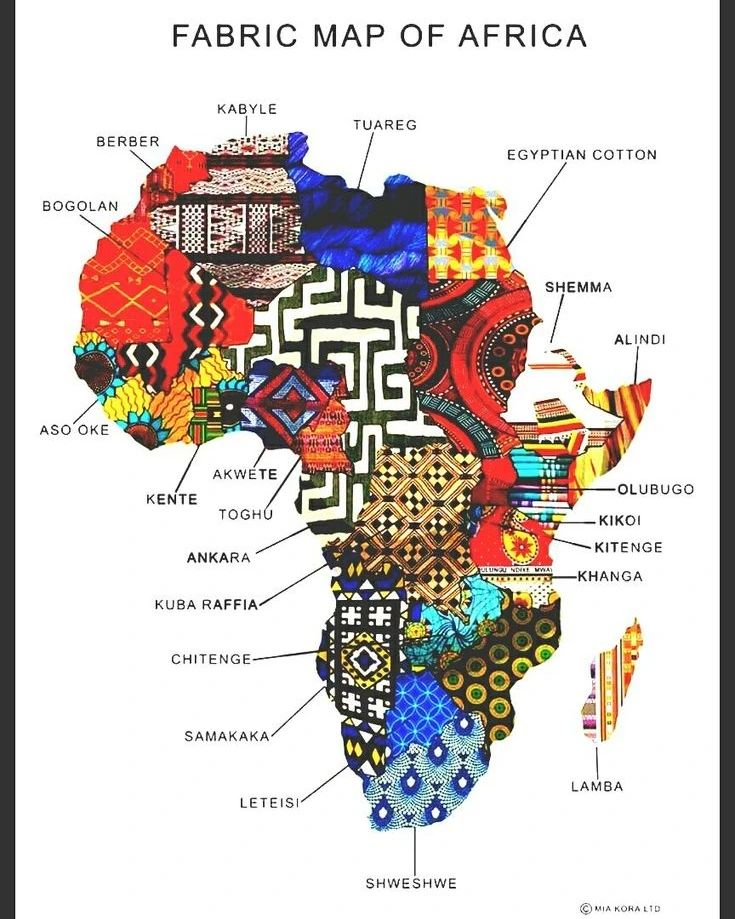
Details that went into the Pan-African tattoo. Tattoo done by King from King’s Tattoo in Harlem, NYC
2/29/2024 – We made it! Happy Leap Day! I greatly appreciate all of the wisdom shared this month with me and I am always happy to continue educating in whatever way I can! I wanted to share my own journey with #Afrofuturism a little over a year ago when I began to research this topic. I wanted something to connect our shared pasts with the future of the #TheCulture. When researching indigenous tattoos and their meanings, it simply came down to land, sea, and sky. The triangle symbolizes that harmony and it’s seen across many #Polynesian, #NorthAfrican and #Native cultures. I wanted to also show my love for teaching as well and use two #Adinkra symbols from the #AkanCulture, #NeaOnnim and the #Epa, which symbolize #Learning and #Justice and remind me to continue finding my purpose in education. It lead me down a path to create a #PanAfrican tribal tattoo that could also honor the diversity of patterns of Africa.
Many countries have their own patterns that also tell unique stories and finding a way to weave together on a sleeve was no easy task. Thankfully, I met King from King Tattoos in #Harlem and we began to build the tapestry together. 40+ hours later, we see the past and the future displayed over my entire arm. I decided to pay homage to #RootsRugby’s anthem, “Lift Every Voice” with the rising sun etched out on my arm. I managed to include Wakandan in there as well! Finally, it wraps around my first tattoo, for my Grandpas, the connections to my past, who I am in the present, and who I hope to be in the future.
Overall, I just want to say thank you to @rockyandthecity for sitting with and supporting me, not just the tattoos, but through my growth over the years. When Diane McKoy talked about #Agape, I have felt it every step of the way. I truly love what we’ve built. I also want to shout-out #RootsRugbyFamily and @my_actions_defy_expectations for allowing me to grow the educational space for my rugby and social communities. I have written over 120 pages over the years with these #BlackHistoryMonth posts and I know I will be right back here next year to do it again! Thank you!
 The Work Racial Literacy